


Do you have cracks on the corners of your mouth? If so, you may have angular cheilitis deficiency.
Cracked lip corners are not just a minor annoyance; they can indicate a hidden vitamin deficiency that is affecting overall health.
These painful splits often go unnoticed for their more profound nutritional implications, yet they can reveal much about what your body is lacking. Recognizing and addressing this deficiency is critical to maintaining optimal health and comfort.
Tools like the Eating Enlightenment Food Journal App can support the journey to healthier lips and well-being. By helping you manage cravings, emotional eating, and binges, the app encourages a balanced diet to prevent vitamin deficiencies and foster a holistic approach to wellness. Embrace this path to nourishment and vitality by listening to your body’s signals.
What is Angular Cheilitis
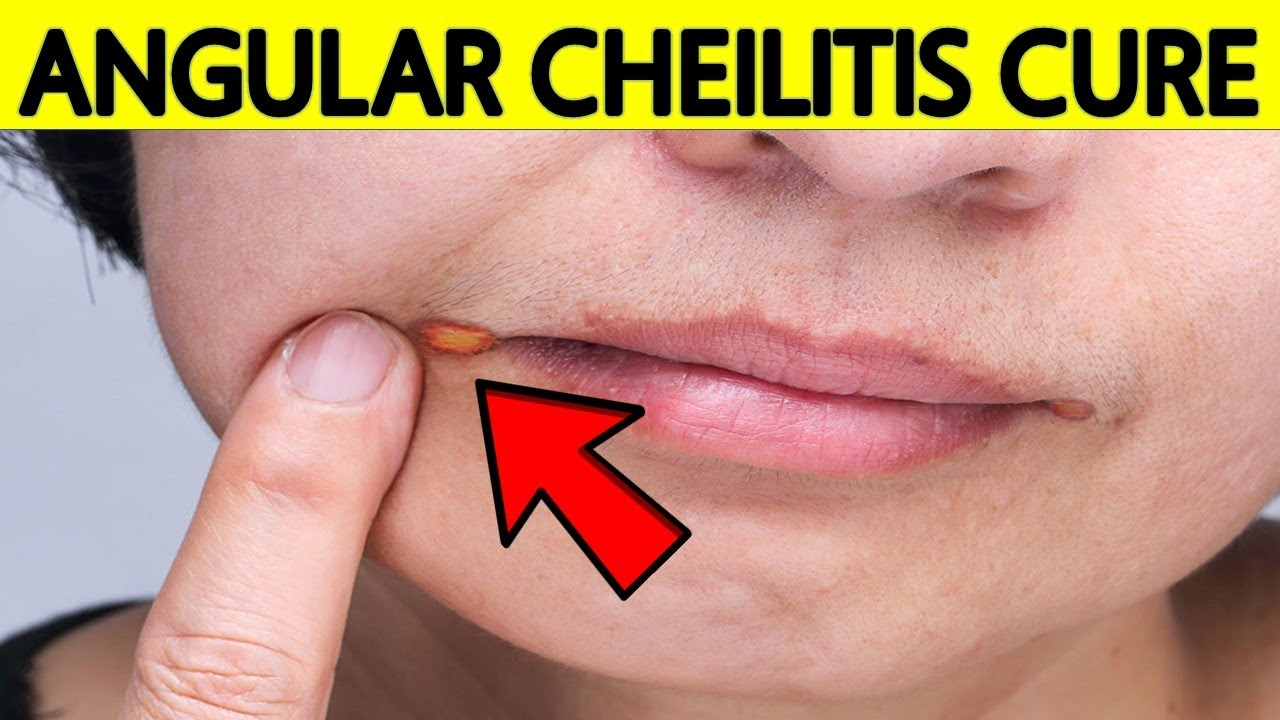
Angular cheilitis is a condition that causes dry, red lips that crack on both sides. The crack can cause itching or pain or form white scabs that can cause bleeding.
Angular cheilitis is caused by long-term inflammation. Vitamin B deficiency and cracked lips are generally caused by a lack of vitamin B12.
It can cause several other problems, such as:
- Dry skin
- Rashes
- Itching
- Swelling
- Painful cracks in the corners of your mouth
People often struggle with motivation when addressing health issues, and finding inspiration can be challenging. Food journaling helps manage weight, boosts self-awareness, and encourages mindful eating.
The Eating Enlightenment Food Journal App on IOS and Android is user-friendly, customizable, and motivating. Download it today to transform your journey and uncover the root of your cracked lip corners.
B vitamins and oral health
According to 2017 research, B vitamins are required for good oral health. Depending on the amount of vitamin A you consume, you may have cracked lips, tongue irritation, or an ulcer in your mouth.
B vitamins are commonly found in foods that contain other nutrients essential to your diet, so a deficiency in one can lead to an issue with others.
The B species is made up of eight essential vitamins. These are:
- Vitamin B12 (cobalamin)
- Folic acid (folate)
- Biotin
- Pantothenic acid
- Riboflavin (vitamin B- )
- Niacin (nicotinamide/niacinamide)
- Thiamine (vitamin B-)
- Pyridoxine (vitamin B-)
All these vitamins are essential to human health, but a deficiency can lead to angular cheilitis.
For example, a lack of vitamin B12 can cause angular cheilitis, known as glossitis and Oxnard’s tendinitis. This is where the tongue becomes inflamed and sore.
A riboflavin deficiency can also cause angular cheilitis. Riboflavin is needed to produce collagen, which helps keep the skin healthy.
Cracked and split lips
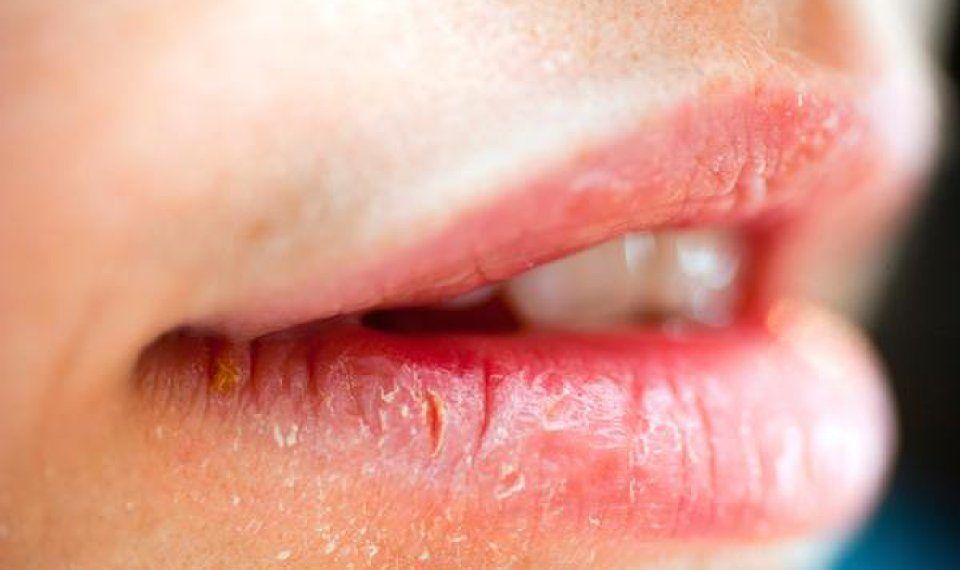
Vitamin deficiencies cause cracked corners in your mouth, also called angular cheilitis.
Symptoms include dry, red lips that crack on both sides and can bleed or form white scabs.
Angular cheilitis is caused by long-term inflammation and generally results from a lack of vitamin B1.
It can cause your lips to become dry, chapped, and cracked.
This is because vitamins are essential for producing collagen, which helps keep the skin healthy.
If you have angular cheilitis, you may also notice that your lips are swollen and red. This is due to the inflammation caused by the condition.
How do we diagnose vitamin deficiencies?

If you think you may have angular cheilitis, it’s essential to see a doctor or dentist so they can diagnose the cause.
They will likely ask about your symptoms and medical history. They may also do a physical exam.
If you think you may have a vitamin deficiency, your doctor may order blood tests. You can also find reliable online blood tests here.
How do you heal cracked lips?

There are several ways in which you can heal cracked lips.
First, ensure that your diet contains enough vitamins and minerals. This means eating plenty of fresh fruits, vegetables, nuts, and seeds.
It would be best to drink plenty of water to stay hydrated.
If a vitamin B12 deficiency causes your angular cheilitis, you may need to take supplements or eat foods rich in this vitamin.
Some good sources of vitamin B12 include:
- beef liver
- tuna
- trout
- salmon
- yogurt
- eggs
If a riboflavin deficiency causes your angular cheilitis, you may need to take supplements or eat foods rich in this vitamin.
Some good sources of riboflavin include:
- milk
- cheese
- almonds
- spinach
You can also try using natural remedies to heal your angular cheilitis. Some popular options include:
- coconut oil
- aloe vera gel
- honey
Get enough vitamin B in your diet.
According to 2017 research, Vitamin B is essential for good oral health. Depending on the amount of vitamin A you consume, you may have cracked lips, tongue irritation, or an ulcer in your mouth.
B vitamins are commonly found in foods rich in nutrients essential to your diet, so a deficiency in one can lead to an issue with others.
The B species is made up of eight essential vitamins. These are:
- vitamin B12 (cobalamin)
- folic acid (folate)
- biotin
- pantothenic acid
- riboflavin (vitamin B- )
- niacin (nicotinamide/niacinamide)
- thiamine (vitamin B-)
- pyridoxine (vitamin B-)
All these vitamins are essential to human health, but a deficiency can lead to angular cheilitis.
For example, a lack of vitamin B12 can cause angular cheilitis, or glossitis, which causes the tongue to become inflamed and sore.
Home Remedies
There are several home remedies that you can try to heal angular cheilitis.
One popular remedy is coconut oil. Coconut oil has antiviral, antifungal, and antibacterial properties, making it an effective treatment for angular cheilitis.
ToCoconutil can be used simply by applying it to the affected area thrice daily.
You can also try using aloe vera gel. Aloe vera has anti-inflammatory properties that can help to reduce the swelling and redness associated with angular cheilitis.
To use aloe vera, apply the gel to the affected area thrice daily.
Honey is another popular home remedy for angular cheilitis. Its antimicrobial properties can help kill the bacteria that cause it.
ToHoney must be applied to the affected area three times per day.
Summary

Vitamin deficiency can cause Angular cheilitis, which can also cause cracked lips. The disorder is also called angular cheilitis (angular cheilosis, angular stomatitis, or perlèche).
People with this condition suffer dry, red lips that crack on both sides.
If you think you may have angular cheilitis, it’s essential to see a doctor or dentist, Glin Asgow, so that they can diagnose the cause.
There are several ways to heal cracked lips. First, make sure your diet contains enough vitamins and minerals.
This means eating plenty of fresh fruits, vegetables, nuts, and seeds. It would be best to drink plenty of water to stay hydrated.
If your angular cheilitis deficiency in vitamin B12 causes your angular cheilitis, you may need to take supplements or eat foods that contain this vitamin. Some good sources of vitamin B12 include beef liver, tuna, trout, salmon, yogurt, and eggs.
If riboflavin deficiency causes your angular cheilitis, you may need to take supplements or eat foods rich in this vitamin. Some good sources of riboflavin include milk, cheese, almonds, and iodine.
You can also try using natural remedies to heal your angular cheilitis. Some popular options include coconut oil, aloe vera gel, and honey. For best results, apply these remedies three times daily.
If home remedies don’t work, you can also try over-the-counter treatments. These include:
- Antifungal creams (such as clotrimazole or miconazole)
- Antibacterial creams (such as fusidic acid or neomycin)
- Steroid creams (such as hydrocortisone)
If home remedies and over-the-counter treatments don’t work, your doctor may prescribe oral antifungals or antibiotics. In severe cases, they may recommend surgery to remove the affected tissue.