


If you’ve ever sat on the edge of your bed after a binge episode, heart racing, stomach aching, wondering “Why did I do this again?”, you’re not alone.
For many people, binge eating isn’t about food. It’s about pain. It’s about trying to regulate something unbearable inside — loneliness, shame, exhaustion, numbness. And sometimes, it’s just about surviving.
Binge eating is often a nervous system response — a way our bodies try to bring us back from stress, disconnection, or fear. This means the real work of healing can’t just be about controlling food. It must also be about reconnecting with yourself — emotionally, relationally, and somatically.
Dialectical Behavior Therapy (DBT) is a powerful therapeutic approach that helps people build those missing bridges — between the parts of us that binge and the parts that long for peace. In this guide, we’ll explore how DBT supports lasting recovery from binge eating, not through shame or control, but through emotional resilience, mindfulness, and compassion.
Curious about your relationship with food?
Our free quiz offers gentle insights to get you started.
What Is Dialectical Behavior Therapy (DBT) and Why Does It Work for Binge Eating?

Dialectical Behavior Therapy was originally developed to help people with intense emotional pain and self-destructive behaviors. But its heart — the deep belief that two things can be true at once — makes it incredibly effective for disordered eating.
For example:
- “I want to stop bingeing AND I feel like I need to binge to feel safe.”
- “I feel ashamed of what I ate AND I’m learning to show myself kindness.”
These inner contradictions are where DBT does its best work. Instead of forcing you to choose between extremes, it teaches you how to hold both — and heal.
Why DBT Works for Binge Eating:
- Emotion regulation: Most binge episodes are triggered by intense emotions. DBT helps you name, understand, and soothe those feelings without turning to food.
- Distress tolerance: It’s not always possible to feel “better” right away. DBT teaches how to survive the moment without spiraling.
- Mindfulness: Becoming aware of bodily cues and internal states is key to healing. DBT helps you reconnect gently.
- Interpersonal effectiveness: Many binge patterns are shaped by hidden relational wounds — DBT helps you set boundaries, ask for what you need, and receive support.
One 2020 study found DBT significantly reduced binge frequency in participants with Binge Eating Disorder and improved emotional regulation skills (Chen et al., 2020).
Emotional Triggers: What Really Drives Binge Eating?
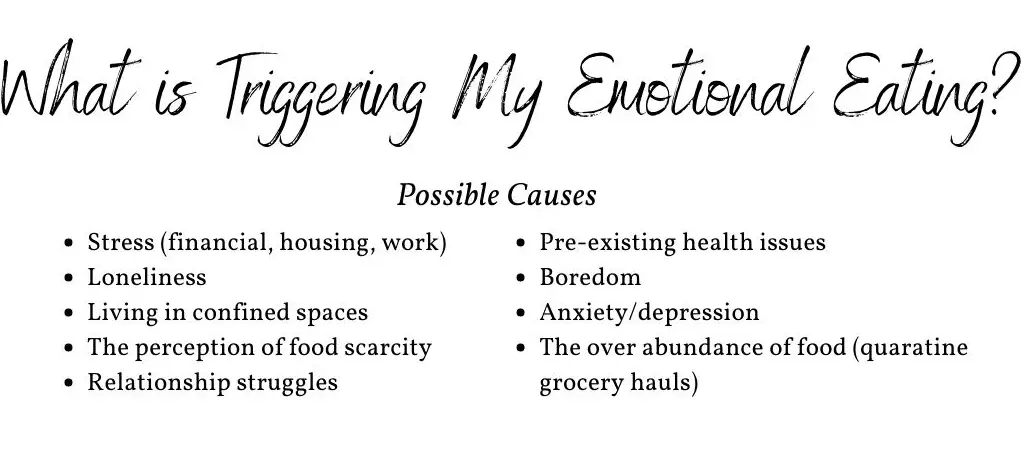
It’s easy to believe binge eating is just about food. But more often, it’s about feeling too much — or feeling nothing at all.
DBT helps uncover the emotional ecosystem beneath binge urges. Some common internal patterns include:
- Shame: “I’m broken. I can’t be trusted with food.”
- Perfectionism: “If I can’t eat ‘right,’ I might as well give up.”
- Loneliness: “Food is the only thing that’s always there.”
- Anger or resentment: “I don’t get to have what I need — except this.”
A young woman once shared in group therapy that she binged every Sunday night. Through DBT, she realized it was her body’s way of coping with the dread of returning to a job where she felt invisible. The binge wasn’t the problem — it was the signal.
When DBT helps people listen to these signals — without judgment — new choices become possible.
The Four Core DBT Skills That Heal Binge Eating
Let’s break down how DBT’s four pillars apply directly to the healing journey:
1. Mindfulness: Becoming Aware Without Judgment
Mindfulness helps you notice:
- Hunger and fullness cues
- Emotions before a binge
- Thoughts that spark shame
Try this: Next time you feel a binge urge, place your hand on your belly and say, “What’s here, really?” No fixing. Just noticing.
2. Distress Tolerance: Surviving the Moment
These skills are like an emotional first-aid kit:
- Holding ice
- Listening to calming music
- Going outside barefoot for grounding
It’s not about not feeling bad. It’s about having a way through it that doesn’t end in a binge.
3. Emotion Regulation: Naming and Soothing Feelings
Through DBT, you’ll learn:
- To track emotional patterns across your week
- To build rituals that regulate — sleep, movement, connection
- To respond instead of react
4. Interpersonal Effectiveness: Repairing Relational Wounds
You might discover:
- You’ve been bingeing after every hard conversation
- You don’t know how to ask for support — or say no
- You carry unspoken resentment in your body, and food becomes the buffer
These are the layers DBT addresses. With support, they can transform.
Need help making sense of your patterns?
Our Mindful Meal Journal helps track urges, emotions, and somatic cues gently and without shame.
DBT, the Nervous System, and the Freeze Response Behind Bingeing

Most people think binge eating is a “lack of willpower.” But often, it’s a nervous system response to overwhelm. When your body can’t fight or flee, it freezes — and food becomes a way to thaw.
DBT works because it helps regulate this freeze state:
- Grounding in mindfulness reduces dissociation
- Titrated exposure to distress allows the system to build tolerance
- Self-validation offers the co-regulation many never received growing up
Imagine your nervous system as a child. If it’s screaming, would you yell back? Or would you sit beside it, breathe with it, and say, “I’m here.”
This is the kind of healing DBT offers.
When Food Was the Only Way You Knew How to Survive
Many binge eaters began these patterns early in life — not because they were “out of control,” but because food was reliable in chaotic or invalidating environments.
Consider:
- A child ignored unless they were “good” — who learned to be invisible and eat in secret.
- A teen never taught how to feel emotions — only how to succeed or shut down.
- An adult juggling relentless responsibilities — for whom food became the only pause.
DBT acknowledges this truth: bingeing made sense when nothing else was available.
It doesn’t shame the past. It honors your resourcefulness — and helps you write a new story going forward.
Real-Life Transformation: What DBT-Based Recovery Looks Like

DBT isn’t a magic wand. It’s a daily, gritty, tender practice. And it works.
Meet Aisha (a composite story):
Aisha began DBT after years of private bingeing. She didn’t believe she deserved help — just thought she needed more discipline. Through DBT, she started identifying her binge cues. She learned to ask herself, “Am I angry? Am I tired? Do I need to cry?”
She used distress tolerance skills during hard afternoons. She practiced saying “no” in her relationships. Over time, her binge frequency dropped, but more importantly — she felt alive again.
Healing, for her, wasn’t about “never bingeing again.” It was about no longer being alone with it.
Getting Started with DBT for Binge Eating Recovery
You don’t have to be in crisis to start DBT. You just need to be ready for something different.
Here’s how to begin:
- Find a DBT-informed therapist in your area or online.
- Join a DBT skills group, even without full therapy.
- Try the Enlighten Eats course, which integrates DBT, nervous system healing, and spiritual recovery frameworks.
- Use the free Mindful Meal Journal app to explore your patterns safely.
Want structured support without pressure?
Learn more about the Enlighten Eats course and begin your healing from a place of insight, not force.
Conclusion: Healing Is a Relationship, Not a Rule

You don’t need to be fixed — because you’re not broken.
If binge eating has become part of your story, know this: it doesn’t define your worth. And it can change — gently, in time, with support.
Dialectical Behavior Therapy meets you where you are: overwhelmed, angry, afraid, numb — and helps you take the next small step. It doesn’t ask you to be perfect. It only asks that you stay open to your experience, and trust that you can grow.
If you’re wondering where to begin, start with curiosity.
Take our quiz. Explore your patterns.
And remember — healing is already happening every time you choose to care.