


If you’re here, you may be quietly wondering:
“I don’t starve myself. I don’t count every calorie. But something still feels wrong with the way I eat… so what does that mean?”
Maybe you eat until you’re numb, even when you’re not hungry. Maybe food has become your comfort and your punishment. Maybe you’ve searched for answers and come up empty, because so much of the conversation around eating disorders focuses on restriction — not overeating.
You’re not alone.
And you’re not broken.
There is a deeper story here — one that hasn’t been told loudly enough.
This article will gently explore what’s often called the “opposite of anorexia”: compulsive eating, binge eating, emotional eating. We’ll look beneath the behavior to the pain, the confusion, the protective wisdom that often drives these patterns. And most importantly, we’ll talk about healing.
What Does “Opposite of Anorexia” Really Mean?

At first glance, the idea seems simple: if anorexia is about not eating, then its opposite must be eating too much — right?
But food struggles are never just about food.
They live in our nervous systems, our histories, our unspoken grief.
And often, what looks like “overeating” is a response to the same root cause as anorexia: pain, shame, and a deep longing to feel safe.
Let’s be clear:
- Anorexia nervosa involves extreme restriction, fear of weight gain, and often a distorted body image.
- Its “opposite,” behaviorally speaking, may look like binge eating, emotional eating, or chaotic eating patterns.
But framing it as “opposite” can be misleading. These aren’t two different diseases.
They’re often mirror reflections of the same inner wound.
The real question isn’t “what’s the opposite?”
It’s: What is this way of eating trying to protect me from?
Binge Eating, Emotional Eating, and Food Addiction: What’s the Difference?
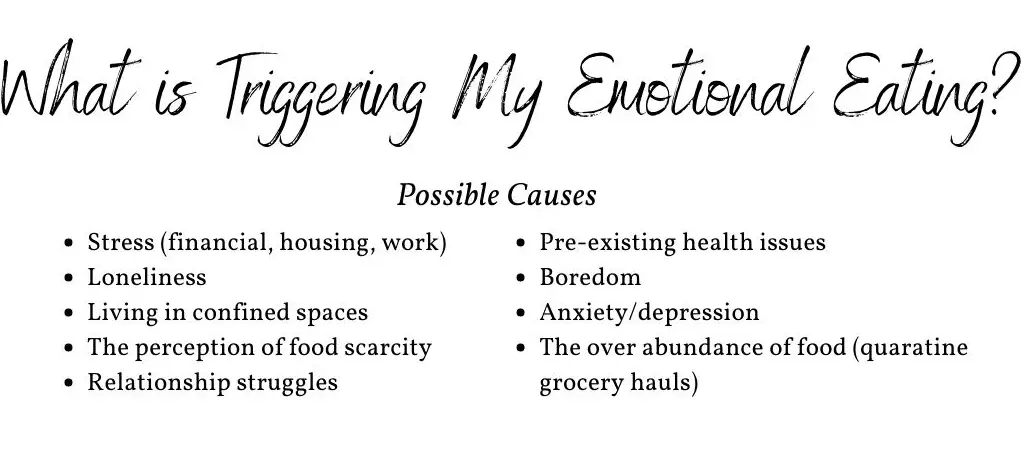
Let’s unpack three terms that often get used interchangeably — but feel very different to the people living inside them.
1. Binge Eating
This is a clinical diagnosis. According to the DSM-5, it involves:
- Eating an unusually large amount of food in a short time
- Feeling a loss of control
- Marked distress afterward
Binge Eating Disorder (BED) is the most common eating disorder in the U.S. — more than anorexia and bulimia combined (Udo & Grilo, 2018). Yet it’s the least talked about.
2. Emotional Eating
This means turning to food to soothe emotions — sadness, anxiety, loneliness. It’s not a disorder. It’s a coping strategy. And for many of us, it began in childhood, when food was the only safe comfort we were allowed.
3. Food Addiction
This is a controversial term. Some use it to describe compulsive eating patterns that feel like substance addiction. Others warn it reinforces shame. What matters more than the label is this: Does your relationship with food feel like it’s hurting more than helping?
How Overeating is Often Misunderstood and Missed
In a culture obsessed with thinness, restriction is often seen as “disciplined.”
But eating too much? That’s framed as weakness. Laziness. Lack of willpower.
This double standard creates a dangerous invisibility.
Someone with anorexia may be praised: “You look amazing!”
Someone binge eating may be blamed: “You should just eat healthier.”
But the truth?
Both are often doing their best to survive emotional dysregulation, shame, or trauma. The nervous system doesn’t differentiate between “good” and “bad” coping — it seeks safety, in any way it can.
And so, for many, food becomes that safety.
Especially for those who grew up in environments where emotions were ignored, needs were unmet, or boundaries were violated.
The result? The body learns to numb, soothe, or distract through food — not because it’s bad, but because it worked.
The Hidden Pain Behind Overeating

Let me tell you about Jessie.
She’s 38. A parent. A project manager. Kind, thoughtful, and exhausted.
Jessie doesn’t “look” like someone with an eating disorder. But every night, after the kids are in bed, she eats until she feels nothing. Not because she’s hungry. Because it’s the only time she isn’t taking care of someone else.
She wakes up bloated and ashamed. Tries to start fresh. Tells herself she just needs more discipline. But the cycle continues.
This is what most people miss: overeating isn’t about indulgence. It’s about escape.
Behind the eating, there’s often:
- Perfectionism and overachievement
- Suppressed anger or sadness
- Early experiences of emotional neglect
- A deep craving for rest and tenderness
These are not flaws. They are unmet needs.
Why Overeating Isn’t Just About Food
Food is the visible part of the pattern. But underneath?
There’s often:
- Nervous system shutdown or dysregulation (freeze, numbness)
- Loneliness — especially without co-regulation (safe emotional connection)
- Burnout from being everything to everyone
- Cultural messages that say: “You should be in control” or “Thin is better”
- Structural issues like food insecurity or diet-centric healthcare
In short: overeating is a perfectly reasonable response to overwhelming, unacknowledged stress.
It is not a failure.
It is a body trying to regulate what was never taught in words.
And until we feel safe, seen, and connected, healing can’t begin.
What Healing Really Looks Like: From Chaos to Connection
Recovery isn’t about control. It’s about connection.
True healing starts not with more rules, but with more compassion.
It asks: What are you really hungry for?
Here’s what that journey might look like:
- Awareness Without Shame
Naming patterns like binge eating or emotional eating without making them wrong - Nervous System Regulation
Learning to feel safe in the body, especially during emotional activation - Gentle Behavioral Shifts
Creating rhythms: consistent meals, mindful pauses, journaling without judgment - Emotional Processing & Support
Therapy, coaching, or group support to explore the roots beneath the behavior - Redefining Nourishment
Moving from control to curiosity: What actually feels nourishing today?
💡 If you want a gentle, holistic map of this journey — including the stages of recovery and the role of nervous system healing — check out our Enlighten Eats Course.
Gentle Support Options That Actually Help
When you’re struggling with eating, the world can feel loud, chaotic, and judgmental.
That’s why we created tools rooted in compassion, not control:
- Free Quiz: Understand your eating patterns with kindness.
- Mindful Eating Journal & App: Track your rhythms without shame. Gently reconnect with your body.
- Coaching: Personalized support that meets you where you are — no fixing, just guiding.
These are not quick fixes. They’re invitations into deeper understanding. You deserve that.
Conclusion: You’re Not Broken. You’re Becoming.

If overeating has been your secret shame, I want to say this clearly:
You are not alone. You are not broken. And this is not the end of your story.
The opposite of anorexia isn’t weakness.
It’s another form of coping, shaped by pain, longing, and the body’s deep wisdom.
You don’t need to fight yourself anymore.
You can learn to listen instead.