


You stand in front of the mirror, hoping today it will feel different.
Maybe the number has gone down. Maybe your reflection will finally offer a moment of peace. But instead, there’s a familiar sinking feeling. That ache in your chest, that wave of shame, that sense of never being enough.
So you turn to food.
Not because you’re weak. Not because you don’t care. But because food — even just for a moment — lets you breathe.
If this feels familiar, you’re not alone. Body image and binge eating are deeply intertwined, not because one causes the other in a straight line, but because both grow in the same soil: shame, confusion, longing, and the relentless pursuit of worthiness.
This article is here to guide you gently toward clarity, compassion, and next steps.
💡 Curious about your relationship with food and your body?
👉 Take our free quiz — it’s a gentle place to begin.
Why Body Image Matters in Binge Eating Recovery
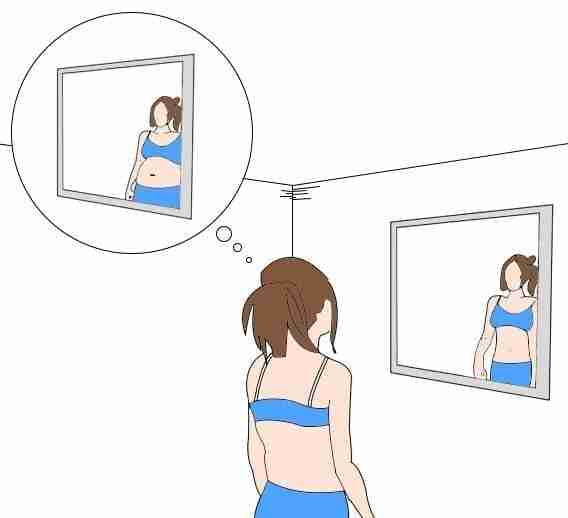
Most conversations around binge eating focus on food — what to eat, when to eat, how to stop.
But here’s the truth: for many people, the binge doesn’t begin with food. It begins with body shame.
You see a photo. You feel bloated. You step on the scale. Something inside you twists — and suddenly food becomes the way out, the way through, the way down.
Research Insight:
A 2018 study in the Journal of Eating Disorders found that body dissatisfaction is one of the strongest predictors of disordered eating behaviors, including binge eating (Schaefer & Thompson, 2018).
This isn’t about vanity. This is about safety.
When your body has been criticized, controlled, or violated — by others or yourself — it stops feeling like home. And when your body feels unsafe, food often becomes the only soothing mechanism you trust.
✨ Want to explore these roots in more depth?
Check out our Enlighten Eats Course — a journey of healing that goes beyond food.
What Binge Eating Is (And What It Isn’t)
Binge eating is not about “lack of control.” It’s not about greed or laziness or willpower.
It’s about coping.
Clinically, Binge Eating Disorder (BED) involves:
- Eating large quantities of food in a short period
- Feeling out of control during the episode
- Eating when not physically hungry
- Eating in secret, followed by shame and distress
But for many, the criteria don’t fully express the lived experience — the numbing, the self-hate, the pressure to “fix” a body that feels broken.
And here’s the kicker: the more we hate our bodies, the more we try to punish them into submission, which only intensifies the binge-restrict cycle.
“Every binge started after a moment of body disgust,” one client shared. “I just wanted to disappear.”
The Vicious Cycle of Shame, Restriction, and Rebellion

Let’s break it down:
- Body Shame: You feel disgusted, anxious, or critical of your body.
- Restriction: You vow to “eat clean,” skip meals, or diet strictly.
- Biological & Emotional Depletion: Your body and brain feel deprived — physically and emotionally.
- The Binge: Food becomes irresistible. It’s not indulgence — it’s urgency.
- The Crash: You feel ashamed again. The cycle begins anew.
This is not a flaw. It’s a pattern, shaped by nervous system dysregulation and years of internalized pressure.
When your body is under threat — from self-hate, from media, from trauma — it does what all bodies do: it fights to survive.
Binge eating is a survival strategy.
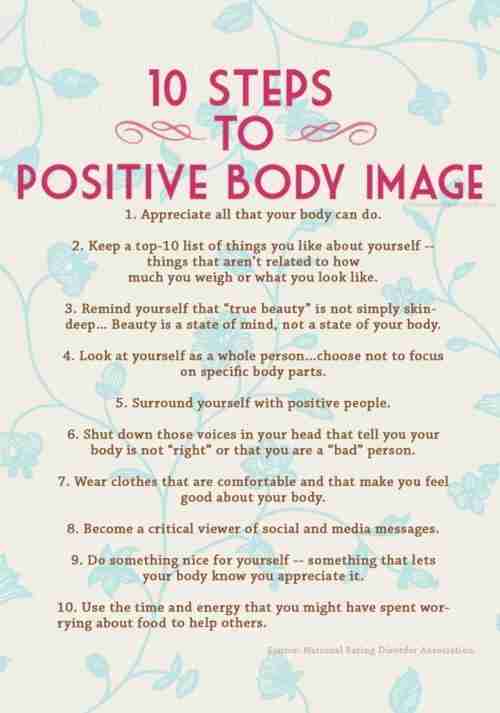
Healing Body Image: It’s Not About “Loving Your Body” Overnight
You don’t have to love your body to stop hating it.
That’s where healing begins — not with body love, but with body neutrality. With respect, not worship. With small moments of connection, not constant critique.
Gentle Ways to Heal Body Image:
- Shift the Language: Replace “I look disgusting” with “I’m having a hard body image day.”
- Diversify Your Feed: Follow accounts that show bodies of all shapes living full, joyful lives.
- Practice Embodiment: Not for exercise or weight loss — but to reconnect. Try walking barefoot, stretching, feeling into your body.
- Limit Mirror Checks: You are not your reflection.
🎯 Pro Tip: Use our Mindful Meal Journal App to track not just meals, but also body image thoughts — without judgment.
Nervous System and Body Image: Why You Might Feel Unsafe in Your Skin
It’s not just in your head. It’s in your nervous system.
When we feel overwhelmed — emotionally or physically — the body often goes into fight, flight, freeze, or fawn. For many, body image distress triggers a freeze response: numbness, despair, and the urge to disconnect.
Food becomes the tether. The way back. The only way to feel something.
Healing binge eating means creating internal safety again — not by controlling food or fixing your body, but by slowly learning to be in your body.
“For years I was at war with my body,” said one client. “Now I’m learning to listen instead.”
Recovery Is a Spiral, Not a Straight Line
Some days you’ll feel peace in your skin. Other days the old voices come back loud.
This is normal.
Recovery is not linear. It doesn’t happen by forcing yourself into body positivity. It happens by returning — again and again — to curiosity over control. Compassion over critique.
You are not behind. You are exactly where you need to be.
🧠 Want help navigating the complexity of recovery?
Explore our 1-on-1 Coaching — we’ll meet you right where you are.
Conclusion: You Are Not Your Reflection

You are not your weight.
You are not your worst body image day.
You are not broken because food feels hard.
Your body is not the enemy. It’s the place your story lives.
And it deserves tenderness — especially from you.
💡 Ready to take the first step?
👉 Take our free quiz and begin gently untangling the patterns that have held you captive.
Healing your body image is not a destination. It’s a homecoming.
And you don’t have to walk it alone.