

Have you ever found yourself salivating at the thought of a steaming bowl of ramen, wondering why the craving feels so intense and uncontrollable? The rich, savory aroma of the broth, mingling with the nutty scent of toasted sesame or the salty tang of soy sauce, seems to wrap around you like a warm hug.
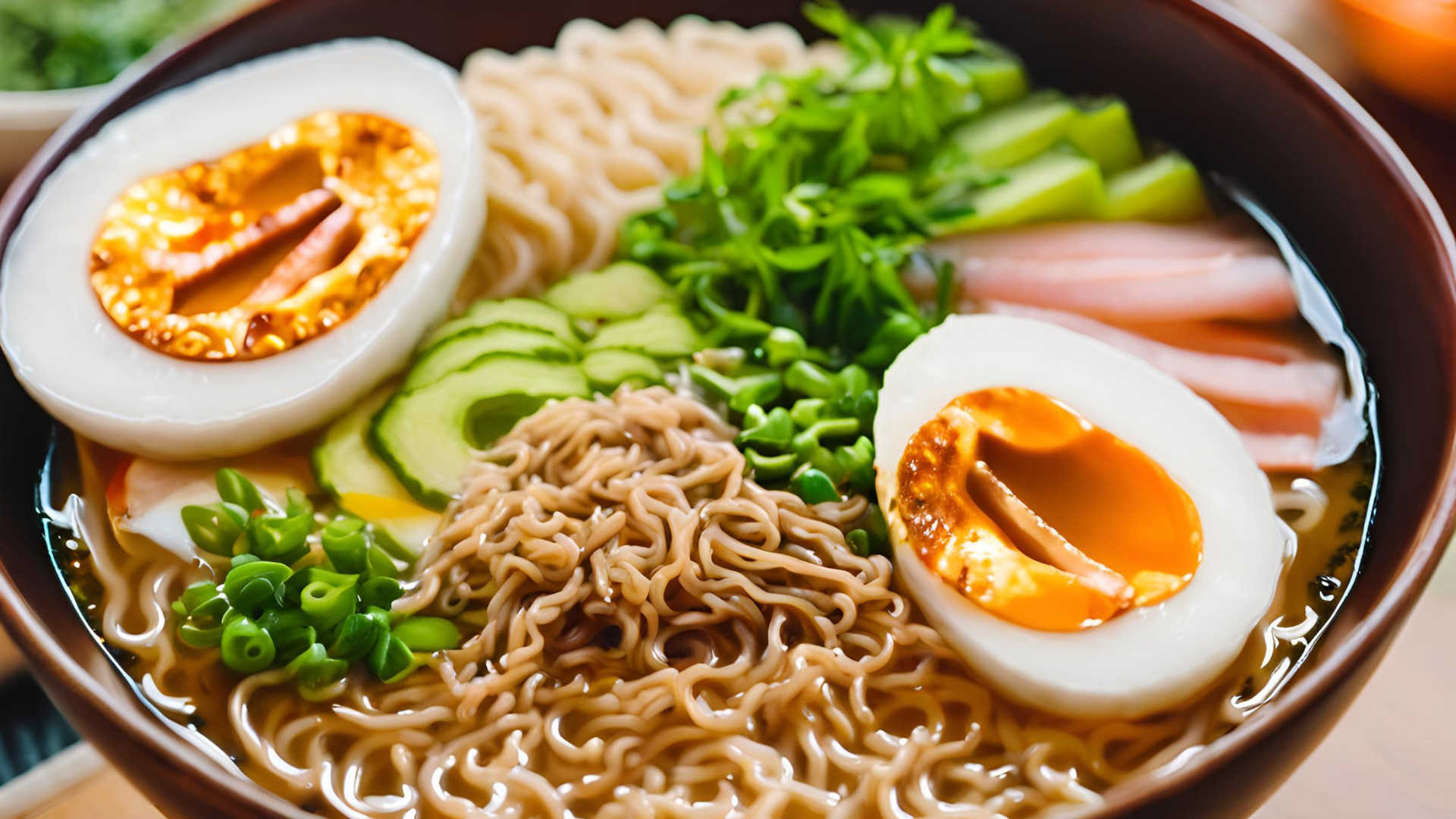
The glossy, perfectly chewy noodles beckon you to take just one bite, while the soft-boiled egg, tender pork slices, and a scattering of green onions create a symphony of flavor and texture you can almost taste just by thinking about it.
It’s late at night, and as the world around you quiets, ramen persists—calling your name louder than anything else.
Ramen cravings are unique. They carry their weight, often tugging at more than just your stomach. Sometimes, these cravings feel rooted in nostalgia or comfort, prompting memories of cold winter evenings warmed by a bowl of broth or college nights when instant ramen was a quick fix for hunger and homesickness.
Other times, it feels entirely physical, as if your body demands something specific from that beautifully salty, savory dish. One thing’s for sure, though—ramen cravings aren’t random. They arise from a mix of what’s happening inside your body, heart, and perhaps even your cultural or personal history.
But why ramen? Of all the foods out there, what is it about this humble yet soul-satisfying dish that makes it so uncontrollably tempting? Through this post, we’ll uncover seven possible reasons behind these irresistible ramen cravings.
Together, we’ll dive into how journaling can help you untangle the messages your body and mind might be sending, whether rooted in nutritional needs, emotional connections, or something deeper you’ve yet to explore.
Consider this your step into a fascinating world where your cravings become clues, leading you to understand yourself better. Grab your notebook—it’s time to unravel the mystery of ramen.
#1. Sodium and Electrolyte Imbalance

Ramen is known for its high sodium content, and your craving could be your body’s way of asking for salt to restore electrolyte balance. This is especially likely if you’ve been sweating due to exercise, a long day at work, or warmer weather. Sodium helps your body regulate hydration levels and maintain proper muscle and nerve function. This craving might remind you that your body needs replenishment—but before you reach for packaged ramen, pause.
Try journaling for clarity. Ask yourself, “Have I been hydrating enough? Was I very active today?” Write about your physical sensations, like fatigue, headaches, or even muscle tightness, to better understand what your body is experiencing. You might find balance through electrolyte-rich foods like bananas, nuts, or coconut water. If ramen is still on your mind, consider making it at home with low-sodium broth and added vegetables for balance.
#2. Comfort of Warmth and Texture
There’s something magical about how a warm, savory broth paired with slightly chewy noodles can feel so comforting. Ramen is a sensory delight—it soothes you through taste and how it warms you from the inside out. Cravings for ramen are often tied to times of stress, sadness, or a desire for emotional warmth. This craving might be about more than food; it could be a need for comfort.
Take a moment to journal about your emotions. Ask yourself, “Do I feel I need to be comforted right now? Is this craving filling an emotional void?” Reflect on whether ramen reminds you of a particular memory—a cozy evening at home or the care of someone you love. Whether or not you choose to have ramen, treat yourself kindly. Perhaps opt for a warming dish like vegetable soup, or enjoy a hot tea while wrapping yourself in a blanket.
#3. Carb Cravings and Quick Energy

Being rich in carbohydrates, noodles are a brilliant source of quick energy—an instant pick-me-up for when your body feels depleted. If your energy has been lagging or you’ve been skipping meals, your brain might automatically seek out ramen, one of the fastest ways to refuel. This craving often signals nutritional neglect earlier in the day.
Reflect on your meal patterns in your journal. Did you eat balanced meals today, or have you been running on empty? Note how your energy levels shift throughout the day and pinpoint when this craving strikes. Next time, create meals with complex carbs, healthy fats, and proteins to sustain energy. And if you make ramen, add some nutrition by including dark leafy greens and grilled chicken or tofu.
#4. Umami Craving
Ever wonder why ramen tastes so satisfyingly savory? It’s all about umami—that rich, deep flavor found in ingredients like soy sauce, miso, or bone broth. If you’re craving ramen, your taste buds might seek that intense flavor. Umami cravings often arise when we’re bored by the other foods in our diet, and our palate wants something exciting.
To indulge your craving in a nourishing way, mix it up with other umami-rich but healthy options. Mushrooms, sun-dried tomatoes, seaweed, and fermented foods like kimchi are great substitutes or additions to your dishes. Journaling can also help you uncover your flavor preferences. Ask, “What flavors have I enjoyed recently, and how do they make me feel?” Ramen or no ramen, bring some mindful variety into your meals.
#5. Stress and Emotional Eating

Comfort foods like ramen often become a go-to when life overwhelms because they temporarily relieve stress. Slurping hot noodles might feel like a small moment of control during chaos or give you something delightful to focus on amidst your worries. However, while ramen can feel like an emotional balm at the moment, it doesn’t address the root of your stress.
Use your journal to pause and identify your stressors. What challenges are you facing today? Can you find alternative ways to soothe yourself, like taking a relaxing shower, meditating, or stretching? If ramen feels like what you need, consider upgrading it with fresh veggies and protein to give your body strength while you care for your mind.
#6. Nutritional Deficiency (Lack of Protein or Other Key Nutrients

While packaged ramen is quick and tasty, it lacks nutritional depth. Yet sometimes, your craving for ramen might be about a real need—your body could be pointing you toward the promise of a filling dish while asking for proteins or healthy fats. These deficiencies can leave you feeling foggy, moody, or constantly hungry.
Think back over your meals today in your journal. Have you eaten various foods or grabbed convenience items without enough substance? If your body needs more nutrients, level up your ramen by soft-boiling an egg, mixing in sautéed tofu or chicken, and topping it off with a handful of spinach or corn. This way, you meet your nutritional needs while satisfying your craving.
#7. Cultural Connection and Nostalgia
Sometimes, a ramen craving may have little to do with hunger and everything to do with the heart. Ramen is steeped in culture and personal memory, whether it reminds you of time spent immersing yourself in Japanese cuisine or late-night college days when it saved you from hunger. Nostalgia and a cultural connection to food are potent motivators, making cravings deeply sentimental.
Ask yourself, “What emotions or memories does ramen bring up for me?” Spend some time journaling about how this dish connects you to your past. You don’t need to feel guilty for leaning into a craving—honor it as part of your story. If you’re still craving ramen, enjoy it mindfully. Acknowledge the emotions it brings, and think of other ways to reconnect with cherished memories, like sharing a meal with friends or exploring a new culinary tradition.
By addressing your ramen craving with curiosity and care, you’re not just satisfying your hunger—you’re unveiling insights about your body, emotions, and experiences. Navigate this craving with gentleness, recognizing it as a window into your needs. Whether you end up with a bowl of ramen or another nourishing choice, you’ve taken a meaningful step toward understanding yourself on a deeper level.
Managing Ramen Cravings with the Eating Enlightenment Approach

Many people are familiar with the experience of craving a warm, savory bowl of ramen. Yet these cravings can reveal more profound insights into one’s physical, emotional, and psychological needs. The Eating Enlightenment approach probes the core of one’s cravings—not to deny them but to understand them. Through mindful journaling and intentional reflection, one can foster a healthier relationship with food while satisfying both body and mind.
Step 1 – Start with Journaling Nutrition
Ramen cravings often stem from unmet nutritional needs. Your body may signal for missing elements like protein, healthy fats, or complex carbs. Skipping meals or eating unbalanced snacks, like sugary treats or plain crackers, can amplify these cravings later in the day.
Start a daily nutrition journal, listing what you eat, when, and how full you feel. If certain meals leave you hungry or unsatisfied, explore adjustments. Adding proteins like chicken or eggs and healthy fats like avocado to carb-heavy meals ensures you feel nourished longer. This helps stabilize your body’s energy and may reduce those urgent late-night ramen cravings.
Step 2 – Mindfulness of Emotional Triggers
Ramen cravings often go beyond physical hunger—they’re emotionally charged. Stress, loneliness, or fatigue can make you reach for comfort foods like ramen that feel instantly soothing and satisfying. But does the craving stem more from unmet feelings than an empty stomach?
When the urge hits, pause to journal your emotions. What events or thoughts arose just before the craving? Perhaps an intense workday left you drained, or feelings of isolation surfaced. Once uncovered, these patterns can guide healthier, soothing approaches. Try gentle stretching, a walk, or a warm bath that nurtures your emotional state. If you eat ramen, savor it with mindfulness to enjoy its taste and comfort.
Step 3 – Exploring Inner Parts and Voicing Needs
Cravings can also highlight unmet emotional needs or past experiences tied to food. Perhaps ramen represents comfort during loneliness or rebellion against food restrictions. These “inner voices” often drive eating patterns without our realizing it.
Journaling helps bring these influences into focus. Ask yourself, “What do these cravings reveal about me? Are they echoing past emotions or unmet needs?” Viewing cravings as messages rather than judgments creates pathways to self-compassion.
For example, noticing a critical “self-control” voice allows you to replace it with one of kindness and understanding. This shift transforms cravings into growth opportunities rather than battles of willpower.
Tying It All Together
Managing ramen cravings isn’t about quick fixes—it’s about engaging with them thoughtfully. Journaling your eating habits, emotions, and inner narratives can help you better understand your needs. The Eating Enlightenment approach reframes cravings, letting them guide you toward holistic care and balance.
The next time ramen calls your name, reflect and listen to what your body and mind genuinely want. Whether you choose an alternative or a fragrant bowl of ramen, savor the process with mindfulness, knowing you are taking meaningful steps toward self-care in every sense.
Craving Insights and Next Steps

Craving ramen isn’t just about hunger—it holds clues about your body, mind, and emotions. Whether it’s a call for more balanced nutrition, a response to stress, or a nostalgic connection, your craving invites you to dig deeper. Throughout this post, we’ve explored seven reasons you might find ramen so irresistibly tempting, from sodium imbalances to emotional comfort and cultural moments. Understanding the “why” behind your craving can transform it from a fleeting indulgence into an opportunity for greater self-awareness and nutritional care.
Take a moment to reflect on your cravings. Are they revealing gaps in your diet, like the need for protein or healthy fats in your meals? Or do they hint at something emotional—a source of stress or need for comfort bubbling under the surface? Understanding your cravings through journaling can help you forge a balanced, nourishing relationship with food.
Takeaway Tips:
- Recognize your ramen craving as an opportunity—not a problem to suppress.
- Use journaling to identify patterns in your eating habits, one small insight at a time.
- Reinvent ramen by adding fresh veggies, lean proteins, or a soft-boiled egg to elevate its nutritional value.
And above all, be kind to yourself. Cravings are natural—they show you’re learning to listen to your physical and emotional needs. With curiosity and compassion, these moments can pave the way toward freedom and alignment in your food choices.
What’s Next?
Take control of your cravings and eating habits by starting a journaling practice today. Download the free Eating Enlightenment Journal App to easily track your meals, emotions, and triggers. The app helps you connect the dots between your cravings and your life, empowering you with the insights you need for accurate, lasting change.
Cravings don’t define you—they’re just a part of your unique story. Start exploring yours today, one mindful step at a time!