

Imagine sitting at your favorite restaurant, and the aroma of freshly baked bread wafts through the air. Your mouth waters, and suddenly, you crave a warm, crusty slice, perhaps with a smattering of butter.
But why exactly do we crave bread, pasta, and other carbohydrate-rich foods?
Carbohydrates are among the most sought-after foods in our diet. They provide quick energy and comfort. However, the term “carbs” often carries a negative connotation.
Many people associate them with weight gain and unhealthy eating habits. This blog post aims to unravel the mystery behind our love for carbohydrates and offer a balanced perspective on these staple foods.
We’ll explore the science behind cravings, differentiate types of carbs, and share tips for managing cravings while maintaining a healthy diet.
The Science Behind the Craving

Carbohydrate cravings aren’t just a figment of our imagination or a lack of willpower. There’s science behind why we reach for that extra slice of bread or another helping of pasta. One of the key players in this process is serotonin, a neurotransmitter that affects mood and well-being. Carbohydrates can boost serotonin levels, making us feel happier, more relaxed, and less anxious. This link is often why we use carbs during stressful times or when seeking comfort.
On a biological level, our bodies naturally seek out carbohydrates because they are a primary energy source. Carbs are broken down into glucose, which fuels our brain and muscles. This biological drive, combined with psychological factors like stress or mood, creates a potent combination that makes us yearn for carbs.
Additionally, the brain associates certain foods with positive memories or experiences, which can trigger cravings. For instance, you might associate the smell of fresh bread with family gatherings, reinforcing your desire for it. Our environment and habits significantly shape these cravings, making them even harder to resist.
Types of Carbohydrates
Not all carbohydrates are created equal. Understanding the difference between simple and complex carbs can help us make healthier choices. Simple carbohydrates consist of one or two sugar molecules quickly absorbed into the bloodstream. This quick absorption can lead to rapid blood sugar spikes, resulting in later energy crashes. Examples include sugary snacks, white bread, and pastries.
On the other hand, complex carbohydrates contain longer chains of sugar molecules, which take longer to break down. This slower digestion provides a steady release of energy, keeping us fuller for longer. Examples of complex carbs include whole grains, legumes, and vegetables. These foods are rich in fiber, vitamins, and minerals, offering more nutritional value than their superficial counterparts.
Understanding these differences empowers us to make better food choices. Choosing complex carbs over simple ones can satisfy our cravings without compromising our health goals.
Health Benefits of Carbs
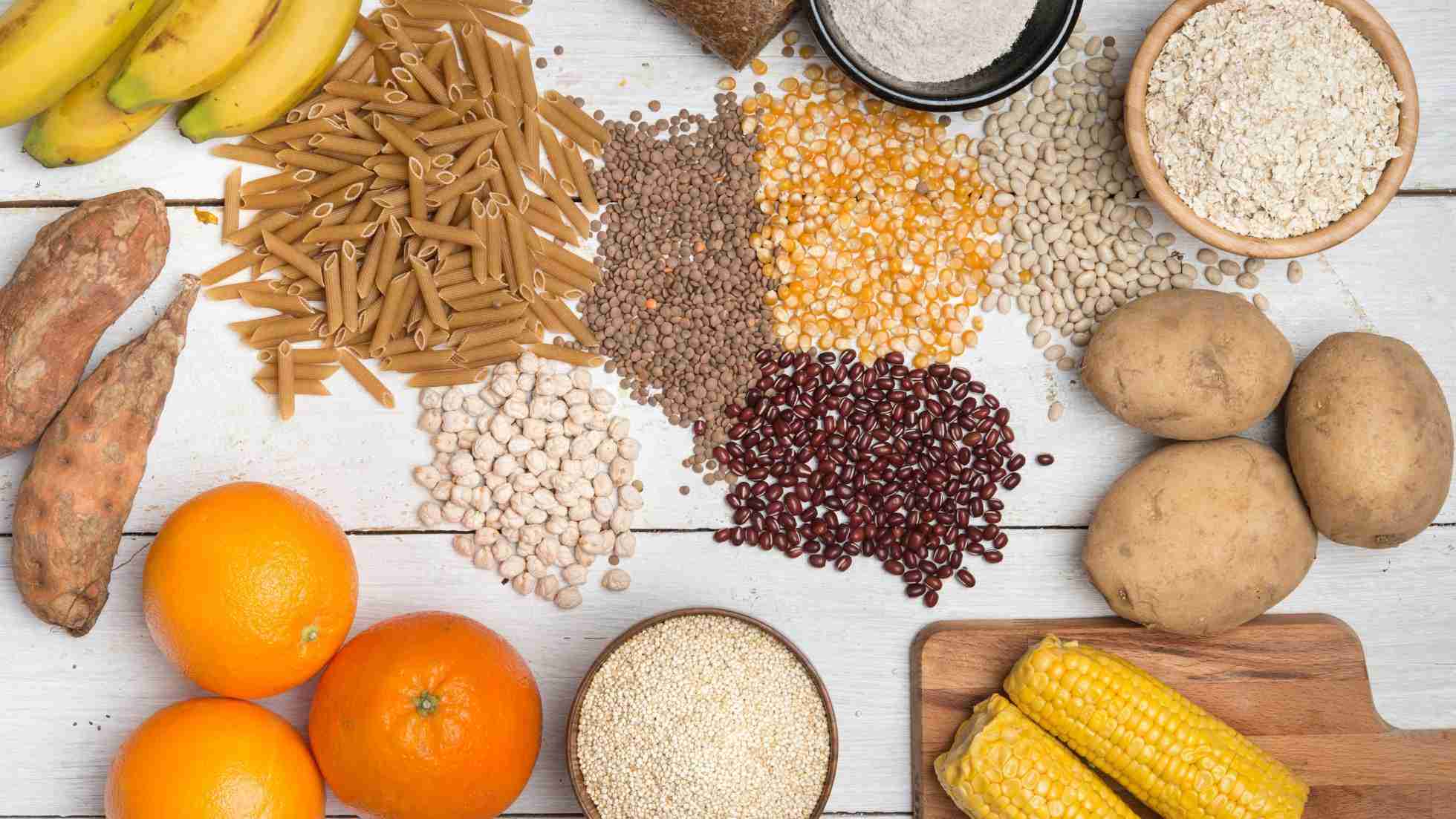
Carbohydrates are often misunderstood, but they are essential to our diet. First and foremost, they are a vital source of energy. Our bodies convert carbs into glucose, which fuels daily activities, from walking to thinking to exercising.
Furthermore, carbohydrates are crucial for brain function. The brain relies heavily on glucose for energy, and insufficient carbohydrate intake can lead to mental fatigue and difficulty concentrating. Athletes and fitness enthusiasts also benefit from carbs as they fuel endurance exercises and workouts.
When consumed wisely, carbohydrates can enhance well-being and support an active lifestyle. It’s about choosing the right carbs with long-lasting energy and nourishment.
The Carb Dilemma
Despite the benefits, carbohydrates have earned a bad reputation. Many believe they cause weight gain, but the reality is more nuanced. The issue often lies in portion sizes and the types of carbs consumed rather than carbs themselves. Overeating calorie-dense foods or opting for refined carbs can lead to weight issues.
Portion control is critical. Eating mindfully and paying attention to serving sizes can help prevent overeating. Additionally, choosing whole grains over refined options can make a big difference. Entire grains retain more nutrients and fiber, keeping us satisfied and less likely to indulge in unhealthy snacks.
By understanding the true nature of carbs and practicing moderation, we can enjoy them without guilt. It’s about balancing indulging in our favorites and nourishing our bodies with wholesome choices.
Dealing with Carb Cravings
Managing carb cravings doesn’t mean eliminating them. Instead, it’s about finding healthier ways to satisfy those urges. Here are some practical tips:
- Incorporate Whole Grains: Opt for whole-grain bread, pasta, and rice. They provide more fiber and nutrients, keeping you fuller for longer.
- Pair with Protein: Combine carbs with protein-rich foods like chicken, tofu, or eggs. This combination helps stabilize blood sugar levels and curbs cravings.
- Explore Alternatives: Try swapping traditional pasta with zucchini noodles or spaghetti squash. They offer similar textures with fewer calories.
Remember, it’s okay to enjoy your favorite carbs in moderation. We can maintain a healthy relationship with food by being mindful of our choices and listening to our body’s signals.
What does it mean when you crave bread and carbs?
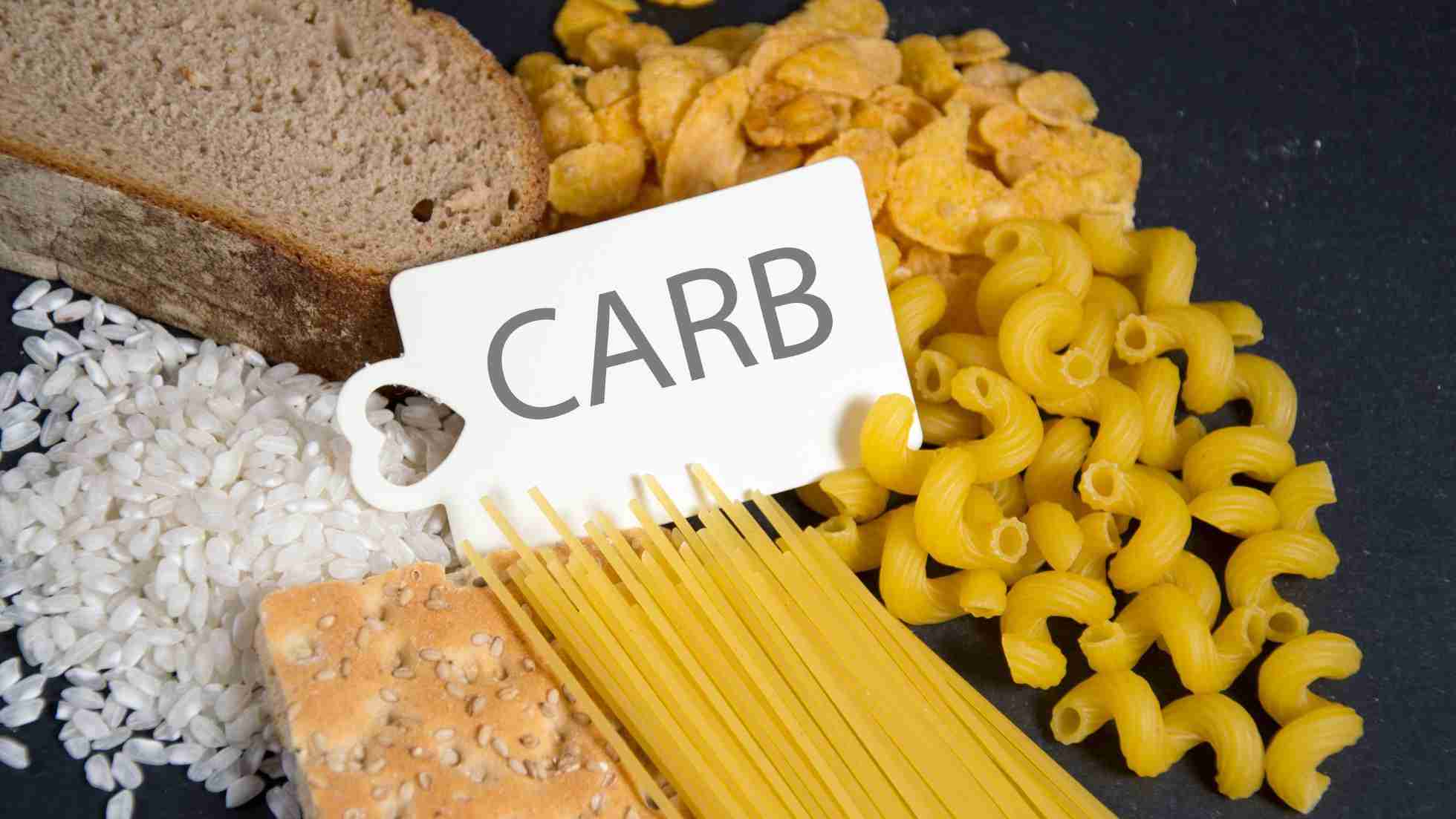
Craving bread and carbs is a shared experience; understanding its reasons can offer insights into your body’s needs and emotional state. Physiologically, carbohydrates are essential as they are the body’s primary energy source. When consumed, they break down into glucose, which fuels your cells, muscles, and brain. Our bodies have naturally evolved to seek out this immediate energy boost, especially during times of increased physical demand.
Beyond energy, carbohydrates play a role in the production of serotonin, a neurotransmitter that promotes feelings of well-being and happiness. This link can explain why you might reach for carb-rich foods like bread during stressful times—they can provide a comforting sense of emotional uplift.
Psychologically, these cravings are often connected to emotions. Bread and pasta, for example, are typically associated with comfort and nostalgia, reminding us of family gatherings or cherished traditions. In moments of stress or sadness, turning to these foods can feel like a nurturing act of self-care, offering solace and familiarity.
Culturally, the environment you grew up in influences your food preferences. Many cultures incorporate carbohydrate-rich staples in their diets, reinforcing their role as comfort foods. Also, habitual eating patterns can drive cravings; many unconsciously reach for carbs out of routine.
What are you deficient in when you crave pasta?
Craving pasta can sometimes signal from your body that it lacks certain nutrients or energy sources. One of the primary reasons for a pasta craving might be a carbohydrate deficiency, which is crucial for providing your body with energy. When your carbohydrate levels are low, your body may prompt you to seek out foods like pasta that can offer a quick power source in the form of glucose.
Beyond carbohydrates, cravings for pasta might also relate to deficiencies in specific vitamins and minerals that pasta can help deliver, significantly if it’s enriched or served with nutrient-rich sauces and toppings. For example, you might lack B vitamins essential for energy production and brain function. Whole-grain pasta can also provide fiber, which helps with digestion and maintaining stable energy levels.
Additionally, pasta cravings may be linked to low serotonin levels, as carbohydrates can influence serotonin production. This neurotransmitter is associated with mood regulation, and a deficiency might lead you to crave carb-rich foods like pasta to help boost your mood and provide comfort.
It’s also possible that your body is seeking pasta’s comfort and satisfaction, especially during stress or emotional imbalance. This comfort factor can make pasta an appealing choice when your body is looking for a quick and soothing source of energy and warmth.
Understanding these potential deficiencies and emotional cues can guide you toward making balanced dietary choices that satisfy both your physical needs and emotional well-being. If cravings persist, consulting with a healthcare professional to explore any underlying nutritional gaps may be helpful.
What deficiency causes bread cravings?
- Carbohydrate Deficiency: Bread is a rich source of carbohydrates, essential for energy production. A craving for bread might indicate that your body is low on carbohydrates, signaling the need for quick energy replenishment.
- B Vitamin Deficiency: Bread, especially whole grain varieties, can be a source of B vitamins like thiamine and niacin, essential for energy metabolism and neurological functions. A deficiency in these vitamins might trigger a craving for bread.
- Mineral Deficiencies: Minerals such as magnesium and iron are crucial for various bodily functions, including energy levels and mood regulation. Bread fortified with these minerals can help meet these nutritional needs, and craving may suggest a shortfall.
- Serotonin Levels: Bread’s carbohydrates can influence serotonin production, a neurotransmitter that affects mood. Low serotonin levels might lead to cravings for bread, which can boost mood and emotional well-being.
- Comfort and Emotional Needs: Bread is often associated with comfort and nostalgia. Cravings can arise from physical and emotional needs, as bread provides a sense of warmth and satisfaction during stressful times.
- Routine or Habit: Sometimes, cravings aren’t about deficiencies but rather habits. If bread is a regular part of your diet, your body might crave it as a familiar source of energy and comfort.
Conclusion
Carbohydrates, often misunderstood and maligned, are integral to our diet. They offer numerous benefits when consumed mindfully, from energizing our bodies to supporting brain function. By understanding the science behind cravings and making informed choices, we can enjoy bread, pasta, and other carbs without guilt.
As you continue your health-conscious journey, remember that balance is critical. Please share your strategies for managing carb cravings in the comments below, and let’s create a supportive community of food lovers who cherish both health and flavor.