


You sit there again — full, maybe in pain — wondering how it happened.
Again.
The bag of chips, the leftover cake, the cold pasta straight from the fridge. You told yourself you wouldn’t. But something deep inside took over. And now there’s that heavy mix of shame, regret, and confusion.
If this feels familiar, you are not alone.
Binge eating is not just about food. It’s a story — often untold — about safety, survival, and unmet needs. And one of the gentlest ways to begin understanding that story is through journaling.
Not to analyze. Not to fix. But to witness. To listen.
In this guide, we’ll explore 15 compassionate, trauma-informed journal prompts to help you deepen self-awareness, identify emotional triggers, and reconnect with your body and inner world.
✨ Curious about your food patterns?
👉 Take our free quiz — a gentle first step toward understanding and healing.
Why Journaling Supports Binge Eating Recovery

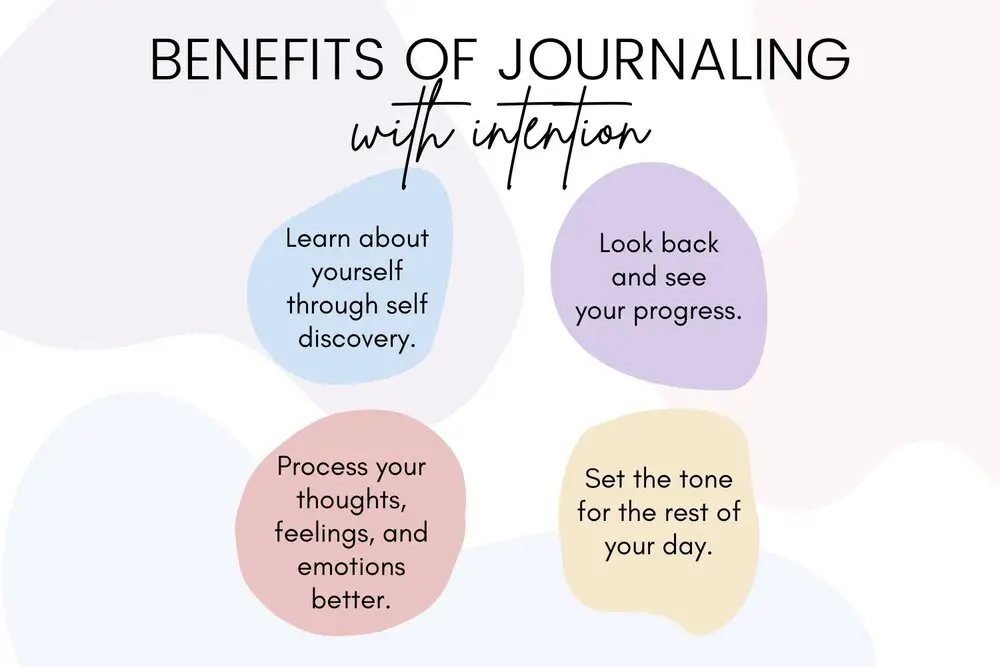
Journaling is more than writing. It’s an act of witnessing — without judgment.
When we write down our thoughts and feelings, we move them from the swirling chaos of the mind into something tangible and external. This simple act creates space between us and our shame.
Research backs this up. A study published in Advances in Eating Disorders found that expressive writing can reduce disordered eating symptoms and increase self-compassion (Frayne & Wade, 2006).
Journaling helps because:
- It slows down reactive thoughts
- It uncovers emotional patterns
- It builds a relationship with your inner world
- It offers a safe place to process urges without acting on them
And perhaps most importantly: it reminds you that you are not your behaviors.
15 Binge Eating Journal Prompts for Healing and Awareness

These prompts are designed to meet you where you are — whether you’re in the aftermath of a binge, anticipating a binge, or simply trying to better understand your eating behaviors.
Use them daily, weekly, or in the moments when you feel most overwhelmed.
Prompt 1: What emotion am I avoiding or soothing when I feel the urge to binge?
Beneath every binge is often a feeling we don’t feel safe to feel. Anger. Loneliness. Boredom. Shame. Journaling gives that emotion a place to land.
Prompt 2: What do I truly need right now — emotionally, physically, relationally?
Food might feel like the answer. But what’s the actual question? Safety? Rest? Love?
Prompt 3: How does my body feel before, during, and after a binge?
Notice without judging. Does your chest tighten? Does your breathing change? This builds somatic awareness — essential for nervous system healing.
Prompt 4: What rules about food or my body am I trying to follow right now?
Diet culture often hides inside our heads. Naming those voices can begin to soften their grip.
Prompt 5: What beliefs do I hold about myself when I binge?
Am I unlovable? Weak? Out of control? Let those beliefs speak — so you can begin to question them.
Prompt 6: What would I say to a friend who felt like I do right now?
Self-compassion is often more accessible through imagining others.
Prompt 7: What did I learn about food growing up?
This prompt uncovers your food story — where safety, restriction, celebration, or control were modeled.
“Food was the only way I got attention,” one client once shared. “It still feels like that.”
Prompt 8: What does my body remember that my mind forgets?
This prompt invites you to explore body memories — those wordless sensations that surface around food.
Prompt 9: How do I talk to my body when I’m feeling uncomfortable?
Would you speak to a child like that? If not, what else might be possible?
📓 Want help tracking these thoughts with care?
Try our Mindful Meal Journal App — a compassionate tool with no calorie counting.
Prompt 10: What patterns do I notice around when I binge? Time of day? Triggers?
Building awareness can feel like putting together puzzle pieces — gently, at your own pace.
Prompt 11: What would it feel like to eat without guilt?
Let your imagination show you a different path.
Prompt 12: What does “control” mean to me — and what does it cost?
Sometimes we use food to feel in control. But often, it’s the illusion of safety that keeps us stuck.
Prompt 13: What am I truly hungry for — in life, not just on my plate?
Connection? Rest? Expression? Belonging?
✨ Dive deeper: Explore the Enlighten Eats Course — a compassionate deep-dive into the root causes of binge eating.
Prompt 14: How does my environment support or stress me around food?
Think: smells, sounds, people, conversations, spaces. Our nervous systems are shaped by context.
Prompt 15: What does recovery mean to me today?
Not forever. Not in theory. Just today.
Integrating Journaling Into Your Recovery Practice
Journaling is not a magic fix. It’s a mirror.
Sometimes what you write will feel raw or tender. That’s okay.
To make the most of journaling:
- Write by hand, if you can. It slows down the mind.
- Choose a quiet space where you feel emotionally safe.
- Set a timer (5–15 minutes) to reduce overwhelm.
- Don’t force insight. Just be with what’s there.
Nervous System Integration: Writing As a Regulating Practice
When we’re in binge mode, we’re often in a dysregulated nervous system state — shut down, disconnected, or frantically seeking relief.
Journaling can act as a bridge — back to presence, sensation, and co-regulation. Especially when paired with:
- Deep belly breathing while you write
- Gentle music
- Wrapping in a soft blanket
- Pausing to place your hand on your chest or belly
You don’t have to go it alone. Writing can be a form of self-companionship.
Conclusion: Let Your Story Be Seen

Binge eating isn’t just about food. It’s about story. Safety. Longing. Old wounds and wise adaptations.
Journaling gives you the chance to become curious, not controlling. To listen rather than judge. To witness, rather than fix.
Let these prompts guide you — not toward perfection, but toward presence.
💡 Want a soft, structured way to begin?
👉 Take our free quiz
Or try the Mindful Meal Journal App and begin reconnecting with yourself — one honest word at a time.
You are not broken. You are healing. And your story deserves to be heard.