


If you’ve wondered whether tanning beds can help you get your daily dose of Vitamin D, you’re not alone. Vitamin D is crucial for our health, playing a significant role in bone health, immune function, and mood regulation.
With its importance, many seek ways to ensure they get enough of this essential nutrient. A common belief is that tanning beds might serve as a good source of Vitamin D. But is there any truth to this claim?
This post will explore the myths and facts about tanning beds and Vitamin D.
What is Vitamin D?
Vitamin D is a fat-soluble vitamin that acts more like a hormone in the body. It’s vital for calcium absorption, promoting bone growth, and maintaining bone density. It also supports the immune system, brain, and nervous system. A deficiency in Vitamin D can lead to various health issues, including osteoporosis, rickets, and increased susceptibility to infections.
How is Vitamin D produced in the body?
Vitamin D production begins when the skin is exposed to UVB rays from the sun. These rays convert a cholesterol derivative in the skin into Vitamin D3. This compound then travels to the liver and kidneys, transforming it into active Vitamin D that the body can use.
Sources of Vitamin D
Vitamin D can be obtained from several sources. Sunlight is the most natural source, but it’s also found in certain foods and supplements. Fatty fish like salmon and mackerel, fortified dairy products, and egg yolks are excellent dietary sources. Vitamin D supplements are also available for those who struggle to get enough from their diet and sun exposure.
How UVB rays from the sun help produce Vitamin D
When your skin is exposed to UVB rays from the sun, a chemical reaction occurs, converting 7-dehydrocholesterol to Vitamin D3 (cholecalciferol). This form of Vitamin D then undergoes further conversion in the liver and kidneys to become active.
Optimal conditions for Vitamin D synthesis

To optimize vitamin D production, aim for sun exposure when UVB rays are most intense. This usually means midday, between 10 AM and 2 PM. Exposing larger areas of skin, like your arms, legs, and back, can also increase Vitamin D synthesis.
Factors affecting Vitamin D production from sunlight
Several factors can influence how efficiently your skin produces Vitamin D. Your geographic location, skin type, and time of day play a role. People living farther from the equator may need more time in the sun than those closer. Darker skin tones also require more prolonged exposure to produce the same amount of Vitamin D as lighter skin.
Tanning Beds and UV Radiation
Explanation of how tanning beds work
Tanning beds use artificial UV lights to simulate the effect of natural sunlight on your skin. Typically, tanning beds are equipped with bulbs emitting UVA and UVB radiation. Users lie in bed for a predetermined time to develop a tan.
Types of UV radiation (UVA and UVB)
UVA and UVB rays differ in their wavelengths and effects on the skin. UVA rays penetrate deeper, leading to skin aging and increasing the risk of skin cancer. On the other hand, UVB rays are primarily responsible for sunburn and play a crucial role in Vitamin D synthesis.
Comparison of UV radiation in tanning beds vs. natural sunlight
Tanning beds generally emit more UVA than UVB radiation compared to natural sunlight. This imbalance makes tanning beds less effective for Vitamin D production. While they can still stimulate some Vitamin D synthesis, the risks often outweigh the benefits.
Do Tanning Beds Provide Vitamin D?
Analysis of UVB presence in tanning beds
While tanning beds emit UVB rays, the amount is significantly lower than that from natural sunlight. This limited exposure means you’ll obtain far less Vitamin D from a tanning bed session than from spending time outdoors.
Scientific studies on tanning beds and Vitamin D production
Various studies have explored the relationship between tanning beds and Vitamin D levels. Some research indicates that while tanning beds can increase Vitamin D levels, the exposure needed can be harmful. The increased risk of skin cancer and other skin damage makes this method less desirable.
Expert opinions on the effectiveness of tanning beds for Vitamin D synthesis
Health experts generally advise against using tanning beds as a source of Vitamin D. The risks, including skin cancer and premature aging, far outweigh the benefits. Instead, they recommend safer alternatives like sunlight exposure, diet, and supplements.
Health Risks of Tanning Beds
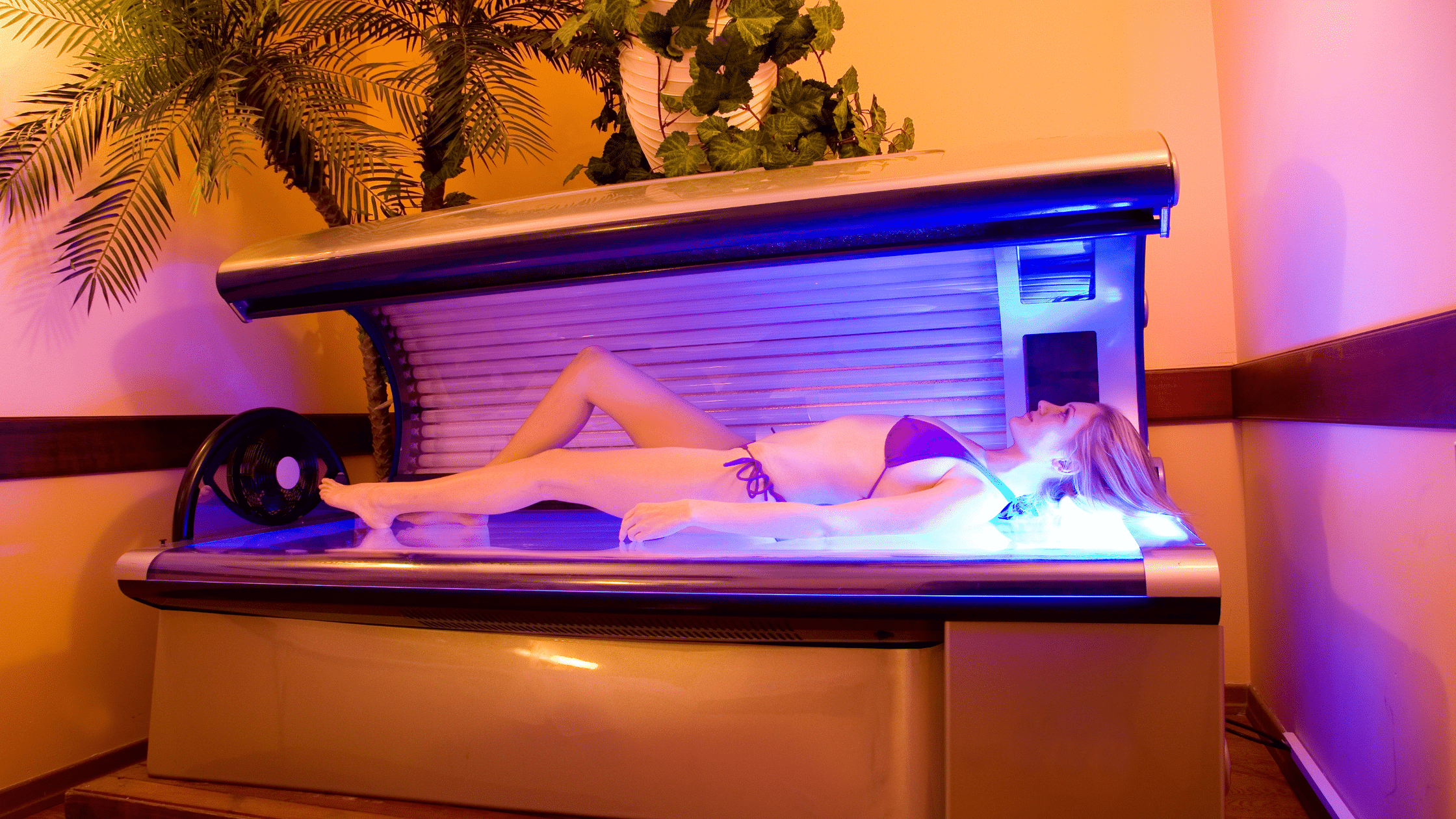
Potential dangers of tanning bed use
Using tanning beds poses several health risks. The most significant is an increased risk of skin cancer, including melanoma, the deadliest form. Additionally, tanning beds can lead to premature aging, eye damage, and immune suppression.
Comparison of risks vs. benefits
When weighing the risks and benefits of using tanning beds for Vitamin D, the scales tip heavily towards the risks. While they can provide some Vitamin D, the potential harm to your skin and overall health makes them a less viable option.
Recommendations from health organizations
Health organizations like the World Health Organization (WHO) and the Centers for Disease Control and Prevention (CDC) strongly discourage the use of tanning beds. They advocate for safer methods to obtain Vitamin D, like moderate sun exposure and dietary sources.
Safe Alternatives for Getting Vitamin D
Natural sunlight exposure guidelines
Moderate sun exposure is the safest and most natural way to get Vitamin D. Aim for about 15-30 minutes of midday sun several times a week, depending on your skin type and geographic location. Remember to cover your skin or seek shade once you’ve had enough exposure to prevent sunburn.
Dietary sources of Vitamin D
Incorporate foods rich in Vitamin D into your diet. Fatty fish like salmon, mackerel, and sardines are excellent sources. Fortified foods like milk, orange juice, and cereals increase daily intake. Don’t forget about egg yolks and mushrooms, which offer more diminutive amounts.
Vitamin D supplements and their efficacy
Supplements are a reliable option if you find it challenging to get enough Vitamin D from sunlight and food. Vitamin D3 supplements are widely available and can help maintain optimal levels. Consult with a healthcare provider to determine the proper dosage for your needs.
Lifestyle tips for maintaining healthy Vitamin D levels
In addition to sunlight, diet and supplements can help maintain healthy Vitamin D levels. Spend time outdoors regularly, even if it’s just a short walk. Make conscious food choices that include Vitamin D-rich options. Periodically check your Vitamin D levels through blood tests, especially if you have risk factors for deficiency.
Can someone who lacks vitamin D benefit from tanning beds?

It is not recommended to use tanning beds to increase vitamin D levels. While ultraviolet (UV) radiation from the sun can help the body produce vitamin D, tanning beds pose significant health risks that outweigh their potential benefits.
Tanning beds emit UV rays that can damage the skin, leading to premature aging and increasing the risk of skin cancer, including melanoma, which is the most severe type. Prioritizing safe and effective ways to boost vitamin D without risking your health is essential.
For those lacking vitamin D, consider these safer alternatives:
- Dietary Sources: Include foods rich in vitamin D, such as fatty fish (like salmon and mackerel), fortified dairy products, and egg yolks.
Supplements: Vitamin D supplements are widely available and can effectively maintain adequate levels, especially for those with limited sun exposure or dietary intake. - Moderate Sun Exposure: Spending short periods outside in natural sunlight while using appropriate sun protection can also help your body produce vitamin D without the risks associated with tanning beds.
Do tanning beds have any advantages?
While the allure of tanning beds can be vital for some, weighing their benefits against potential risks is essential. Here’s a compassionate and holistic perspective on the topic:
- Cosmetic Benefits: Tanning beds can quickly achieve a bronzed skin tone, which some people find aesthetically pleasing. This can enhance self-confidence temporarily.
- Mood Improvement: Exposure to UV light can sometimes elevate mood and help alleviate symptoms of seasonal affective disorder (SAD). However, it’s crucial to seek alternative ways to boost mental well-being that do not involve UV exposure.
- Controlled Environment: Tanning beds offer a controlled environment for tanning, which might feel convenient compared to outdoor sunbathing. Yet, the controlled setting does not eliminate the inherent risks associated with UV radiation.
Despite these perceived benefits, the risks should not be overlooked. Prolonged use of tanning beds can lead to serious health issues, including skin cancer and premature aging.
Conclusion
while tanning beds provide some Vitamin D, they are not the safest or most effective method. The health risks of tanning beds, including skin cancer and premature aging, far outweigh the benefits. Instead, consider safe alternatives like moderate sun exposure, dietary sources, and supplements to maintain healthy Vitamin D levels.
Your health is invaluable, and it should always be a priority. By choosing safer methods to obtain Vitamin D, you can enjoy the benefits without compromising your well-being. For personalized advice and to explore more about maintaining optimal health, consider consulting with a healthcare provider or nutritionist.