


Picture this. You enjoy a deliciously sweet treat, savoring every bite. But soon after, you find yourself feeling more sluggish than satisfied.
Why does eating sugar make you feel tired?
This blog post will uncover the reasons behind this common phenomenon and provide helpful tips for maintaining steady energy levels throughout the day.
We aim to help you understand the connection between sugar and tiredness and offer practical advice for managing your energy levels. Whether you’re a busy professional, a student, or someone looking to improve their well-being, this guide is for you.
What Happens When You Eat Sugar?

When you consume sugar, your body converts it into glucose, which is absorbed into your bloodstream.
Glucose, often called blood sugar, is the primary energy source for your cells. This rapid absorption can give you a quick boost of energy, usually known as a “sugar rush.”
However, this spike in energy is usually short-lived. Your body releases insulin to help your cells absorb the glucose, leading to a drop in blood sugar levels. This drop can make you tired and sluggish, commonly known as a “sugar crash.”
The Role of Insulin in Sugar-Induced Tiredness
Insulin is a hormone produced by the pancreas. Its primary role is to regulate blood sugar levels by facilitating glucose uptake into cells.
When you eat a lot of sugar, your body releases much insulin to cope with the sudden influx of glucose.
This can cause your blood sugar levels to drop rapidly, leading to feelings of tiredness and lethargy. This is why you might feel energetic after eating something sugary but struggle to stay awake.
The Glycemic Index and Its Impact on Energy Levels
The Glycemic Index (GI) measures how quickly foods raise blood sugar levels. Foods with a high GI are rapidly digested and absorbed, leading to a quick spike and subsequent drop in blood sugar levels. Examples include sugary snacks and refined carbohydrates.
Conversely, low-GI foods, such as whole grains, fruits, and vegetables, are digested and absorbed more slowly, gradually increasing blood sugar levels. Consuming low-GI foods can help maintain steady energy levels and prevent the post-sugar slump.
ALSO READ – How to Stop Sugar Cravings in 7 Steps
Simple vs. Complex Carbohydrates
Carbohydrates can be classified into two main types: simple and complex. Understanding their differences can help you make better dietary choices to avoid feeling tired after eating.
Simple Carbohydrates
Simple carbohydrates are found in candy, pastries, and sugary drinks. They are quickly digested, leading to a rapid increase in blood sugar levels. This can result in a quick burst of energy and a sudden crash.
Complex Carbohydrates
Complex carbohydrates are found in whole grains, legumes, and vegetables. They are digested more slowly, providing a steady release of energy over time. This helps maintain stable blood sugar levels and prevents the drastic shifts that lead to fatigue.
How Sugar Affects Your Brain

Consuming sugar impacts your physical energy levels and your brain. When you eat sugar, your brain releases dopamine, a neurotransmitter associated with pleasure and reward. This can create a temporary feeling of happiness and satisfaction.
However, as your blood sugar levels drop, so do your dopamine levels. This can lead to feelings of irritability, fatigue, and difficulty concentrating.
The Vicious Cycle of Sugar Consumption
Eating sugar can create a vicious cycle. The initial burst of energy and pleasure from sugar consumption is followed by a crash, leading to cravings for more sugar to regain that feeling. This cycle can be complex to break and may contribute to ongoing fatigue and energy imbalances.
Hidden Sugars in Your Diet
Many processed foods contain hidden sugars that can contribute to the post-sugar slump. These added sugars can be found in unexpected places, such as sauces, dressings, and even savory snacks. Awareness of these hidden sugars can help you make healthier choices and maintain stable energy levels.
Tips for Avoiding the Post-Sugar Slump
While it can be challenging to eliminate sugar from your diet completely, there are several strategies you can use to minimize its impact on your energy levels:
- Choose Low-GI Foods: Opt for whole grains, fruits, and vegetables that provide a steady release of energy.
- Pair Carbs with Protein and Fat: Combining carbohydrates with protein and healthy fats can slow down digestion and help maintain stable blood sugar levels.
- Stay Hydrated: Drinking plenty of water can help regulate blood sugar levels and prevent fatigue.
- Read Labels: Be mindful of hidden sugars in processed foods by checking ingredient lists and nutrition labels.
Healthy Alternatives to Sugary Snacks

If you’re looking to satisfy your sweet tooth without the subsequent crash, consider these healthier alternatives:
- Fresh Fruit: Fruits like apples, berries, and oranges provide natural sweetness, fiber, and nutrients.
- Nuts and Seeds make for a satisfying, nutrient-dense snack that balances healthy fats and protein.
- Dark Chocolate: Opt for dark chocolate with a high cocoa content for a satisfying treat with less sugar.
Balancing Your Diet for Steady Energy
Maintaining a balanced diet that includes a variety of nutrients is critical to preventing fatigue. Ensure you get adequate protein, healthy fats, and complex carbohydrates to support stable energy levels throughout the day.
The Importance of Regular Meals
Skipping meals can lead to drops in blood sugar levels, causing fatigue and cravings for sugary snacks. Eating regular, balanced meals can help keep your energy levels stable and reduce the likelihood of experiencing a post-sugar crash.
Listening to Your Body
Everyone’s body responds differently to sugar. Pay attention to how you feel after consuming sugary foods and adjust your diet. If you notice consistent fatigue patterns, it may be worth reducing your sugar intake and incorporating more low-GI foods into your meals.
Conclusion
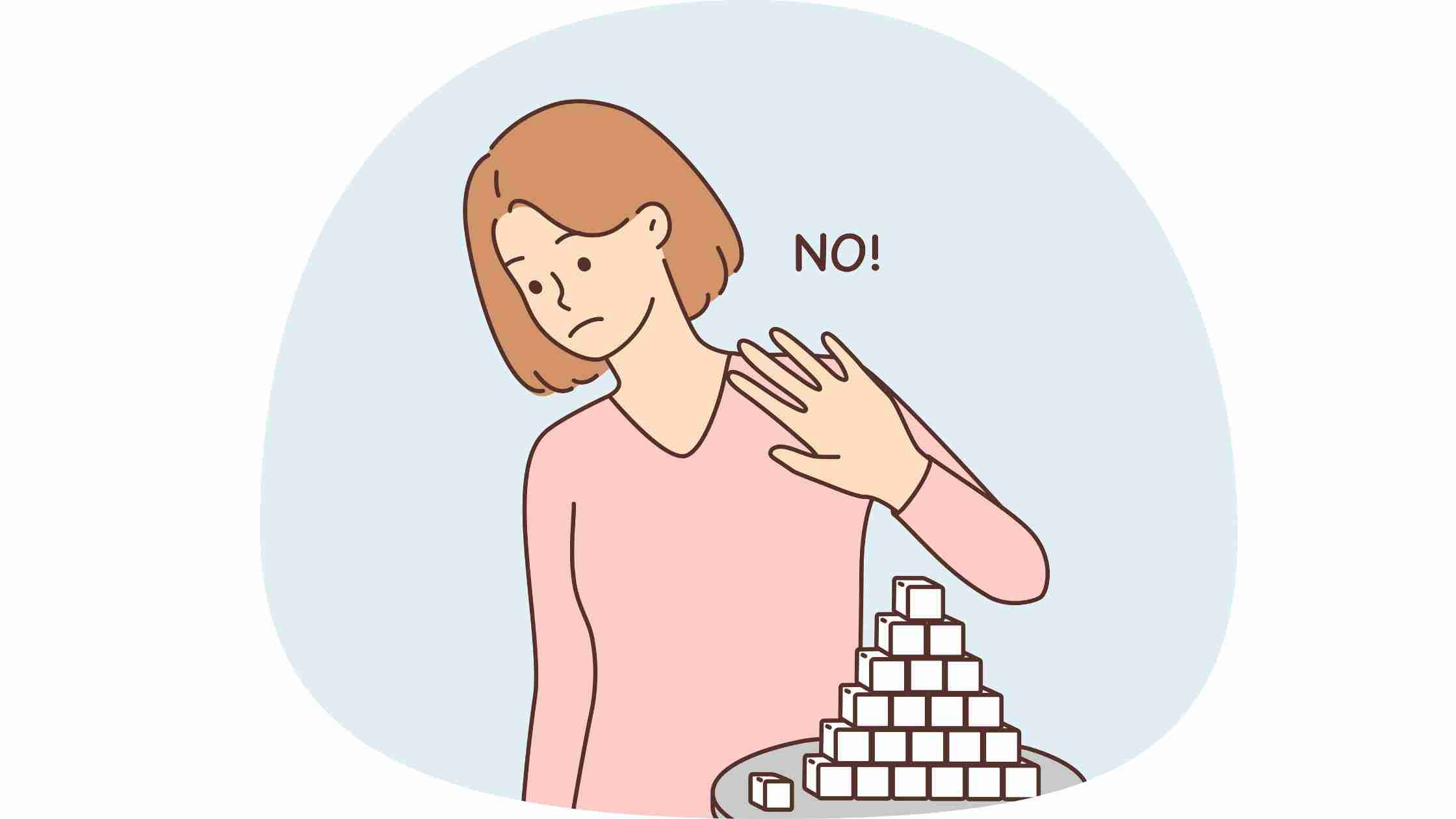
Understanding the relationship between sugar and tiredness is essential to maintain steady energy levels.
By making mindful dietary choices and incorporating healthy habits into your routine, you can prevent the post-sugar slump and enjoy sustained daily vitality.
Ready to take control of your energy levels? Start by assessing your diet and making minor changes to reduce sugar intake. Remember, it’s all about balance and finding what works best for you. Here’s to a more energized and vibrant you!
FAQs:
Overwhelming tiredness after eating sugar?
Feeling overwhelmingly tired after consuming sugar is expected, as it leads to a rapid spike and crash in blood sugar levels. Combine sugary foods with proteins or healthy fats for sustained energy to manage this.
When I eat sugar, why do I feel so exhausted?
Feeling exhausted after eating sugar happens because your body experiences a quick spike and then a drop in blood sugar levels. Balancing sugary foods with proteins and fats can help maintain steady energy.
How can one combat sugar fatigue?
Pair sugary treats with proteins and healthy fats to combat sugar fatigue and stabilize energy levels. Practice mindful eating to understand your body’s responses.
How does diabetes fatigue manifest itself?
Diabetes fatigue often manifests as persistent tiredness due to fluctuating blood sugar levels. It can feel like a constant drain on your energy, impacting your physical and emotional well-being.
Do people with diabetes who have high blood sugar feel drowsy?
Yes, people with diabetes with high blood sugar often feel drowsy due to the body’s struggle to convert glucose into energy. This can lead to persistent fatigue and sluggishness. Embracing balanced lifestyle habits can help manage these symptoms.