


Greasy, savory, and utterly irresistible burgers are a favorite comfort food for many. But have you ever wondered why you crave them so much?
Whether it’s the smell of sizzling patties or the allure of decadent, fatty toppings, your burger cravings aren’t random—a mix of biology, psychology, and nutrition drives them.
In this article, we will explore the science behind why we crave greasy foods like burgers and the role that nutrition and psychology play in these cravings.
The Science Behind Craving Greasy Foods
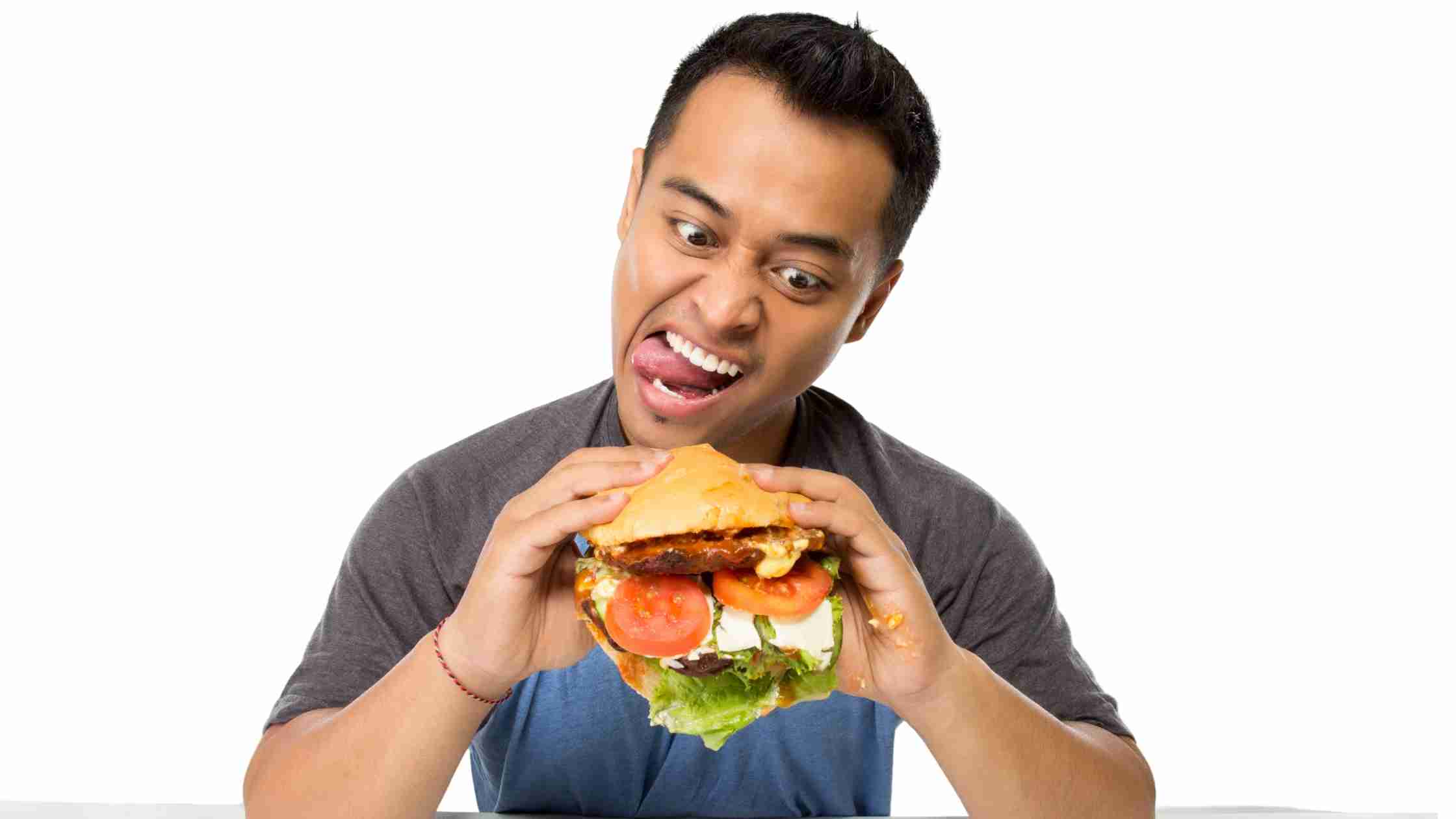
Greasy foods like burgers are packed with fats, and while modern diets often overindulge in fats, they are still an essential part of our nutrition. Our bodies crave them because, evolutionarily speaking, fats were once more challenging to come by and are a highly efficient source of energy.
Fats are energy-dense, providing nine calories per gram, compared to the four calories per gram in carbohydrates and proteins. Our bodies are designed to store this energy for times of scarcity, which explains why we crave high-fat foods like burgers, especially when stressed, tired, or hungry.
The Role of Brain Chemistry
When you eat greasy foods, your brain rewards you by releasing dopamine—a neurotransmitter associated with pleasure and satisfaction. This “feel-good” response can make us want to repeat the experience, leading to a craving cycle. The combination of fats, salt, and sometimes sugar in burgers hits the “bliss point” in our brains, driving us to seek out these foods even when we’re not physically hungry.
Nutritional Principles Behind Burger Cravings
Fats and Nutrient Deficiencies
One of the major nutritional reasons people crave greasy foods is a potential deficiency in essential fatty acids. Certain fats contain omega-3 and Omega-6 fatty acids, which are crucial for brain function, hormone regulation, and cellular health. When your diet lacks these essential nutrients, your body might crave high-fat foods in an attempt to get what it needs.
However, greasy foods like fast food burgers are typically high in unhealthy trans fats or saturated fats, which can lead to adverse health consequences when consumed in excess. It’s essential to differentiate between healthy fats (like those in avocados, nuts, and olive oil) and the less beneficial fats often found in processed foods.
Salt and Sugar
Burgers often contain salty condiments and sweet sauces, which can trigger cravings. Salt is essential for bodily functions, including maintaining fluid balance and nerve signaling, but too much salt can lead to problems like high blood pressure. Similarly, sweet condiments or buns may trigger sugar cravings, as they give a quick spike in energy followed by a crash, leaving you craving more.
Emotional Eating and Comfort Foods
For many, burgers are more than just food—they’re emotional comfort. Stress, boredom, or sadness can make greasy foods like burgers more appealing because they provide a temporary emotional lift. The combination of fats and carbohydrates can reduce the stress hormone cortisol, making us feel better in the short term. However, this form of emotional eating can become a habit if left unchecked.
How to Satisfy Burger Cravings Healthily

While it’s expected to crave burgers, it’s important to enjoy them in moderation or make healthier choices that satisfy those cravings without compromising your health. Here are a few tips:
Choose Leaner Proteins
Opt for a burger made with lean meats like turkey, chicken, or plant-based alternatives. These can provide the same satisfying experience with less saturated fat and fewer calories.
Load Up on Veggies
Add fiber-rich toppings like lettuce, tomatoes, onions, and avocados to your burger. Fiber helps slow digestion, makes you feel fuller for longer, and supports heart health.
Use Whole-Grain Buns
Switching to a whole-grain bun can add fiber and nutrients to your meal. This helps with digestion and prevents blood sugar spikes that can lead to more cravings later.
Skip the Greasy Sides
Try a side salad or roasted vegetables instead of pairing your burger with fries. This can help balance out the meal and provide more vitamins and minerals.
The Downside of Overindulging in Greasy Foods
While an occasional burger is excellent, regularly consuming greasy foods can lead to adverse health consequences over time, such as:
- Weight Gain: Fats are calorie-dense, and overindulging can contribute to excess calorie intake and weight gain.
- Increased Risk of Heart Disease: Diets high in trans fats and saturated fats can raise bad cholesterol (LDL) and lower good cholesterol (HDL), increasing the risk of heart disease.
- Digestive Issues: Greasy foods can slow digestion and lead to discomfort, bloating, or even more severe conditions like acid reflux.
Mindful Journaling to Stop Burger Cravings
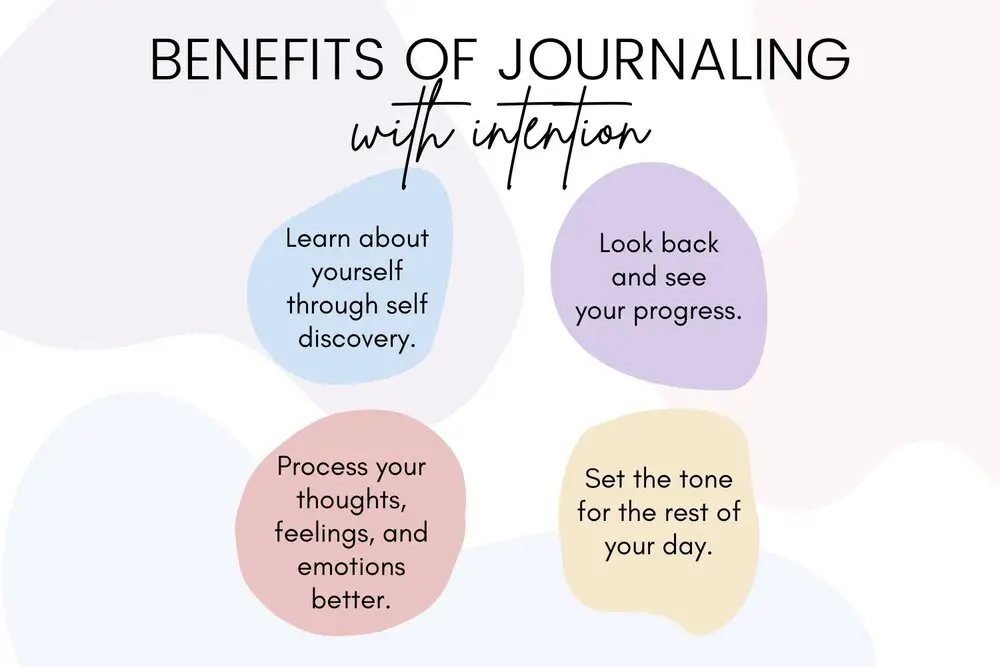
Craving greasy, burgers can be hard to resist, but mindful journaling and nutritional awareness can help. Cravings often stem from our brain’s need for nourishment, so before tackling the craving, ensure your body is well-nourished with healthy fats, proteins, and essential nutrients like Omega-3s and iron.
Mindful journaling is a powerful tool to curb cravings. Before you reach for a burger, take a moment to pause and reflect. Ask yourself: “Am I starving or just seeking comfort?” Write down your thoughts, feelings, and triggers. This practice helps you become more aware and is a vital part of Cognitive Behavioral Therapy (CBT), designed to manage emotional eating and cravings.
Our app Eating Enlightenment is great resource for journaling and tracking cravings. By using mindfulness and journaling, you can make healthier, more conscious choices about food and break the emotional ties to unhealthy cravings.
Take control of your cravings by nourishing your body first and using journaling to identify the emotional reasons behind your food choices.
Healing Trauma and Inner Parts to Stop Burger Cravings

Cravings for burgers, especially greasy, sour, and rich in flavor, may seem like an innocent indulgence or a passing temptation. But for many, these cravings can be a sign of something more profound—unresolved trauma and inner emotional conflicts.
Healing trauma and addressing the “parts” of ourselves that drive these cravings can be a powerful way to regain control over our relationship with food. But before diving into trauma healing, it’s crucial to first address nutritional imbalances and build a foundation of mindful journaling through Cognitive Behavioral Therapy (CBT).
By understanding and addressing the emotional layers behind food cravings, you can begin the journey toward more profound healing and freedom from emotional eating.
How Trauma is Related to Burger Cravings
Trauma, whether it stems from childhood, relationships, or significant life events, often leaves emotional wounds that manifest in different ways. Food becomes a coping mechanism for some people—a way to soothe, distract, or comfort themselves when difficult emotions arise. Burger
Learn why we crave greasy foods like burgers and how emotional triggers play a role. Discover mindful strategies to curb cravings and Download the Eating Enlightenment Course for food addicts to start your healing journey today.
Conclusion: Understanding and Managing Your Burger Cravings
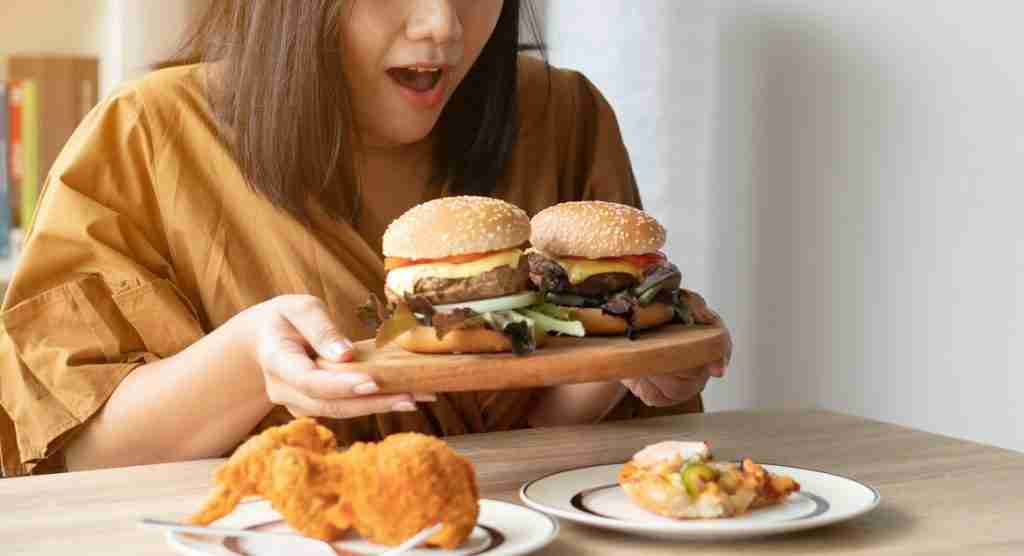
Craving greasy foods like burgers is regular and has a strong basis in biology and psychology. Your body may be seeking energy, comfort, or specific nutrients, but balancing these cravings with a healthy, mindful approach to eating is essential.
By understanding the underlying reasons for your cravings and making healthier choices, you can enjoy burgers without overindulging or negatively impacting your health.
FAQs

Q: Are burger cravings a sign of a nutritional deficiency?
A: Sometimes, burger cravings may be linked to a deficiency in healthy fats like Omega-3 or Omega-6 fatty acids. However, it’s more likely related to a desire for energy-dense, high-fat foods.
Q: How can I stop craving greasy foods like burgers?
A: To curb your cravings, balance your diet with healthy fats, lean proteins, and fiber-rich foods. Managing stress and emotional eating can also reduce the urge to indulge in greasy foods.
Q: Can craving burgers during pregnancy indicate anything specific?
A: Many women experience cravings during pregnancy, including for burgers. These cravings are typically related to increased energy needs or hormonal changes, but it’s always best to consult with a healthcare provider.
Q: What are some healthy alternatives to a traditional burger?
A: Healthy alternatives include lean turkey or chicken burgers, veggie burgers, and plant-based patties made from legumes or mushrooms. Adding plenty of vegetables and using whole-grain buns can make your meal more nutritious.