


Have you ever reached for a salty snack—like chips or pretzels—without a second thought? Maybe it’s after a long day or a stressful moment when nothing feels more satisfying. That specific craving might seem random, but it’s often your body’s way of signaling a more profound need.
Salt cravings are rarely just about taste—they’re clues about your physical and emotional health. Understanding these cravings can reveal so much about your well-being, whether it’s dehydration, stress, or a need for comfort.
This post explores ten reasons behind your salty cravings, offering practical tips—like journaling—to help you decode what your body truly needs. Stick around to explore the powerful insights hidden in your cravings and take a compassionate step toward understanding yourself better.
10 Reasons for Salt Cravings

1. Dehydration

Salt cravings are the most common signs that your body may need more water. Sodium helps balance your hydration levels, so after sweating heavily during a workout or in hot weather, your body could push you toward salty snacks to recover lost electrolytes.
Imagine working through a sweaty yoga session and immediately craving a salty snack—that’s your body trying to restore equilibrium.
What to do: Start by hydrating consistently throughout the day. After intense physical activity, an electrolyte drink may be helpful for replenishing fluids and essential minerals.
Try tracking your water consumption in a journal over several days. Note how your cravings change as your hydration improves—it’s a simple but powerful way to tune into your body.
2. Electrolyte Imbalance
Hand in hand with dehydration is the possibility of an electrolyte imbalance. Electrolytes like sodium, potassium, and magnesium keep your heart, nerves, and muscles functioning, and a significant drop in these minerals can cause salt cravings.
For instance, after a long day of skipping meals or intense training, you might notice a sudden urge for something salty. That’s a cue your body needs replenishment.
What to do: Incorporate foods that naturally provide electrolytes, such as bananas, leafy greens, and seeds. Jot down how your body feels before and after these nutrient-packed meals in your journal. This mindfulness can help reveal whether changes in diet improve how you feel and reduce those cravings.
3. Stress or Fatigue

During stressful periods, your cortisol levels rise. This hormone can leave you yearning for salty, high-fat foods as your body seeks quick comfort or energy. Similarly, when running on fumes after a sleepless night, salt may feel like a quick fix to power through the day. We’ve all been there—reaching for potato chips or pretzels after a chaotic day to soothe the overwhelm.
What to do: Pause during these moments and practice mindfulness techniques like breathing exercises or gentle stretching. You can journal prompts like, “What emotions am I noticing right now, and how are they connected to this craving?” This pause creates space to choose alternative ways to care for yourself while addressing the root cause of the stress or fatigue.
4. Hormonal Changes

Salt cravings often intensify during specific life stages or hormonal changes, such as pregnancy, menopause, or PMS. These shifts may impact your body’s ability to retain water or manage hunger-regulating hormones, making salty foods more appealing.
For example, during certain times in your cycle, you might be unable to resist that extra sprinkle of salt on your dinner.
What to do: Support your body by eating balanced meals filled with protein, healthy fats, and fiber, which can stabilize fluctuating hormones. Reflect on cyclical patterns by journaling how your cravings vary throughout the month and identifying when your hormones might be driving your salt appetite.
5. Low Sodium Levels
Overly restrictive diets or prolonged sweating sessions might leave you with low sodium levels. Sodium is essential for regulating fluid balance, so if your intake dips too low, your body will naturally signal cravings for salty food.
For instance, after a rigorous hot yoga class or skipping the salt in your diet to be “healthier,” you might feel an intense pull toward that salty comfort food.
What to do: Pay attention to your diet and track your eating in a food journal. Focus on lightly seasoning whole foods—like vegetables or lean proteins—rather than reaching for processed snacks. This small change helps you maintain balance without going overboard.
6. Poor Sleep

Did you know that sleep deprivation can disrupt hormones like leptin and ghrelin, which regulate appetite? When you’re running on less sleep, your cravings for salty, calorie-dense foods may hit harder as your body seeks quick pleasure or energy to compensate for exhaustion.
Think about those mornings when you’ve been up all night and suddenly dream about salty fries for breakfast.
What to do: Prioritize restful sleep and maintain a consistent schedule. Record how much sleep you’re getting in your journal and note patterns between restless nights and salty cravings. This will help highlight whether improving your sleep hygiene reduces cravings altogether.
7. Nutritional Deficiencies
A lack of crucial minerals such as calcium, magnesium, or zinc may also trigger salt cravings. These minerals are vital to various bodily functions, and when levels dip, it’s not uncommon for your body to steer you toward salt as a quick (though ineffective) fix.
What to do: Fill your plate with nutrient-rich options like nuts, seeds, and green vegetables. Note how these healthier additions make you feel compared to consuming processed salty foods. Journaling this difference can be eye-opening and reinforce positive changes.
8. Habit or Emotional Comfort
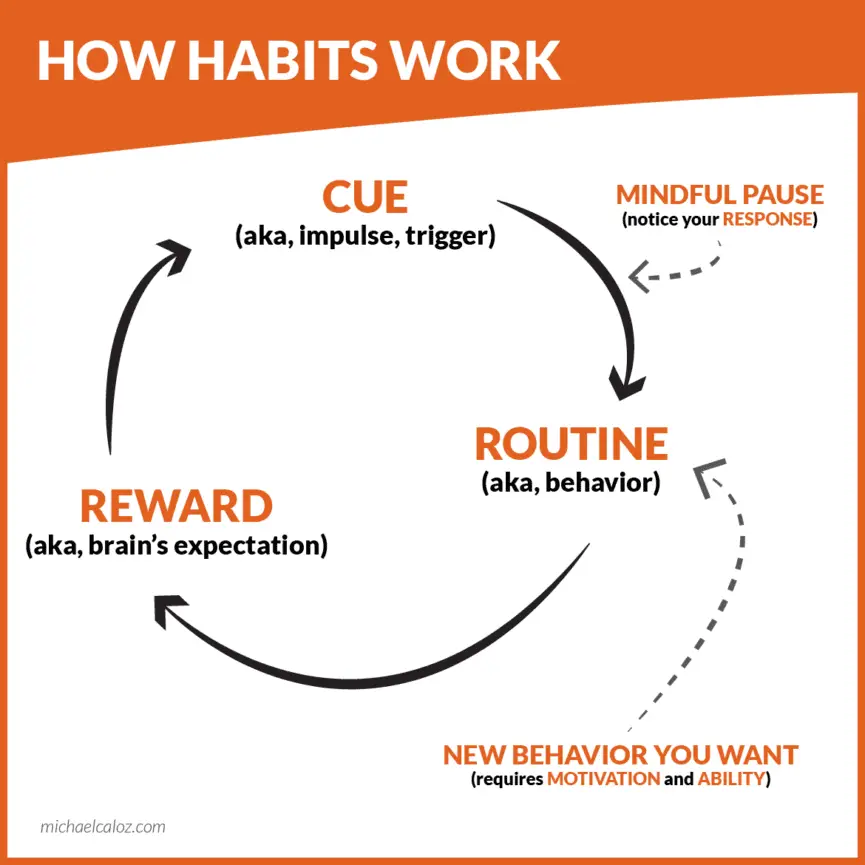
Sometimes, cravings for salt are tied more to habits than physiological needs. Salty snacks can be deeply tied to emotional memories or comfort moments, like popcorn during a cozy movie night. Over time, these associations might lead you to seek salty foods as a go-to for relaxation, even when you’re not hungry.
What to do: Take a moment to pause and ask yourself, “What am I truly seeking right now—food, comfort, distraction, or calm?” Writing down this reflection in your journal can help you discover patterns and behaviors, allowing you to meet your emotional needs in non-food ways better.
9. Boredom

Cravings often surface when there’s nothing else to do. When you’re bored, salty snacks provide an easy, satisfying way to pass the time. Picture yourself working from home, glancing longingly at the snack drawer because you dread that next email.
What to do: Instead of jumping straight to the snacks, find an activity that excites or occupies you. Whether it’s doodling, listening to music, or taking five minutes to journal about your day, engaging your mind might help fade those cravings.
10. Underlying Health Conditions
While rare, extreme or persistent salt cravings can sometimes point to health issues like Addison’s disease or iodine deficiency. If your cravings feel excessive or uncontrollable, it’s worth seeking medical advice to rule out any underlying conditions.
What to do: If this resonates with you, don’t hesitate to consult a healthcare provider. Tracking persistent cravings in your journal can help you communicate patterns to your doctor, providing valuable context for your discussion.
The Role of Cravings in Binge Eating Disorder
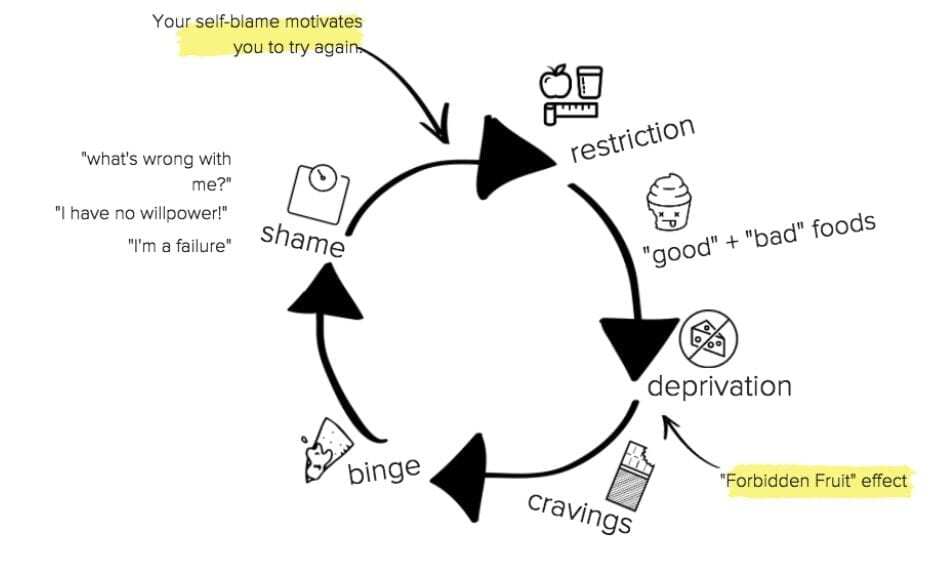
While occasional salt cravings are regular, consistent cravings could signal a deeper issue, such as binge eating disorder (BED).
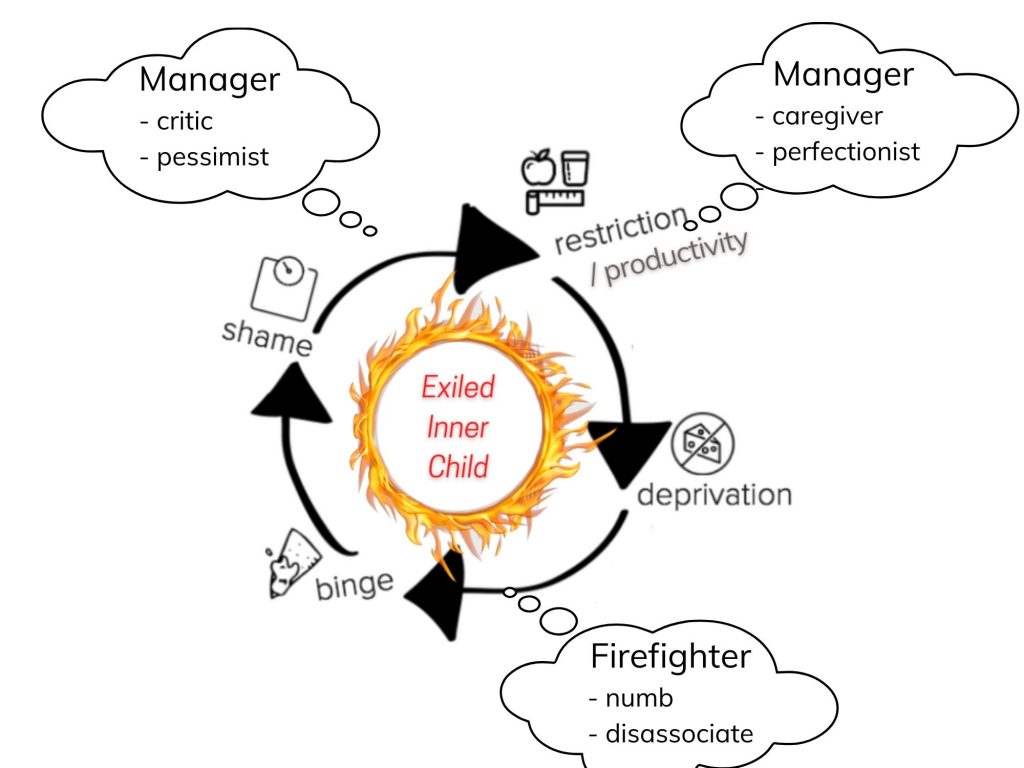
BED often involves intense episodes of consuming large amounts of food, followed by feelings of guilt or shame. It’s typical for cravings—salty, sweet, or fatty—to trigger binge eating episodes.
The binge-diet cycle often plays a role here. It begins with restrictive dieting, which leads to feelings of deprivation. This restriction creates heightened cravings, resulting in binge-eating episodes. The cycle repeats as guilt forces a return to restrictive eating.
How Eating Enlightenment Can Help You Break the Cycle
Addressing salt cravings and potential disordered eating behaviors takes a compassionate and structured approach. Eating Enlightenment follows a 3-step process to help you rebuild a nourishing relationship with food and yourself.
Step 1. Nutritional Journaling
Begin with physical nourishment. Focus on journaling what and when you eat, ensuring your body receives enough balanced meals to stabilize energy levels. Watch hunger signals and cravings to spot patterns.
Journaling prompt: “What am I eating today, and how do I feel after these meals? Am I honoring my hunger and fullness?”
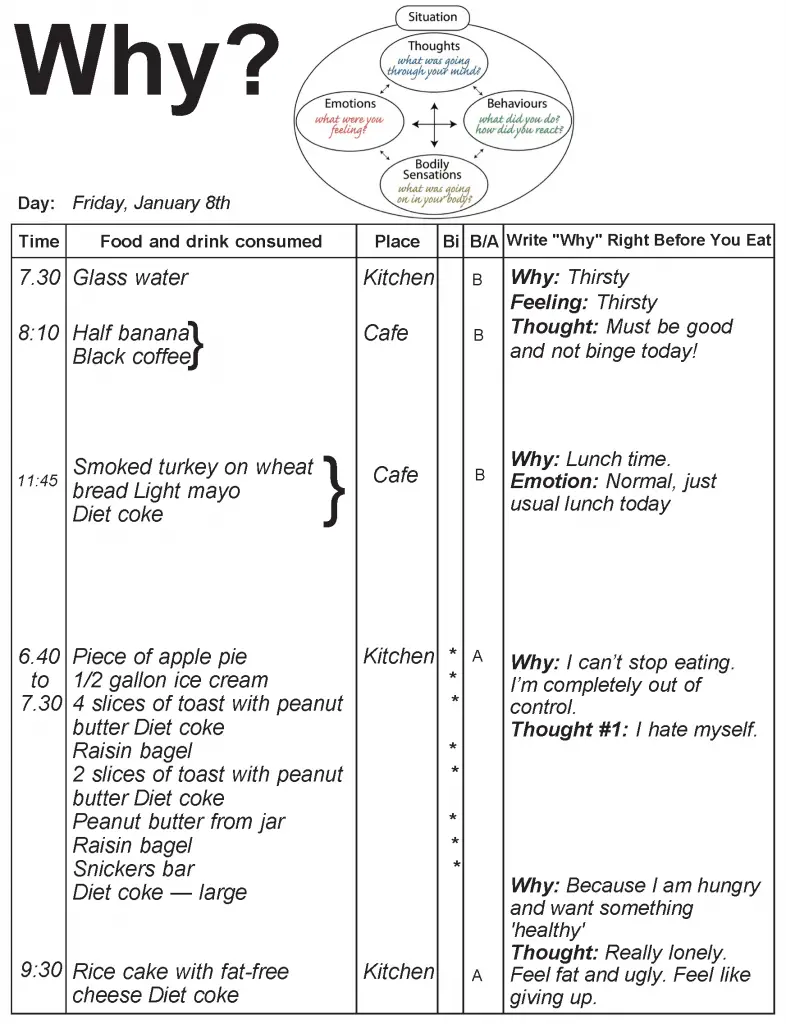
Step 2. Mindfulness of Triggers
Once you’ve built a steady nutrition foundation, focus on becoming mindful of your emotional and psychological triggers. Journaling before eating—especially when a craving hits—can reveal the emotional patterns driving your salt cravings.
Journaling prompt: “What emotions or thoughts am I experiencing right now? How are they influencing my food choices?”
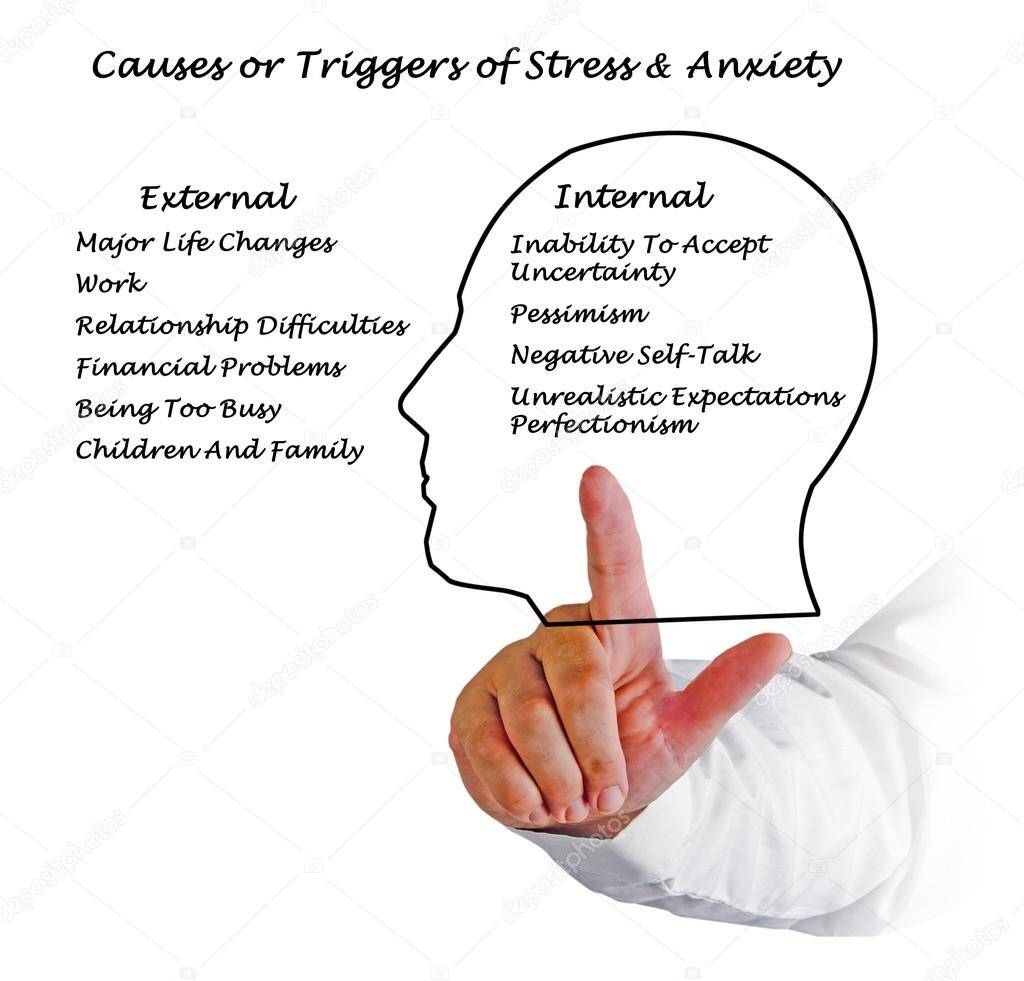
Step 3. Exploring Inner Parts to Heal
Finally, cravings may be tied to deeper emotional wounds or unmet needs. Through journaling, identify and dialogue with internal voices (like the perfectionist or comfort-seeker) to uncover the root of emotional eating patterns.
Journaling prompt: “If my craving could talk, what would it say? How might it be trying to protect or comfort me? What do I truly need?”
Debunking 7 Myths About Salty Cravings
Salty cravings are often misunderstood. They can reveal deeper insights about our body or emotional state. Here’s a concise look at common myths and the truths behind them:
1. Myth: Salty Cravings Mean Sodium Deficiency
Truth: True sodium deficiency is rare. Cravings are more likely tied to stress, habits, or dehydration than a lack of salt in your diet.
2. Myth: Cravings Always Signal Dehydration
Truth: While dehydration can lead to cravings, it’s often more about electrolyte imbalance. Drinking water and eating potassium-rich foods like bananas can help.
3. Myth: Cravings Indicate Poor Health
Truth: Temporary cravings can be normal responses to stress or hormonal changes, like during PMS. They don’t always point to an underlying health issue.
4. Myth: It’s About Willpower
Truth: Stress hormones and behavioral patterns fuel cravings more than willpower. These cravings are your body’s way of seeking balance.
5. Myth: Cutting Salt Stops Cravings
Truth: Eliminating salt can backfire, intensifying cravings as your body compensates. Moderation is key.
6. Myth: Only Processed Snacks Satisfy Cravings
Truth: Nutrient-rich options like nuts or avocados can fulfill your salty cravings while providing nourishment.
7. Myth: Cravings Always Signal Health Conditions
Truth: While conditions like Addison’s disease can amplify cravings, they’re rare. Most cravings are normal and tied to stress or habits.
Final Thoughts
Craving salty foods is more than just a passing desire—it can be your body and mind’s way of signaling unmet needs or imbalances. From hydration issues to emotional triggers, hormonal shifts, or nutrient imbalances, understanding the root causes of cravings is key to building a healthier relationship with food. These cravings are not about willpower or indulgence but rather deeper patterns worth exploring.
Paying close attention to your cravings and reflecting on their triggers can uncover valuable insights about your physical and emotional well-being. Tools like journaling can empower you to track eating habits, decode patterns, and make meaningful changes in nourishing yourself.
If you’re ready to take control of your cravings and gain greater clarity on their underlying causes, it’s time to take the first step. Download the free Eating Enlightenment Journal App today. This intuitive app helps you track your cravings, identify hidden patterns, and make informed choices that align with your well-being. With just a few minutes each day, you can move closer to a more mindful, balanced connection with food—and, ultimately, with yourself.
Start your eating enlightenment journey now. Healthier choices and better outcomes are just one journal entry away.