


Sometimes it starts small—a chill in your fingertips that won’t go away, or nails that suddenly feel brittle and thin. You catch a glimpse of your hands in the mirror and wonder: Were they always this pale? This veiny?
For many living with anorexia, the changes in the hands are quiet but haunting. They’re not just cosmetic shifts—they are signals. Whispers from the body trying to be heard through the noise of restriction, shame, or survival.
If you’ve noticed your hands changing, you are not alone. And you are not broken.
This article will explore why hands look different in anorexia, what these changes mean, and—most importantly—how you can gently reconnect with your body on the path to healing.
Curious about your relationship with food? Our free Eating Relationship Quiz can offer insight and clarity.
Why Do Hands Look Different in Anorexia?
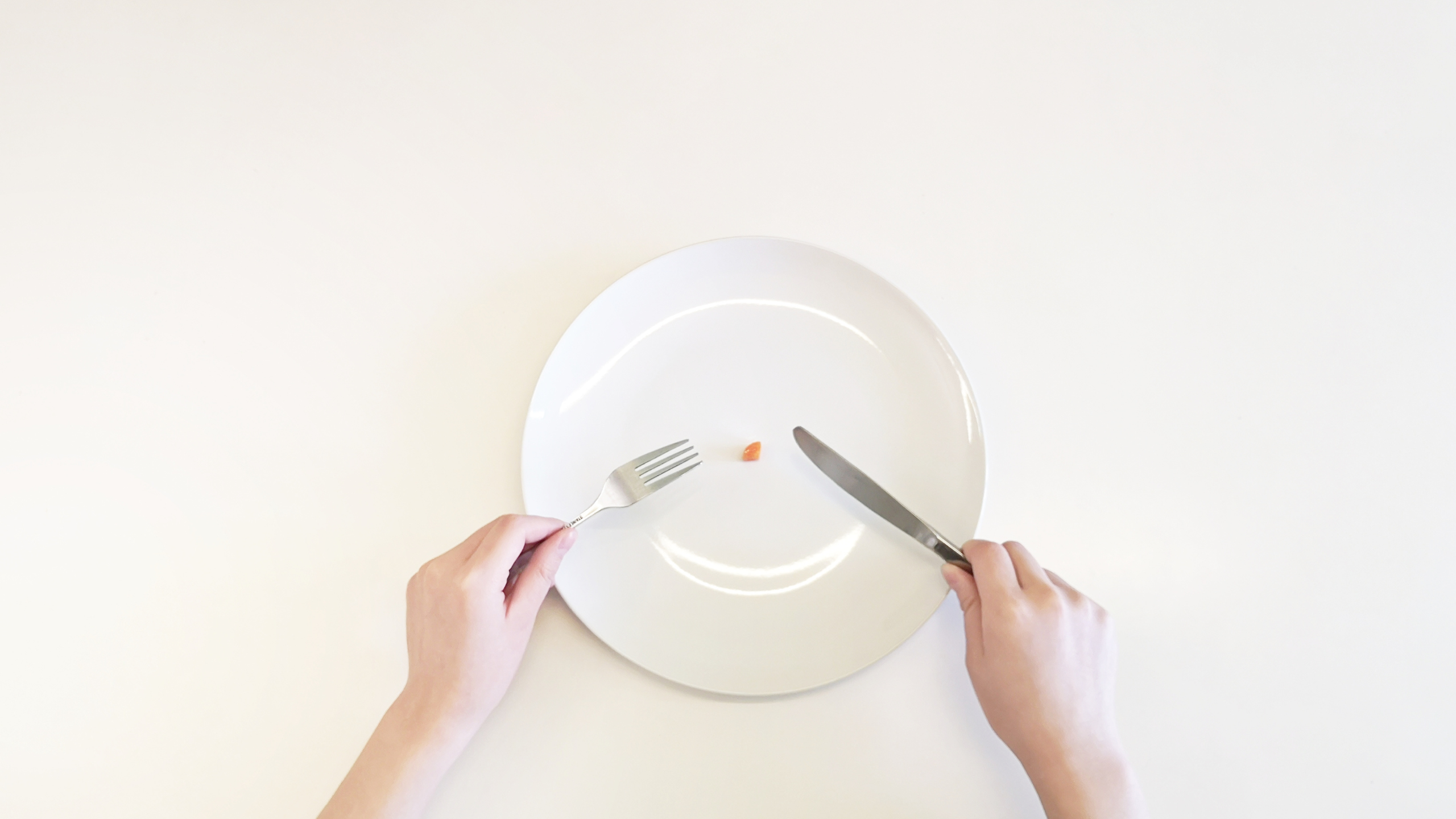
When the body is deprived of nutrition, it adapts to protect the brain and heart. But that protection comes at a cost—especially to the parts of the body considered less essential for immediate survival, like the hands.
The visible signs in your hands—thinness, protruding veins, discoloration—are a reflection of what’s happening internally:
- Muscle and fat loss around the hands makes veins and bones more prominent.
- Decreased blood flow causes cold, blue, or purple fingertips.
- Dry skin and brittle nails emerge as nutrients are rerouted to vital organs.
- Swollen knuckles may appear from pressure or purging behaviors.
But these aren’t just medical symptoms—they’re also emotional ones. Often, people with anorexia become hyper-aware of their hands: hiding them, covering them, or interpreting their appearance as further proof of failure. The visual becomes deeply tied to the internal.
And yet, your hands are doing their best. They are surviving. And survival is not shameful.
Common Hand Changes from Malnutrition
Let’s take a closer look at the common physical signs in the hands that can result from anorexia and prolonged nutritional restriction.
🔹 Blue or Purple Fingertips
- Caused by poor circulation and lowered body temperature.
- The body pulls blood inward to protect the core, leaving extremities cold and discolored.
🔹 Brittle, Ridged, or Discolored Nails
- Protein deficiency, low iron, and vitamin B12 depletion contribute to fragile nails.
- Ridges or spoon-shaped nails (koilonychia) may indicate iron-deficiency anemia.
🔹 Pale or Yellowish Skin
- Lack of nutrients slows cell turnover, leading to dry, pale, or even yellow-hued skin.
- Jaundice-like yellowing can appear with extreme restriction.
🔹 Swollen or Calloused Knuckles (Russell’s Sign)
- Seen in individuals who purge, due to repeated trauma to the hand against the teeth.
- May be painful or raw, and can become a visible marker of distress.
These physical symptoms are not cosmetic flaws—they are survival adaptations.
Note: These symptoms do not appear in everyone. Anorexia has many presentations, and no one body tells the full story.
The Emotional Impact of Physical Changes

There’s something uniquely vulnerable about the hands. They’re how we touch the world, hold others, create art, cook food. When they change, we feel it intimately.
For many, changes in the hands spark a mix of emotions:
- Shame: “What if people notice?”
- Confusion: “Is this normal or something to worry about?”
- Grief: “I miss feeling strong, warm, alive.”
One reader once wrote: “I used to love painting my nails. Now I don’t want anyone to see my hands.”
This pain is not superficial. It’s connected to a larger disconnection from the self—the voice that says you don’t deserve care unless you look a certain way. These patterns often emerge from childhood confusion around safety, food, and love.
But you deserve warmth. You deserve touch. You deserve to feel your own hands again—not as proof of your control, but as instruments of healing.
The Science Behind the Symptoms
When the body goes into starvation mode, it slows down to preserve energy:
- Blood flow decreases, especially to the hands and feet.
- Basal metabolic rate drops, lowering core temperature.
- Electrolyte imbalances affect nerves and muscles.
- Fat stores deplete, reducing insulation and padding in the hands.
According to the World Health Organization, malnutrition can lead to peripheral cyanosis—a condition where the fingers turn bluish due to poor oxygen circulation (WHO, 2022).
APA-style citation:
World Health Organization. (2022). Nutrition and health: Effects of malnutrition on physical symptoms. Geneva: WHO Press.
This is not about vanity. It’s about survival. And your body has been trying to keep you alive with the limited resources it’s been given.
When Others Start to Notice
Sometimes the hardest moments aren’t when we notice our own hands changing—it’s when someone else does.
- A loved one might ask, “Are you cold?” or “Have you lost more weight?”
- A classmate might glance at your hands and then quickly look away.
- A coworker might comment, “Your hands look so fragile.”
These comments can send us into freeze mode—emotionally shutting down because we don’t know how to respond.
You’re not weak for not knowing what to say. You’re navigating a deep paradox: wanting to be seen, and terrified of it.
In these moments, it’s okay to take space. To journal. To breathe. To return to yourself before the world.
A Glimpse Into Recovery: What Can Shift
When nourishment begins to return—gently, consistently—the body begins to thaw.
- Fingertips regain warmth and color.
- Nails strengthen.
- Joints feel less stiff.
- Your grip returns. Your gestures feel alive.
This doesn’t happen all at once. And it doesn’t mean every part of you will feel “normal” again right away. But the body has a deep capacity for healing.
A powerful practice? Start tracking not just what you eat—but how your hands feel each day. Warmth, strength, flexibility. Let these be signs of reconnection.
Try our Mindful Meal & Body Journal App to gently track these shifts. No calories. Just curiosity.
Your Hands Are Not the Problem—They’re Speaking
It’s easy to see your hands and feel panic. But what if your hands aren’t the enemy? What if they’re the messengers?
Your hands might be saying:
- “I’m cold because I’m scared.”
- “I’m thin because I haven’t been held.”
- “I’m brittle because I’ve been trying to stay strong for too long.”
There is no shame in what your body is showing. These are not signs of weakness. They are signals of unmet need—and you are allowed to respond with compassion.
Gentle Resources for Next Steps
If your hands have been trying to tell you something, you’re already doing the bravest thing: listening.
Here are a few gentle next steps you can explore:
- 🌿 Take our Free Quiz: Explore your eating patterns and emotional connection to food.
- 📓 Use the Mindful Meal Journal: Track sensations and mood without judgment.
- 🤝 Explore Coaching: When you’re ready for compassionate support from someone who understands.
Healing is not about force. It’s about returning. Slowly. Gently. On your terms.
Conclusion: You’re Not Broken, You’re Becoming
If your hands have changed, it doesn’t mean you’re broken. It means your body is adapting, surviving, doing what it can.
And now, you have the chance to listen to those hands. To warm them. To hold them. To let them hold you back.
Healing isn’t linear. But it is possible. And every small act of noticing, every soft moment of kindness—you’re already on the path.