

Picture the earthy, tangy flavor of zaatar—a Middle Eastern staple made from thyme, sesame seeds, and sumac—sprinkled over warm bread or mixed with olive oil.
This delicious spice blend doesn’t just elevate dishes like manakish or roasted vegetables; it also holds a unique cultural and sensory charm that makes it unforgettable.
But why does a craving for zaatar strike so profoundly? Cravings are rarely random, reflecting nutritional needs, emotional states, or cherished memories.
Through reflection and mindful practices like journaling, as guided by the Eating Enlightenment approach, we can dig deeper into the “why” behind these culinary longings.
Join me as we explore five reasons you might yearn for Zaatar, uncovering the hidden layers behind this beloved blend. Have a mental bite, and let’s begin!
5 Reasons You Might Be Craving Zaatar
Reason #1. Nutritional Benefits
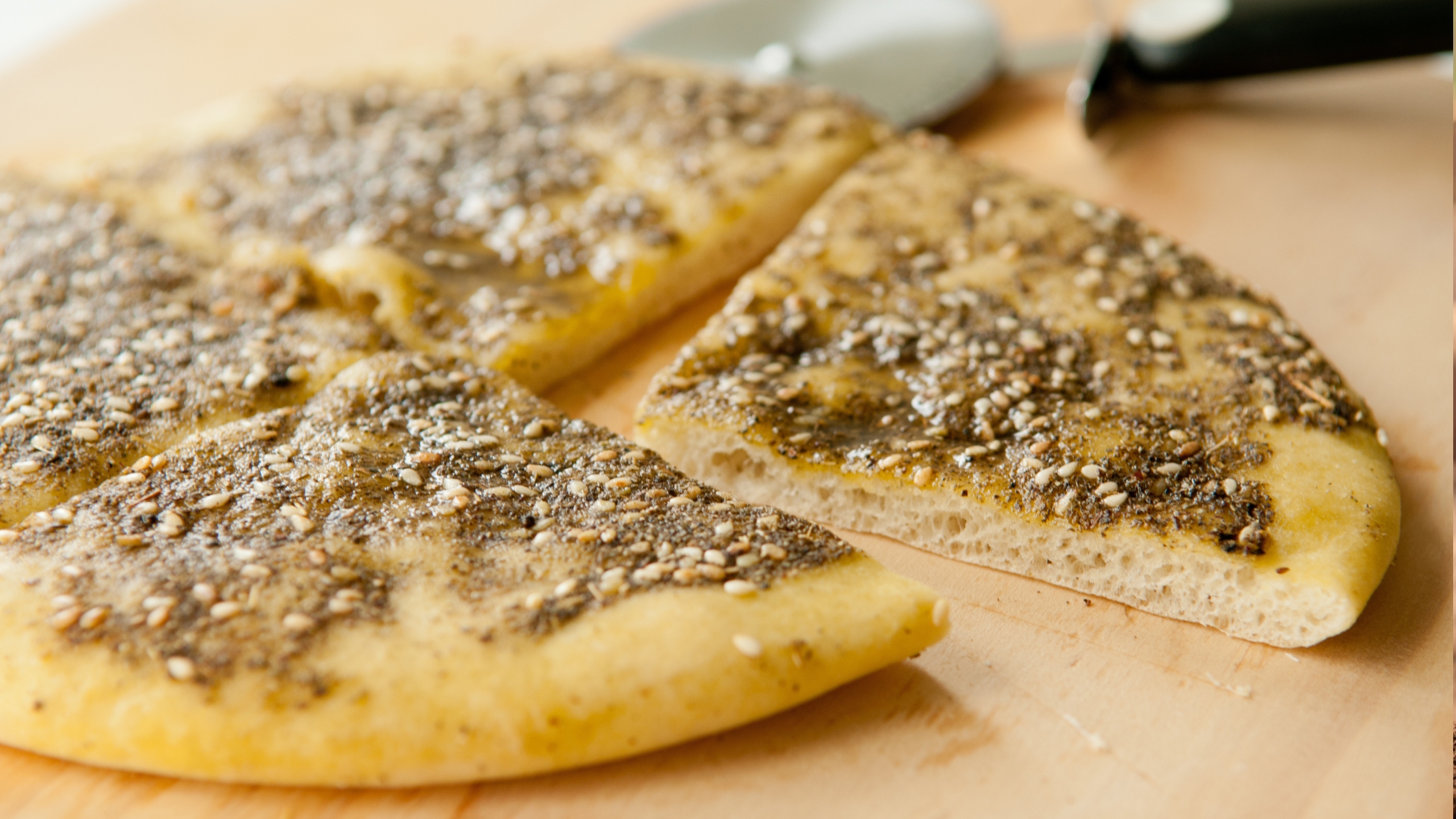
Zaatar isn’t just delicious; it’s a nutritional powerhouse. Packed with iron, essential for energy production, and calcium, which fortifies bones, zaatar also boasts antioxidants that reduce inflammation and support overall wellness. If you’ve been feeling fatigued or have been skimping on nutrient-dense foods lately, your body could be signaling for something like Zaatar to replenish its needs.
For example, have you been grabbing quick, less-balanced meals due to a busy schedule? Your craving might be a gentle nudge from your body asking for more iron-rich and anti-inflammatory ingredients. Pairing zaatar with olive oil to drizzle over roasted vegetables or yogurt or using it as a seasoning for proteins like chicken or fish can be a simple, flavorful way to nourish yourself.
Journaling Prompt
“Have I been eating foods that nourish me fully? Is my body asking for more nutrients like iron or calcium?”
Reason #2. Cultural or Familial Connection
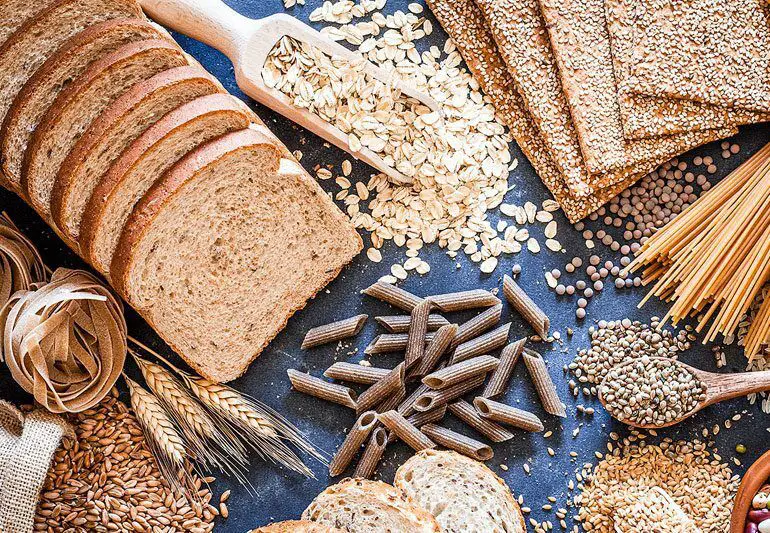
For many, zaatar is more than a spice—it’s a piece of their culture, a time machine transporting them back to cherished moments of togetherness and tradition. Think fresh manakish bread from a bakery or a kitchen filled with the warm aroma of zaatar and olive oil before breakfast. It’s a connection to home, heritage, and love.
Cravings like these can surface when we’re feeling emotionally distant or nostalgic. Maybe you miss your family’s weekend breakfast rituals or long for the sense of belonging that comes with cultural food traditions. Use this craving as an opportunity to reflect on these feelings and honor them. Invite family or friends and bake zaatar flatbread, sharing memories while reliving the magic.
Journaling Prompt
“Does my craving for zaatar connect to a cultural or family memory? How does thinking about it make me feel?”
Reason #3. Emotional Comfort

There’s no denying that food can bring comfort; Zaatar is no exception. You might turn to its warm, tangy flavors in times of stress, sadness, or even loneliness. Sometimes, food becomes a hug from the inside—a small, easy way to feel grounded when life feels overwhelming.
Perhaps you’ve had a hectic week, and sprinkling zaatar over pita bread before dipping it in warm olive oil feels like self-care. Or maybe you miss the simplicity of comfort food amidst life’s chaos. By pausing to reflect on your emotions, you might uncover the need for not just zaatar but moments of rest and self-attention. And if zaatar happens to be part of the solution, create a dish that feels nourishing and familiar, like zaatar-spiced rice or roasted potatoes.
Journaling Prompt
“What emotions am I feeling right now? Is my craving reflecting a way to comfort or soothe myself?”
Reason #4. Sensory Appeal

It’s hard to resist the sensory seduction of za’atar. Its zesty sumac, earthy thyme, and nutty sesame seeds create a complex and nostalgic flavor profile. Its aroma alone often stirs cravings. Add a photo of zaatar-topped bread on social media or even the sound of someone talking about it, and sensory curiosity comes alive.
These cravings might not be tied to your emotions or nutrient needs—they could result from your senses lighting up at the thought of za’atar. To truly savor this sensory delight, enjoy zaatar mindfully. Slow down, taste the layers of flavor, notice the crunch of sesame seeds, and breathe in the spices’ aroma. Something as simple as sprinkling zaatar over avocado toast can turn a craving into a moment of joy.
Journaling Prompt
“What specific features of Zaatar am I craving? Is it the flavor, aroma, or texture?”
Reason #5. Habit or Routine
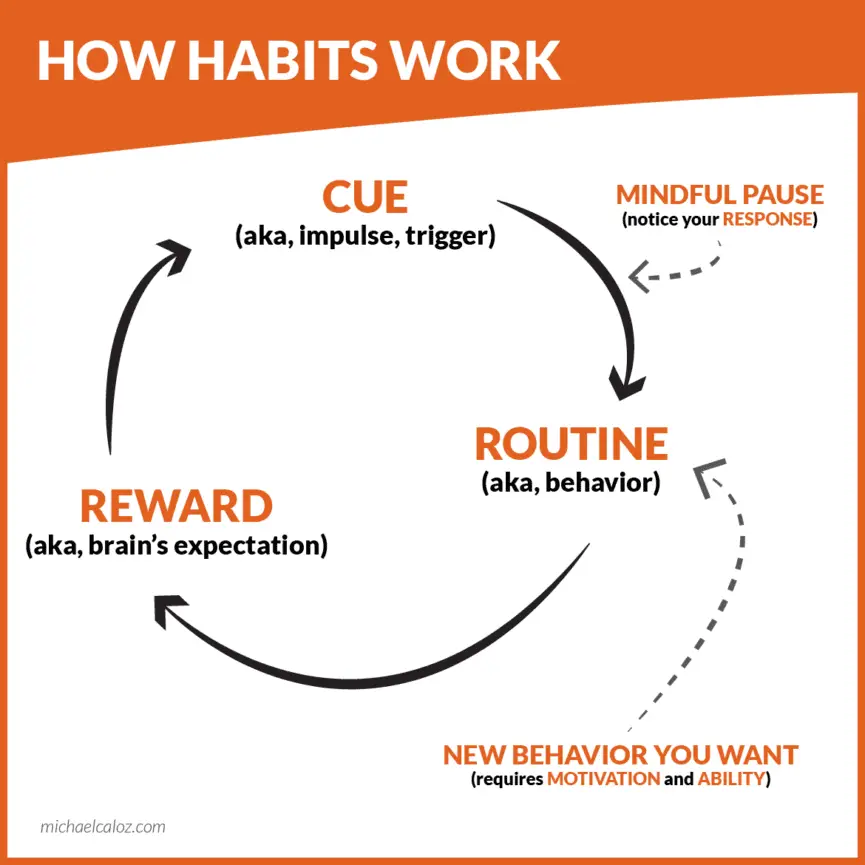
Cravings can also arise from habits and daily rituals. If zaatar has been a part of your breakfast routine—spread over bread or swirled into labneh—your body might be longing for it when that habit is disrupted. We derive comfort from routine, and zaatar cravings could highlight the importance of returning balance to your daily life.
Maybe you’ve skipped breakfast during a hectic week or switched your meal prep to something less familiar. Cravings for zaatar can remind you of the pleasure and stability of those small rituals. To bring comfort back to your mornings, set aside time for a zaatar-accented meal; drizzle it onto eggs or toast with a squeeze of fresh lemon to invigorate your senses.
Journaling Prompt
“Is this craving tied to a habit or routine of mine? How does that routine add meaning to my day?”
Cravings and Binge Eating Disorder

Cravings are a natural part of life, but when they become overpowering or frequent, they may signal deeper issues, such as Binge Eating Disorder (BED). BED often manifests in a cycle many know all too well—starting with restriction, leading to intense cravings and overeating, followed by guilt and a return to restriction. This cycle reinforces emotional and physical distress, making it difficult to break free.
Exploring their root causes is essential to truly address such cravings. These intense urges are often the tip of an emotional iceberg, tied to unmet needs or unresolved feelings. Breaking free begins with compassion and a deeper understanding of what’s driving these patterns.
Top 10 Myths About Cravings for Zaatar
1. Iron Deficiency Connection
While zaatar’s thyme offers iron, cravings are rarely a clear sign of deficiency—it’s usually more complex.
2. Only a Middle Eastern Thing
Zaatar cravings aren’t exclusive to the Middle East; its aromatic charm has global fans.
3. Pregnancy Indicator
Not every zaatar craving points to pregnancy—bold flavors captivate many, pregnant or not.
4. Always Hunger-Driven
Craving zaatar might reflect nostalgia, sensory desire, or emotional needs, not just hunger.
5. One Bite Ends Cravings
Even indulging may not stop the longing—it’s often tied to deeper habits or emotions.
6. Spice Deficiency
Cravings for zaatar’s punchy flavors may signal a spice habit, not a biological need.
7. Cravings Are Random
Strong associations with home, culture, or memories often fuel the urge for zaatar.
8. Health Nut Myth
Zaatar lovers aren’t always health fanatics—it’s loved equally for flavor and simplicity.
9. Always a Snack Fix
Zaatar’s versatility means cravings can lead to creative uses—salads, marinades, and beyond.
10. Cravings Are Just in Your Head
Zaatar inspires physical desire (flavors) and emotional pull (comfort and ritual).
How Eating Enlightenment Handles These Cravings
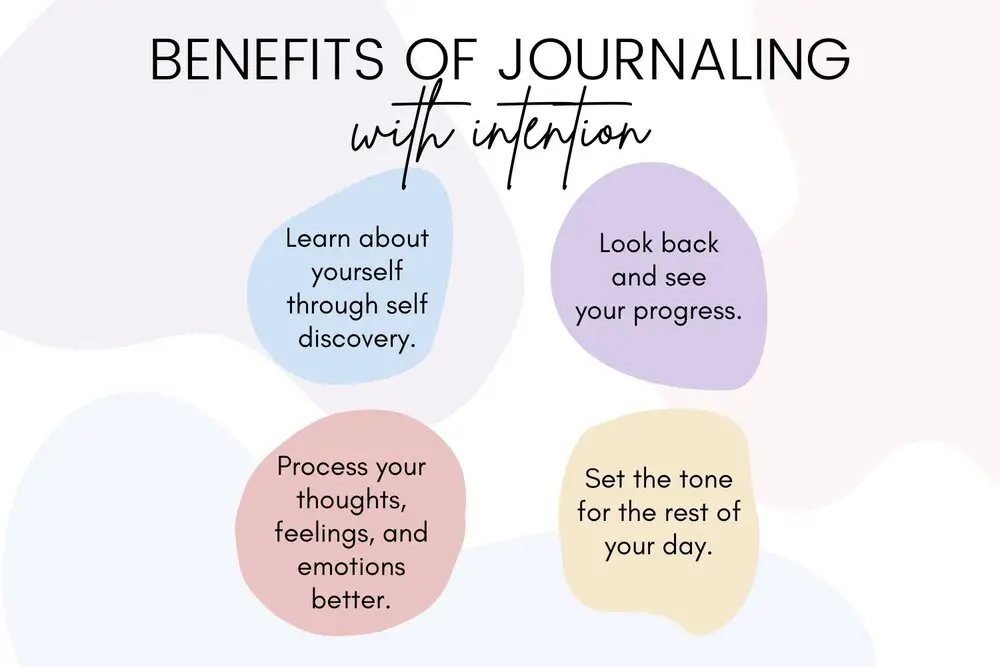
Step 1: Nutritional Journaling
Start by tracking daily meals, hydration, and hunger cues. This helps spot imbalances—perhaps that energy dip in the afternoon means you need a more balanced breakfast. Meeting your body’s physical needs reduces the intensity of cravings.
Step 2: Mindfulness & Trigger Awareness
Use journaling to observe emotional or situational triggers. Reflect on moments leading up to cravings with prompts like, “What was happening emotionally before I felt this urge?”
Step 3: Exploring Inner Patterns & Parts
Dive deeper into the emotional roots of cravings. Use journaling to connect with the part of you seeking comfort or safety. For example, write a letter to your craving, asking what it truly needs and how you can support it beyond just food.
These small but meaningful steps lay the foundation for healthier relationships with cravings and your overall well-being.
Conclusion:

Craving zaatar is more than a passing desire—a signal worth exploring. Every craving holds meaningful insights, whether it’s the unique blend of earthy thyme, zesty sumac, and nutty sesame seeds calling your name or the need for comfort, nostalgia, or nutrients. Zaatar’s irresistible flavors and potential health benefits, like antioxidants and nutrients, make it a standout addition to any pantry.
Remember, cravings are natural and curious invitations to understand yourself better. With tools like the Eating Enlightenment Journal App, you can start tracking your eating patterns, uncover the emotional or physical cues behind your cravings, and make more mindful choices. It’s an empowering way to take charge of your relationship with food and to nourish both body and soul.
Why not start today? Download the free Eating Enlightenment Journal App to begin your reflective food journaling. Explore other resources, like articles on mindfulness and eating patterns, to deepen your understanding of cravings and to create a more intentional connection to your dietary habits.
Cravings, including those for zaatar, can be a doorway to self-discovery and healing. By approaching them with curiosity, you’ll discover delicious new ways to enjoy zaatar and a richer connection to yourself and your well-being. Make zaatar a part of your culinary adventure—and your path to mindful nourishment.