


Bread, a staple in nearly every culture, has a unique ability to comfort and nourish. Whether it’s a warm, fresh loaf or a slice generously spread with butter, the experience of eating bread can feel soothing.
But beyond its delicious simplicity, bread plays a role in our diet, can influence our mood, and even provide opportunities for mindfulness.
In this post, we’ll explore the nutritional benefits of bread, the practice of mindful eating, and how such comfort foods can play a part in self-care and healing.
Nutritional Value of Bread
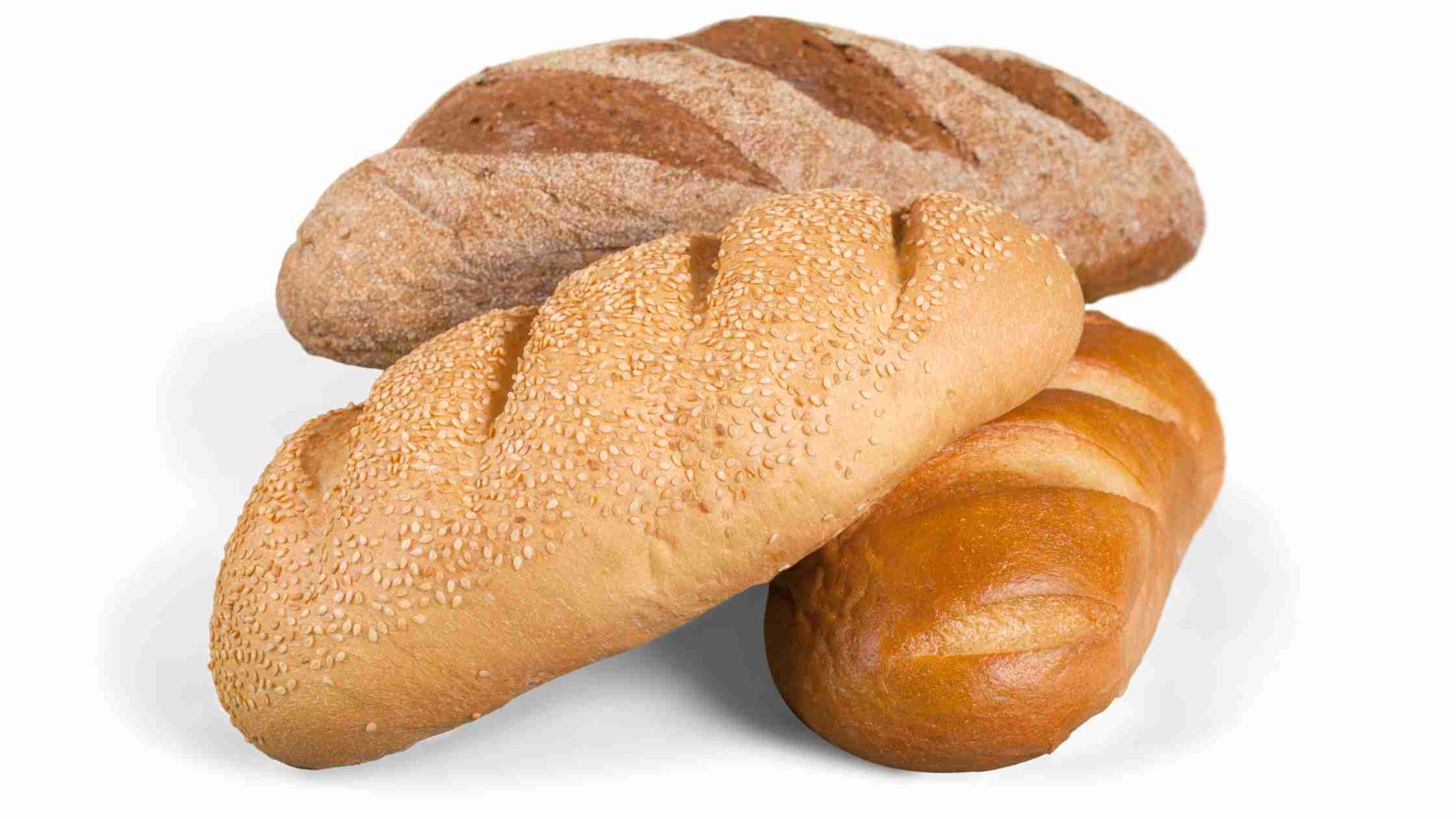
Bread, in its various forms, offers a mix of carbohydrates, fiber, and essential vitamins and minerals. While different types of bread have varying nutritional profiles, here’s a breakdown of some key components:
- Carbohydrates: Bread is a significant energy source due to its carbohydrate content. Carbohydrates are the body’s preferred energy source, fueling our daily activities.
- Fiber: Whole grain bread, in particular, provides dietary fiber, which is essential for maintaining healthy digestion. Fiber helps to regulate blood sugar levels and supports heart health by lowering cholesterol.
- Vitamins and Minerals: Bread is often fortified with essential nutrients like iron, folic acid, and B vitamins. These vitamins help with energy production and the formation of red blood cells.
- Protein: While not as high as other sources, bread does contain a small amount of protein, especially when made with whole grains or seeds.
Types of Bread and Their Benefits
- Whole Grain Bread: Rich in fiber and nutrients, it supports heart health and keeps you full longer.
- Sourdough Bread: Naturally fermented, sourdough bread can be easier to digest for some and may help absorb nutrients.
- Gluten-Free Bread: This bread is suitable for people with celiac disease or gluten sensitivities, though it may contain fewer nutrients than traditional bread unless fortified.
Bread and Mindful Eating
There’s something intrinsically soothing about eating fresh bread, especially when paired with butter. This combination often brings us back to simple, comforting moments of childhood or relaxation. By incorporating mindful eating, we can turn eating bread into a calming ritual that nourishes both body and mind.
Practicing Mindfulness with Bread
Mindful eating encourages slowing down and paying attention to the experience of food. Here’s how to do it with bread:
- Observe: Take a moment to look at the bread. Notice its color, texture, and aroma.
- Appreciate: Before you take a bite, express gratitude for the meal and the hands that prepared it.
- Savor: With each bite, focus on the flavors, the softness of the bread, the creaminess of the butter, and the sensations as you chew.
- Feel Fullness: Mindful eating helps you listen to your body’s hunger and fullness cues. Bread is filling, but tuning in when you feel satisfied prevents overeating.
Slowing down while enjoying simple, wholesome foods like bread can provide mental relief and comfort, reducing stress and anxiety.
Bread as a Symbol of Comfort and Healing

For many people, bread has deep emotional ties. The act of baking, the smell of fresh bread, or simply enjoying a slice of butter can evoke memories of warmth, family, and home. These associations can be potent in healing from emotional trauma or managing stress.
Pros of Bread:
- Source of Carbohydrates and Energy:
- Bread is a good source of carbohydrates, providing quick and sustained energy, essential for daily activities and overall body function.
- Wide Variety of Options:
- Bread comes in many forms, including whole grain, sourdough, rye, gluten-free, and more, catering to different tastes and dietary needs.
- Rich in Essential Nutrients:
- Many breads, especially whole grain varieties, are rich in fiber, vitamins (such as B vitamins), and minerals like iron and magnesium, contributing to a balanced diet.
- Convenient and Versatile:
- Bread is easy to prepare and highly versatile. It can be used in a variety of meals, such as sandwiches and toast, or as a side for soups and salads.
- Affordable and Accessible:
- Bread is relatively inexpensive and available in most parts of the world, making it an accessible food for many people.
- Comfort Food:
- For many, bread is a comfort food that evokes warmth and nostalgia. Freshly baked bread, especially with butter, can provide emotional satisfaction.
- Filling:
- Bread is filling and can help stave off hunger, making it a good option for those who need a quick meal or snack.
Cons of Bread:
- High Glycemic Index:
- Some types of bread, particularly white bread, have a high glycemic index (GI), which can cause rapid spikes in blood sugar levels. This can be problematic for people with diabetes or insulin resistance.
- Refined Carbohydrates:
- White bread and other refined types are often stripped of their nutrients and fiber, providing little nutritional value and contributing to unhealthy weight gain if consumed in excess.
- Gluten Sensitivities:
- Bread contains gluten, which can cause digestive issues for people with celiac disease or gluten sensitivity. Consuming bread can lead to discomfort, inflammation, or more serious health problems.
- Potential for Overconsumption:
- Due to its widespread availability and appealing taste, bread is easy to overconsume. Excessive consumption can lead to weight gain, especially when paired with calorie-dense toppings like butter or spreads.
- Additives and Preservatives:
- Some commercially produced bread contains additives, preservatives, and artificial ingredients to prolong shelf life or enhance flavor, which may be better for those seeking whole, unprocessed foods.
- Nutrient Deficiency in Some Varieties:
- White and processed bread lacks the nutrients and fiber found in whole-grain options, which can lead to missed opportunities for better nutrition.
- Caloric Density with Toppings:
- While bread alone might be moderate in calories, adding butter, jam, or other spreads can significantly increase caloric intake, leading to overconsumption if not monitored.
Healing Trauma through Simple Rituals
Food rituals, like baking or eating bread, can serve as grounding activities for those recovering from trauma. These rituals create a sense of safety and structure, reminding us that even in difficult times, there are small, predictable moments of joy to be found. Cooking or sharing a meal is also a way to reconnect with loved ones, foster a sense of community, and ease feelings of isolation.
In some therapeutic settings, activities like mindful journaling about food experiences or recalling the comfort of simple meals can be part of a broader healing process.
Writing down thoughts about food memories, how certain foods make us feel, and reflecting on how we care for our bodies can support emotional recovery. This practice allows people to connect the nourishing aspects of food with emotional well-being.
Conclusion: Bread – Simple, Comforting, and Nourishing

Bread, whether freshly baked or enjoyed with a simple pat of butter, is more than just food. It’s a source of energy, a symbol of comfort, and an opportunity for mindfulness and self-care.
While it’s essential to understand its nutritional value, it’s equally important to recognize how bread can play a role in our emotional health. The next time you sit down with a piece of bread, take a moment to savor the taste and the peace and comfort it brings to your body and mind.
Incorporating small, mindful rituals around food can transform everyday meals into healing moments, reminding us that comfort, much like bread, can be simple yet profoundly fulfilling.
FAQs About Eating Bread

Is bread sour for your health?
- Not necessarily. The healthiness of bread depends on the type and how much you consume. Whole-grain and multi-grain bread can be part of a balanced diet, providing fiber, vitamins, and minerals. However, refined breads like white bread may contribute to weight gain and lack essential nutrients.
Can bread be part of a weight loss diet?
- Yes, in moderation. Opt for whole-grain breads that are high in fiber, which can help you feel fuller for longer and prevent overeating. Be mindful of portion sizes and avoid highly processed breads with added sugars and fats.
What is the healthiest type of bread?
- Whole-grain bread is often considered the healthiest option due to its high fiber content, essential nutrients, and ability to help with digestion. Fermented sourdough bread can also be easier to digest and more nutritious.
Is gluten-free bread healthier than regular bread?
- Not necessarily. Gluten-free bread is essential for those with celiac disease or gluten sensitivities. However, it may be less nutritious and higher in sugar or fat than whole grain options unless fortified with nutrients.
How much bread is safe to eat daily?
- It depends on your dietary needs. For most people, 1-2 slices of whole grain bread a day can be part of a balanced diet. However, it’s also essential to consider your overall carbohydrate intake from other foods.
Does eating bread cause weight gain?
- Overeating any food, including bread, can lead to weight gain. Bread is high in calories and carbohydrates, so portion control is critical. Whole grain breads, which are more filling, may help you avoid overeating.
What’s the difference between whole grain and white bread?
- Whole grain bread uses the entire grain (bran, germ, and endosperm), which retains more nutrients and fiber. White bread is made from refined flour, where the bran and germ are removed, resulting in fewer nutrients and less fiber.
Can people with diabetes eat bread?
- Yes, but it’s essential to choose bread with a low glycemic index (like whole grain or sourdough bread) and monitor portion sizes. White bread and other refined grains can cause blood sugar spikes and should be eaten in moderation.
Is bread good for digestion?
- Due to its high fiber content, whole-grain bread can promote healthy digestion and help regulate bowel movements. On the other hand, white bread can be harder on digestion and may contribute to constipation if eaten in excess.
Why do people associate bread with comfort?
- Bread is often considered a comfort food because of its warmth, softness, and nostalgic ties to home-cooked meals. The smell of freshly baked bread can evoke feelings of relaxation and satisfaction.
Can I eat bread if I’m gluten intolerant?
- If you have gluten intolerance or celiac disease, you should avoid regular bread and opt for gluten-free alternatives. Many gluten-free bread options are made from rice, quinoa, or almond flour.
Is sourdough bread better than regular bread?
- Sourdough bread has some potential health benefits over regular bread. It’s naturally fermented, which can make it easier to digest and more nutritious by promoting the growth of beneficial bacteria. It also has a lower glycemic index, meaning it has less impact on blood sugar levels.
Does toasting bread reduce its calories?
- No, toasting bread does not reduce its calorie content. Toasting removes moisture, making the bread crispier, but the calories remain the same.
Why does bread get a bad reputation?
- Bread often gets a bad reputation because highly processed breads, like white bread, are stripped of nutrients and fiber and can cause blood sugar spikes. Moreover, the overconsumption of bread (especially with calorie-dense toppings) can lead to weight gain.
Can eating bread help improve mood?
- Bread’s carbohydrates, especially whole-grain varieties, can increase serotonin levels in the brain, which may boost mood. However, balance is key—overeating bread, especially refined kinds, can lead to energy crashes and negative mood effects.