


It starts with that unmistakable zing—one bite, and the wasabi’s fiery heat rushes to your senses, leaving you both startled and oddly delighted. But what happens when this bold, green condiment pops into your mind most unexpectedly?
Maybe you’re scrolling through a menu that is nowhere near sushi, yet the thought of wasabi’s kick is all you can focus on. If you’ve wondered, “Why am I craving wasabi so intensely?”—you’re not alone, and your curiosity might have more to reveal than you think.
Cravings are a fascinating way of connecting food to our bodies, minds, and emotions. While the sharp heat of wasabi may feel random at first glance, those cravings could hold deeper layers worth exploring.
This post will explore four insightful reasons behind your wasabi obsession, from possible nutrient needs to cultural influences and even how these cravings relate to your emotional landscape.
What’s more, we’ll move beyond simply explaining these cravings. Together, we’ll explore holistic tools, like journaling and mindfulness, to help you tune into what your body might be trying to communicate.
Cravings are not just impulses to act on but opportunities for self-discovery. By the end, you’ll have a clear and compassionate way forward—one step closer to a balanced, peaceful relationship with your cravings and yourself.
#1 Is Your Body Trying to Tell You Something?
Have you ever been struck by a specific and intense craving that makes it feel like your body is trying to send you a message? A sudden longing for wasabi, with its fiery zing and unmistakable pungency, could be one of those moments.
But what if this craving isn’t random? Could your body be trying to communicate a more profound need? Cravings often signal physical imbalances, such as nutrient deficiencies, making them essential to explore. When it comes to wasabi, your body may be craving more than just a daring bite—it might ask for attention and care.
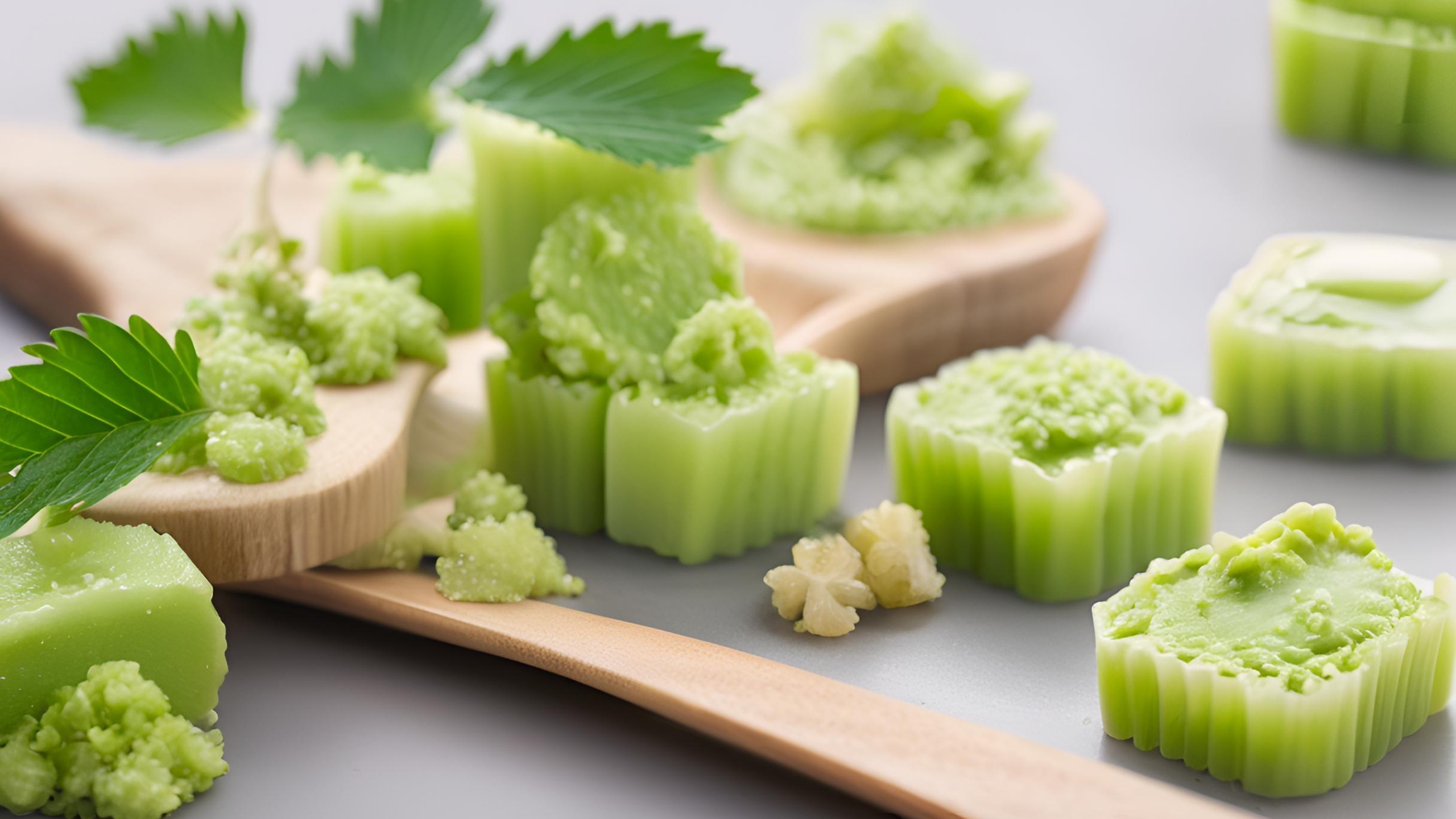
Wasabi is more than a sushi-night sidekick. Rich in compounds like isothiocyanates, it’s known for its anti-inflammatory and digestive benefits. If you’re consistently craving this unique spice, it could indicate a lack of variety in your diet.
Perhaps your meals have become repetitive, leaving your body yearning for sensory excitement and nutritional balance. Or maybe your system needs anti-inflammatory support, nudging you toward the sharp heat of wasabi as a potential solution.
This is where nutritional journaling becomes a transformational tool. Use these moments of craving to pause and reflect. Ask yourself:
- “What have I eaten in the past three days? Are there food groups I’m ignoring or consuming too much of?”
- “How do I feel physically energized, sluggish, or lacking something after meals?”
Your answers can help uncover patterns. For example, are you skipping nutrient-dense foods like leafy greens, bright citrus, or fiber-packed veggies? These elements provide the variety and nourishment your body thrives on but may be overlooked. Wasabi’s intriguing heat may be your system’s saying, “I need more vibrancy.”
Once you’ve identified these gaps, take action. Incorporate deeply nourishing foods into your daily routine. Add greens such as kale or spinach—renowned for their anti-inflammatory power—or swap processed snacks for fiber-rich options like carrots or ginger. Even mild spice alternatives, such as paprika or horseradish, can bring variety to your meals and satisfy your body’s yearning for flavor without leaning entirely on potent wasabi.
Cravings aren’t something to fear or dismiss. By treating them as opportunities to listen to your body, you turn a moment of perceived indulgence into an act of self-awareness and care. With a bit of reflection and thoughtful nutrition tweaks, your wasabi craving may be a stepping stone to more excellent health and vitality.
#2 Cravings Rooted in Your Culinary Experiences
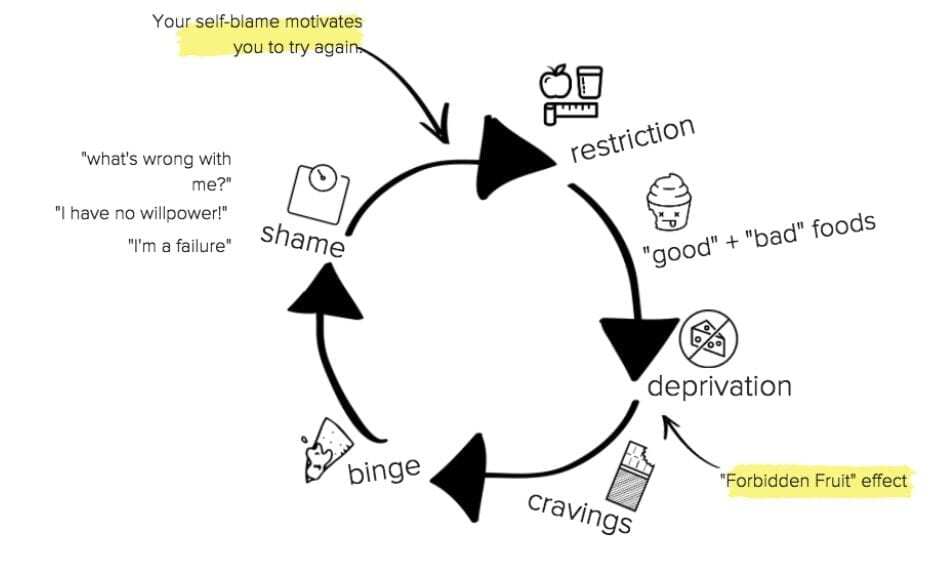
Food cravings can be as much a trip down memory lane as a physiological call. When was the last time you enjoyed wasabi? Was it alongside friends at your favorite sushi spot? Or perhaps it reminds you of a time when you explored an exciting new dish or bonded with loved ones over Japanese cuisine.
Cravings often have emotional roots, and wasabi’s unique flavor is so closely tied to cultural and culinary experiences that it might stir up far more than taste buds—it could evoke warmth, joy, and connection.
Over the years, Japanese cuisine has become increasingly popular for its flavors and the feelings it conjures. Wasabi is often associated with the ritual of sushi dining—fresh fish, artful preparation, and conversation that extends long into the night. If you’ve developed a love for sushi, those experiences may have made wasabi a symbol of comfort or celebration. This connection could explain why the thought of its sharp, invigorating flavor feels so irresistible.
Reflecting on this connection can deepen your understanding of where your craving comes from. Journaling prompts such as these may help:
- “What memories or social experiences do I associate with wasabi or other spicy foods?”
- “How does eating wasabi make me feel? Does it remind me of a specific event, time, or place?”
Once you’ve identified the emotional role that food has played in your life, take steps to intentionally recreate the positive aspects of those experiences. Host a sushi night at home, preparing dishes slowly and carefully. Savor the spectrum of flavors and textures while focusing on the warmth of connection—whether with friends or yourself.
Wasabi cravings may be rooted in far more than flavor; they can remind us of the joy found in community and shared moments. By examining your craving through this lens, you can tap into the deeper meaning behind those tastes you love.
#3 The Intoxicating Dance of Spice and Heat

There’s something undeniably thrilling about the bold kick of wasabi. It doesn’t just gently tempt your taste buds—it fully commands your attention. Why? The unique flavor profile of wasabi delivers a sensory punch that’s hard to replicate. Cravings for it may stem from a desire for novelty, excitement, or even an endorphin rush—reminding us that food cravings are not always about hunger but occasionally about our search for stimulation and adventure.
Spicy foods, including wasabi, have an interesting effect on the body. They can trigger the release of endorphins—the feel-good chemicals that create a euphoric “high.” It’s why some people can’t get enough fiery condiments or spicy snacks. Beyond biology, this craving for intense flavor might be serving another role. If your daily life feels mundane or lacking in variety, your palate may seek the thrill of spice.
To better understand what lies beneath the surface of your craving, try these journaling prompts:
- “What specifically draws me to this flavor—heat, excitement, or something else?”
- “Am I looking for stimulation in other areas of my life? How can I channel that energy creatively?”
Once you’ve pinpointed your motivations, experiment with diversifying how you satisfy them, expand your spice horizons with tangy horseradish or various mustards to broaden your sensory experience. Practice mindful eating by savoring even small servings of wasabi, focusing on the sensations and emotions it brings. This step helps shift the craving from an automatic response to an intentional enjoyment.
Cravings for bold flavors like wasabi often represent a desire for something “extra” in life—a spark that excites you momentarily. You can meet that need by exploring new flavors and creative outlets while keeping a balanced perspective on your relationship with food.
#4 Comfort Comes in Mysterious Ways
Sometimes, the cravings we experience aren’t just about taste—they’re about what we’re feeling (or avoiding feeling). Have you noticed that your longing for wasabi peaks when you’re stressed, tired, or overwhelmed? The sharp burst of heat that takes over your senses may be a welcome distraction during emotionally heavy moments. Cravings, as much as they connect to flavor, often have their roots in emotional layers.
For some, spicy cravings emerge during periods of stress or anxiety. Foods like wasabi can provide a momentary escape or relief, shifting your focus toward the here and now. However, it’s essential to differentiate between cravings driven by curiosity versus those masking unmet emotional needs. Learning to understand your emotional triggers is key if stress is the culprit.
Discover the connections through mindful journaling. Consider prompts like:
- “What was happening in my life right before I started craving this?”
- “If I wasn’t craving wasabi right now, what emotion would I be sitting with?”
Once you’ve uncovered emotional patterns, use small but powerful tools to address those needs directly. Deep breathing, gentle stretching, or even practicing slow, mindful bites can help ground you in moments of overwhelm. These practices shift the focus from food as a coping mechanism to meaningful self-care.
Your relationship with food, including wasabi, can become a guide to deeper awareness. By mindfully attending to the emotional roots of your cravings, you not only address present stressors but also foster a healthier connection with yourself. Over time, cravings become less about filling a void and more about authentic enjoyment.
The Benefits of Incorporating Wasabi Into Your Diet

Wasabi isn’t just a sushi staple; it’s a flavor-packed addition to your diet with numerous health perks. Here’s why this green delight deserves a spot on your plate:
1. Nutrient Boost
Wasabi’s isothiocyanates provide antioxidant and detoxifying benefits, helping protect cells and rid the body of toxins. Even small amounts deliver potassium, calcium, and vitamin C, supporting bone health and immunity.
2. Anti-Inflammatory Properties
Its natural compounds help reduce inflammation, benefiting those managing arthritis or heart health. Incorporating wasabi can complement anti-inflammatory diets.
3. Digestive Support
Known for its antibacterial effects, wasabi protects gut health and combats foodborne bacteria, making it a functional and flavorful addition to meals.
4. Circulation Enhancement
Wasabi promotes healthy blood flow by reducing platelet clumping, contributing to cardiovascular health and overall circulation.
5. Immune Support
Its modest vitamin C content helps boost immunity when paired with other vitamin-rich foods, perfect for an overall nutrient-dense meal plan.
6. Exhilarating Flavor
Wasabi brings quick, bold heat that enhances fatty tuna, creamy dressings, or roasted veggies, offering a unique and refreshing taste profile.
7. Cultural Significance
Highly valued in Japanese cuisine for its flavor and antibacterial properties, wasabi is indispensable in sushi culture and traditional remedies.
8. Culinary Creativity
Go beyond sushi! Use wasabi in salad dressings, mashed potatoes, deviled eggs, or hummus for a zesty kick. Try wasabi-flavored snacks like roasted peas or infused butter on grilled fish.
9. Mindful Eating
Wasabi’s intensity encourages slower, more mindful eating. Its flavor keeps you engaged, allowing for a satisfying dining experience.
Adding a dash of wasabi can transform your meals with its vibrant taste and health benefits. It’s a versatile and rewarding ingredient for traditional or modern cuisine.
Closing Thoughts
Cravings—like the fiery pull of wasabi—carry more meaning than we often realize. By exploring their roots, we uncover valuable insights into our bodies and minds, whether they’re a nutrient deficiency, cultural ties, sensory excitement, or emotional comfort. These moments of desire can transform from fleeting indulgence into powerful opportunities for mindful eating and personal growth.
Next time you feel that distinctive craving creeping in, take a moment. Pause, breathe, and reflect on what your body is asking for. Is it variety? Connection? A burst of excitement? Each craving allows you to tune in and nurture yourself more profoundly and thoughtfully.
The free Eating Enlightenment Journal App is here to guide you through this process. With tools to track and analyze your eating patterns, this app makes it simple to identify trends, recognize triggers, and understand your cravings on a whole new level. It’s more than food tracking—building a compassionate, intuitive connection with your body.
Why not start today? Download the app to begin your path toward healthier habits and a balanced relationship with food. Cravings aren’t weaknesses—they’re gateways to self-discovery. With a journal in hand and curiosity in your heart, true peace with food starts here.