


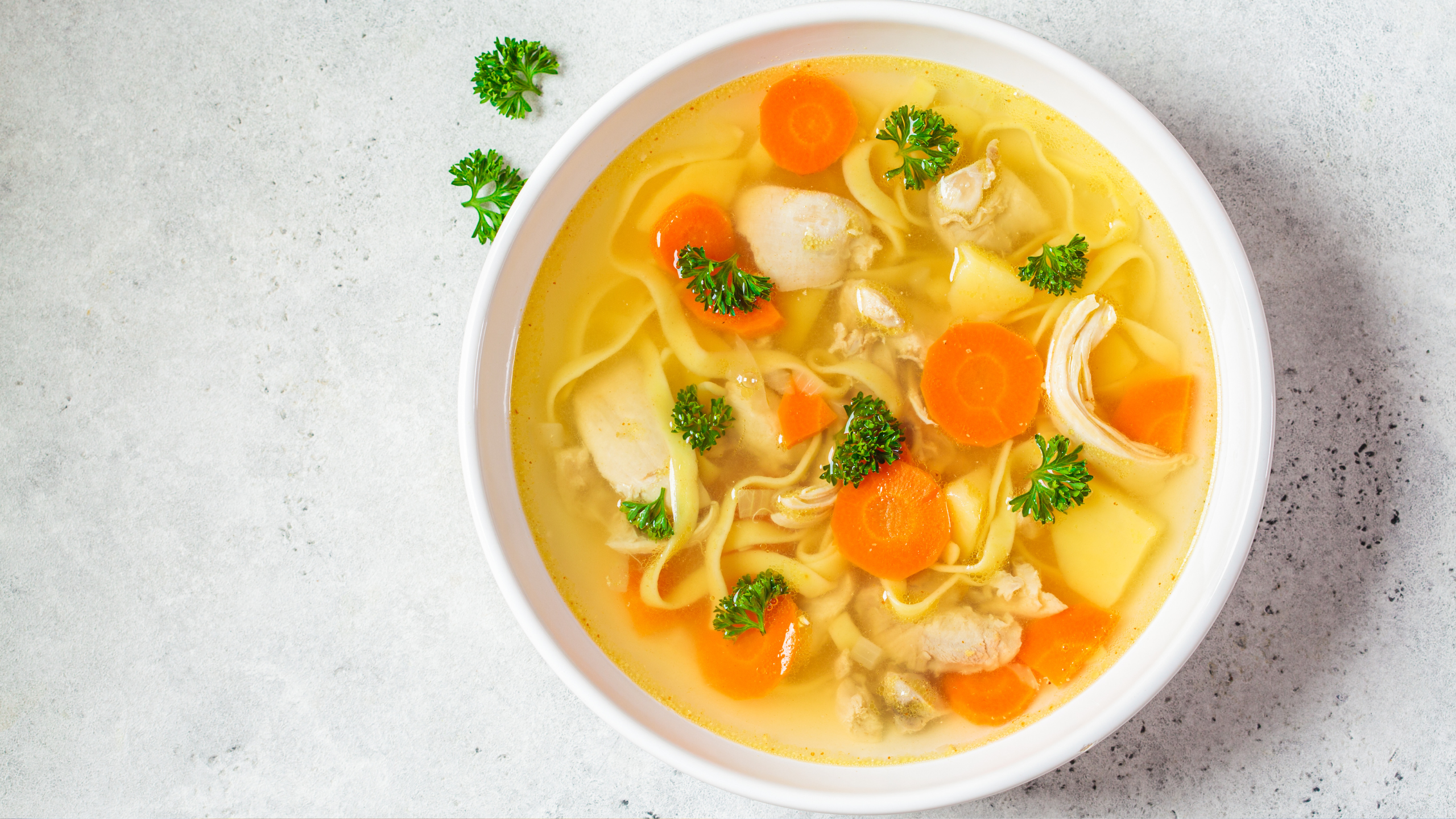
Ever find yourself walking in the door on a chilly day, shaking off the cold, and suddenly all you can think about is a steaming bowl of vegetable soup? Cravings like this might feel random, but they’re often anything but. Whether it’s the nourishing warmth or the vibrant mix of flavors, this longing for a humble bowl of soup is rooted in more than just hunger. Cravings are like little messages from your body and mind, offering clues about what you need physically, emotionally, and psychologically.
What if you could unravel those clues and understand what’s behind that urge? It’s about wanting to eat and tapping into your deeper needs and patterns.
At Eating Enlightenment, we believe cravings are invitations to explore yourself with kindness and curiosity. Journaling these feelings can turn a simple food desire into a moment of self-awareness, connecting you to what your body and soul might need.
So, why are you craving vegetable soup? Let’s explore five fascinating reasons that might help you understand more about yourself. Grab a cozy spot, and let’s uncover the layers!
5 Reasons You Might Be Craving Vegetable Soup
#1 Nutritional Needs
Have you considered that your body might send you a message through your craving for vegetable soup? When you dream of a hearty, veggie-packed broth, it could be your body’s way of nudging you toward essential nutrients like vitamins A, C, or K, fiber, or even hydration. These nutrients are vital in energizing you, supporting your immune system, and aiding digestion. Veggie-loaded soups often burst with these benefits, making them a bright and satisfying choice when your body feels depleted.
Take a moment to reflect on your meals over the past few days. Has your diet felt balanced, or are there gaps you’ve glossed over? Sitting down with a journal, you might ask yourself, “Am I consistently feeding my body the nutrients it needs? How do I feel before and after eating vegetable-based meals?” Identifying patterns like low energy could help you pinpoint what’s missing and guide you toward nourishing choices.
Research emphasizes the link between nutrient-rich meals and overall health. Cravings for foods like vegetable soup are not random; they often signal an intuitive pull toward your body’s needs. Listening to these cravings with curiosity and mindfulness can bring you closer to feeling your best.
#2 Seasonal Changes

Picture this: the first chill of autumn settles in, and suddenly, your mind drifts to soft sweaters and that warm, soothing bowl of vegetable soup. Seasonal shifts often awaken our primal urge to seek comfort and warmth, and hearty soups effortlessly fit the bill. Your craving might align with the changing weather as your body responds to the environment and seeks foods that bring internal coziness.
Journaling can uncover how these shifts affect your cravings. After a particularly rainy or gloomy day, ask yourself, “How do my cravings change with the seasons? What feelings do I notice when eating warm, hearty meals?” Tracking patterns lets you learn how weather, light changes, and even mood influence your choices.
Interestingly, studies have linked food preferences in colder months to emotional wellness. Seasonal foods like soup may help combat winter slumps or seasonal affective disorder. Exploring the ebb and flow of your cravings throughout the year is enlightening and could help anchor you during seasonal turbulence.
#3 Emotional Comfort
Think back to a time when soup meant more than just dinner. Maybe it was a cherished family recipe made by soothing hands or the smell of a comforting bowl wafting through the kitchen on a stormy evening. Cravings for vegetable soup aren’t purely physical; they often stem from a yearning for emotional safety and nostalgia. There’s something deeply grounding about scooping up each bite, especially when the flavors echo memories of love and care.
Ask yourself, “What feelings or memories come up when I think about vegetable soup? Does this craving connect to a person or moment?” Journaling on this prompt can help you untangle the threads between the food and your heart. Perhaps a craving for soup represents a need to feel nurtured during a stressful or uncertain phase.
Studies affirm that comfort foods can profoundly impact emotional well-being, offering temporary solace during hard days. Recognizing this can open the door for deeper connections between food and feelings. Sometimes, meeting the mood the craving represents may be the nourishment you need.
#4 Dietary Habits
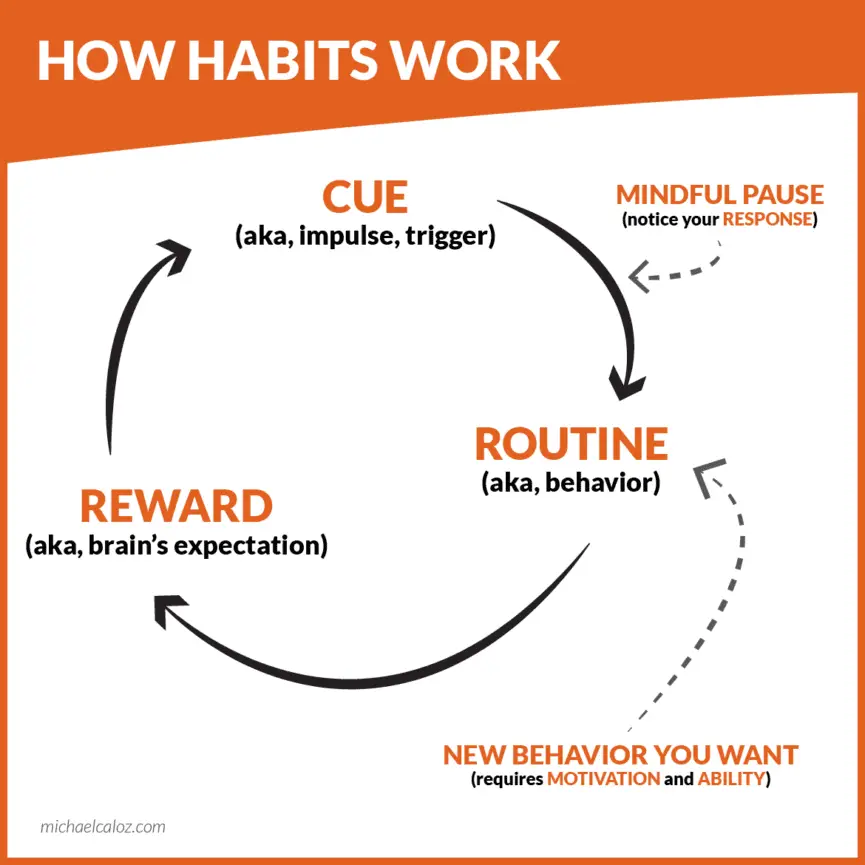
If you’ve recently been eating less greens or leaning on less satisfying meals, craving vegetable soup might be your body’s way of nudging you back into balance. Those following plant-based or lighter dietary routines might find soup appealing because it combines nutrients with comfort. Its warm, filling nature can offer that sense of wholeness you might have been missing.
Reflect on your recent meals by journaling about them with a prompt like, “What have my eating habits looked like recently? How does soup support how I want to nourish myself?” Patterns in your diet, such as skipping balanced meals, might show you why your body craves the fulfillment that soup yields.
Research points out how specific dietary habits leave nutrient voids that the body intuitively tries to fill. By tuning in through mindfulness and reflective journaling, you can uncover how vegetable soup might fit into elevating your eating habits, not just responding to momentary cravings.
#5 Specific Health Benefits

Vegetable soup offers more than flavor. Packed with hydration, easily digestible nutrients, and immune-boosting ingredients, it may be your body’s way of seeking recovery or repair. After a long day, illness, or stress, a craving for soup could signify your body’s innate intelligence guiding you to what it needs most to reset.
Have you noticed how certain meals make you feel more alive than others? Use this as an exploration prompt in your journal, “Does vegetable soup make me feel good or renewed? How does my body respond to wholesome meals?” The answers might lead you to greater awareness about how your diet and food choices impact your vitality.
Scientific evidence highlights the link between balanced, nutrient-rich meals like soup and improved gut health, hydration, and overall immunity. Listening to your body and giving it what it asks for through simple, healing foods like vegetable soup is an act of self-compassion and empowerment.
Fun and Intriguing Facts About Cravings for Vegetable Soup

- Bursting with Nutrients
Cravings for vegetable soup might signal your body’s craving for essential nutrients like [vitamin A from carrots] or [fiber from leafy greens], which are necessary for boosting energy and gut health. - Hydration Hero
Tied to its broth base, vegetable soup helps hydrate your body while delivering a blend of flavorful veggies. If dehydrated, your body might direct you to this comforting solution. - Warmth and Comfort
Psychologically, cravings for warm soups often link to feelings of safety and nostalgia, reminding you of home-cooked meals from childhood. - Seasonal Bliss
Cooler weather often sparks a natural desire for hearty soups, as the body seeks internal warmth to match the season’s chill. - Cultural Connections
Across different cultures, soups hold deep significance, symbolizing healing, love, or celebration. Your craving may connect to memories or traditions. - Natural Immunity Boost
Ingredients like [garlic], [ginger], or [root vegetables] have immune-boosting properties, making soup a go-to option when you’re feeling under the weather. - Digestive Reset
Easy-to-digest soups can support gut health, especially post-illness or indulgence, signaling a craving rooted in the need to recover. - Stress Relief in a Bowl
Savoring soup can soothe your nervous system and bring a sense of calm, which is ideal for balancing a frazzled mind. - Craving Balance
If you’ve been consuming heavy or highly processed foods, your craving for vegetable soup might reflect your body’s intuitive pull toward lighter, wholesome meals. - Endless Customization
Your craving might be for creativity! With endless mix-and-match options of [specific vegetables], herbs, and spices, veggie soup keeps your kitchen adventurous and fun.
Cravings and Binge Eating Disorder

Imagine sitting at work and suddenly craving something comforting, like a warm bowl of vegetable soup. Cravings often feel random but aren’t always rooted in physical hunger. Sometimes, they’re signals of emotional unrest, stress, or even an early warning sign of binge-eating patterns. These fleeting desires are more than food-related; they invite us to explore reasons beneath the surface and understand ourselves better.
Cravings can reveal how we cope with stress or restrictive diets. For example, anxiety or overwhelming feelings might trigger cravings for comfort rather than nourishment. Far from a sign of weakness, cravings communicate what your mind and body need, making it crucial to understand their depths.
The Binge-Diet Cycle
Binge-diet cycles often start with restrictions to maintain control over food choices. Deprivation triggers intense cravings, leading to indulgent eating. This temporary relief is usually followed by feelings of shame and renewed restriction, creating a chaotic, exhausting relationship with food.
Breaking this cycle requires a mindset shift. Instead of rigid control, explore your cravings with curiosity. Ask yourself what emotions or triggers arise before your cravings. Patterns like these often reveal deeper needs beyond food alone.
Actionable Step
Start by observing cravings without judgment. Journaling is a powerful tool to recognize patterns. Note what triggers your cravings, whether skipping meals, a tense conversation, or lonely evenings. Instead of restrictive control, aim to meet your needs gently by indulging small cravings in a balanced way while learning from them.
How Eating Enlightenment Handles Cravings

The Eating Enlightenment approach reframes cravings as opportunities for self-discovery through mindful, step-by-step practices.
Step 1: Nutritional Journaling
Track when and what you eat and how it makes you feel without judging. Maybe your afternoon cravings result from skipped protein at lunch, or stress soothed with sugar. This step focuses on gaining understanding, not control.
Step 2: Mindfulness of Triggers
Analyze recurring patterns by journaling emotional or situational triggers. For instance, do snacks follow emotionally tough decisions or stressful conversations? These insights show how external factors shape cravings, helping you respond consciously.
Step 3: Healing Inner Parts
Cravings often reflect deeper, unresolved emotions. Journaling can help uncover past pain or habits tied to food. Kindness and curiosity toward yourself in this step allow healing and transformation, nurturing a healthier relationship with food.
An Invitation to Grow
Cravings aren’t the enemy; they’re a key to understanding yourself better. Whether you are craving soup on a rainy day or snacks during a tough afternoon, every urge can teach you something valuable. Journaling and approaching your patterns with kindness lays the foundation for deeper self-awareness and healing.
Try tonight’s journal prompt: “What cravings did I feel today, and what emotions were behind them?” By exploring cravings with curiosity and compassion, you move closer to nourishing your body and mind in a way that enriches your life.
Conclusion
Cravings, like the one for a comforting bowl of vegetable soup, are more than just fleeting desires. They’re windows into your deeper nutritional, psychological, or emotional needs. Through exploring the five reasons behind these cravings, we’ve seen how they can reveal gaps in hydration, trigger nostalgic memories, align with seasonal changes, or reflect your body’s innate desire for balance and restoration. These urges are opportunities for self-awareness, helping you tap into the unique connection between what you eat and how you feel.
Taking small steps, like starting a food journal, can help you decode the unique messages behind your cravings. The Eating Enlightenment Journal App is more than just a tool; it’s a companion to guide you in tracking your cravings, noticing patterns, and making thoughtful, informed choices. Using the app to document your eating habits, you’ll gain actionable insights into your body’s needs and cultivate a healthier, more mindful relationship with food.
Why not take a deeper look at your soup cravings? Try creating colorful, nutrient-packed recipes, explore mindfulness practices to support your eating habits, and download the Eating Enlightenment Journal App today. It’s your first step toward listening to your cravings, nourishing your body, and creating a vibrant, sustainable lifestyle. Your cravings have a story to tell, so take the opportunity to uncover it now!