


Navigating menopause comes with many surprises—hot flashes, disrupted sleep, fluctuating emotions, and, for some reason, an insatiable craving for sugar.
You’re not imagining it—those sudden urges for sweets are your body signaling more profound changes.
These cravings can feel frustrating, especially if they come out of nowhere. But beneath them lies a powerful opportunity for self-care, healing, and balance.
Understanding why your body craves sugar during menopause can empower you to respond with compassion rather than judgment.
Here are 12 reasons you may be craving sugar during this stage of life, along with practical suggestions to help you manage—and even learn from—these cravings.

Reason #1: Hormonal Changes During Menopause
During menopause, declining levels of estrogen and progesterone wreak havoc on your body’s usual processes. These hormones play a vital role in regulating insulin, the hormone responsible for blood sugar levels.
When estrogen decreases, it can interfere with how your body processes hunger and fullness, leading to more intense sugar cravings. You might notice these cravings spike at specific times, like during an energy dip in the afternoon or a particularly emotional moment.
Take a moment to pause before reaching for that chocolate bar. Use a journal to reflect on patterns in your cravings. Do they show up mid-afternoon or after a busy day? Are certain emotions, like frustration or sadness, tied to them? Journaling these clues can help you uncover the story your cravings are telling.
Reason #2: Increased Insulin Resistance
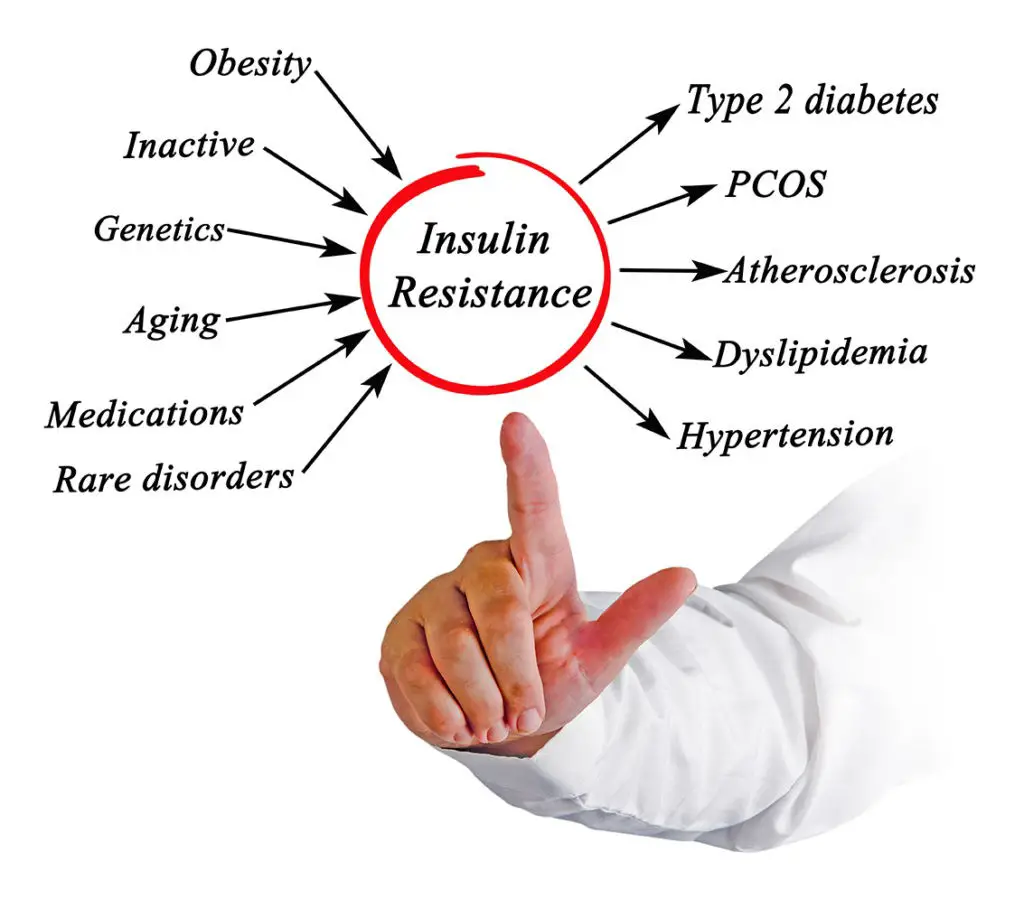
Another hormonal side effect of menopause is that your body becomes less sensitive to insulin. Insulin resistance can lead to more significant blood sugar swings, causing you to crave sugar as a quick fix. While sugary comfort foods provide a fleeting lift, they often lead to energy crashes later, creating a cycle of dependency.
Journaling can help you connect the dots. After eating a sugary snack, how do you feel an hour later? Energized? Sleepy? Are you driven to eat more sweets? Tracking these observations helps you choose snacks that stabilize your energy, like pairing a piece of fruit with a handful of nuts.
Reason #3: Adrenal Fatigue and Stress
If menopause weren’t demanding enough, stress often piles up. Work, family, and hormonal changes can leave you running on empty. Stress elevates cortisol, the stress hormone that craves quick energy from sugar. It’s no wonder you find yourself reaching for cookies when pressures mount.
Ask yourself this in your journal: What’s stressing me out today? How can I meet that stress with something other than food? Whether it’s a walk, a brief pause to breathe deeply, or calling a friend, exploring these alternatives can ease stress and cravings.
Reason #4: Lack of Sleep
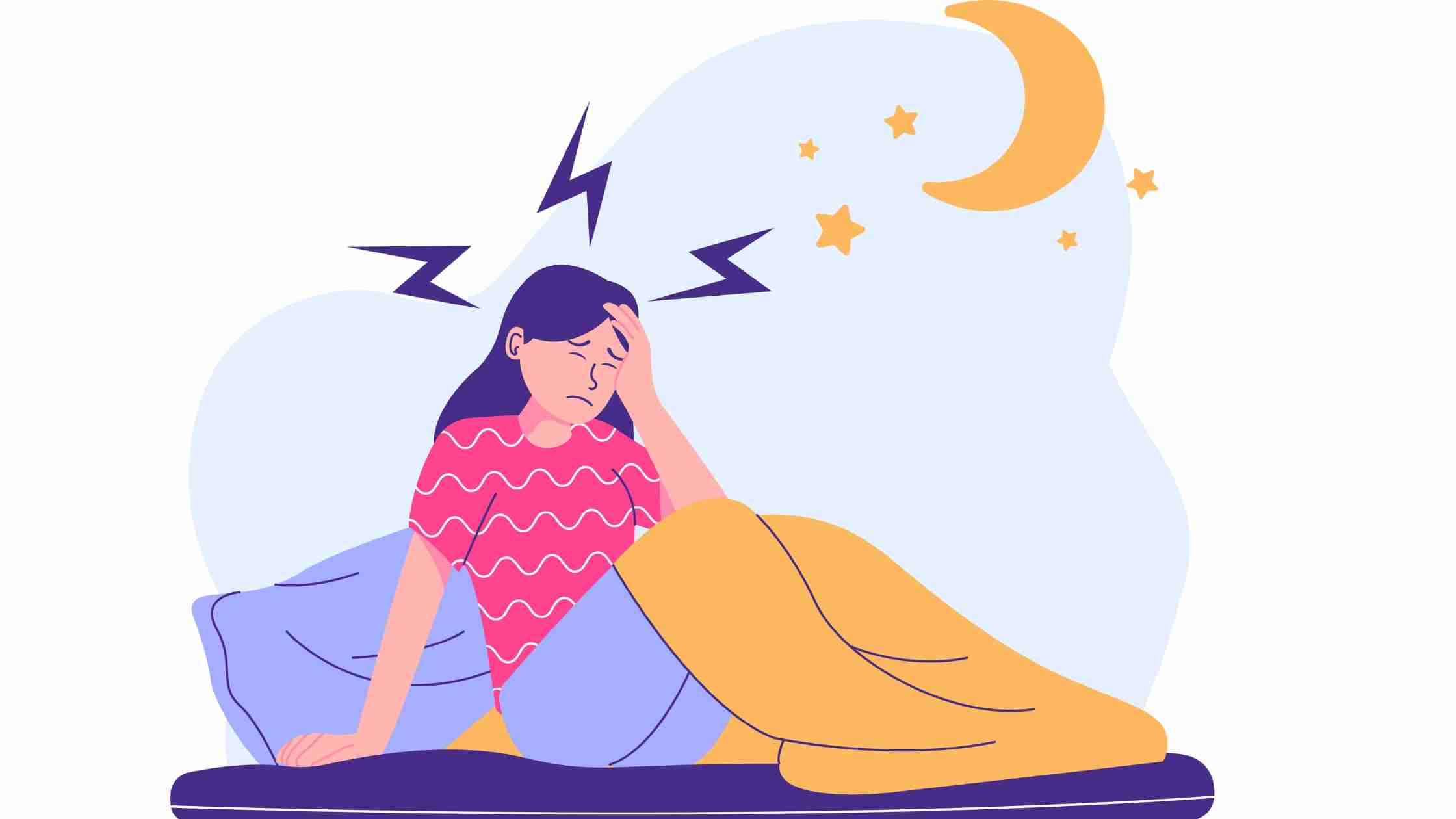
With hot flashes and night sweats interrupting your sleep, it’s common to feel exhausted during menopause. Unfortunately, poor sleep increases hunger hormones like ghrelin and decreases leptin, which usually signals fullness. This disruption leaves you more vulnerable to sugar cravings as your body seeks a way to power through fatigue.
If sleep has been elusive, note how those restless nights impact your appetite. Did I notice cravings spike the day after poor sleep? Did I reach for sweets out of exhaustion? Tracking this connection opens the door to healthier ways to support your energy, such as whole foods that provide slow-burning fuel.
Reason #5: Emotional Triggers
Menopause can bring unprocessed grief, sadness, or anxiety to the surface. If sweets have long been your go-to comfort, it’s natural for your emotions to lead you there now. However, emotional sugar cravings may signal deeper wounds that require gentle attention.
When cravings hit, lean into self-reflection. What am I genuinely seeking in this moment—comfort, distraction, or something deeper? Journaling out your emotions can untangle your cravings from what’s in your heart.
Reason #6: Nutritional Deficiencies
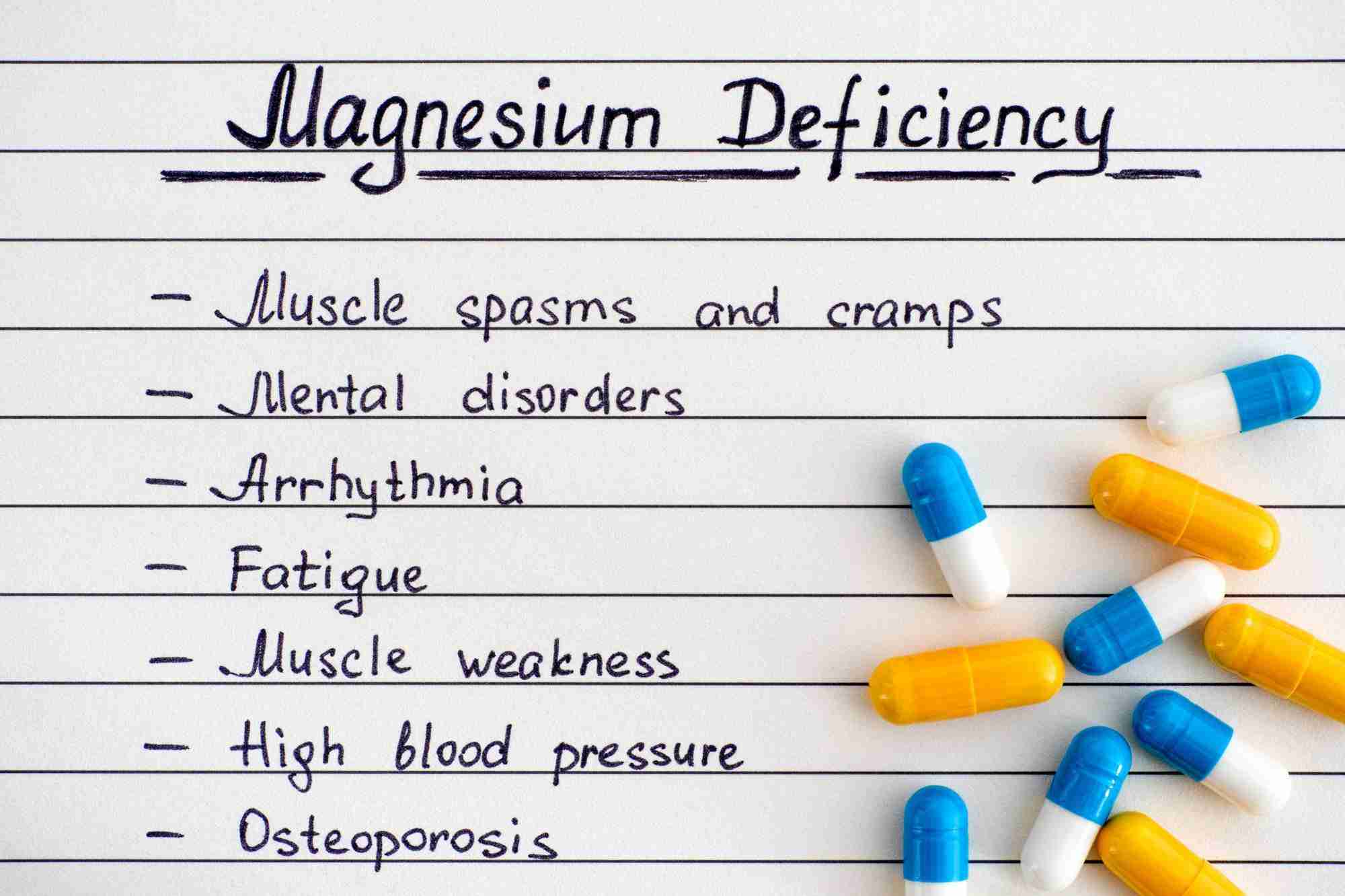
Low levels of magnesium, chromium, or other nutrients can exacerbate sugar cravings in menopausal women. Magnesium, for instance, plays a crucial role in regulating blood sugar. If you’re deficient, your body may nudge you toward sugar to offset the imbalance.
Ask yourself, How can I bring more balance to my plate? Am I eating colorful meals packed with nutrients and variety? Jot down simple swaps, like adding a handful of almonds for magnesium or opting for whole-grain carbs instead of processed snacks.
Reason #7: Dieting or Food Restriction
Have you been skipping meals or cutting carbs to “fix” menopause weight gain? Restricting food, even unintentionally, can backfire, creating a cycle where your body overcorrects by demanding quick calories—like sugar. This is known as the binge-diet cycle, where restraint turns into uncontrollable cravings.
Reflect on your current eating habits. Am I nourishing myself thoroughly, or am I leaving gaps? Building consistent, satisfying meals can break the cycle and help reduce cravings.
Reason #8: Blood Sugar Drops
Erratic eating patterns missed meals, or high-carb snacks without protein can result in sharp dips in blood sugar. This classic blood sugar rollercoaster leaves you desperate for sugar to restore balance. It’s not your fault—but it is preventable.
Track the timing of your meals in your journal. How long do I wait between meals? Do I feel shaky, lightheaded, or irritable before craving sugar? Noticing these patterns allows you to plan balanced meals and snacks proactively.
Reason #9: Gut Microbiota Imbalance
Shifts in estrogen during menopause can affect gut health, leading to dysbiosis or an imbalance of gut bacteria. Some harmful bacteria thrive on sugar, driving cravings and perpetuating gut imbalances.
Tune into how your body feels after feeding a craving. Do I feel bloated, lethargic, or “off”? Reflecting on these signals can guide you toward gut-friendly foods rich in fiber, probiotics, and prebiotics.
Reason #10: Societal and Psychological Associations

Sweet foods often evoke comfort and celebration, which can become embedded in coping with stress. It’s easy to turn to these emotional “anchors” during menopausal challenges, regardless of whether you’re physically hungry.
Bring curiosity to your cravings. What memories or emotions come up when I reach for sugary treats? Honoring these associations with awareness can help you find joy and comfort in other ways, like a soothing tea ritual or enjoying music that uplifts you.
Reason #11: Dehydration
Thirst is often mistaken for hunger, especially during menopause, when dehydration can sneak up. Menopausal changes in hormone levels also impact hydration needs, leaving people more vulnerable to mixed signals from their bodies.
Start with a simple experiment. When cravings arise, ask yourself, Am I thirsty right now? Could water help me feel better in this moment? Tracking your water intake could reveal meaningful improvements.
Reason #12: Lack of Pleasure and Reward

Menopause can feel overwhelming and tedious, leaving you craving moments of joy or celebration. Sugar might become a “shortcut” to pleasure and reward if life is weighted with stress or fatigue.
Instead of ignoring cravings, think of them as a call for self-care. Write down a list of non-food rewards, like taking a bubble bath, reading a book, or calling a friend. When cravings hit, ask, What’s one small way I can bring pleasure into my life today?
The Connection Between Sugar Cravings and Binge Eating Disorder
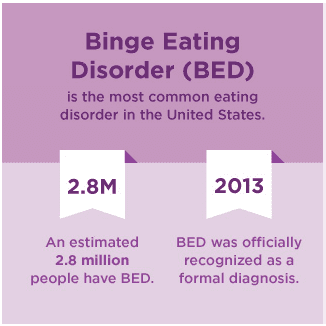
If persistent sugar cravings leave you feeling guilty or out of control, they might point to something more profound, like Binge Eating Disorder (BED). Cravings aren’t a sign of weakness—they can signal underlying emotional and psychological challenges. BED often involves an intense cycle of cravings, guilt, and impulsive eating, leaving you stuck in patterns that feel impossible to break.
Binge-Diet Cycle Explained
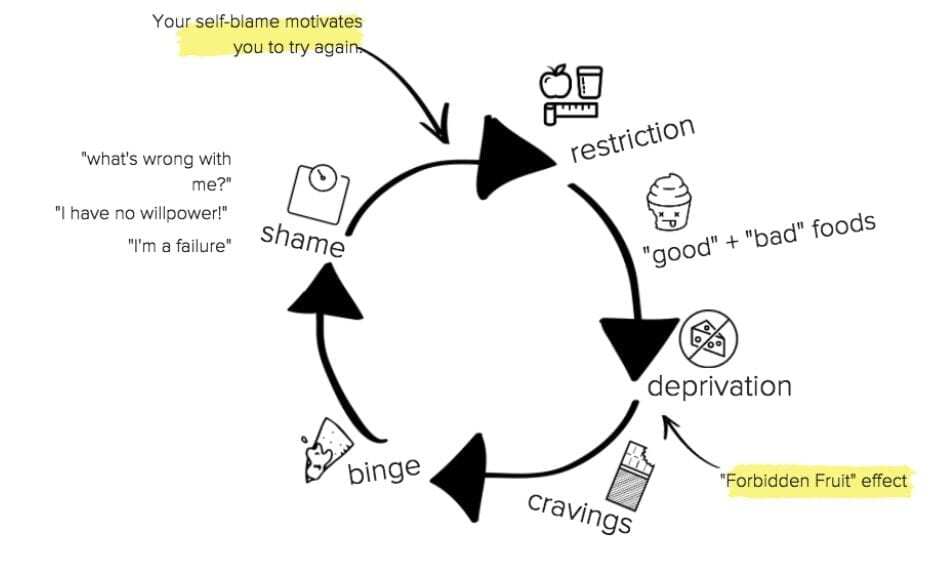
The binge-diet cycle begins with restriction—an attempt to cut back on sugar or calories often driven by the pressure to “regain control.” But restriction only intensifies cravings, pushing you toward bingeing for relief. Afterward, guilt sets in, often reigniting the need to restrict, continuing the harmful loop.
The Eating Enlightenment Approach
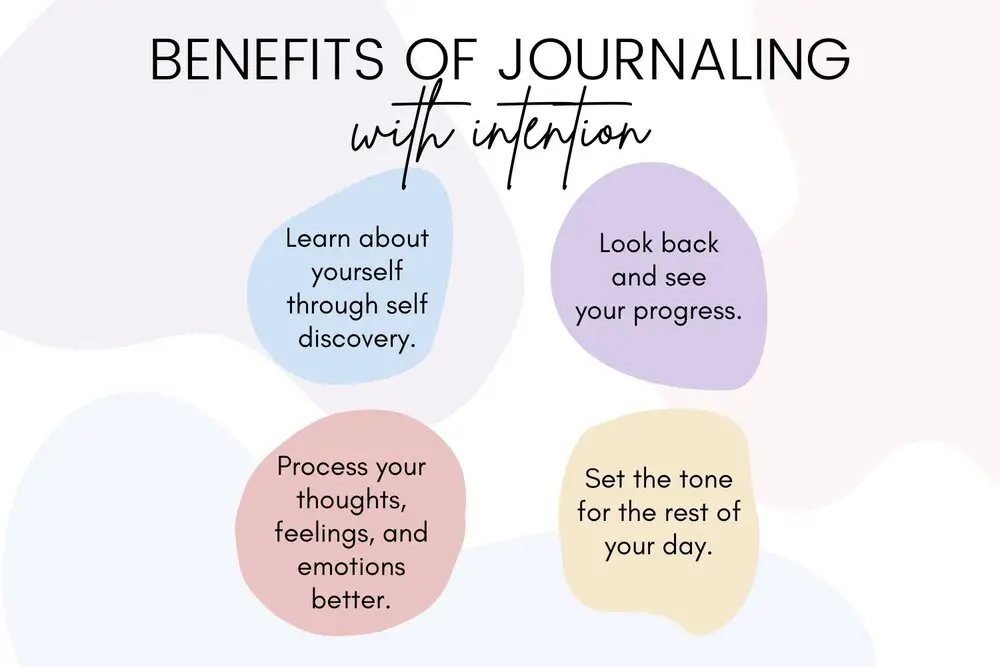
Integrating mindfulness and journaling, the Eating Enlightenment approach helps you break free.
- Step 1: Nutritional Journaling
Track what and when you eat to identify patterns and balance blood sugar.
Prompt: “Are my meals balanced with protein, fiber, and healthy fats? How full do I feel after eating?” - Step 2: Mindful Awareness of Triggers
Pause before eating to reflect on your emotions or physical state.
Prompt: “Is this craving tied to stress or fatigue? How can I respond in a caring way?” - Step 3: Journaling to Heal Inner Parts
Explore and dialogue with the emotions behind your cravings, giving them a voice.
Prompt: “What do my cravings represent emotionally? What do I need to feel soothed?”
By using these techniques, you can better understand and address the root causes of sugar cravings while building a healthier relationship with food.
Practical Tips for Managing Cravings

- Stay hydrated and eat regular, satisfying meals.
- Incorporate magnesium- or chromium-rich foods like spinach or almonds.
- Choose protein-rich snacks (Greek yogurt, nuts) to stabilize blood sugar.
- Practice self-compassion when cravings arise.
- Try the Eating Enlightenment journaling app to track your progress and connect with deeper cravings.
Final Thoughts:

Sugar cravings during menopause are not a sign of failure—they’re your body’s natural response to the hormonal, emotional, and lifestyle changes that come with this stage of life.
By understanding what’s behind these cravings, you can approach them with curiosity and compassion rather than frustration. Each craving allows you to explore what your body and mind truly need: nourishment, rest, or emotional comfort.
Taking proactive steps to manage these cravings can empower you to regain balance and control. Tools like consistent journaling and cultivating mindfulness make a massive difference in identifying patterns and reconnecting with your body. Through these practices, you can turn sugar cravings into moments of self-discovery and care.
To help you on this path, the free Eating Enlightenment Journal App is designed to make tracking your cravings and maintaining a balanced diet simple and intuitive.
This app provides a compassionate way to understand your cravings and build healthier habits by journaling what and when you eat, reflecting on your stressors and moods, and identifying triggers.
Now is the time to take the first step towards a more peaceful relationship with food, your body, and yourself.
Download the Eating Enlightenment app today and start transforming your approach to sugar cravings. Together, you can reclaim your well-being and move towards a future of improved health and happiness.