


In today’s fast-paced world, stomach problems are becoming increasingly common.
From bloating and indigestion to more severe issues like irritable bowel syndrome (IBS) and gastritis, many of us struggle with digestive discomfort daily.
Fortunately, a stomach-friendly diet can significantly improve gut health, enhancing physical and emotional well-being.
This blog post will guide you through the essentials of a stomach-friendly diet, offering practical tips and insights to help you on your wellness journey.
Understanding Stomach Problems

Before we explore dietary solutions, it’s essential to understand the various types of stomach problems. Common issues include bloating, acid reflux, constipation, diarrhea, and IBS.
Numerous factors, such as poor diet, stress, and a sedentary lifestyle, can trigger these conditions. Recognizing the root causes of your stomach problems is the first step towards managing them effectively.
The Importance of a Balanced Diet
A balanced diet is crucial for maintaining optimal gut health. Foods rich in fiber, vitamins, and minerals can help regulate digestion and prevent stomach problems.
Conversely, consuming processed foods, excessive sugar, and unhealthy fats can aggravate digestive issues. Striving for a balanced diet ensures your gut receives the nutrients it needs to function correctly.
High-Fiber Foods for Better Digestion
Fiber is essential for healthy digestion. It adds bulk to stools, making them easier to pass and preventing constipation. High-fiber foods include fruits, vegetables, whole grains, and legumes.
Incorporating these foods into your daily meals can promote regular bowel movements and reduce bloating.
Examples of High-Fiber Foods
- Apples and pears
- Broccoli and carrots
- Brown rice and quinoa
- Lentils and chickpeas
Probiotics for a Healthy Gut
Probiotics are live bacteria and yeasts that are beneficial for your digestive system. They help balance the good and bad bacteria in your gut, improving digestion and boosting your immune system.
Foods rich in probiotics include yogurt, kefir, sauerkraut, and kimchi. Regularly consuming these foods can enhance your gut health and alleviate stomach problems.
Benefits of Probiotic-Rich Foods
- Improved digestion
- Enhanced immune function
- Reduced symptoms of IBS
- Better nutrient absorption
Hydration: The Key to Digestive Health
Staying hydrated is vital for digestion. Water helps break down food, making it easier for your body to absorb nutrients. It also softens stools, preventing constipation. Aim to drink at least eight glasses of water daily, and consider incorporating herbal teas that aid digestion, such as peppermint or ginger tea.
Tips for Staying Hydrated
- Carry a water bottle with you.
- Drink a glass of water before each meal.
- Opt for water-rich foods like cucumbers and watermelon.
- Limit caffeinated beverages that can dehydrate you.
Foods to Avoid for a Happy Stomach

Certain foods can trigger stomach problems and should be avoided or limited in your diet. These include spicy foods, fatty foods, and artificial sweeteners.
Additionally, carbonated beverages and alcohol can cause bloating and acid reflux. Being mindful of these triggers can help you manage your stomach problems more effectively.
Common Food Triggers
- Spicy dishes
- Greasy fast food
- Sugary snacks and drinks
- Soda and alcohol
The Role of Mindful Eating
Mindful eating involves paying attention to your food and the process of eating. It encourages you to eat slowly, savor each bite, and listen to your body’s hunger and fullness cues. Practicing mindful eating can improve digestion, prevent overeating, and reduce stress-related stomach problems.
How to Practice Mindful Eating
- Eat without distractions
- Chew your food thoroughly.
- Recognize your body’s hunger signals.
- Appreciate the flavors and textures of your food.
Taming Stress for Better Digestion
Stress has a significant impact on your digestive health. It can exacerbate symptoms of IBS, acid reflux, and other stomach problems. Finding effective stress management methods like yoga, meditation, or deep breathing exercises can improve your gut health and overall well-being.
Stress-Relief Techniques
- Practice yoga or tai chi.
- Meditate for at least 10 minutes a day.
- Engage in regular physical activity.
- Maintain a journal to express your thoughts and feelings
Exercise and Gut Health

Regular physical activity is beneficial for digestion. Exercise stimulates the muscles of your digestive tract, helping food move through your system more efficiently. Walking, jogging, and swimming can enhance your gut health and reduce constipation and bloating symptoms.
Exercise Tips for Digestive Health
- Aim for at least 30 minutes of moderate exercise daily
- Include a mix of cardio and strength training
- Stretch regularly to relieve tension in your abdomen
- Listen to your body and avoid overexertion
ALSO READ – The Importance of Gut Health to the Overall Well-being of the Body
Listening to Your Body
Everyone’s digestive system is unique, and what works for one person may not work for another. Listening to your body and how different foods and habits affect digestion is essential. Keeping a food diary can help you identify patterns and make informed decisions about your diet.
Creating a Food Diary
- Note down everything you eat and drink
- Record any symptoms you experience
- Identify any correlations between your diet and stomach problems.
- Use the insights to adjust your eating habits
Which meals are beneficial for stomach issues?
When dealing with stomach issues, focusing on gentle meals on the digestive system is essential. Some beneficial options include:
- Oatmeal: A soothing and easily digestible breakfast choice that provides soluble fiber, helping to support digestive health.
- Bananas are gentle on the stomach, offering a natural source of potassium and a way to combat bloating and discomfort.
- Boiled Potatoes: Plain boiled potatoes are bland enough for sensitive stomachs and provide necessary carbohydrates.
- Chicken Soup is a classic remedy. It is light, nourishing, and hydrating, making it ideal for an upset stomach.
- Ginger Tea: This can help reduce nausea and soothe the stomach, providing a warm, comforting beverage option.
- Rice: Plain white rice is easy to digest and can help bind stools in cases of diarrhea.
- Applesauce: Offering pectin, applesauce can aid digestion and is gentle enough for most stomach issues.
These meals support overall digestive health, promoting a balanced and soothing approach to eating when stomach discomfort occurs.
How can stomach issues be resolved?

Resolving stomach issues often requires a gentle and holistic approach. Here are some steps you can take:
- Mindful Eating: Focus on eating slowly and savoring each bite. This helps your digestive system process food more effectively.
- Balanced Diet: Incorporate various whole foods, including fruits, vegetables, lean proteins, and whole grains. Avoid overly processed foods and those high in sugar and fat.
- Hydration: Drink plenty of water throughout the day to aid digestion and keep your body hydrated.
- Probiotics: Include probiotic-rich foods such as yogurt, kefir, and sauerkraut to support gut health.
- Smaller Meals: Opt for smaller, more frequent meals rather than large ones to avoid overwhelming your digestive system.
- Stress Management: Practice stress-reducing activities like yoga, meditation, or deep breathing exercises, as stress can significantly impact digestion.
- Avoid Triggers: Identify and avoid foods that trigger your symptoms. Common culprits include spicy foods, caffeine, and dairy.
- Regular Activity: Engage in regular physical activity to promote healthy digestion and overall well-being.
Addressing these areas can nurture your digestive health and relieve stomach issues.
Seeking Professional Guidance
If you continue to struggle with stomach problems despite making dietary changes, it may be time to seek professional guidance. A registered dietitian or gastroenterologist can provide personalized advice and help you develop a comprehensive plan to manage your digestive health.
When to See a Professional
- Persistent or severe symptoms
- Unexplained weight loss
- Difficulty swallowing
- Blood in stools
Conclusion and Next Steps
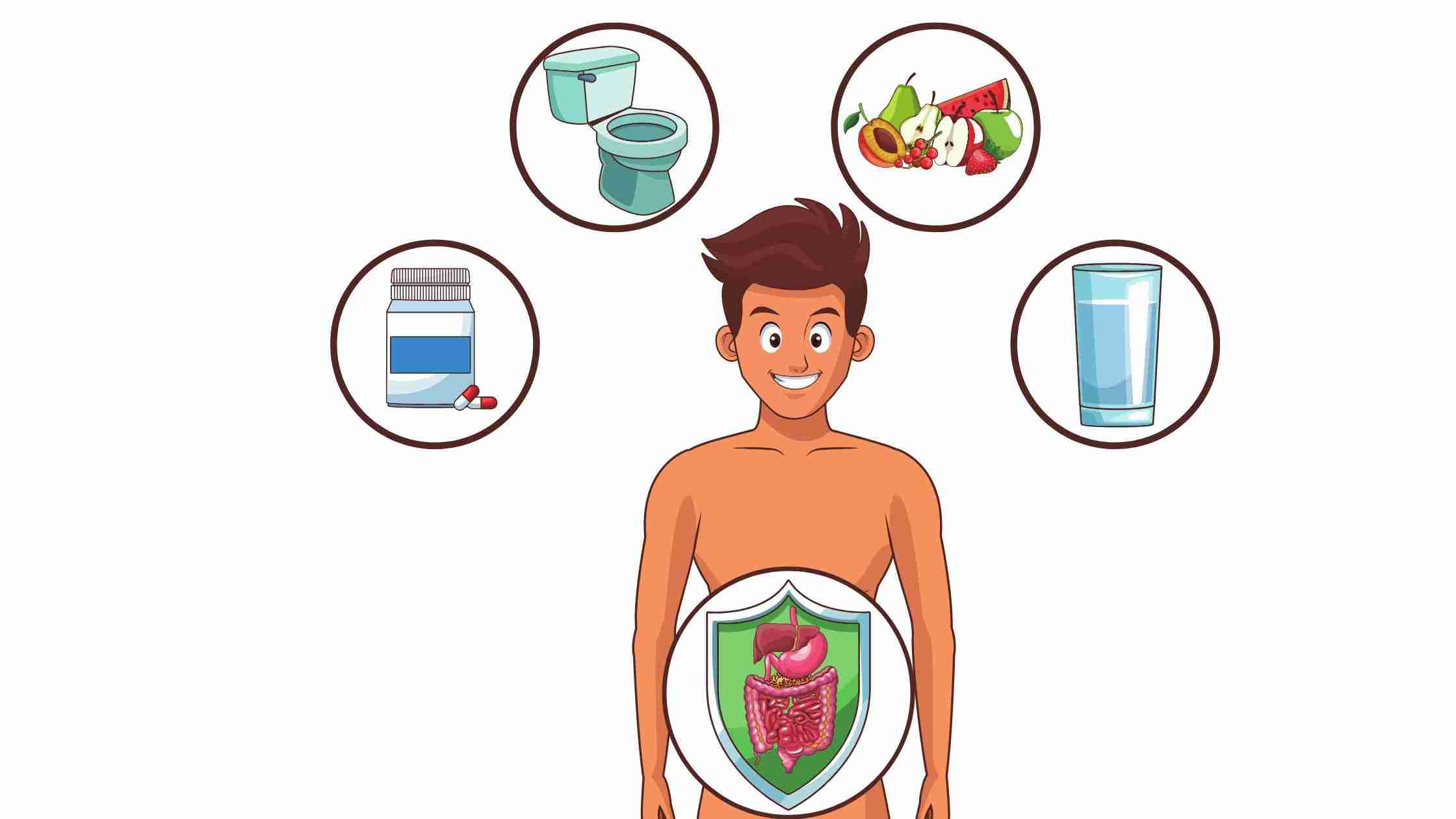
A stomach-friendly diet is a powerful way to enhance gut health and overall well-being. By incorporating high-fiber foods and probiotics and staying hydrated, you can prevent and manage common stomach problems.
Practicing mindful eating and stress-relief techniques further supports your digestive health. Remember, every individual’s digestive system is unique, so listen to your body and seek professional guidance if needed.
Ready to take the next step towards better gut health? Start by making small, sustainable changes to your diet and lifestyle.
FAQ:
Which meals aid with stomach repair?
Gentle meals that aid in stomach repair include soothing oatmeal, probiotic-rich yogurt, and nourishing chicken broth. These foods support digestion and promote healing. Embrace them to nurture your body’s natural recovery process.
What should I eat if my stomach is upset?
When your stomach is upset, try soothing options like plain rice, gentle bananas, or calming ginger tea. These simple foods can help ease discomfort. Remember to listen to your body and prioritize rest.
How to maintain a clean and healthy stomach?
To maintain a clean and healthy stomach, focus on eating whole, unprocessed foods, staying hydrated, and incorporating probiotics like yogurt into your diet. Practice mindful eating to improve digestion. Embrace regular physical activity and stress management techniques to support overall wellness.
How do you naturally resolve stomach problems?
To naturally resolve stomach problems, focus on a diet rich in whole foods, stay well-hydrated, and include soothing herbal teas like ginger or chamomile. Practice mindful eating to promote better digestion. Embrace regular exercise and stress-relief techniques to support overall gut health.