

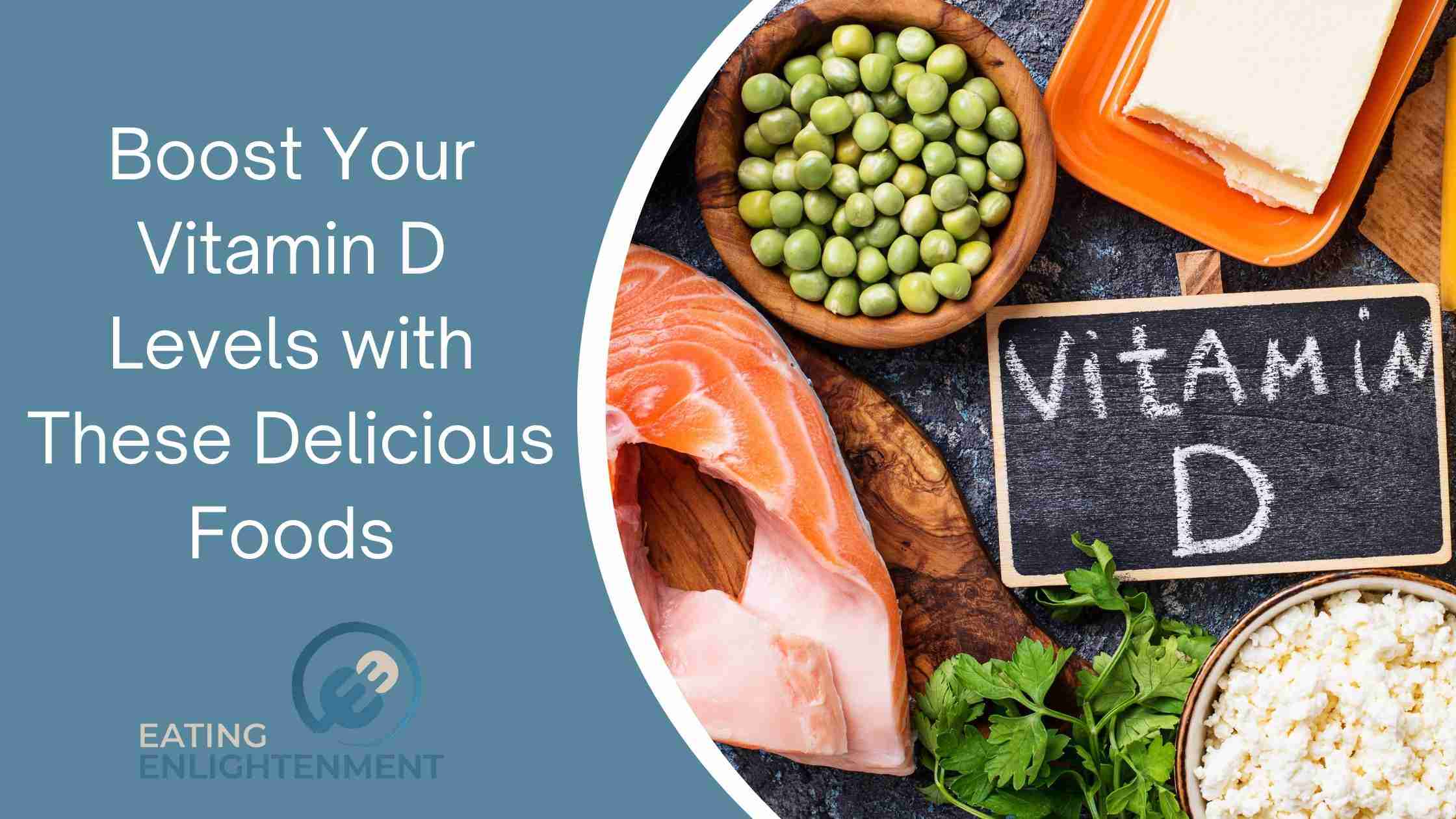
Vitamin D is an essential nutrient in maintaining good overall health. It is a fat-soluble vitamin. It helps keep bones strong, supports the immune system, and has been linked to a lower risk of certain diseases and health conditions.
One of the best ways to get enough vitamin D is through sun exposure, but this can be a challenge for many people, especially those living in areas with limited sunlight or who work indoors. Fortunately, many foods can help boost your vitamin D levels.
This article will explore what food is high in vitamin D.
1: Fatty Fish

Fatty fish such as salmon, tuna, and mackerel are excellent sources of vitamin D. A 3-ounce serving of wild salmon contains over 500 IU of vitamin D, which is more than the daily recommended intake for most people.
Tuna and mackerel are also good sources of vitamin D, with roughly 150 IU per serving. In addition to vitamin D, fatty fish are also rich in omega-3 fatty acids, which have been shown to have numerous health benefits and can decrease vitamin D deficiency.
2: Egg Yolks
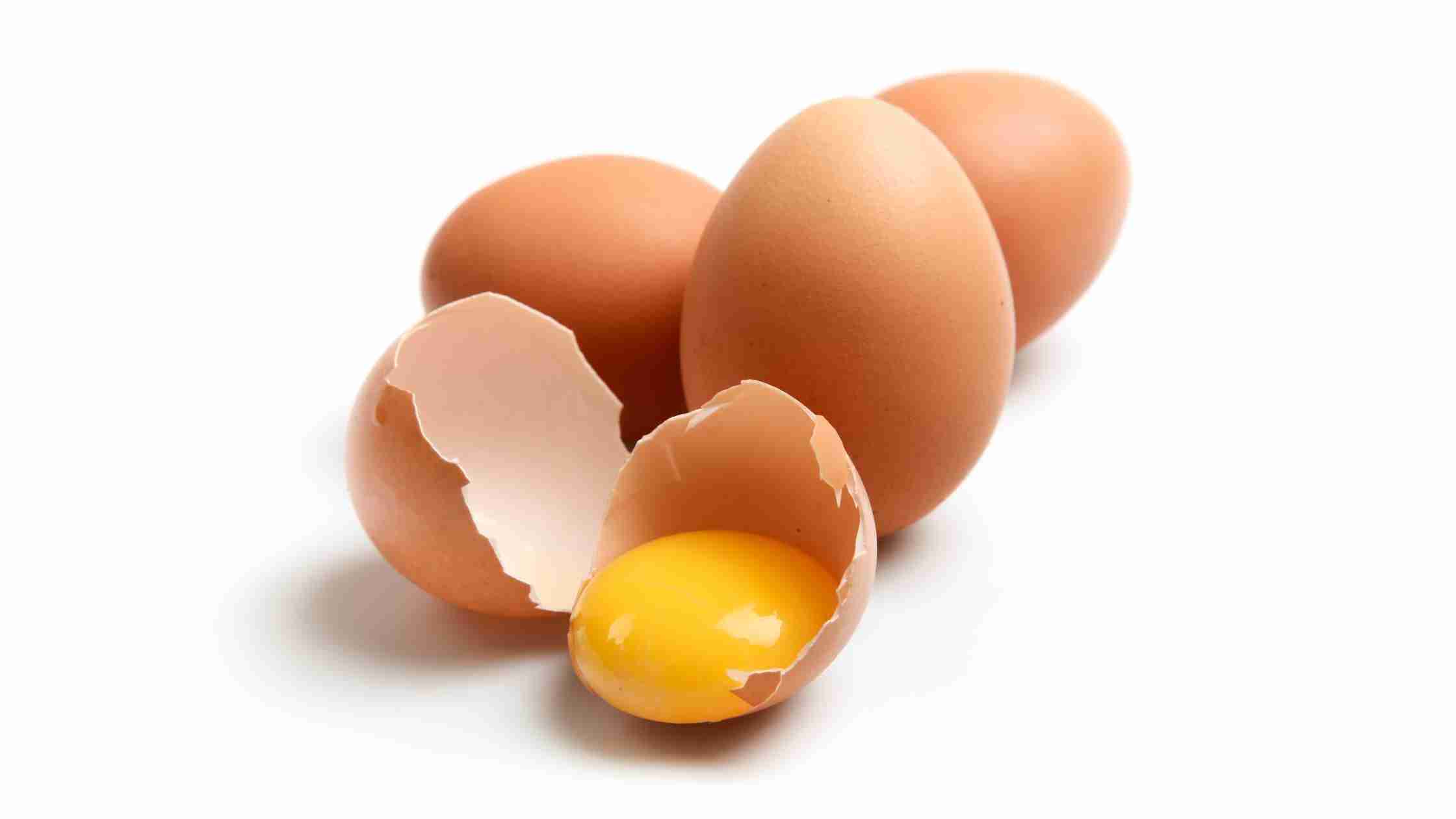
Eggs are another great source of vitamin D, with most of the vitamin D found in the yolk. One large egg yolk contains around 40 IU of vitamin D.
While egg yolks have gotten a bad reputation due to their cholesterol content, studies have shown that moderate egg consumption does not increase the risk of heart disease in most people.
3: Mushrooms
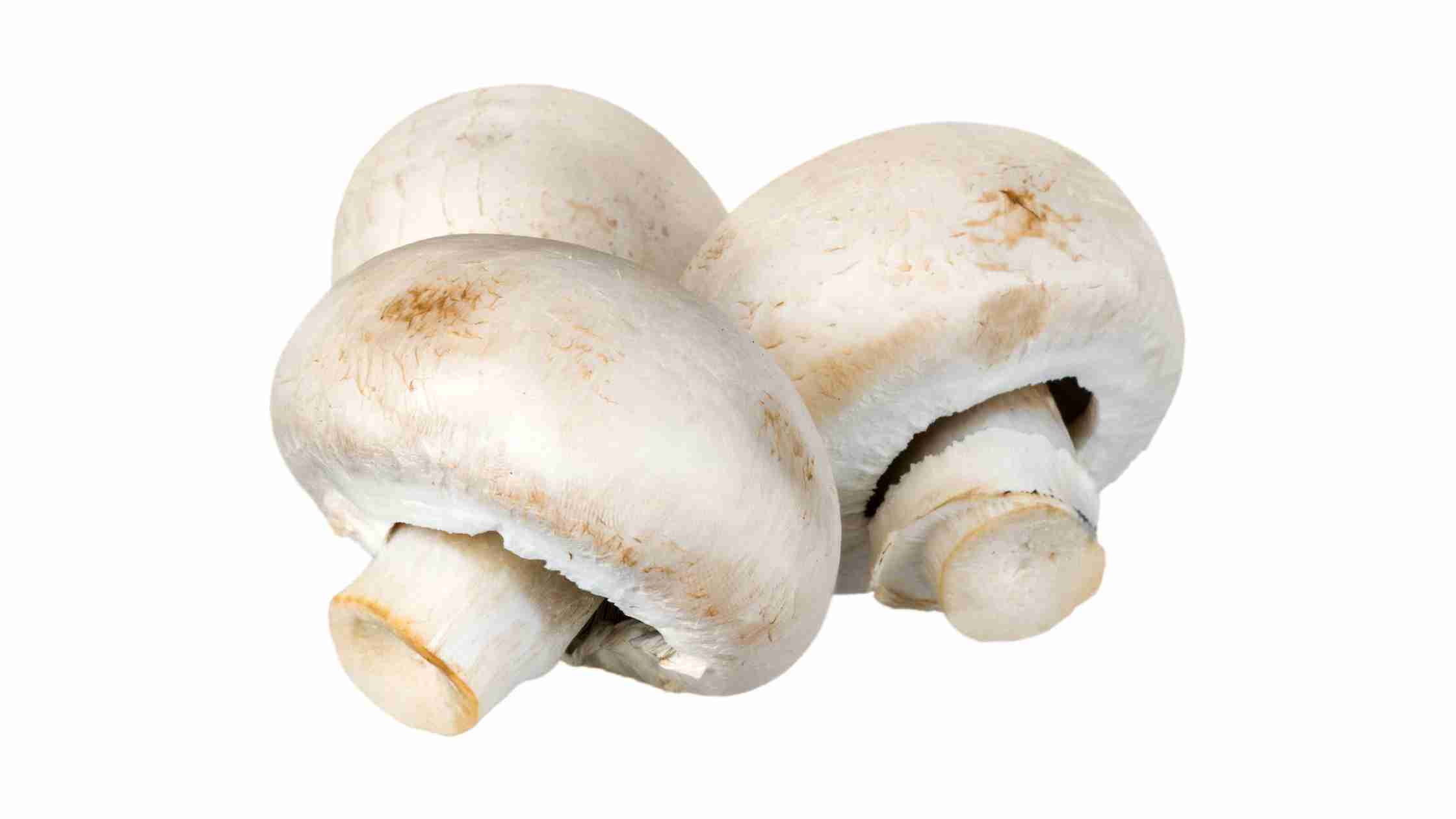
While mushrooms are not a traditional source of vitamin D, some varieties are high in nutrients. This is because mushrooms, like our skin, can produce vitamin D when exposed to ultraviolet light.
Shiitake mushrooms are one of the best sources of vitamin D, with around 100 IU per serving. While this is not as much as other foods high in vitamin D, mushrooms are still a good option for vegetarians and vegans.
4: Fortified Foods
Many foods are fortified with vitamin D, meaning that the nutrient has been added during manufacturing.
Some examples of fortified foods include milk, orange juice, and cereal. Most fortified foods contain around 100 IU of vitamin D per serving. While fortified foods can be a convenient way to get more vitamin D, checking the label to ensure you are getting an adequate amount is essential.
5: Cod Liver Oil
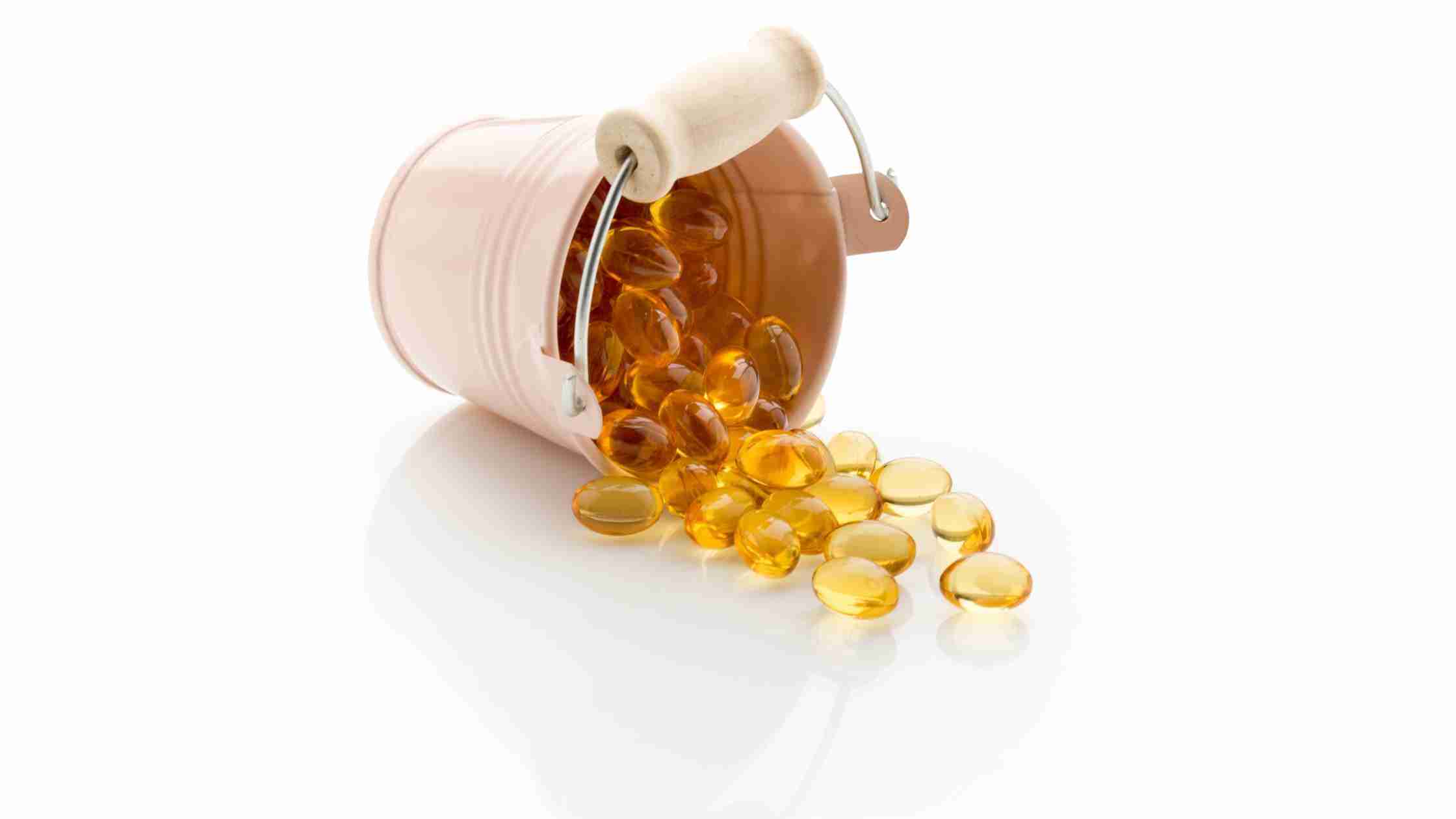
Cod liver oil is an excellent source of vitamin D, with one tablespoon containing over 1,300 IU of the nutrient. While this might not be the most delicious way to get your vitamin D, cod liver oil can be added to smoothies or taken in capsule form.
Recommended Daily Intake
Did you know your body needs Vitamin D to absorb calcium and promote bone growth? For a balanced, healthy life, adults are recommended to have a daily intake of 600-800 IU of Vitamin D. Isn’t it time we make mindful choices for our health? Remember, your wellness journey starts with a single step!
Soy milk
Indeed, soy milk can be a great source of Vitamin D! While soy milk itself doesn’t naturally contain Vitamin D, many popular brands fortify their soy milk with this essential nutrient. For example, Silk, a well-known brand, enriches its soy milk with vitamins and minerals, including Vitamin D and calcium.
This fortification makes soy milk an excellent choice for those seeking plant-based dietary options to fulfill their Vitamin D requirements. One cup of fortified soy milk may contain up to 2.9 micrograms of Vitamin D. Isn’t it wonderful how we can find such crucial nutrients in plant-based alternatives?
However, checking the label when purchasing soy milk is always good. The nutrient content can vary based on the brand and whether the product is fortified with additional vitamins and minerals.
So why not make a small change in your diet today? Incorporate soy milk into your meals and give your body the needed Vitamin D. It’s a simple step towards a healthier lifestyle.
Sources:
Cod Liver Oil

- Cod Liver Oil is a rich source of Vitamin D, essential for strong and healthy bones and overall well-being.
- It also contains Omega-3 fatty acids necessary for heart health and Vitamin A, vital for good vision and a healthy immune system.
- Moderation is vital when consuming Cod Liver Oil; excessive consumption can lead to elevated Vitamins A and D levels.
- Consider incorporating Cod Liver Oil into one’s routine for a holistic approach to health.
Cereal Fortified with Vitamin D
Starting your day with a bowl of cereal fortified with Vitamin D is a smart choice! It’s not just about filling your stomach; it’s about fueling your body with essential nutrients.
Vitamin D-fortified cereals provide a significant portion of your daily Vitamin D requirement, promoting bone health and boosting your immune system. Isn’t it wonderful to start your day on such a positive note?
Remember, your breakfast sets the tone for the rest of your day. Why not make it count with a choice supporting your taste buds and wellness journey? Choose Vitamin D-fortified cereals for a healthy, joyful start to your day!
Sources:
Cereal and oatmeal
Did you know your favorite breakfast staples could boost your daily Vitamin D intake? It’s true! Many brands of cereal and oatmeal are fortified with Vitamin D, a crucial nutrient that supports bone health, immune function, and overall well-being.
Isn’t it wonderful to imagine starting your day with a warm bowl of oatmeal or a crunchy serving of cereal, knowing that you’re satisfying your hunger and nourishing your body?
Adding these Vitamin D-fortified foods to your breakfast routine is an effective and delicious way to ensure you get enough of this essential Vitamin. Plus, it’s a choice that aligns perfectly with a mindful approach to eating, focusing on nutrient-rich foods that support your health and well-being.
Which vegetables are high in vitamin D?

While it’s well known that Vitamin D is abundant in foods like fatty fish and fortified dairy products, did you know that some vegetables can also contribute to your Vitamin D intake? Although not as rich in Vitamin D as other foods, these vegetables can undoubtedly play a part in a balanced, Vitamin D-conscious diet.
- Mushrooms: These fun guys are the standout vegetable for Vitamin D. When grown in sunlight or exposed to UV light, certain mushrooms can provide a good amount of this essential nutrient.
- Spinach: While not high in Vitamin D, spinach does contain trace amounts. Plus, it’s packed with other nutrients, which makes it a worthy addition to your plate.
- Kale: Just like spinach, kale has a small amount of Vitamin D. Its other nutritional benefits make it an excellent choice for a healthy diet.
Health Risks from Excessive Vitamin D
While Vitamin D is an essential nutrient supporting numerous bodily functions, too much can lead to complications like most things in life. Overconsumption of Vitamin D can result in a condition known as hypervitaminosis D or Vitamin D toxicity. This condition can disrupt the balance of your bone metabolism and lead to hypercalcemia, an abnormally high calcium level in the blood.
Hypercalcemia can severely damage your kidneys, soft tissues, and bones. It can also cause loss of appetite, nausea, vomiting, constipation, and stomach pain. In severe cases, it can lead to drowsiness, confusion, depression, and even coma.
It’s important to remember that Vitamin D toxicity is usually the result of excessive long-term intake of Vitamin D supplements, not from diet or sun exposure. So, while you should ensure you’re getting enough Vitamin D, be mindful not to overdo it, especially when taking supplements.
Maintaining a balanced and mindful approach to your Vitamin D intake is vital. Listen to your body and consult with a healthcare professional if you’re considering taking Vitamin D supplements, particularly if you plan on taking more than the recommended daily amount. Remember, your health is your wealth!
Conclusion:

Vitamin D is a vital nutrient that is important to our overall health. Getting enough vitamin D can be challenging, especially for those with limited sun exposure. Fortunately, many foods high in vitamin D can help you meet your daily requirements.
Fatty fish, egg yolks, mushrooms, fortified foods, and cod liver oil are all excellent sources of vitamin D that can be easily incorporated into your diet.
Eating a diet rich in vitamin D can help support your immune system, keep your bones strong, and reduce your risk of certain diseases and health conditions.