

Hey Mama, the postpartum period is nothing short of a whirlwind. You’re navigating life with a brand-new little one, juggling sleepless nights, endless feedings, and managing to catch a few precious moments for yourself amidst the chaos. On top of it all, you might notice something surprising happening to you—an intense, almost overwhelming craving for sugar.
You’re not alone, and most importantly, craving sugar after giving birth is completely normal. These feelings often stem from the profound physical, emotional, and hormonal changes your body is experiencing. However, understanding why these cravings happen can be empowering. It’s not just about wanting a cookie or two; it’s your body and mind signaling deeper needs some may not even realize.

This blog post explores the 13 reasons behind sweet cravings—from hormonal shifts and sleep deprivation to the demands of breastfeeding and emotional highs and lows. It’s about identifying these causes and learning how to manage them to support your healing and well-being. Along the way, we’ll use gentle journaling practices inspired by the Eating Enlightenment philosophy to help you untangle the messages behind these cravings and approach them with self-compassion.
You’ll come away with insights that can guide your postpartum food choices, tips to recognize your body’s wisdom without guilt or judgment, and practical strategies to feel more balanced. Whether it’s understanding your stress hormones or simply realizing your energy needs have shifted, we’re here to support you. Together, we’ll learn to listen to the cravings—not with shame, but with curiosity and care, as we take one step closer to nourishing the whole of you.
#1 Hormonal Changes
After giving birth, your body goes through significant hormonal shifts. The dramatic drop in estrogen and progesterone impacts serotonin levels, which regulate mood and cravings. Meanwhile, insulin and cortisol, which manage energy and stress, also fluctuate, driving sugar cravings.
These changes can cause your body to seek quick energy sources, like sugary foods, to stabilize mood and blood sugar levels. But recognizing this pattern is key. Journaling how you feel after eating sweets can provide valuable insight.
Journal Prompt: “How does my mood change after I eat sugary foods? Do I notice patterns tied to certain times of the day?”
#2 Sleep Deprivation

When sleep is scarce, as it often is in the newborn stage, your body experiences an increase in ghrelin (the hunger hormone) and a decrease in leptin (the satiety hormone). This makes resisting cravings for quick energy sources like sugary treats is much more complicated.
Sleep deprivation also leaves your body physically and mentally drained, sharpening sugar cravings as your brain searches for a fast energy fix. When this happens, try to replace judgment with curiosity. Reflect on whether these cravings intensify, especially during sleepless nights.
Journal Prompt: “When I’m exhausted, do I crave sweets more? What specific times do I reach for sugar the most?”
#3 Breastfeeding Demands
Breastfeeding is a miracle of nourishment, but it’s energy-intensive. Producing breastmilk burns up to 500 calories daily, depleting your energy reserves and pushing your body to seek quick replacements, often in sugar.
Additionally, the nutrients you’re providing your baby through breastmilk, like magnesium or B vitamins, may be lacking in your diet, further fueling cravings. Pay attention to how your hunger levels change before and after nursing or pumping sessions, and use journaling to uncover patterns.
Journal Prompt: “Before and after breastfeeding, how do my cravings or hunger levels shift?”
#4 Nutritional Deficiencies
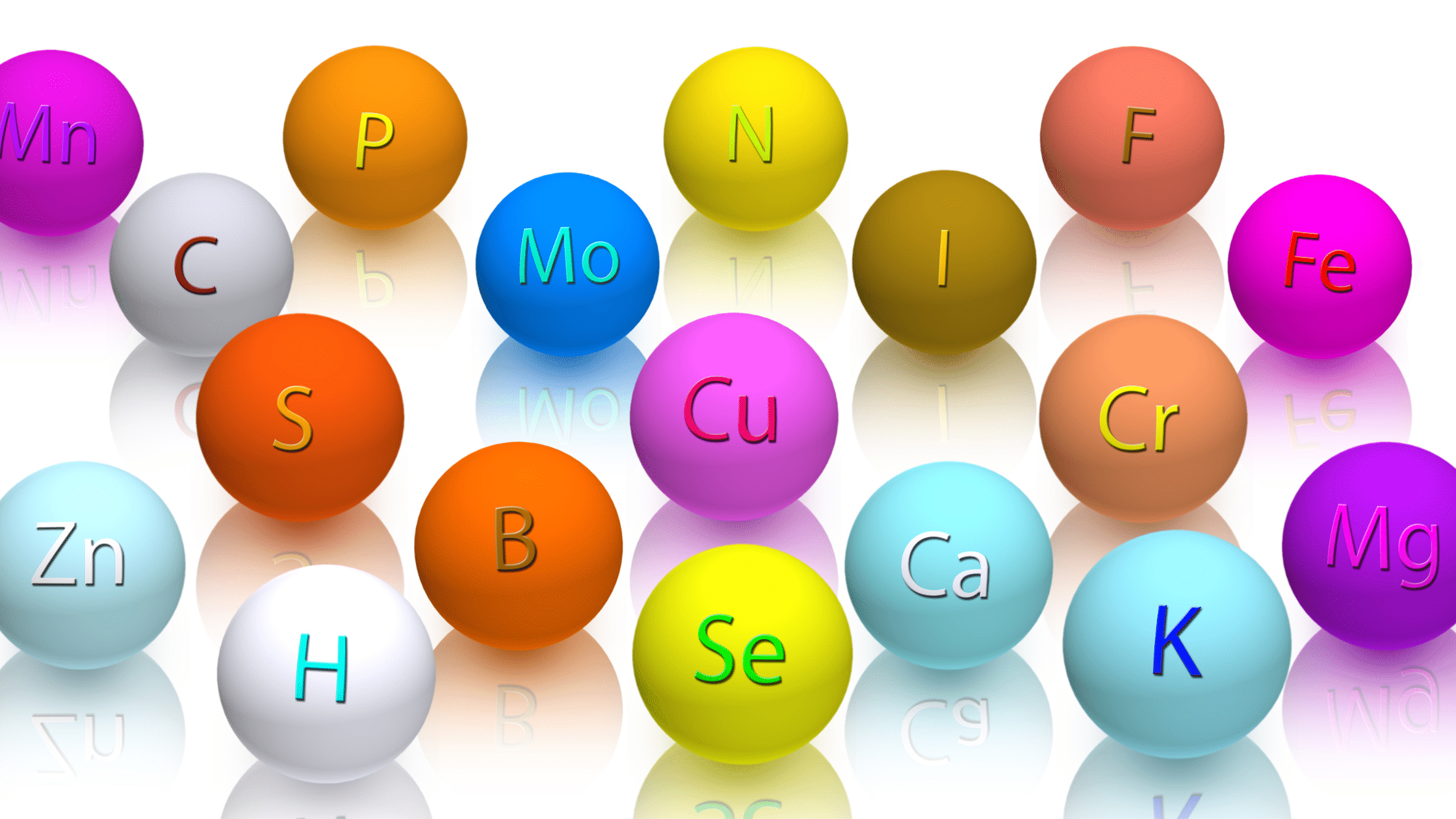
Pregnancy and breastfeeding can leave women nutritionally depleted, especially if nutrient-dense meals aren’t a priority amidst the chaos of caring for a newborn. Magnesium, chromium, and vitamin B deficiency can increase the intensity of sugar cravings.
Your body craves replenishment, and sugar often feels like a quick fix. Understanding which nutrients you might be missing can be a game-changer. Journaling your meals can reveal missing nutrient patterns and guide you toward nourishing choices.
Journal Prompt: “Am I eating enough balanced meals? How can tracking my food help me see where I might be missing nutrients?”
#5 Emotional Rollercoaster

The postpartum period is emotionally dense. New moms feel everything from overwhelming love to moments of loneliness or tearful exhaustion. Sugar can become a way to self-soothe during these shifts since it briefly boosts serotonin, the “feel-good” neurotransmitter.
Unfortunately, this relief is short-lived and often followed by a crash in mood and energy. Becoming curious about the emotions driving your sugar craving can help you meet those feelings comfortably rather than relying on sweets.
Journal Prompt: “What emotions do I feel right before I grab sugary snacks? What would it feel like to pause and sit with those feelings?”
#6 Habitual Patterns
Pregnancy often comes with an invitation to “eat for two.” Relaxed eating habits or indulgences during pregnancy may carry over into the postpartum period, influencing sugar cravings.
If sweets become a frequent comfort during pregnancy, it’s natural for the habit to linger. Acknowledging this without shame can be the first step toward reassessing which habits continue to serve you.
Journal Prompt: “What habits from pregnancy might still influence the way I eat or snack now?”
#7 Increased Energy Needs
Motherhood is physically demanding. Between feedings, diaper changes, and constant movement, it’s no wonder your energy needs have skyrocketed. Sugar is a quick fuel source, making it appealing when life leaves little time for structured meals.
Rather than ignoring these cravings, consider them a reminder that your body yearns for nourishment. Are there other ways to restore your energy without relying solely on quick-fix snacks?
Journal Prompt: “Am I unintentionally skipping meals or failing to eat enough throughout the day?”
#8 The Binge-Diet Cycle
Many new mothers feel pressure to lose their pregnancy weight quickly, leading them to experiment with restrictive diets. Unfortunately, cutting calories or food groups can trigger the binge diet cycle, where deprivation leads to cravings that spiral into overeating and guilt.
The Eating Enlightenment philosophy emphasizes the value of nourishment over deprivation. Nutrition journaling can help identify if restriction fuels your cravings, especially in this phase.
Journal Prompt: “Am I restricting my calories or food groups? How does this affect my cravings and mood?”
#9 Stress and Cortisol Levels
Stress and motherhood are inseparable. When stressed, your body produces cortisol, heightening cravings for comfort foods, including sugar. It’s your body’s way of seeking quick stress relief.
Consider practices like mindful breathing or progressive muscle relaxation if stress is a major factor. Journaling can also help you name your stressors and discover alternative ways to nurture yourself.
Journal Prompt: “What are my biggest stressors during the day? How do they relate to the way I eat?”
#10 Postpartum Depression or “Baby Blues”

Feeling overwhelmed isn’t uncommon during the postpartum phase. Whether you’re experiencing “baby blues” or signs of postpartum depression, sugar cravings may be a way your body tries to cope with these emotions.
Journaling about the connection between your mood and cravings may uncover ways to sustainably support your emotional well-being, like talking to a friend or seeking professional advice.
Journal Prompt: “Does eating sugary foods give me a sense of comfort or relief? Could I explore other ways to support my mood?”
#11 Blood Sugar Imbalances
Erratic eating schedules, like skipping meals or long periods without food, can lead to blood sugar dips and spikes. Your body craves sugar to recover, but the surge is often temporary, perpetuating the cycle.
Maintaining consistent meals and pairing protein with carbohydrates can help stabilize your blood sugar and curb these cravings over time.
Journal Prompt: “Am I eating at regular intervals? How does journaling my meals help me notice the energy and sugar craving patterns?”
#12 Social Media and Diet Culture
Social media and societal norms often pressure women to “bounce back” after childbirth. This pressure may lead to overly restrictive eating patterns, unintentionally resulting in sugar cravings as your body compensates.
Reflecting on your feelings around body image and attempting to disengage from comparison can be a profound act of self-care.
Journal Prompt: “How do I feel when I compare myself to others online? Could I take a break from these comparisons?”
#13 Lack of Self-Care
You’re giving so much to your baby, but are you giving yourself even a slice of the care and attention you need? Sugar can become a stand-in for comfort and nourishment when self-care takes a back seat.
Journaling can help you identify a straightforward act of self-care to prioritize each day, even if it’s small.
Journal Prompt: “What one nourishing thing could I do for myself today instead of turning to sugar?”
Debunking 7 Common Myths About Sugar Cravings After Giving Birth
- Myth 1: Cravings Mean You Lack Willpower
Cravings are not a sign of weak willpower but a biological response fueled by hormonal changes, sleep deprivation, and energy needs. Instead of fighting cravings, try balanced snacks like apple slices with almond butter that offer comfort and sustained energy. - Myth 2: Sugar Cravings Are Only About Hunger
While hunger can trigger cravings, they are often tied to emotional states like stress or fatigue. Research suggests that serotonin dips postpartum can spark sugar cravings. Practice self-compassion and take note of emotional triggers through journaling. - Myth 3: Cravings Mean You’re Eating Poorly
Cravings aren’t a direct indicator of poor nutrition. Postpartum depletion of magnesium or vitamin B can amplify sugar want. Add leafy greens, whole grains, or a balanced postpartum supplement to your diet. - Myth 4: It’s All About “Bouncing Back” Quickly
Pressuring yourself to return to a pre-pregnancy body with restrictive dieting can intensify cravings and lead to the binge-diet cycle. Focus on nourishment instead of restriction by eating regular meals that include protein, healthy fats, and fiber. - Myth 5: Sugar Gives You the Energy You Need
While sugar provides a quick boost, the following crash often leaves you more fatigued. For sustained energy, replace processed sweets with naturally sweet alternatives like dates or yogurt topped with berries. - Myth 6: Cravings Will Go Away If You Ignore Them
Ignoring cravings might work temporarily, but they often resurface stronger. According to [Dr. Jane Smith], recognizing and responding to cravings with curiosity can help. Ask yourself, “What does my body need right now?” - Myth 7: All Sugar Is Bad for Your Baby
Moderate sugar intake is not harmful, but overeating sugary snacks can affect your energy. If you’re breastfeeding, prioritize nutrient-dense options like smoothies made with spinach, banana, and peanut butter for a healthier, satisfying pick-me-up.
Cravings and Binge Eating Disorder

Craving sugar after giving birth can feel overwhelming. You might wonder if it’s just a phase or signals a deeper relationship with food, like binge eating disorder (BED). For some, cravings are a natural postpartum response—but for others, they may point to early signs of BED. Understanding these patterns is key to breaking free.
A common challenge is the binge diet cycle, which keeps binge eating in motion. It typically begins with Phase 1, restrictive dieting that limits food. This leads to Phase 2, where deprivation triggers intense cravings, often for high-calorie or “forbidden” foods. Phase 3 follows as loss of control results in a binge, with guilt or shame restarting the cycle.
This pattern isn’t about willpower; your body responds naturally to restriction. Sugar cravings often indicate a need for energy or comfort. Recognizing this is the first step to breaking the cycle and addressing cravings with compassion, not judgment.
Eating Enlightenment’s Solution
Breaking free requires honoring both physical needs and emotional well-being. The Eating Enlightenment philosophy offers a three-step process for healing one’s relationship with food and cravings.
- Step 1: Build a strong nutrition foundation through nutritional journaling, tracking meals and hunger to identify where balance is needed.
- Step 2: Identify emotional or habitual triggers with mindful journaling, connecting cravings to stress or unmet needs.
- Step 3: Explore unresolved emotions or past experiences through inner reflection journaling, uncovering pain or patterns influencing cravings.
Journal Prompt
Ask yourself: “If my craving could talk, what story would it tell me about what I truly need in this moment?” This simple exercise can offer surprising insights into your inner needs.
5. Call to Action
Post-birth sugar cravings are a natural part of your postpartum experience, often tied to hormonal shifts, sleep deprivation, and increased energy demands. It’s important to remember that these cravings are not signs of failure but your body’s way of communicating its needs for balance, comfort, and nourishment. From nourishing snacks to journaling your triggers and emotions, the practical tips shared in this guide can help you approach cravings with curiosity and self-compassion rather than judgment.
If you’re ready to take control of your cravings and support your wellness journey, why not begin with mindfulness? The Eating Enlightenment Journal App is a free, easy-to-use resource designed to help you track eating patterns, identify emotional triggers, and explore your cravings through thoughtful journaling prompts. By gaining insight into your eating habits, you’ll feel empowered to meet your postpartum needs with greater clarity and care.
Start your mindfulness practice today. Download the Eating Enlightenment Journal App and take the first step towards a healthier, more fulfilling relationship with food and yourself. You deserve nourishment in every sense of the word.