

Have you daydreamed about sinking your teeth into a juicy sausage, only to wonder, “Why do I want this so badly?” You’re certainly not alone. Cravings like this can feel sudden, specific, and sometimes even perplexing.
They sneak up on you and make you question what your body is trying to tell you. Is it hunger? Is it nostalgia? Or could it be something more profound—perhaps even a nutritional or emotional need?
The good news is that every craving has a story, and decoding yours can be fascinating and empowering. Rest assured, cravings are not signs of weakness or lack of control.
They’re signals—subtle, some loud—from your body, emotions, and habits. By taking a closer look, you can uncover what’s driving your urge for sausages and learn how to respond with balance and mindfulness.
One incredible tool for uncovering these cravings is journaling. Writing down what you’re feeling, thinking, and experiencing during a craving can reveal much about your patterns and needs.
Through the Eating Enlightenment philosophy lens, journaling becomes more than just a way to track food—it evolves into connecting with yourself and peeling back the layers of physical, emotional, and even psychological influences on one’s eating.
Are you curious? I hoped you would join me as we explore 13 reasons you might long for sausages.
Some might surprise you, and others may feel like looking into a mirror. Together, we’ll uncover the why behind your craving and how to meet your needs in ways that truly serve you and your body. Let’s dig in!

13 Reasons Why You Might Crave Sausages
#1 You Might Need More Protein
If your meals haven’t included enough protein lately, your body could send a loud SOS. Protein is essential for keeping you full and energized. Sausages, often protein-rich, might suddenly seem like the quickest way to satisfy your body’s call. Next time you feel this craving, pause and reflect.
When did your plate last include quality protein like chicken, tofu, or beans? Journaling about your protein intake could help uncover gaps in your meals.
#2 Low Iron or Zinc Levels
Sausages, especially ones with red meat, are excellent sources of iron and zinc. These minerals are critical for energy and immune function. If you’re feeling inexplicably tired, prone to brain fog, or noticing that even minor colds are hard to shake, consider whether enough iron or zinc has made it into your diet.
Are you eating leafy greens, nuts, or fortified cereals? Journaling your overall nutrient intake might help you pinpoint deficiencies that affect your energy levels.
#3 Salt Cravings Due to Electrolyte Imbalance

Sausages deliver a flavor burst but often contain loads of sodium. Your electrolyte balance may need a reset if you’ve been sweating from a workout or hot weather or have not hydrated enough. Before deciding whether to indulge, grab a glass of water and maybe snack on something naturally salty, like olives or a handful of nuts.
You can use a journal prompt like, “When was the last time I hydrated properly or ate salt-rich yet healthy foods?”
#4 Emotional Comfort and Stress Eating

Sausages can feel hearty, indulgent, and grounding—perfect for moments when stress, sadness, or boredom hit. Comfort foods stimulate dopamine, giving brief emotional relief. But are you truly hungry or simply seeking an emotional lift?
Writing down the feeling just before you notice your craving can help you untangle the layers. Ask yourself, “Am I stressed, lonely, or trying to fill an emotional void with food?”
#5 Unmet Fat Needs
Sausages are usually rich in fats essential for healthy cells, hormones, and brain function. Restrictive dieting or neglecting fats like avocado or olive oil might leave you searching for a quick fix.
Reflect on your recent meals. Have they been missing healthy fats that help keep you nourished long-term?
#6 Nostalgia and Habitual Preferences
Maybe sausages remind you of weekend brunch with family or backyard BBQs with friends. Emotional connections to food can quietly create cravings without you even realizing it.
Ask yourself, “Am I craving the memory or the actual food?” Journaling through your associations with sausages can reveal if this craving is about connection, joy, or ritual.
#7 Hunger May Be Talking
If you miss breakfast or fall behind on meals, your body may scream for energy-dense foods like sausages.
Before giving in, check in mentally: “Am I hungry and needing energy?” Your journal can help spot missed meal patterns to nourish yourself more consistently.
#8 Low-Carb or Keto Diet Influences

If you’ve been dialing back on carbs with a low-carb or keto diet, sausage cravings might reflect a rise in your fat cravings. Sausages, high in fat and protein, fit those macros so perfectly.
Journaling how satisfying your meals feel can help you decide if tweaks are needed so your body gets fuel and balance.
#9 B-12 Deficiency
Sausages are sometimes associated with red meats, which are excellent sources of vitamin B-12 for energy and brain health.
A B-12 deficiency can leave you feeling drained, leading to a craving for rich, meaty foods. Tracking your B-12 intake through foods like eggs, fortified plant milks, or fish might surprise you. If sausages are tugging at your taste buds, it could be a nudge to evaluate these nutrients.
#10 External Triggers
Have you noticed a sausage-focused ad while flipping channels or smelled the sizzle wafting through the air? These triggers light up cravings, even when you’re not hungry. Pause and think,
“Did something I see, hear, or smell today make me want a sausage?” Your environment may quietly push cravings more than you realize.
#11 Lack of Variety in Meals

Restrictive or overly repetitive diets can make the intense flavors of sausages incredibly appealing. If meals have become monotonous, your craving for excitement could be an SOS from your taste buds.
How colorful and flavorful has your recent plate been? Is there room to try new ingredients or cuisines in your cooking?
#12 Hormonal Influences
Whether it’s PMS or pregnancy, hormonal changes can amplify cravings for salty, fatty foods—a category sausages fit perfectly.
If you notice a pattern tied to your cycle, consider logging your cravings alongside your hormonal schedule in your journal.
#13 Emotional Triggers
Sometimes, cravings stem from underlying emotions like loneliness, frustration, or boredom. Digging deeper by journaling your feelings with prompts like,
“What am I needing right now?” can help reveal the message behind the craving. These moments of clarity often lead to finding healthier ways to meet your needs.
Are Sausage Cravings a Sign of a Deeper Eating Struggle?
Cravings are natural signals from your body, often indicating a need for nutrients, comfort, or a simple treat. But sometimes, what starts as a simple urge—like wanting a sausage—can reveal a deeper issue, such as binge eating disorder (BED). If you feel frequent, uncontrollable cravings or struggle to resist them, it might be time to investigate the patterns behind your eating habits.
Binge eating disorder often follows a binge-diet cycle. It begins with restricting food through dieting or skipping meals, which leads to deprivation. Over time, this builds tension and triggers cravings, particularly for calorie-dense foods like sausages.
When these cravings push you to overeat, the outcome often brings guilt and shame, reinforcing the urge to restrict again. This cycle can be exhausting, but identifying it is a big step toward breaking free.
Acknowledging and understanding this pattern isn’t about self-blame. It’s about recognizing that cravings, and even binges, are often signs of unmet needs or more profound struggles. Viewing cravings as signals rather than failures allows for healing and change.
Addressing Sausage Cravings the Eating Enlightenment Way
The Eating Enlightenment approach provides practical and compassionate steps for processing cravings through awareness, reflection, and action.
Step 1 – Nutritional Journaling
Start by noticing what and when you eat and your hunger and satisfaction levels. Skipping meals or neglecting key nutrients might signal your body to crave comfort foods like sausages. Journaling helps highlight gaps in your diet and encourages a balanced intake, empowering you to nourish your body without judgment or habit-driven responses.
Step 2 – Mindful Craving Awareness
When a sausage craving strikes, pause and assess whether it stems from physical hunger or emotional need. A powerful journaling prompt for this is, “If I don’t eat the sausage now, will the craving pass or build?” This mindful pause can help you understand the craving, allowing you to meet the need intentionally rather than automatically reacting.
Step 3 – Inner Voice and Emotional Discovery
Sometimes, cravings indicate emotional needs, like seeking comfort or distraction. Journaling prompts such as, “What deeper need might this craving represent?” open pathways to explore your feelings and underlying triggers with compassion, helping you address those needs in healthier ways.
Practical Tips to Manage Sausage Cravings

Healthy Alternatives
Satisfy your craving by swapping traditional sausages for leaner options like turkey or plant-based alternatives, or mimic the flavors with spiced roasted vegetables. These choices deliver satisfaction without compromising balance.
Balanced Meals
A consistent eating routine with nutrient-rich meals can prevent intense cravings. When your body is adequately nourished, the urgency for high-flavor indulgences decreases, giving you more control over your choices.
Cravings are opportunities for self-reflection and care rather than obstacles to overcome. You can transform your relationship with food and yourself through mindfulness, nutritional awareness, and emotional exploration. Each craving is a chance to tune in, better understand yourself, and move toward a life of balance and compassion.
Closing Thoughts

Cravings, like those for sausages, are meaningful signals tied to nutrition, emotions, or habits. They hold valuable insights into your well-being. This article explored how nutrient deficiencies and emotional triggers can influence cravings, helping you reflect and approach your eating habits more clearly.
Persistent cravings are chances to learn, not failures. Addressing nutrient gaps, choosing healthier alternatives, and responding mindfully to these signals can lead to meaningful change.
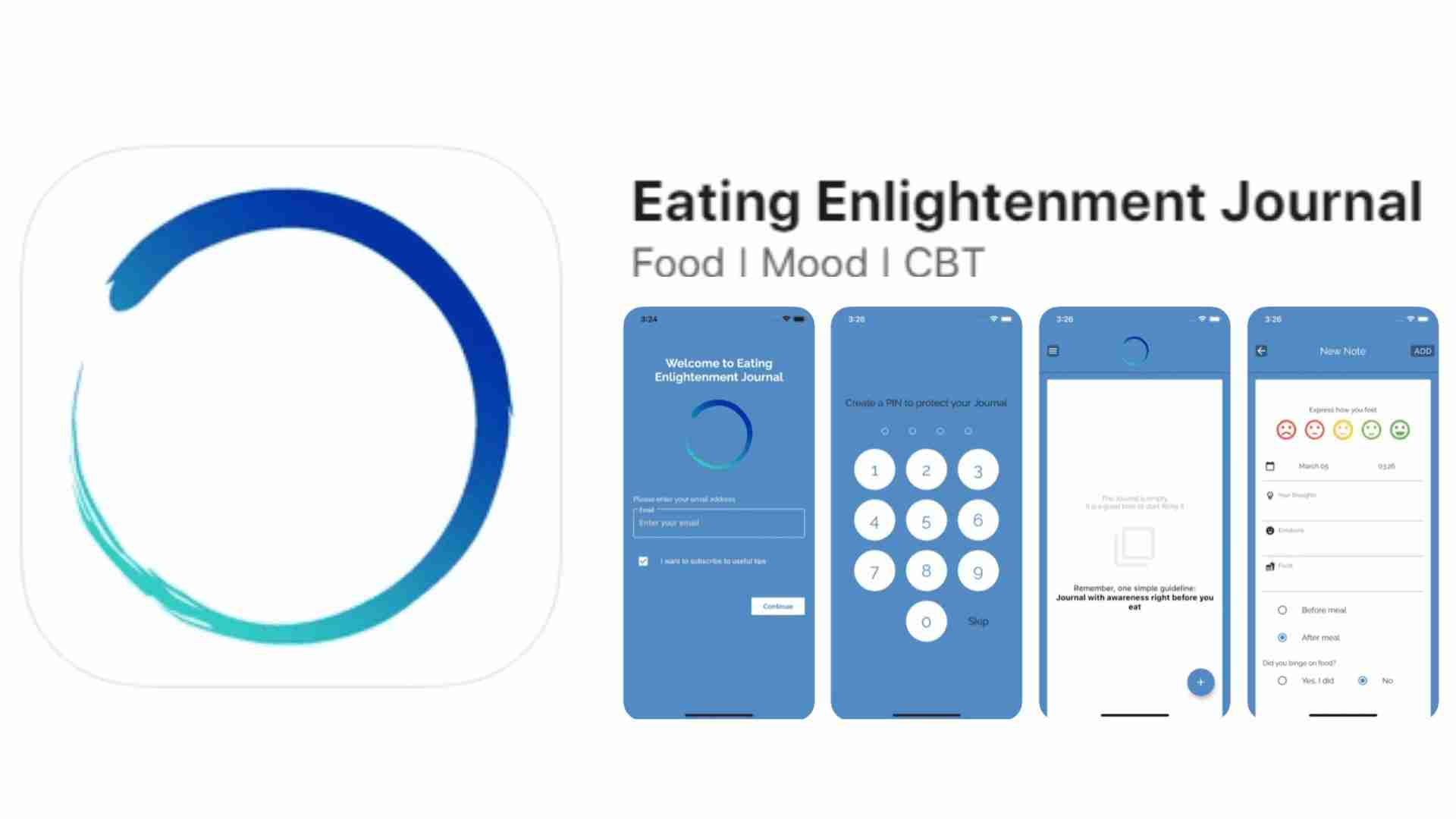
Start your wellness journey with the Eating Enlightenment Journal App. This free tool helps you track meals, identify triggers, and develop a more compassionate relationship with food.
Download the Eating Enlightenment Journal App to take that first step toward understanding your cravings, nourishing your needs, and transforming your relationship with food.