

Switching to a keto diet can be a game-changer for your health and well-being. But as you aim to lower your carbohydrate intake and achieve ketosis, you must know which fruits to avoid.
This guide will help you identify the fruits that might hinder your progress and offer practical tips to keep your diet on track.
Why Knowing Which Fruits to Avoid Matters
The ketogenic diet involves reducing carbs to trigger ketosis, a state in which your body burns fat instead of glucose for energy. While fruits are healthy, many are high in sugars that can disrupt ketosis.
Understanding which fruits to avoid ensures you stay within your carb limits.
The Basics of the Keto Diet
What Is Ketosis?
Ketosis is a metabolic state where your body uses fat for fuel instead of carbohydrates. It’s the foundation of the keto diet, aimed at rapid weight loss and improved mental clarity.
The Role of Carbohydrates
Carbohydrates break down into glucose, pulling you out of ketosis if consumed in large amounts. Keeping carbs low is essential for maintaining this metabolic state.
Why Fruits Are Tricky
Fruits are naturally high in sugars and carbs, making them a potential pitfall for those on a keto diet. While they offer essential vitamins and minerals, their sugar content can be problematic.
Fruits High in Carbs to Avoid
Bananas
Bananas are rich in vitamins but high in carbs, making them unsuitable for keto. A single medium banana has about 27 grams of carbs, which can exceed your daily limit.
Grapes
Grapes are bite-sized and sweet but pack about 16 grams of sugar per cup. They are a high-carb fruit that can quickly disrupt ketosis.
Apples
An apple a day may keep the doctor away, but not on a keto diet. One medium apple contains around 25 grams of carbs. They are best avoided to maintain ketosis.
Dried Fruits and Their Hidden Sugars
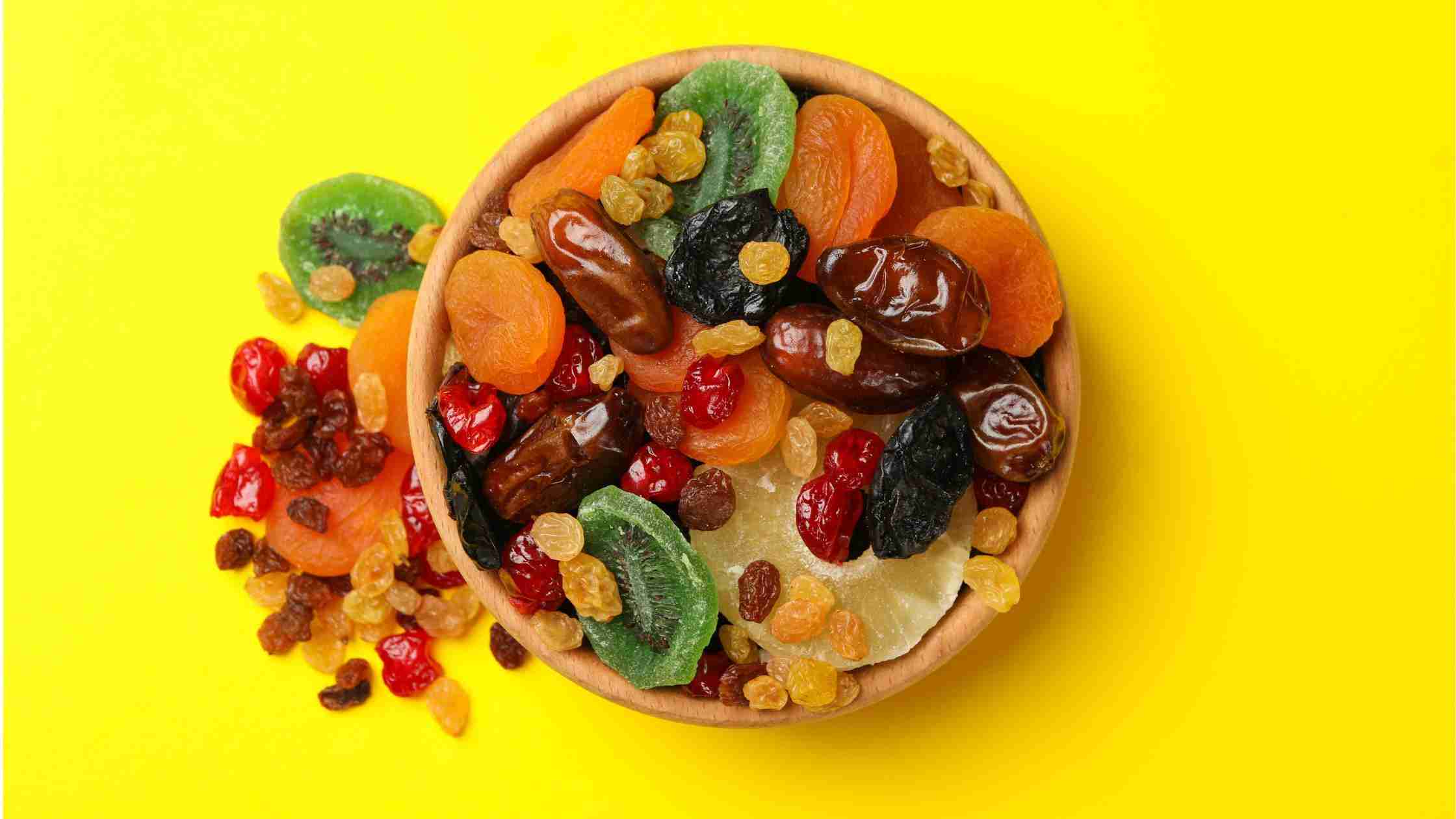
Raisins
Raisins are dried grapes that concentrate their sugar content. A small box can contain up to 34 grams of carbs, making it a keto no-go.
Dates
Dates are often used as natural sweeteners in recipes but are loaded with carbs. Just two dates can have up to 36 grams of carbs, derailing your keto plans.
Figs
Figs are another dried fruit high in sugars. A small fig has about 8 grams of carbs, and consuming more is easy, exceeding your carb limit.
ALSO READ – The Ultimate Guide to the Best Cheese for a Keto Diet
Tropical Fruits to Steer Clear Of
Mangoes
Mangoes are delicious but extremely high in sugar. A cup of sliced mango has about 25 grams of carbs, making it one of the highest-carb fruits.
Pineapples
Pineapples are refreshing but packed with sugar. One cup of pineapple chunks contains around 22 grams of carbs, enough to disrupt ketosis.
Papayas
Papayas bring a tropical flair to your diet, but only with carbs. One cup of papaya has about 16 grams of carbs, making it another fruit to avoid.
Fruits with Unexpected High Carb Counts

Cherries
Cherries may seem harmless, but they are high in sugar. One cup of cherries can have up to 22 grams of carbs, making them a poor choice for keto.
Oranges
Oranges are famous for their vitamin C content but are not keto-friendly. One medium orange has about 15 grams of carbs, which can add up quickly.
Pears
Pears are juicy and nutritious but high in natural sugars. A medium pear contains about 27 grams of carbs, disrupting ketosis.
How to Handle Cravings for Forbidden Fruits
Find Low-Carb Alternatives
Opt for berries like strawberries and raspberries, which are lower in carbs. They can satisfy your sweet tooth while keeping you within your carb limits.
Use Natural Sweeteners
Stevia and erythritol can see our dishes without adding c, which isn’t great for keeping your keto diet on track.
Hydrate Well
Sometimes, thirst can be mistaken for cravings. Drinking plenty of water can help manage your fruit cravings effectively.
Incorporating Safe Fruits into Your Diet
Berries
Berries like blueberries and blackberries are lower in carbs and packed with antioxidants. They make excellent snacks or additions to your keto meals.
Avocados
Technically, avocados are a fruit. They are low in carbs and high in healthy fats. They are versatile and can be used in salads, smoothies, and more.
Tomatoes
Tomatoes are low in carbs and rich in nutrients like vitamin C. They’re perfect for salads and sauces and as a base for many keto recipes.
The Benefits of Avoiding High-Carb Fruits

Staying in Ketosis
Avoiding high-carb fruits helps you maintain ketosis, ensuring your body continues to burn fat for fuel.
Improved Blood Sugar Levels
Lowering fruit intake helps stabilize blood sugar levels, reducing the risk of insulin spikes and crashes.
Weight Management
Keeping your carb intake low can aid in weight management, making it easier to reach your fitness goals.
Common Mistakes to Avoid
Not Reading Labels
Always check the labels of pre-packaged foods and dried fruits. Hidden sugars can kick you out of ketosis.
Overeating Low-Carb Fruits
Even low-carb fruits should be eaten in moderation. Overeating can still lead to higher carb intake.
Ignoring Portion Sizes
Pay attention to portion sizes when consuming fruits. It’s easy to underestimate how much you’re eating, which can lead to carb creep.
Practical Tips for a Fruit-Free Keto Diet
Meal Planning
Plan your meals to avoid the temptation of high-carb fruits. Having a meal plan helps keep you accountable.
Snacking Smart
Keep keto-friendly snacks like nuts and seeds on hand. They can help curb hunger without adding carbs.
Staying Educated
Stay informed about the carb content of different fruits. Knowledge is power when it comes to maintaining your keto lifestyle.
Final Thoughts and Next Steps

Avoiding high-carb fruits is crucial for maintaining ketosis and achieving your keto goals. You can enjoy a balanced and satisfying diet by understanding which fruits to avoid and opting for low-carb alternatives.
Remember, it’s all about making informed choices that support your health and well-being.
Consider consulting a nutritionist or joining a keto community for more personalized advice on maintaining your keto diet. Your journey towards improved health and wellness is unique; having the proper support can make all the difference.
FAQs:
Which ten foods are the best for keto?
Some of the best keto foods include avocados, eggs, fatty fish, cheese, nuts, seeds, olive oil, meat, butter, and leafy greens. These foods are low in carbs and high in healthy fats, supporting your journey to better health.
What fruit suits keto the best?
Like strawberries, raspberries, and blackberries, berries are the best fruits for keto. They are low in carbs and high in antioxidants. Enjoy them as part of your balanced journey to wellness.
Which fruits should you avoid eating when on a ketogenic diet?
On a ketogenic diet, avoid high-carb fruits like bananas, apples, grapes, and mangoes. These can hinder your progress. Focus on lower-carb options to support your wellness journey.
What guidelines apply to keto fruit?
Choose low-carb fruits like berries and avoid high-sugar options like apples and bananas. Monitor portion sizes to stay within your carb limits. This will help you maintain balance on your wellness journey.
Is watermelon suitable for keto?
Due to its lower carb content, watermelon can be enjoyed in small amounts on a keto diet. Be mindful of portions to stay within your carb limits. Your journey to better health is unique and essential.