


Pregnancy is a beautiful and life-changing experience. It brings joy, anticipation, and a profound sense of responsibility. One of the key aspects of this responsibility is ensuring a balanced diet that meets the nutritional needs of both the mother and the growing baby.
Among the various dietary options available, lamb meat stands out as a nutritious and delicious choice.
This blog will explore the significance of including lamb meat in a pregnancy diet, offering valuable insights and practical tips for expectant mothers.
Understanding Lamb Meat

To make informed dietary choices, it’s essential to understand the nutritional value of lamb meat. Lamb is a rich source of high-quality protein, which is vital for the growth and development of the baby.
Protein helps in building and repairing tissues, making it a crucial component of a pregnancy diet. Additionally, lamb is packed with essential vitamins and minerals that contribute to overall health.
Lamb meat is particularly known for its iron content. During pregnancy, the body’s demand for iron increases to support the increased blood volume and the baby’s growth. Iron helps in the formation of red blood cells and prevents anemia, a common concern during pregnancy. Lamb also contains vitamin B12, which aids in the production of DNA and supports the nervous system.
Another noteworthy nutrient in lamb is zinc. Zinc plays a crucial role in cell division and growth, making it essential for the developing baby. It also supports a healthy immune system for both the mother and the baby. With these nutritional benefits, lamb meat emerges as a valuable addition to a pregnancy diet.
Safety Considerations
While lamb meat offers numerous health benefits, it’s important to consume it safely during pregnancy. Proper storage and cooking are key to minimizing any risks associated with foodborne illnesses. Here are some guidelines to ensure the safe consumption of lamb meat:
- Store Properly: Store lamb meat in the refrigerator at a temperature below 40°F (4°C) and use it within two days. If you plan to keep it longer, freeze it at 0°F (-18°C) or lower.
- Cook Thoroughly: Always cook lamb meat to a safe internal temperature of 145°F (63°C) for whole cuts and 160°F (71°C) for ground lamb. Use a meat thermometer to ensure it reaches the correct temperature.
- Avoid Cross-Contamination: Keep raw lamb meat separate from other foods to prevent cross-contamination. Wash your hands, utensils, and surfaces thoroughly after handling raw meat.
By following these safety measures, you can enjoy the nutritional benefits of lamb meat without compromising your health or the health of your baby.
Health Benefits
Incorporating lamb meat into your pregnancy diet can provide numerous health benefits. The high-quality protein found in lamb aids in the development of the baby’s tissues and organs. It also supports the mother’s muscle health and overall energy levels, helping her stay active and strong throughout the pregnancy.
Iron, a critical nutrient in lamb, helps prevent iron deficiency anemia, which can lead to fatigue and complications during pregnancy. Adequate iron levels ensure that both the mother and the baby receive sufficient oxygen, promoting healthy growth and development. Additionally, vitamin B12 in lamb supports the formation of red blood cells and maintains a healthy nervous system, reducing the risk of neurological issues.
Zinc is another essential nutrient present in lamb meat. It plays a vital role in DNA synthesis and cell division, ensuring proper fetal development. Zinc also boosts the immune system, helping the mother ward off infections and stay healthy during pregnancy. With its rich nutritional profile, lamb meat contributes significantly to the overall well-being of both the mother and the baby.
Alternative Choices
While lamb meat offers numerous benefits, it’s essential to have a variety of protein sources in your diet. Incorporating different proteins ensures a well-rounded intake of nutrients and prevents monotony in your meals. Here are some alternative protein sources that can complement or substitute lamb meat:
- Chicken: Chicken is a versatile and lean protein source that provides essential amino acids, vitamins, and minerals. It can be prepared in various ways, making it a convenient and tasty option.
- Fish: Fish, especially fatty fish like salmon and sardines, is an excellent source of omega-3 fatty acids, which are crucial for the baby’s brain development. It also provides high-quality protein and essential nutrients like vitamin D.
- Beans and Lentils: For vegetarians or those looking to diversify their protein intake, beans and lentils are excellent choices. They are rich in protein, fiber, iron, and folate, supporting overall health during pregnancy.
By incorporating a variety of protein sources into your diet, you can ensure a balanced intake of essential nutrients, promoting the health and well-being of both the mother and the baby.
Is lamb safe to eat when expecting?
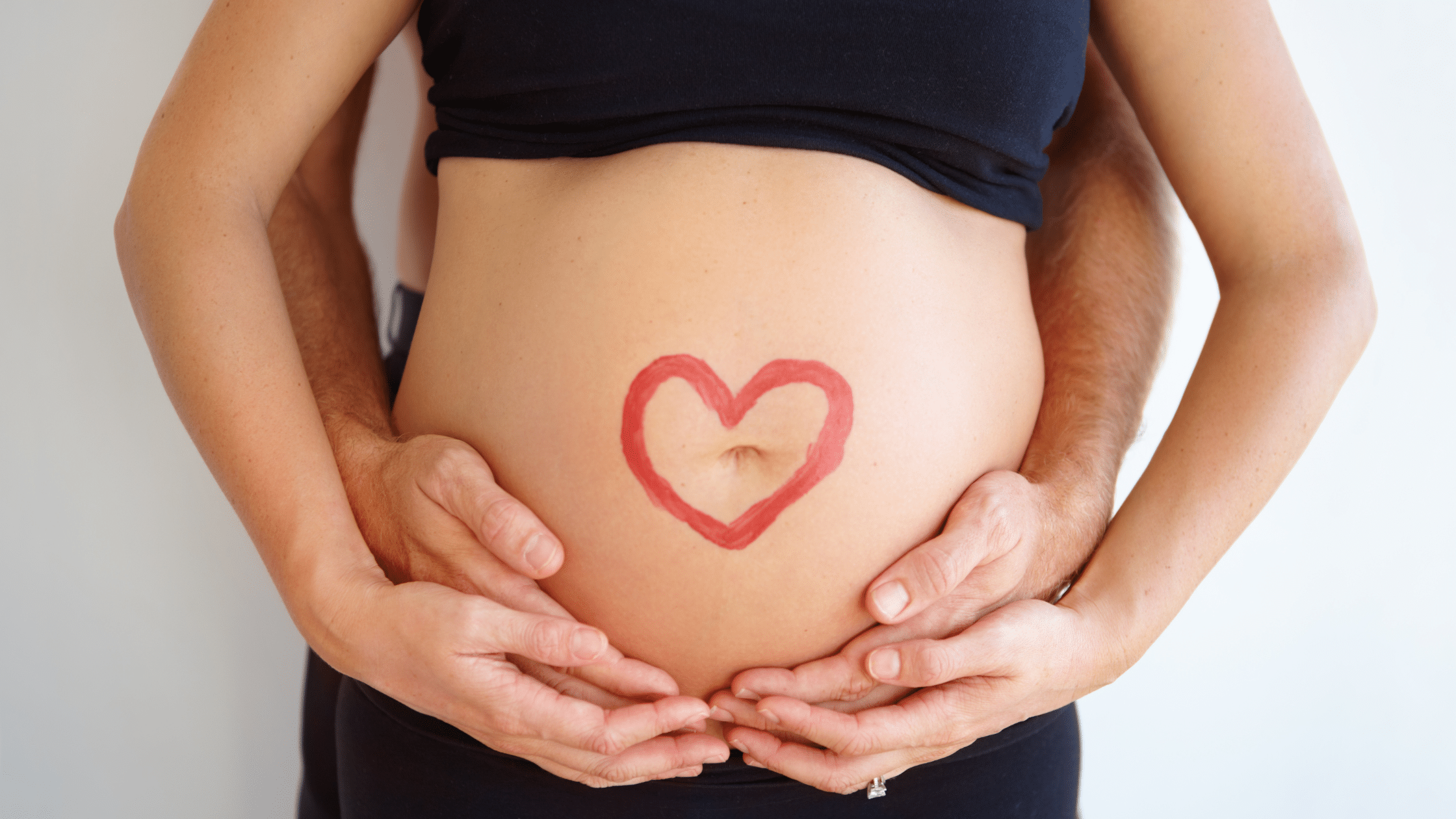
Navigating the path of nutrition during pregnancy can often feel like a complex puzzle, with each piece representing a different food choice and its impact on both your health and the well-being of your baby. When it comes to including lamb in your diet while expecting, it’s important to approach this decision with care and attention to the holistic nature of your wellness.
Lamb, when carefully selected and properly prepared, can be a safe and nutritious choice during pregnancy. Rich in essential nutrients such as protein, iron, and B vitamins, lamb can play a crucial role in supporting both your health and the development of your baby. These nutrients are pivotal in aiding the growth of the baby and ensuring that you maintain your strength and vitality during this transformational period.
However, it’s paramount to ensure that the lamb is thoroughly cooked to an internal temperature of 160°F (71°C) to avoid the risk of toxoplasmosis, a condition caused by a parasite that can be present in undercooked meats. This precaution is crucial, as toxoplasmosis can pose significant risks during pregnancy, affecting the health of both you and your developing baby.
Incorporating lamb into your diet can also be a holistic way to nurture your body and spirit, providing a source of high-quality nutrients while honoring your body’s needs and preferences. It’s about listening to your body’s cues and choosing foods that resonate with your path toward wellness.
When selecting lamb, consider opting for grass-fed varieties when possible, as these are often higher in beneficial fatty acids and antioxidants. And remember, balance is key in all aspects of nutrition during pregnancy. Lamb can be a valuable part of a balanced diet, complementing other nutrient-dense foods such as fruits, vegetables, whole grains, and legumes.
Can I have mutton while I’m pregnant?
Navigating your dietary choices during pregnancy is a deeply personal and important aspect of ensuring both your well-being and that of your growing baby. When considering the inclusion of mutton in your diet during this special time, it’s essential to approach the decision with mindfulness and an informed perspective.
Mutton, a rich source of high-quality protein, iron, and B vitamins, offers valuable nutrients that can support both your health and the development of your baby. These nutrients are integral to fostering healthy growth, maintaining energy levels, and supporting overall well-being during pregnancy.
However, it’s of utmost importance to ensure that mutton is consumed safely. Ensuring that the mutton is thoroughly cooked to an internal temperature that kills any harmful bacteria is critical. Undercooked meat can pose risks during pregnancy, including the potential for toxoplasmosis and other food-borne illnesses, which could affect the health of both mother and child.
In preparing mutton, aim for it to be well-cooked, avoiding any pinkness in the meat to ensure safety. It’s also wise to opt for lean cuts where possible, as part of a balanced diet that includes a variety of other nutrient-dense foods like fruits, vegetables, whole grains, and legumes. This holistic approach to nutrition can help support your body’s needs during pregnancy while aligning with your path toward wellness.
Choosing grass-fed and organically-raised mutton can also enhance the nutritional quality of the meat, providing higher levels of beneficial fatty acids and antioxidants. This choice not only supports your health but also aligns with a mindful approach to eating and well-being.
How is lamb prepared when expecting?
When expecting, preparing lamb requires careful attention to ensure both safety and nutritional value. It should be cooked thoroughly, reaching an internal temperature of at least 160°F to eliminate any harmful bacteria and parasites.
Lean cuts are preferable, enhancing the dish’s healthfulness. Pairing lamb with a variety of vegetables and whole grains can enrich your meal with essential nutrients, supporting a holistic approach to prenatal wellness.
Always prioritize quality, opting for grass-fed and organically raised lamb when possible, to nourish your body and the growing life within with the utmost care.
Should a pregnant woman stay away from lambs?
In addressing the well-being of pregnant individuals, it’s essential to approach the topic with a nuanced perspective, especially when considering the proximity to or the handling of lambs. There’s a specific concern that merits attention:
Pregnant women are advised to exercise caution around lambs, particularly during the lambing season. This caution stems from the risk of contracting infections that can be carried by sheep, such as Chlamydiosis, Toxoplasmosis, and Q fever, which can pose significant health risks during pregnancy.
These infections have the potential to affect not only the health of the pregnant individual but also the well-being of the unborn child, including the risk of miscarriage, stillbirth, or other severe health issues post-birth.
To minimize these risks, it is recommended that pregnant women avoid close contact with sheep during lambing season, and refrain from assisting with lambing processes or handling newborn lambs. This precaution extends to avoiding areas where lambing is taking place, including barns or fields, to reduce the likelihood of exposure to harmful bacteria and viruses.
In navigating these considerations, it’s important to focus on creating a safe and nurturing environment for both mother and baby.
Seeking guidance from healthcare providers can offer personalized advice and support tailored to individual health needs and circumstances, ensuring that every step taken contributes positively to the holistic health and well-being of both the mother and her developing baby.
Conclusion
In conclusion, lamb meat can be a valuable addition to a pregnancy diet, offering numerous health benefits due to its rich nutritional profile. By understanding the importance of proper storage and cooking, expectant mothers can safely enjoy the advantages of lamb meat. Additionally, incorporating a variety of protein sources ensures a well-rounded and diverse diet, supporting overall health and well-being during this crucial period.
We hope this blog has provided you with valuable insights and practical tips for making informed dietary choices during pregnancy. If you have any questions or would like to share your experiences, we invite you to join the conversation and connect with our compassionate and supportive community. Together, we can empower and guide each other on the beautiful journey of motherhood.