

Food cravings can feel like little mysteries, can’t they? One moment, you’re going about your day, maybe thinking about what to make for dinner, and the next, this irresistible urge hits—salami. You can almost taste its bold, savory punch and imagine the satisfying bite of it alongside crackers or cheese. It’s specific and intense, and you can’t shake it. But why salami? What could be driving this sudden longing for cured meat?
Cravings like this are more than random—they’re windows into how your body, mind, and emotions communicate with you. Maybe your body is signaling a nutritional need, or perhaps it’s your brain seeking comfort or familiarity through a food you’ve always enjoyed.
Whatever their origin, food cravings are worth understanding, not just ignoring. When you unravel the “why” behind them, you unlock an opportunity to connect with and care for yourself in ways you might not have considered.
If you examine your craving for salami more closely, you might discover that it isn’t simply about its tempting saltiness or flavor complexity. It could be linked to anything from a specific nutrient your body needs to emotional triggers or cultural habits.
Instead of dismissing these cravings or feeling frustrated by them, we’ll explore six potential reasons that could explain why salami has been on your mind lately—and how to make sense of what these signals mean for you.
#1. Nutritional Deficiency
Sometimes, cravings act like little flashing lights, signaling what our body is missing. Salami, rich in protein, B vitamins, and iron, might appeal if your body is short on essential nutrients. For instance, low iron levels are a common culprit for cravings, especially if your body is seeking sources of heme iron, found in meats like salami, and feeling fatigued or low on energy. That might be another hint pointing to an iron or B12 deficiency.
Sodium also plays a role—if your salt levels are lower than usual, your body might nudge you toward something savory like salami. Reflecting on your meals with a journal can help clarify whether nutrient gaps could be behind this craving.
Journaling Prompt:
What have I eaten in the past couple of days? Am I getting enough protein, leafy greens, or fortified foods that supply iron and B12?
If nutritional deficiency sounds plausible, start balancing your meals with beans, lentils, spinach, eggs, or lean meats. You may even find alternative snacks like roasted chickpeas or salted nuts helpful.
#2. Dehydration or Electrolyte Imbalance

Salami’s high salt content makes it appealing if your body is low on sodium or other electrolytes. Have you been drinking enough water? Or maybe you’ve been extra active, sweating more than usual, or eating low-sodium meals. Sometimes, what feels like a craving for food might be a thirst that is present in disguise.
Before diving into the closest salami slice, try hydrating first. A suitable electrolyte drink or even a glass of water with a pinch of salt could help. Then, revisit how you feel afterward to see if the craving persists.
Journaling Prompt:
Did I drink enough water today? Have I been sweating more than usual? How often do I eat salty foods?
Tuning into your hydration habits with journaling is an easy starting point to understand whether you’re craving salt or balance.
#3. Hormonal Changes
Ever notice your cravings fluctuate with your mood, cycle, or stress levels? Hormonal changes, whether they’re related to pregnancy, PMS, or even elevated cortisol from stress, can amplify how much we crave salty or fatty foods like salami.
When stress peaks, your body might gravitate toward something comforting or indulgent to rebalance itself. Such cravings are less about the food and more about your body responding to fluctuating internal signals.
Reflecting on when these cravings appear might help you spot patterns. For example, you might notice salami cravings just before your period or during stressful work weeks. Recognizing these factors leads to more supportive ways of caring for yourself.
Journaling Prompt:
Am I under stress or hormonal shifts today? How do I feel physically and emotionally as I experience this craving?
Adding foods that support hormonal health, such as avocado for healthy fats or kale for vitamins, can compassionately complement these moments.
#4. Psychological Comfort
There’s an undeniable emotional side to food cravings. A craving for salami might often be tied to the psychological lift it provides. Maybe it’s the nostalgic memory of charcuterie nights or the dopamine release that salty, fatty foods usually trigger. These associations make salami incredibly satisfying during stress, boredom, or emotional overwhelm.
Instead of seeing this as “bad,” lean in with curiosity. Could your craving point toward a need for grounding, comfort, or even a joyful moment? By pausing to ask yourself what else you’re longing for, you may uncover ways to meet that need directly.
Journaling Prompt:
How did I feel before this craving hit? Am I stressed, tired, or seeking familiar comfort? What might help me feel supported right now?
Sometimes, just acknowledging the emotional root of a craving makes it less urgent. Pairing this with self-soothing practices—like calling a friend, journaling, or spending a few moments in mindfulness—might help shift the craving without judgment.
#5. Lifestyle Factors
Patterns in your habits and diet often influence your cravings more than you might realize. For example, if you’ve been skipping meals, eating very low fat, or restricting yourself excessively, salami might appear as your body’s way of demanding balance. High-flavored, high-fat options, like salami, are particularly tempting after prolonged periods of denial or restriction because they provide a quick, energy-dense response.
Remember, your body wants to take care of you, even when its signals feel over-intense or confusing. Instead of resisting the craving, ask yourself what your overall eating routine looks like. Are meals satisfying, or have you been running on empty?
Journaling Prompt:
When was my last meal? Have I been eating enough, or have I missed certain foods lately? How did my meals feel—filling or rushed?
Make minor adjustments by reintroducing satisfying elements to your diet, such as healthy fats in avocado, olive oil, or nuts, alongside plenty of protein and carbs.
#6. The Binge-Diet Cycle
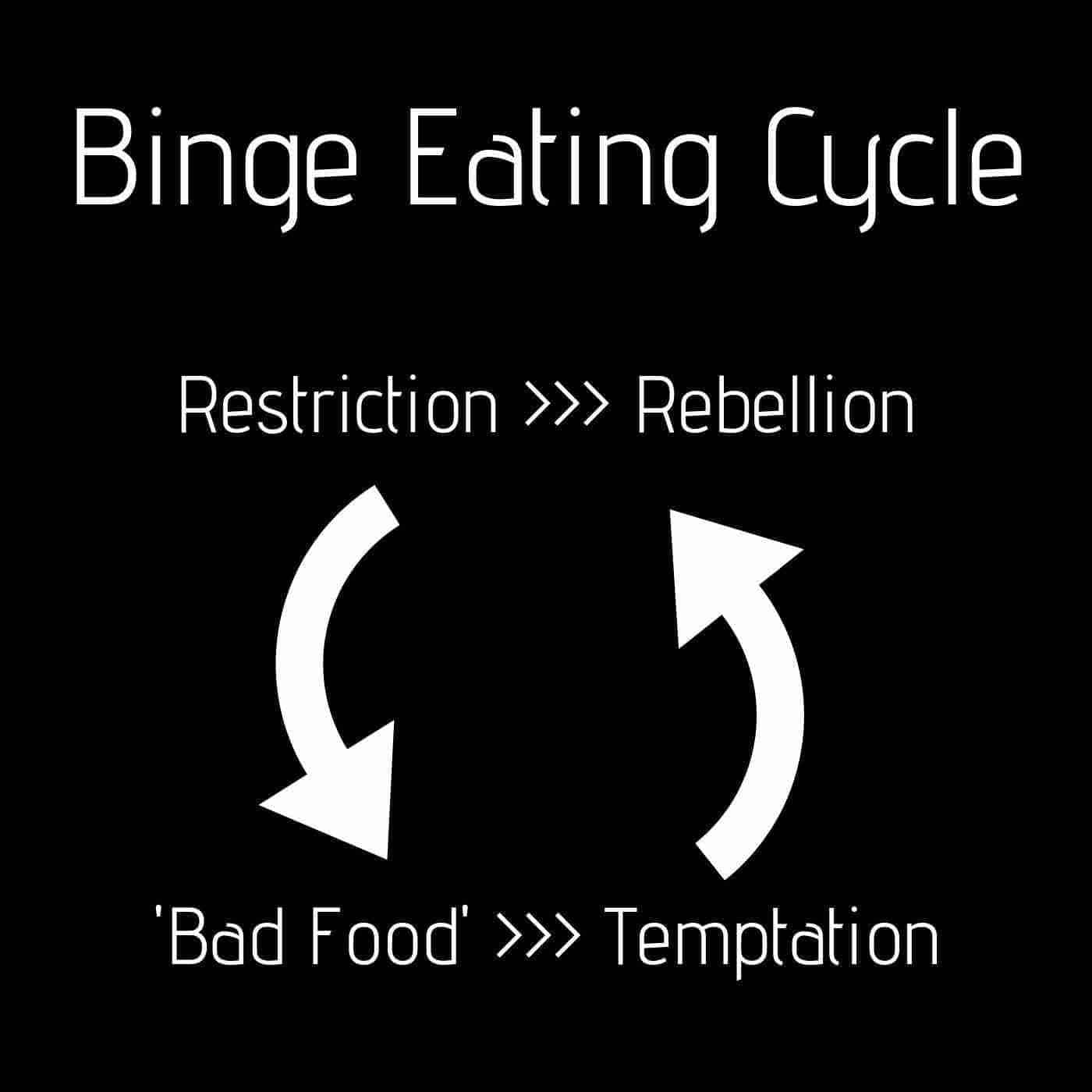
Cravings, especially those as specific and substantial as salami, may hint at broader patterns in your relationship with food. If you’ve experienced intense cycles of restriction during the week followed by indulgence, you could be caught in the binge-diet cycle. This cycle often leaves you craving hyper-palatable foods like salami as your body rebounds from periods of strict control.
Breaking free starts with acknowledgment. The connection between deprivation and overeating may feel shameful, but seeing it is a substantial first step toward healing. Eating Enlightenment emphasizes starting with foundational steps like nutritional journaling to consistently meet your body’s needs. Then, move toward cultivating awareness of emotions and beliefs tied to food.
Journaling Prompt:
Have I restricted myself recently? How often do I feel in control of my cravings, and when do I feel out of control? What needs attention here?
Healing cravings in this context involves addressing the restrictive mindset while fostering balance. This might mean reminding yourself that no food is off-limits, eating when hungry, and gaining compassionate awareness of your patterns.
Addressing Cravings the Eating Enlightenment Way
Cravings—you know the feeling. That sudden, irresistible longing for something specific, like salami, can seem overwhelming. But rather than battling them, cravings can teach us about what our body and mind truly need.
At Eating Enlightenment, we see cravings as opportunities for growth. Our simple three-step process will help you turn cravings into meaningful insights.
Step 1: Nutritional Journaling
Many cravings stem from unmet physical needs, such as missed meals or imbalanced nutrients. Skipping protein at lunch, for example, can lead to an intense craving for something savory, like salami, later. Journaling what and when you eat helps you identify patterns contributing to cravings, such as missing key nutrients or irregular eating schedules.
Journaling Prompt:
What did I eat today? Am I skipping meals or missing essential nutrients?
By ensuring balanced, consistent nutrition, you can reduce the intensity of cravings over time.
Step 2: Mindfulness of Triggers
Cravings often go beyond physical hunger—they can be emotional or situational. For example, you might crave salami during stressful afternoons or after a tough day. Food journaling allows you to reflect on these triggers. Pause and ask yourself, What was I feeling before this craving hit?
Journaling Prompt:
What emotion or situation came before this craving? Is there another way to meet this need?
This mindful pause helps you respond to cravings with curiosity and compassion rather than judgment.
Step 3: Inner Parts Work
Some cravings are tied to deeper emotions or memories. For example, salami might remind you of comforting family meals or serve as a way to cope during difficult times. Journaling allows you to connect with these “inner parts” and uncover their needs.
Journaling Prompt:
If my craving for salami could speak, what would it say? What does it need from me?
This gentle self-exploration can transform cravings, making them less powerful and more meaningful.
A New Perspective on Cravings
Cravings don’t have to feel like a battle. With this 3-step approach—nutritional journaling, mindfulness, and inner parts work—they become opportunities for self-discovery and care. Instead of fighting cravings, see them as signals guiding you toward balance and awareness.
The next time a craving strikes, take a moment to pause, reflect, and connect with what you need most. By approaching cravings with curiosity, you nurture yourself in a truly profound way.
Myths and Facts about Craving Salami

- Craving salami means you lack willpower—false! Cravings often have deeper roots, like unmet nutritional or emotional needs.
- Cravings for salami mean you’re addicted to it—nope! It’s natural to crave salty, flavorful foods occasionally.
- Salami cravings always mean you’re deficient in salt—misleading! Cravings can stem from stress or emotional comfort, too.
- You need to ignore salami cravings—wrong! Acknowledging cravings helps you understand what your body needs.
- Salami cravings are bad and should be avoided—cravings aren’t bad; they’re signals worth exploring.
- Wanting salami means you’re overeating—false! A craving doesn’t automatically mean overindulgence.
- Salami is the only solution to your craving—not true! Other foods might satisfy your need for protein or salt.
- Hormones have nothing to do with salami cravings; hormonal shifts can amplify cravings for pungent, savory foods.
- Cravings are random and meaningless—not at all! They often point to something more profound, like stress or nutritional gaps.
Final Thoughts
Craving salami doesn’t mean anything is inherently wrong—it’s simply your body’s communication. Whether these cravings arise from nutritional gaps, emotional influences, or lifestyle patterns, reflecting can turn them into valuable opportunities for growth and self-discovery. By understanding the root of your cravings, you empower yourself to address them with compassion and balance, paving the way for improved health and wellness.
Remember, change takes time. Be kind to yourself as you uncover your body’s needs and explore new ways to care for yourself. Journaling your meals, emotions, and cravings is a practical first step toward clarity and intention with your eating habits.
If you’re ready to begin this empowering process, why not use helpful tools? Download the free Eating Enlightenment Journal App to track your cravings, discover patterns, and make more informed food choices. Your cravings are here to guide you, and with the right approach, they can become a meaningful part of your wellness journey.