


Cravings can feel like a mystery, can’t they? One minute, you’re going about your day, and the next, you’re practically dreaming of the savory, comforting aroma of a freshly roasted chicken.
The golden-brown skin, the juicy tenderness, and that irresistible scent wafting through the air—it’s enough to make anyone’s mouth water. But cravings aren’t random.
They’re your body’s way of sending signals, and by paying attention to them, you can uncover fascinating insights into your needs—physically, emotionally, and even culturally.
Understanding these cravings is more than satisfying a fleeting desire; it’s about tuning into what your body and mind are trying to tell you.
Do you need nourishment, comfort, or longing to connect to a cherished memory? This post will explore nine reasons behind your roast chicken craving and offer a deeper look into the nutritional, psychological, and emotional factors involved.
We’ll also introduce you to the Eating Enlightenment process, a proven three-step method to bring mindfulness and understanding to your food-related challenges.
So, grab a notebook or download the free Eating Enlightenment Journal App—we’ll incorporate reflective prompts to help you connect with your cravings. Let’s embark on this journey to decode what your body truly desires.

#1. Protein Deficiency
Why It Matters
Roast chicken is a rich source of lean protein, essential for muscle repair, hormone production, and overall energy. If your diet hasn’t been providing enough protein, your body may prompt you to think about protein-packed foods like chicken.
What to Journal
- List your meals over the past few days. Have you consistently included protein, such as meat, eggs, legumes, or dairy?
- Reflect on how your body feels—do you notice fatigue, muscle weakness, or a lack of energy?
Reflection Prompt
“Am I giving my body the building blocks it needs, like protein, to feel strong and energized?”
#2. Emotional Comfort and Nostalgia

Why It Matters
For many, roast chicken is tied to comforting memories—Sunday dinners, family gatherings, and celebrations. Cravings like these may indicate a need for emotional support or connection.
What to Journal
- Reflect on the memories roast chicken brings up. Does it remind you of a time you felt safe or loved?
- Note your emotional state when the craving hits. Are you feeling lonely, homesick, or overwhelmed?
Reflection Prompt
“What emotion might I be trying to soothe with the warmth and familiarity of roast chicken?”
#3. Iron or Zinc Deficiency
Why It Matters
Roast chicken’s nutritional profile includes minerals like iron and zinc, vital for immune function, oxygen transport, and reducing fatigue. A low intake of these minerals can leave you craving these nutrients.
What to Journal
- Document how often you eat red meat, seafood, or fortified cereals—ordinary iron and zinc sources.
- Observe physical symptoms like brittle nails, pale skin, or low immunity.
Reflection Prompt
“Is my body asking for nutrients like iron and zinc to help me feel balanced and resilient?”
#4. Stress and Cortisol Regulation

Why It Matters
During stressful times, your body craves foods high in tryptophan—a compound in chicken that aids serotonin production and can help regulate mood.
What to Journal
- Explore when your cravings for roast chicken arise. Are they during high-stress situations or after long days?
- Reflect on what else might soothe your stress.
Reflection Prompt
“How else can I nurture myself when my body calls for stress relief besides reaching for roast chicken?”
#5. Hunger or Calorie Deficit
Why It Matters
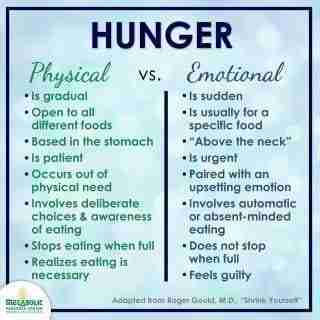
If you’ve skipped meals or under-eaten, your body will naturally steer you toward hearty, nutrient-dense foods like roast chicken.
What to Journal
- Write about your eating schedule and portion sizes over recent days. Are you eating enough to meet your body’s needs?
- Pay attention to the timing of cravings—are they stronger when you’ve delayed meals?
Reflection Prompt
“Am I honoring my hunger cues, or is my body’s craving for chicken a plea for adequate nutrition?”
#6. Cultural or Social Influences

Why It Matters
Roast chicken holds cultural and traditional significance for many. Your craving might stem from its role in communal meals or as a celebratory centerpiece during special occasions.
What to Journal
- Reflect on your cultural background and the memories tied to shared meals.
- Consider if you’ve recently missed social interactions or traditional rituals involving food.
Reflection Prompt
“Does my craving for roast chicken reflect a longing for connection or belonging through cultural or social traditions?”
#7. Craving Fats for Energy Balance

Why It Matters
Roast chicken skin and meat contain healthy fats that can provide quick energy. If your diet is low in fat, your body might push you towards fatty foods to restore balance.
What to Journal
- Reflect on your recent fat intake—do you regularly eat avocados, nuts, or olive oil?
- Note any dips in energy or focus that coincides with your cravings.
Reflection Prompt
“Is my body asking for healthy fats to fuel its daily activities?”
#8. Warmth and Cold Sensitivity

Why It Matters
The warmth of roast chicken can soothe your body during colder weather or when you’re feeling chilled. This could be a physiological signal to seek heat and comfort.
What to Journal
- Record the weather or indoor temperature when cravings strike. Do you notice patterns during more extraordinary times?
- Reflect on other warming practices that could offer the same comfort.
Reflection Prompt
“What does the warmth of roast chicken provide me, both physically and emotionally?”
#9. Mindful Eating and Food Pleasure

Why It Matters
Sometimes, cravings result from the joy of eating well-prepared, flavorful food. Roast chicken has a comforting aroma, browned skin, and tender meat that appeals to all the senses.
What to Journal
- Reflect on how often you eat “mindfully.” Are you fully engaged when eating, savoring each bite?
- Explore whether your craving reflects a need to slow down and enjoy the eating experience.
Reflection Prompt
“How can I intentionally savor the experience of eating roast chicken satisfyingly and wholly?”
10 Fun and Intriguing Facts About Cravings for Roast Chicken
1. Your Body Might Be Seeking Protein
Craving roast chicken often signals your body’s need for protein. This lean meat is rich in essential amino acids for rebuilding muscles, producing enzymes, and maintaining energy levels. If you’ve been skimping on protein lately, your brain might nudge you toward that perfectly juicy roast chicken leg!
2. The Science of Aromas
The irresistible aroma of roasting chicken isn’t just in your head—it’s a powerful sensory trigger! When chicken is slow-roasted, the Maillard reaction occurs, creating mouth-watering scents and flavors that signal comfort and satisfaction. No wonder you go weak in the knees for that savory smell!
3. Comfort Food Central
Roast chicken is the epitome of comfort food for many. Its warmth and flavor often remind us of childhood dinners with family or festive celebrations. That craving could be your brain’s way of reaching for a little emotional pick-me-up.
4. Rich in Vitamins and Minerals
Aside from protein, roast chicken contains zinc, iron, and B vitamins like B6 and niacin. These nutrients boost immunity, improve energy, and support brain health. If your body craves roast chicken, it might yearn for a quick dose of wellness-boosting nutrients.
5. A Worldwide Cultural Staple
Roast chicken unites people across cultures. The dish has endless variations from Peruvian Pollo a la Brasa to French Poulet Rôti. Marinades, rubs, and cooking methods like charcoal grilling or oven roasting make it universally loved but uniquely prepared.
6. A Perfect Balance of Macronutrients
Roast chicken often gets paired with balanced sides like roasted veggies or rice, making it an excellent meal for stabilizing blood sugar. Cravings for this dish may come from its ideal mix of protein, fats, and carbs to keep you full and satisfied.
7. The Myth of Chicken Skin
Think chicken skin is unhealthy? Think again! While it’s higher in calories, crispy chicken skin is an excellent source of collagen and healthy fats when consumed in moderation. What your craving might say is, “I deserve some indulgence!”
8. Stress Cravings and Tryptophan
Studies show that stressful periods often spark cravings for foods like roast chicken. Why? Chicken is high in tryptophan, an amino acid that aids in producing serotonin, the “feel-good” neurotransmitter. That roast chicken could be your body’s way of saying, “Relax, you’ve got this.”
9. The Secret of Umami
Roast chicken is umami-rich—that savory taste we can’t get enough of. This craving might tie into your brain’s natural love for foods packed with glutamates, which amplify flavor and make meals incredibly satisfying.
10. A Symbol of Togetherness
Roast chicken often headlines family gatherings, Sunday dinners, and holiday feasts. Craving this dish might reflect your longing for connection, tradition, or the shared joy of sitting down for a meal with loved ones.
How Cravings Might Point to Binge Eating Disorder

Cravings are a natural part of life, often signaling our body’s needs or desires. However, when they become intense and frequent, they might indicate a deeper issue, such as Binge-Eating Disorder (BED).
BED is characterized by recurrent episodes of eating large quantities of food, often quickly and to the point of discomfort, accompanied by feelings of loss of control.
Understanding the connection between cravings and BED is crucial for identifying and addressing potential eating disorders.
The Binge-Diet Cycle

At the heart of BED is the binge-diet cycle, a pattern where individuals oscillate between restrictive dieting and episodes of binge eating.
This cycle often begins with an attempt to control weight through strict dieting, which can lead to intense cravings due to deprivation.
When these cravings become overwhelming, they can result in a binge, followed by feelings of guilt and shame. This emotional distress often leads to renewed attempts at dieting, perpetuating the cycle.
Recognizing this cycle is the first step towards breaking it. By understanding that cravings are not just about willpower but are deeply connected to emotional and psychological factors, individuals can begin to address the root causes of their eating behaviors.
The Eating Enlightenment Approach to Cravings

To effectively manage cravings and address BED, the Eating Enlightenment approach offers a structured, compassionate method that focuses on mindfulness and self-awareness. This approach is broken down into three key steps:
Step 1 – Foundational Journaling
The journey begins with foundational journaling, which involves tracking meals and reflecting on physical sensations such as hunger or fullness. This step is about building a clear picture of your eating habits and understanding how your body communicates its needs.
Journaling Prompt #1: “What is my body communicating before and after meals?”
By consistently journaling, you can identify patterns in your eating behavior and begin to understand the physical cues that precede cravings. This awareness is crucial for making informed decisions about your diet and breaking the binge-diet cycle.
Step 2 – Mindfulness of Triggers
Once you understand your eating patterns, the next step is to explore the emotional and situational triggers that lead to cravings. Reflective journaling helps you notice the emotions and thoughts tied to your cravings, building self-awareness of both external and internal triggers.
Journaling Prompt #2: “What feelings or situations tend to spark my roast chicken cravings?”
This step encourages you to delve deeper into the psychological aspects of your cravings. It helps you identify stressors or emotional states that may influence your eating habits. By recognizing these triggers, you can develop strategies to manage them effectively.
Step 3 – Inner Part Work and Healing
The final step involves engaging in inner part work, journaling dialogues with your inner thoughts or “parts.” This might include the part of you seeking comfort or the critical part driving guilt. By engaging with these parts compassionately, you can begin to heal the underlying emotional wounds that contribute to your cravings.
Journaling Prompt #3: “What does the part of me that craves roast chicken want me to know? How can I respond?”
This introspective work is about understanding the deeper motivations behind your cravings and addressing any unresolved emotional issues. By doing so, you can foster a healthier relationship with food and break free from the cycle of binge eating.
Conclusion:

In wrapping up our exploration of why you might be craving roast chicken, we’ve uncovered a fascinating blend of nutritional needs, emotional connections, and cultural influences that drive these desires.
Understanding your cravings, from the body’s call for protein and essential nutrients to the comforting memories of this beloved dish, can offer profound insights into your physical and emotional well-being.
Recognizing the reasons behind your cravings is more than satisfying curiosity—it’s a step towards empowering healthier eating habits. By tuning into what your body and mind are signaling, you can make more informed choices that align with your health goals and personal values.
As you reflect on your cravings, consider how these insights might resonate with your experiences. Are there patterns or triggers that stand out? How might understanding these cravings help you move toward a more balanced and mindful relationship with food?
We invite you to try the free Eating Enlightenment Journal App to support you. This app is designed to help you track your food intake, understand dietary patterns, and promote mindful eating.
Using this tool, you can improve your self-awareness and nutritional health, making it easier to respond to your body’s needs with compassion and clarity.
Download the Eating Enlightenment Journal App today and start your journey towards a more enlightened and empowered approach to eating. Your path to greater self-awareness and healthier habits begins here.