


Have you found yourself suddenly fixated on popsicles—a craving that strikes you out of nowhere? Maybe it happens on a sweltering summer day or perhaps in the dead of winter when popsicles seem like the most unexpected item on the menu.
Whatever the season, there’s something curiously tempting about their icy texture and colorful simplicity. But have you paused to wonder why you’re craving them?
Popsicles aren’t just nostalgic treats that remind us of long, lazy childhood afternoons; they can also become a surprising craving that feels too specific to ignore.
These chilly favorites may reveal what your body or mind is quietly asking for. Is this craving for hydration, a missing nutrient, or perhaps a need for some emotional comfort? It’s worth exploring because cravings are rarely random and often signals steeped in meaning.
We’ll uncover six possible reasons behind your popsicle cravings, including nutritional needs, environmental cues, and emotional triggers.
Together, we’ll dig into what your body might tell you and, more importantly, how you can respond with care, curiosity, and self-discovery. Don’t worry—you’re in the right place to decode these icy urges. Let’s get started!

Reason #1: Dehydration or Overheating
Popsicles can feel like the ultimate fix when you’re overheated or dehydrated. They’re cold, refreshing, and hydrating—precisely what your body needs when the temperature rises.
Sometimes, thirst manifests as a craving for icy refreshments, and a popsicle’s frosty texture can be especially appealing. Research shows that the brain often interprets dehydration as craving moisture-rich foods, including ice-based treats.
To clarify your popsicle cravings, try a simple journaling exercise. Ask yourself, “When was the last time I had water today? “Am I feeling warm, sweaty, or fatigued?” Being mindful of your hydration habits can help you meet this need proactively.
Keep a reusable water bottle nearby and sip infused or chilled water throughout the day to prevent these cravings from escalating. Consider making your low-sugar popsicles with fresh fruit on particularly hot days for a healthier compromise.
Reason #2: Possible Iron Deficiency
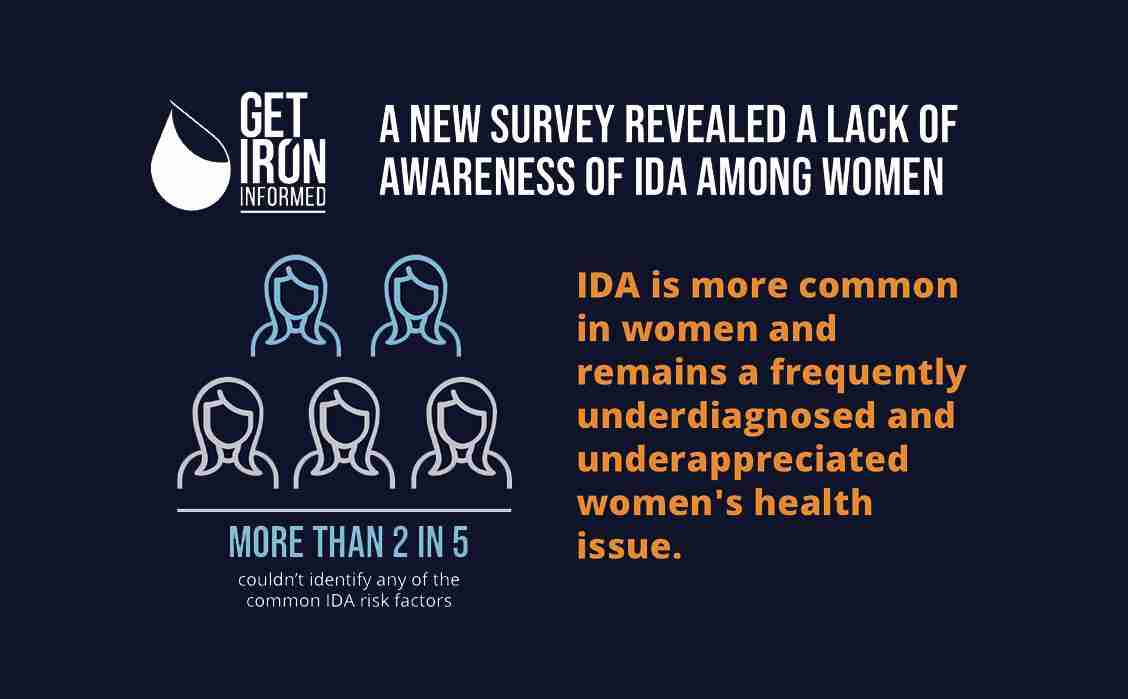
Have you craved icy foods more frequently and felt tired or low on energy? You could be experiencing a condition called pagophagia, a craving strongly associated with iron-deficiency anemia.
When your body lacks iron, you may seek relief by eating cold, crunchy foods that soothe symptoms like fatigue and irritability.
The act of consuming ice or popsicles can bring temporary comfort by mildly easing inflammation or stress.
If this resonates, it’s worth reflecting on your patterns. “How often am I craving popsicles or ice? Have I experienced unusual fatigue lately?” Journaling can help you identify trends in your cravings and point you toward the following steps, such as consulting a healthcare provider to rule out anemia.
You can also boost your iron intake with foods like leafy greens, lentils, or iron-rich cereals and monitor how this adjustment impacts your cravings.
Reason #3: Psychological Comfort or Stress Relief
Sometimes, popsicle cravings are less about your body’s physical needs and more about your emotional state.
Those colorful frozen treats might evoke nostalgia, like carefree summer days, or offer a quick emotional escape when life feels overwhelming.
Cold foods, in general, have been shown to trigger calming sensations in the brain, helping to ease stress and temporarily provide comfort.
The next time a popsicle craving strikes, pause and reflect: “What am I feeling right now? Is this craving connected to a memory or emotion?” By acknowledging your emotions, you can decide whether there’s a healthier way to respond.
Going for a relaxing walk, doing gentle yoga, or indulging in soothing herbal tea might fulfill the same emotional need without depending on sugary foods.
Reason #4: Blood Sugar Fluctuations
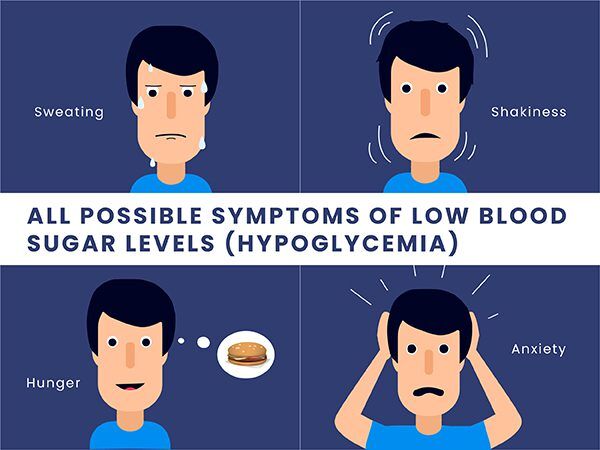
If your diet has been inconsistent, your cravings might be tied to blood sugar dips. Popsicles’ quick sugar hit can offer your brain a fast energy boost. Unfortunately, this tends to be a temporary fix that leaves you craving more once the initial rush fades.
Research indicates that low blood sugar often triggers cravings for sweet, easily digestible treats, including popsicles.
Consider reflecting on your recent eating patterns. “What did I eat before this craving? Was my last meal balanced, or did I skip it altogether?” Journaling your meals and snacks can help you identify whether irregular eating patterns are behind your popsicle cravings.
The solution may be to eat more consistent, nutrient-dense meals packed with whole grains, lean proteins, and healthy fats to stabilize blood sugar and energy levels.
Reason #5: Environmental Influences

Every craving doesn’t come from an internal need—sometimes, it’s purely situational. If you’re in a hot, humid environment or attending a summer gathering with abundant popsicles, your craving might be a natural response to your surroundings.
Physical heat makes cold foods and drinks more enticing, and popsicles are convenient and satisfying.
Ask yourself, “What’s the environment like right now? Could external factors influence this craving?” You might want to stock up on other cooling alternatives like chilled cucumber slices, coconut water, or low-sugar frozen treats for sunnier days. This way, you stay ready to meet your needs without overindulging in sugar.
Reason #6: Habitual Eating
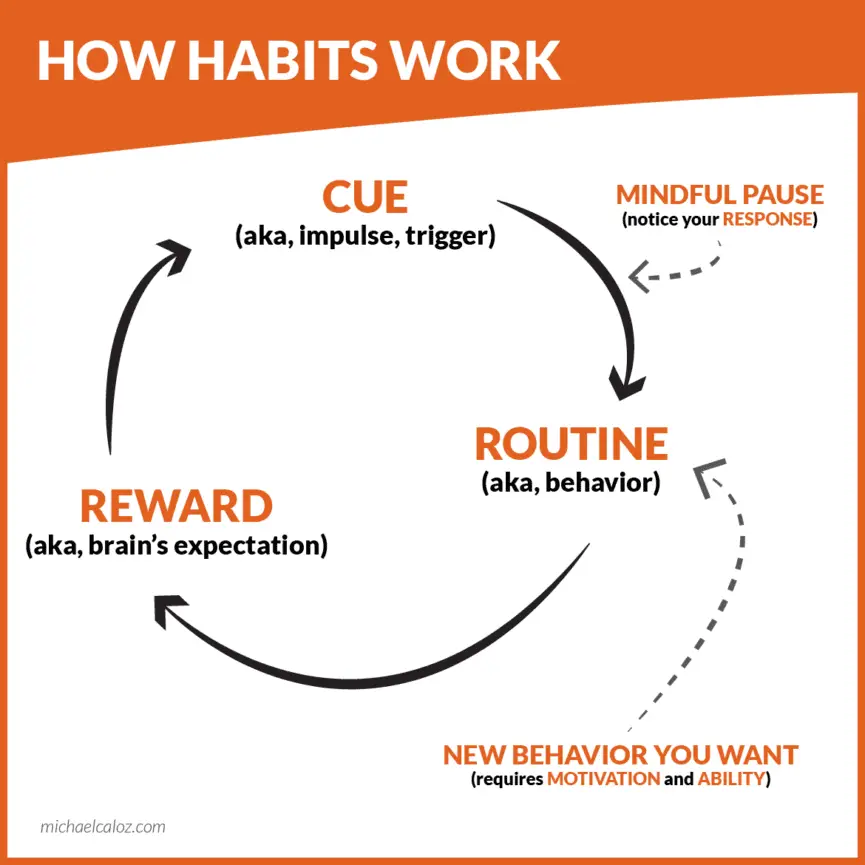
Lastly, your popsicle cravings may stem from habit. Have you noticed you’re reaching for a popsicle simultaneously every day, no matter what? If popsicles have become an automatic reward or soothing ritual, you might be mistaking a routine or habit for an actual craving.
Take a moment to reflect on the role popsicles play in your routine. “Is this craving tied to a specific time, activity, or mood? Could it be more of a habit than an actual need?” If yes, try swapping popsicles out for equally satisfying alternatives.
Frozen yogurt topped with fresh berries or even homemade fruit-based popsicles can still provide the texture and coolness you crave, plus they contain more nutrients.
By journaling, reflecting, and experimenting with food choices, you can better understand your cravings and the story they’re trying to tell.
Whether hydration, an emotional connection, or a nutrient gap, each craving offers valuable clues about what your body or mind needs. Becoming curious about these signals, rather than judging them, gives you the power to nurture yourself in all the ways that matter most.
When Cravings Signal Something Deeper

Have you ever wondered if your sudden popsicle craving hints at something more profound? Cravings often serve as more than a signal for hunger—they can reveal underlying patterns, such as emotional needs or behaviors tied to disordered eating.
For example, cravings may reflect involvement in the binge diet cycle, where restricting food leads to uncontrollable urges, overeating, feelings of guilt, and a return to restriction.
The key to breaking this cycle begins with curiosity. Journaling can help you reflect on questions like, “Am I restricting certain foods in my diet?” or “Do I notice cycles of bingeing followed by guilt?” Inspired by the Eating Enlightenment philosophy, this practice offers insight into what your body and mind seek.
The Eating Enlightenment 3-Step Approach

- Build Nutritional Foundations
Balance is essential. Missing nutrients often fuel intense cravings. Start by logging your food intake and identifying gaps. A popsicle craving could indicate skipped meals or low energy reserves. Regular, satisfying meals can prevent this. - Practice Mindful Awareness
Use journaling to pinpoint the emotional triggers behind cravings. Is stress, boredom, or nostalgia driving your popsicle desire? Writing these down can help you see patterns and explore healthier coping strategies. - Heal with Self-Compassion
Dig deeper into your inner world. What emotional need is behind this craving? Journaling helps uncover and address parts of yourself—like frustration, loneliness, or exhaustion—that might be seeking comfort in food. The Eating Enlightenment [product], such as our journaling app, can guide this process, offering a structured way to track your emotions and cravings.
By exploring cravings mindfully, you can turn them into opportunities for growth and balance. Start journaling today and take a step toward understanding yourself more deeply!
Practical Tips for Addressing Popsicle Cravings
1: Balanced Options:
Replace store-bought popsicles with homemade ones using real fruit puree, natural sweeteners, and yogurt for added protein.
2: Alternative Self-Comfort:
Use cooling alternatives like icy face towels, cold showers, or smoothies.
3: Consistent Care:
Stay in tune with your body’s needs, maintain hydration, a nourishing diet, and a habit of self-reflective journaling.
4: Find Deeper Empowerment:
Turn to supports like the Eating Enlightenment app to guide your relationship toward food freedom.
Closing Thoughts:

Craving popsicles isn’t inherently “bad”—it’s an opportunity to explore what your body and mind need.
Whether it stems from dehydration, emotional comfort, or deeper nutritional needs, examining these cravings allows you to connect with yourself meaningfully.
By pausing, reflecting, and making mindful adjustments, you can address the craving and cultivate a more balanced and joyful relationship with food.
Take a moment to reflect on your eating patterns. Is there something your body might be asking for—a nutrient, hydration, or even a moment of self-care? Understanding the “why” behind your cravings is a decisive step toward making intentional, nourishing choices.
To support your journey, the free Eating Enlightenment Journal App is here to guide you. With features designed to help track cravings and uncover emotional or situational triggers, this app is your gentle companion in fostering mindful eating habits.
Download it today and take the first step toward aligning with your body’s and soul’s wisdom. Remember, every craving is a chance to discover something valuable about yourself.