


Have you ever been mid-cycle, curled up on the couch, when an intense craving for a plate of creamy, comforting pasta strikes out of nowhere? Maybe you’ve wondered why, month after month, it’s pasta that feels like the ultimate lifeline during your period. Trust me, you’re not alone. These cravings aren’t just whimsical or random; they’re your body’s way of communicating its needs in ways that sometimes feel mysterious.
Menstrual cravings are so common that they might almost feel inevitable. Hormonal changes, fluctuating serotonin levels, and the emotional weight many of us carry during this time all play a part. And then there’s the psychological pull of comfort foods—those familiar, cozy meals we often turn to when we’re not just managing our cycles but also seeking emotional refuge from the discomfort.
But there’s more to it than meets the eye. Understanding why your body craves pasta during your period can unlock more profound insights into what it’s trying to tell you. Over the next few minutes, we’ll explore six possible reasons behind these cravings, from how hormones like estrogen and progesterone shift your nutritional needs to our emotional and psychological connections with foods that soothe you. Along the way, we’ll tap into the power of journaling to unpack your cravings and discover what’s happening beneath the surface.
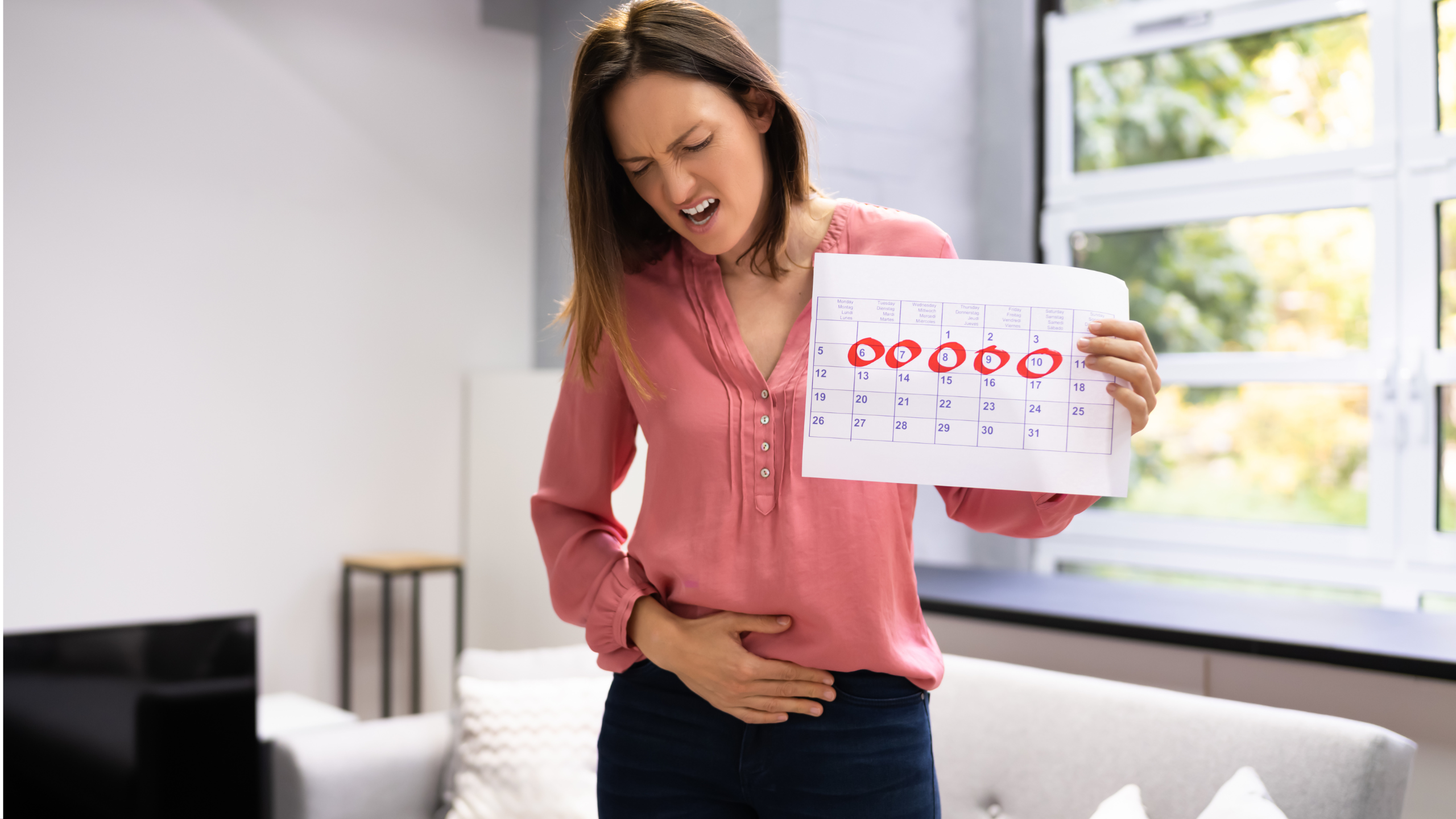
Think of this as a chance to satisfy curiosity and an invitation to build a gentler, more attentive relationship with your body. Together, we’ll explore the science and stories behind your pasta-filled cravings and find ways to meet your needs with understanding and compassion.
Reason #1: Hormonal Changes and Serotonin Levels
First, let’s talk about hormones and brain chemistry. During your menstrual cycle, hormones like estrogen and progesterone alternate, causing shifts in serotonin levels. Serotonin is a feel-good brain chemical that helps regulate mood, appetite, and sleep. Leading up to your period, when serotonin levels dip, your body may signal a craving for carbohydrates, like pasta, which can help boost serotonin production.
This is your body’s natural attempt to feel better—not a lack of willpower. Eating a carbo-heavy dish like pasta provides quick energy and triggers the production of insulin, which helps tryptophan (a precursor to serotonin) reach your brain faster. This process may explain why pasta seems irresistible when your mood needs a boost.
Journaling Prompt:
“Reflect on the emotional shifts you notice during your cycle. When you crave pasta or carbs, is there a feeling or emotion tied to that moment, like stress or sadness? Write out your observations.”
Reason #2: The Comfort Food Effect
Pasta isn’t just food; it’s an experience of comfort. Warm, rich, and often nostalgic pasta dishes might remind you of family dinners, cozy evenings, or moments of being cared for. It’s no surprise that during your menstrual period, when emotional vulnerability often spikes, you reach for foods that bring a sense of warmth and security.
Physical and emotional discomfort, whether it’s cramps, fatigue, or mood swings, can increase cravings for “comfort foods.” Pasta checks all the boxes, offering a blend of familiarity, satisfaction, and ease. However, it’s essential to notice if reaching for comforting foods is becoming a default coping mechanism for difficult emotions.
Journaling Prompt:
“What are your comfort foods? How do they make you feel when you eat them? Does pasta feel nourishing something deeper than hunger?”
Reason #3: Blood Sugar Imbalances
Hormonal fluctuations during your period affect your mood and may also impact your blood sugar levels. Progesterone, in particular, can lead to insulin resistance in the luteal phase, causing spikes and crashes in your blood sugar. These crashes create a feeling of low energy and trigger your brain to seek quick energy sources, like starchy, carb-rich foods.
Pasta becomes appealing in these moments as it provides an almost instant boost in blood sugar. However, eating pasta on its own may lead to another rapid dip in energy. The key is balancing that bowl of pasta with protein, healthy fats, and fiber to sustain more stable energy levels throughout the day.
Journaling Prompt:
“Track your blood sugar patterns for a week. When do you feel drops in energy or growling hunger? What foods are you reaching for in those moments?”
Reason #4: Magnesium Deficiency
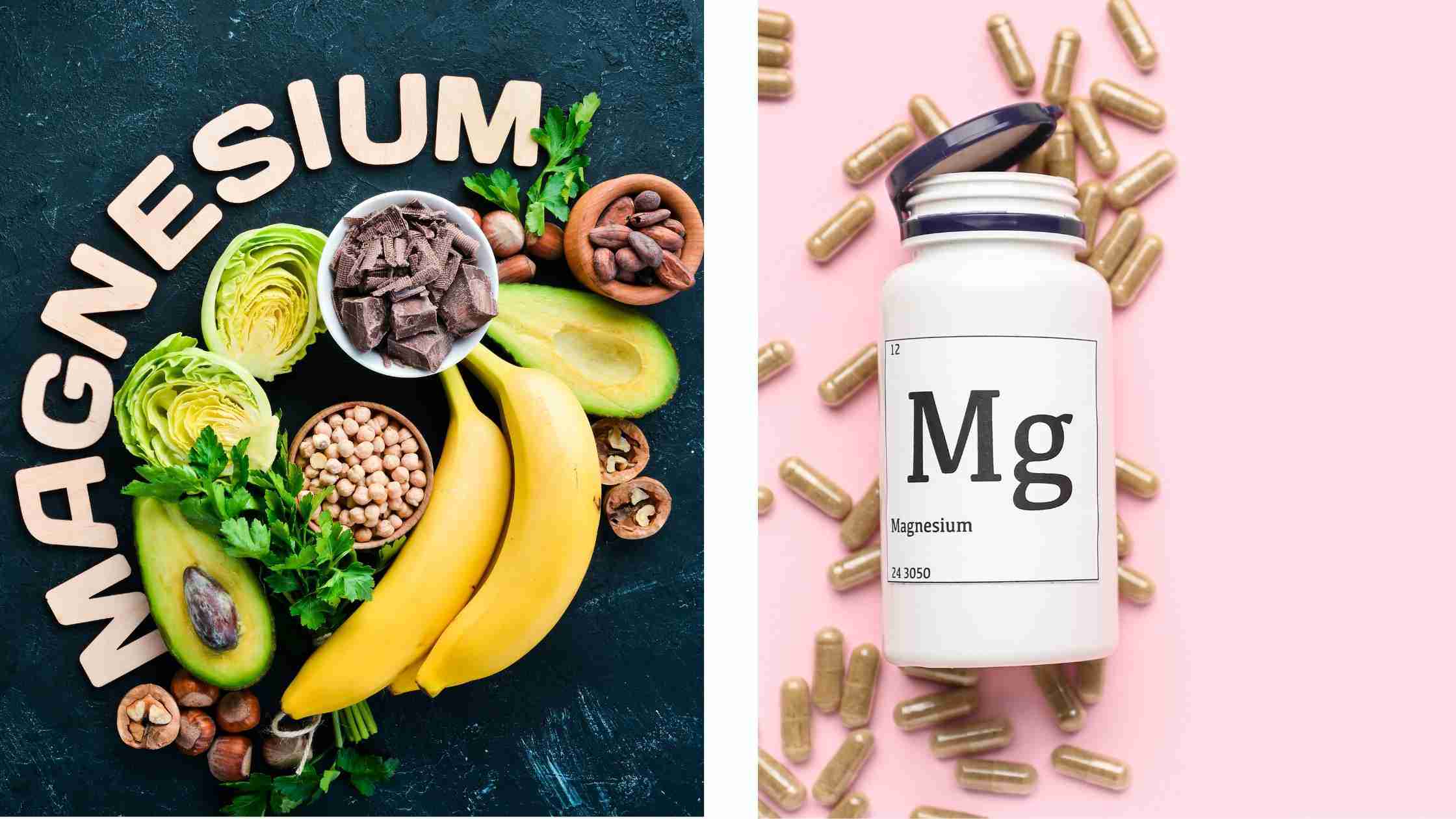
Magnesium is a vital mineral that plays a role in muscle relaxation, energy metabolism, and mood regulation. But here’s the catch: Magnesium levels often drop before and during menstruation. This can lead to cravings for certain foods as your body attempts to replenish what’s missing. While pasta isn’t rich in magnesium, the craving could stem from your body’s depletion.
Interestingly, many pasta dishes are paired with tomato sauce containing magnesium-rich ingredients like garlic and herbs. Add spinach, nuts, or seeds to your meals to further support your magnesium levels while enjoying your desired pasta dish.
Journaling Prompt:
“How does your body feel after eating magnesium-rich foods or a pasta meal during your period? Jot down any noticeable changes in how your cravings lessen or shift.”
Reason #5: Psychological Association and Habit
Pasta is often more than a nutritional craving; it’s tied to memory and routine. Think about it—was pasta a staple at childhood meals that evoked joy and togetherness? Or perhaps it’s become your way to relax after a long day. The psychological connection between food and emotional comfort is powerful, and menstrual cravings can amplify these associations.
Honoring these memories without judgment can help you better understand why specific cravings arise. Viewing your cravings as messages instead of problems opens the door to gratitude and mindfulness, helping you honor your body and emotions without guilt.
Journaling Prompt:
“What thoughts or memories come up when you eat (or plan to eat) pasta during your period? Is there a comforting moment or routine this evokes for you?”
Reason #6: Your Body’s Natural Need for Extra Calories
Finally, the simplest explanation for pasta cravings during your period may come down to your body’s increased calorie needs. Think of it this way: Your body is at work managing uterine shedding, cramps, and hormonal changes. It’s natural for it to demand more energy to fuel these efforts. Pasta is calorie-dense and efficient, offering an easy way to meet this temporary increase in energy requirements.
Instead of fighting this need, focus on providing your body with balanced meals. Pair that pasta with vegetables, lean proteins, or a drizzle of olive oil to make it an even more satisfying and nourishing option.
Journaling Prompt:
“Reflect on how satisfied your body feels after eating various meals. Are you giving your body the energy it needs to avoid excessive cravings?”
6 Common Myths About Pasta Cravings During Menstrual Periods
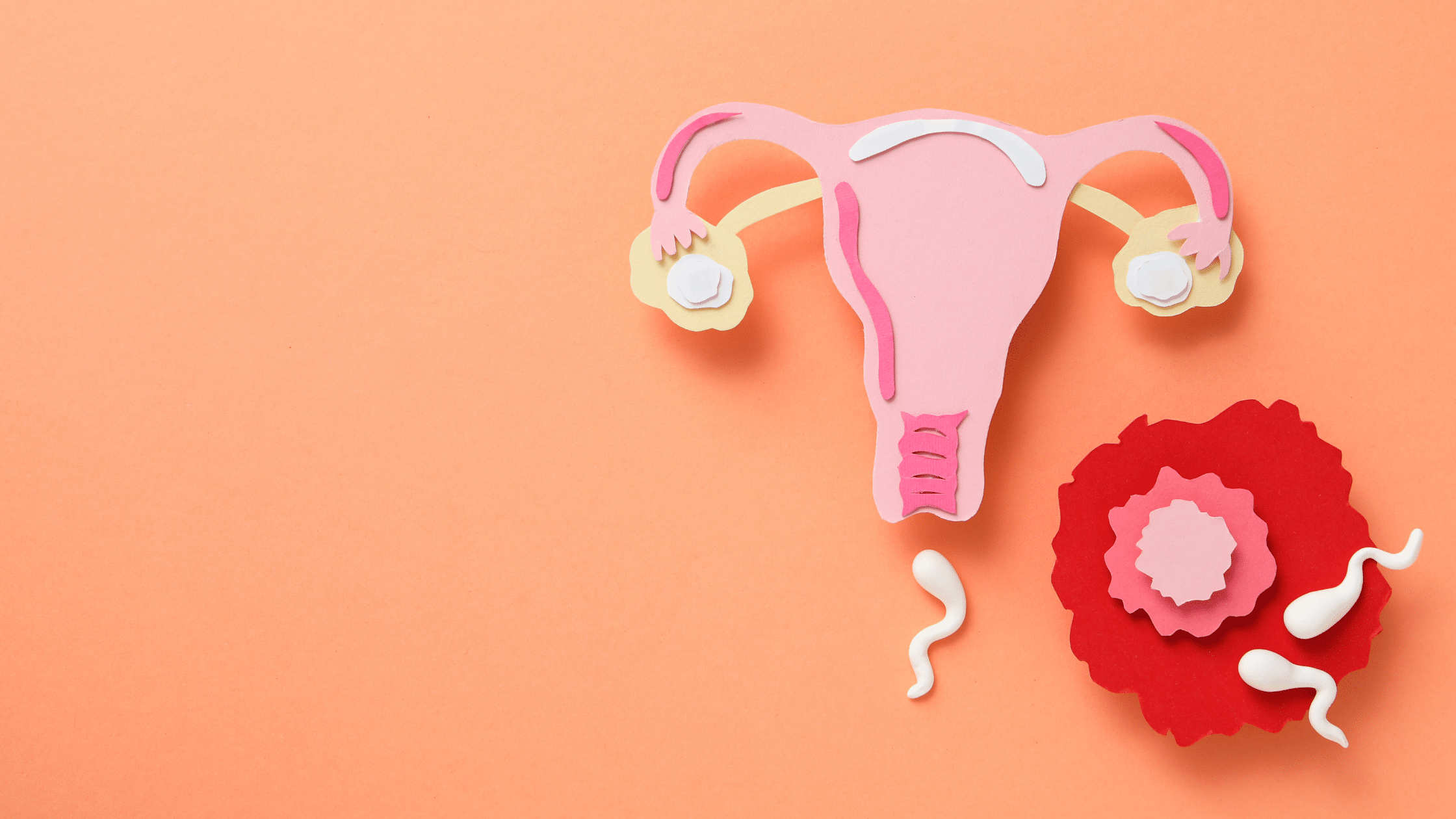
Cravings for pasta during your period aren’t random indulgences; they stem from physiological and emotional processes. However, misconceptions abound. Here’s the truth behind six common myths to help you better understand your body.
Myth 1: Pasta Cravings Are Just Lack of Willpower
Hormonal changes, not weakness, drive cravings. During menstruation, lower serotonin levels often trigger carb cravings like pasta, which offers a temporary serotonin boost.
The Truth:
Cravings signal your body’s needs, often helping balance emotional shifts.
Myth 2: Eating Pasta During Your Period Causes Weight Gain
Weight gain depends on overall diet, not occasional pasta. Enjoying pasta as part of a balanced meal, with protein and fiber, satisfies cravings without derailing health goals.
The Truth:
Mindful portions of pasta can fit into a healthy lifestyle.
Myth 3: Cravings for Pasta Mean You’re Overeating
Menstruation increases your body’s energy needs. Pasta cravings often reflect this natural demand for more calories to support hormonal shifts.
The Truth:
Listening to these cues with balanced meals can help manage cravings effectively.
Myth 4: Pasta Cravings Are Only Emotional
Cravings aren’t just emotional; they can stem from magnesium deficiencies or blood sugar fluctuations. While stress may amplify cravings, they’re often rooted in physical needs.
The Truth:
Your body’s signals combine physical and emotional needs.
Myth 5: Avoiding Pasta is the Best Solution
Restricting pasta intensifies cravings, potentially creating a binge-restrict cycle. Enjoying pasta moderately is healthier, paired with nutrient-rich additions like vegetables or lean protein.
The Truth:
Satisfying cravings in moderation prevents guilt and deprivation.
Myth 6: Pasta Cravings Are Always Unhealthy
Cravings serve as feedback from your body, not something to fear. They’re an opportunity to provide nourishment or reflect on emotional triggers without judgment.
The Truth:
Cravings are insights into your body’s needs, best approached with mindfulness.
Cravings and the Binge Eating Cycle
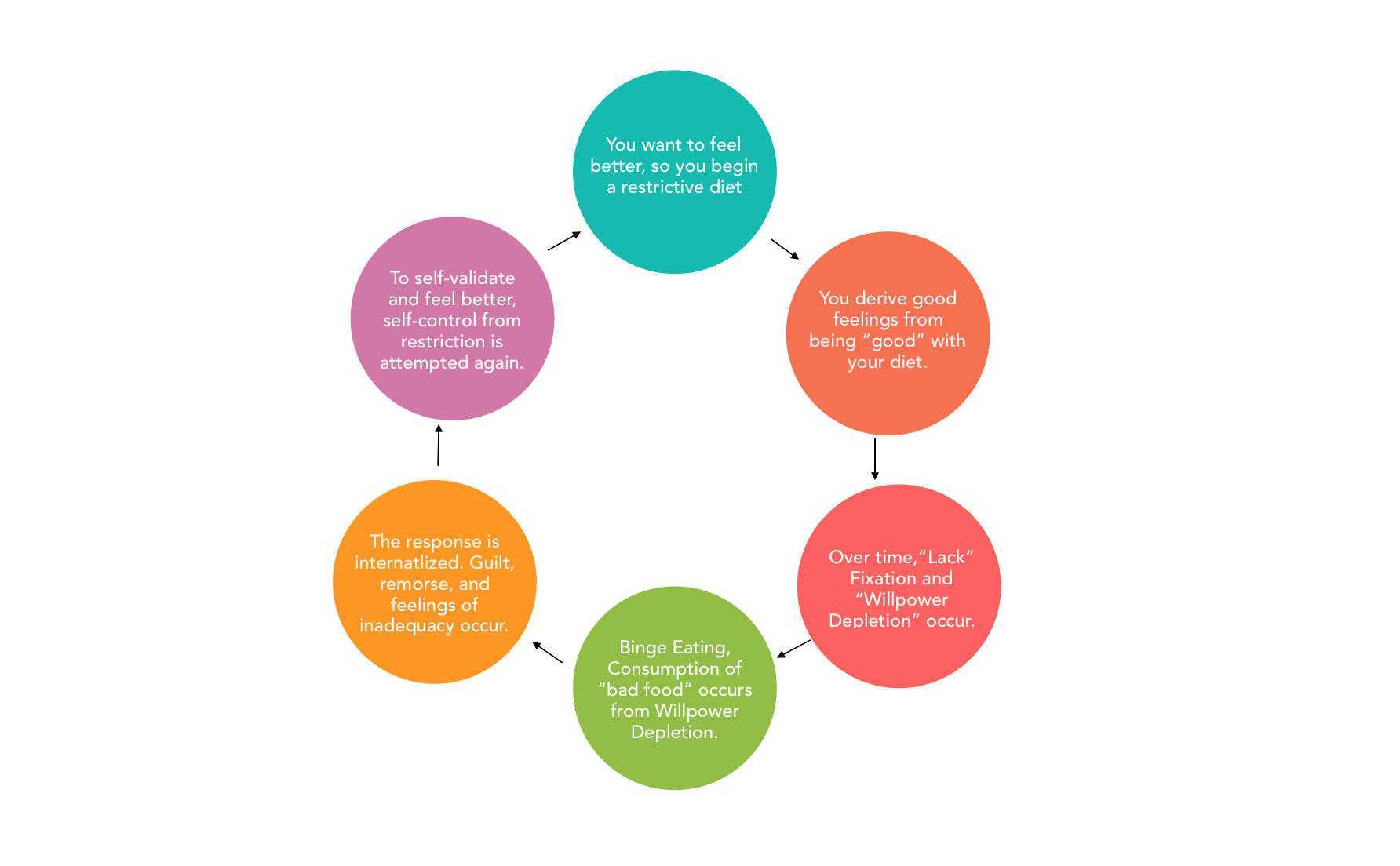
Cravings can be a natural part of life, especially during your period. But when left unchecked, they may lead to patterns of binge eating that feel overwhelming. Blaming yourself for these cravings only fuels a harmful cycle. The binge-restrict cycle isn’t about failure; it’s a response to deprivation and unmet needs.
It often starts with guilt after indulging in a craving, like that irresistible bowl of pasta. You might restrict your intake, cutting carbs or skipping meals to compensate. But restriction only intensifies cravings, leaving your body desperate for energy. When you inevitably give in, the cycle begins again, layered with shame and frustration.
This cycle is emotionally draining and undermines your relationship with food. The good news? Recognizing these patterns can set you free. Journaling offers a powerful way to understand and break the cycle. By unpacking your thoughts, emotions, and habits, you can move from reacting out of guilt to responding with kindness and awareness.
The Eating Enlightenment Approach to Managing Cravings
Breaking free from the binge cycle begins with mindfulness and practical tools. The 3-step Eating Enlightenment approach provides clarity and balance, empowering you to work with cravings instead of fighting them.
Step 1: Nutritional Journaling
Start by observing what you eat without judgment. This isn’t about tracking calories but noticing patterns. Write down what you eat and how your body feels before and after. For example, skipping breakfast might lead to uncontrollable pasta cravings in the afternoon.
Example Prompt:
“What are you eating, and how does your body feel before and after? What trends do you see?”
Step 2: Mindfulness of Triggers
Pay attention to emotional or environmental triggers. Perhaps work stress or loneliness prompts a craving for pasta. Recognizing these triggers helps you address emotional needs without always turning to food.
Example Prompt:
“List moments of stress or emotion near meal cravings. What patterns emerge?”
Step 3: Journaling Inner Parts and Voice
Reflect on deeper emotions tied to cravings. Please speak to your craving as though it’s a friend. What is it trying to communicate? For instance, your longing for pasta may represent a need for comfort during tough times. Compassionate introspection can rewrite guilt into understanding.
Example Prompt:
“Write as though you were speaking to your cravings as a friend. What might they say back? What do they need from you?”
Practical Tips for Managing Pasta Cravings
Cravings are unavoidable, but approaching them with balance can transform them from stressors into moments of nourishment.
- Balance Your Plate
Pair pasta with lean protein and vegetables to stabilize blood sugar and stay fuller longer. - Honor the Craving
Deprivation breeds intense cravings. Allow yourself a portion of pasta, enjoying it mindfully. - Stay Mindful
Use journaling to explore why you’re craving a food. Is it physical hunger or emotional comfort? - Boost Nutrients
Add magnesium-rich foods like spinach or pumpkin seeds to your pasta. - Plan Ahead
Consistent, balanced meals throughout the day prevent spikes in cravings caused by blood sugar dips.
Closing Reflection
Pasta cravings during your period are not random; they’re deeply rooted in your body’s natural and physiological needs. Hormonal changes, a need for comfort, slight increases in calorie demands, and even nutritional imbalances like low magnesium all play a role in why you may find yourself reaching for a comforting bowl of spaghetti. These cravings are not signs of weakness but a message from your body calling for nourishment, care, and balance.
Instead of battling these cravings, consider approaching them with understanding and compassion. Treat them as opportunities to connect with your body’s needs, pairing that plate of pasta with nutrient-rich foods or simply taking the time to savor each bite. Remember, mindfully honoring your body fosters both physical and emotional harmony.
To deepen this connection, the Eating Enlightenment Journal App offers a powerful and supportive way to track your habits, explore the roots of your cravings, and make thoughtful choices beyond the surface. Journaling can help you decipher your body’s signals, making mindful eating a reality—not just during menstruation but daily.
Each craving tells a story about your body and mind. Allow yourself to listen without judgment. By taking small, curious steps, you’re learning to nourish your body and your entire being. Download the free app today and start your empowering journey toward clarity, balance, and mindful eating.