

Have you ever daydreamed about a plate of fresh, briny oysters and wondered, “Why do I need oysters right now?” Maybe you’ve even Googled it in search of answers (hey, we’ve all been there). Cravings can be oddly specific, and it’s natural to feel curious about something as niche as oysters. Are you deficient in something? Do oysters have some superpower you’re in tune with? Or are they simply that irresistible?
Here’s the thing—cravings are rarely random. They often carry little clues about what’s going on in your body, your emotions, or even your habits. Maybe your body’s screaming for more zinc or oysters remind you of a comforting memory, like beach vacations or special nights out. Whatever the case, understanding your cravings can give you some incredible insights into yourself.
How about getting curious and compassionate rather than labeling these cravings as “weird” or dismissing them altogether? Think of your oyster obsession as a mystery waiting to be solved, one journaling session at a time. By taking notes about what you’re eating, how you’re feeling, and even the thoughts swirling in your head when cravings hit, you can uncover what’s driving them.
At Eating Enlightenment, we introduce an approach to gentle self-exploration. Cravings aren’t something to fight against—they’re messages from your body, mind, and heart. By slowing down, listening, and observing without judgment, you can uncover why you suddenly crave the ocean’s salty gem and how to address it in a way that leaves you feeling nourished and balanced.
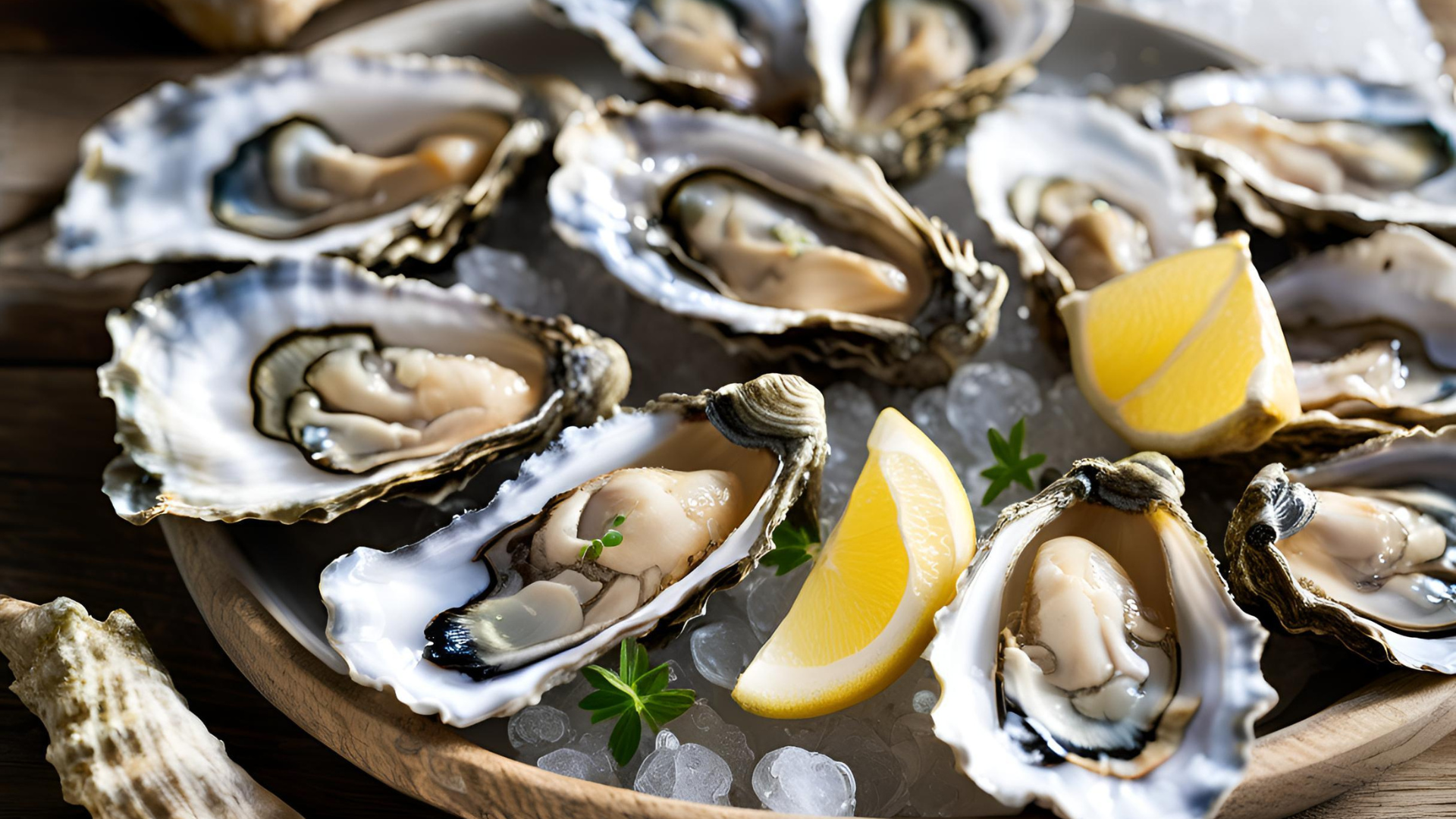
Stick with me, and we’ll explore nine fascinating reasons why your oyster craving may be trying to tell you something important. Who knows—you might walk away with a new appreciation for your favorite shellfish and yourself.
#1. Nutritional Deficiencies
Ever wonder if your oyster craving is your body sending you a nutrient SOS? It’s possible. Oysters are packed with zinc, iron, and vitamin B12—critical nutrients that fuel your immune system, energy levels, and brain health. Deficiency in any of these can spark your body’s instincts to seek replenishment from concentrated sources, like oysters. For instance, low zinc levels can dull your sense of taste and make foods like oysters feel even more enticing.
Ask yourself, “Have I been eating enough zinc- or B12-rich foods like poultry, red meat, or fortified cereals?” Take this clue seriously, but don’t assume a craving is always about a deficiency—the key is to observe patterns over time.
Journaling Prompt: What does my current diet look like? Could this craving reflect a gap in essential nutrients like zinc or iron?
Keeping a diet and symptom journal can help you connect the dots between what you’re eating and your cravings.
#2. High Nutrient Content
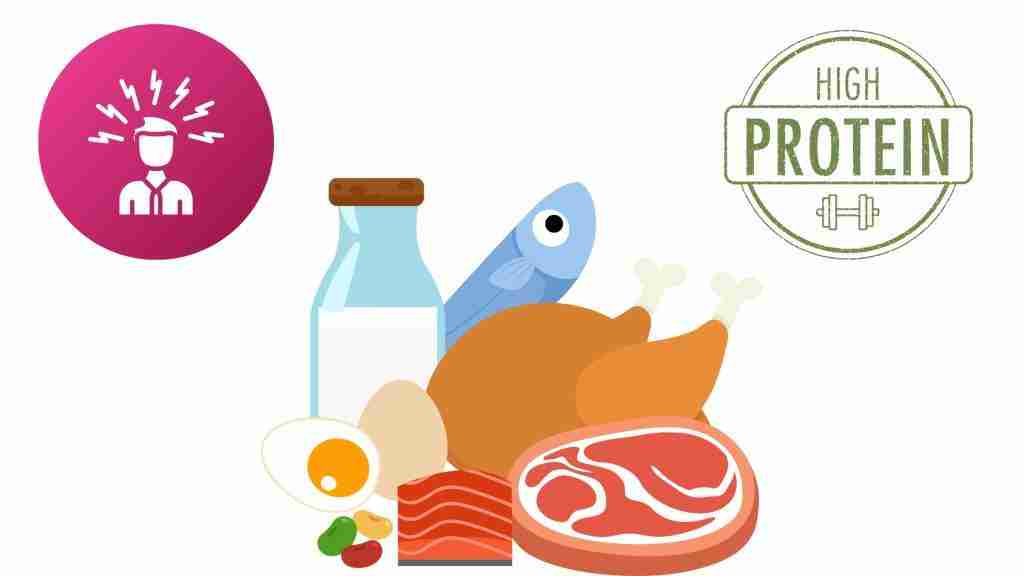
Oysters are like little nutritional powerhouses. Omega-3 fatty acids, selenium, iodine, and lean protein are just some of the dense goodness they offer if your body has been depleted—whether due to lack of variety in your diet, stress, or low energy—it might be reaching for nutrient-dense options like oysters for a boost.
Your craving may even be a form of subtle self-care, where your body and mind align to prioritize foods that replenish and restore. Tracking what you eat in a food-and-mood journal can help you see whether these cravings align with times when your energy dips or your immune system needs extra support.
Journaling Prompt: How does my body feel after eating nutritious meals? Am I noticing patterns between my energy levels, mood, and food choices?
#3. Emotional Connections

Is it possible that your oyster cravings have less to do with nutrition and more with nostalgia or emotions? Picture this—oysters are often tied to celebratory memories. Maybe they remind you of a romantic vacation, late-night indulgent dinners, or shared platters with friends. Foods tied to positive moments linger in our hearts and minds, and cravings for them can emerge when we feel the need for joy or connection.
Consider for a moment whether oysters symbolize luxury or indulgence. Are you yearning for a little slice of indulgence when life feels overwhelming?
Journaling Prompt: What emotions or memories surface when I think about oysters? Do they connect with specific positive feelings or moments in my life?
#4. Lifestyle Factors

Life has a sneaky way of manifesting itself through cravings. Stress, exhaustion, and significant life transitions can all trigger a hunger for grounding, comfort, or nourishment. Despite often being seen as a more “sophisticated” food, oysters can be comfort food for some due to their richness and savory satisfaction.
When you’re under stress, your body may crave quick sources of “satisfaction,” not just nutritionally but emotionally. Reflect on how oysters might step forward as a soothing anchor amid chaos.
Journaling Prompt: Am I going through a particularly demanding period? How do my stress levels influence what I crave to eat?
#5. Seasonal Influences
Oysters and seasonality go hand in hand. Many people associate them with cooler months, especially the saying that they’re best enjoyed in months containing the letter “R” (September through April). A craving for oysters could be your body intuitively following environmental cues or your mind leaning into seasonal foods.
Track whether your cravings for oysters tend to spike at specific times of the year. It might reveal an overlooked rhythm between your craving cycles and seasonal patterns.
Journaling Prompt: Have I noticed my cravings change depending on the time of year or seasons? How might colder months influence my desire for comfort foods or proximity to traditions involving oysters?
#6. Social and Cultural Influences
Sometimes, oysters aren’t just food—they’re an experience. They’re tied to social dynamics like a night out, fancy celebrations, or cultural traditions. People often crave not just the food itself but the emotions tied to its consumption. Oysters, for many, equate to indulgence, adventure, or exclusivity.
Reflect on whether your craving is tied to cultural values or memories of sharing oysters with friends or family. Social settings influence what we associate with food pleasure, so understanding these associations can offer important insights.
Journaling Prompt: Do I associate oysters with specific social or cultural experiences? If so, how do these connections enhance my cravings?
#7. Sensory Appeal

Beyond their taste, oysters pack a serious sensory punch. The slippery texture, the briny aroma, the ritual of cracking open the shell—it’s all part of their allure. Do you crave foods that are more about the experience they bring to your senses than just nutrition? If so, oysters may call to you because their sensory qualities check all the right boxes.
Journaling Prompt: When I think about oysters, which qualities—taste, texture, smell, or even the ritual—stand out the most to me?
#8. Psychological Triggers
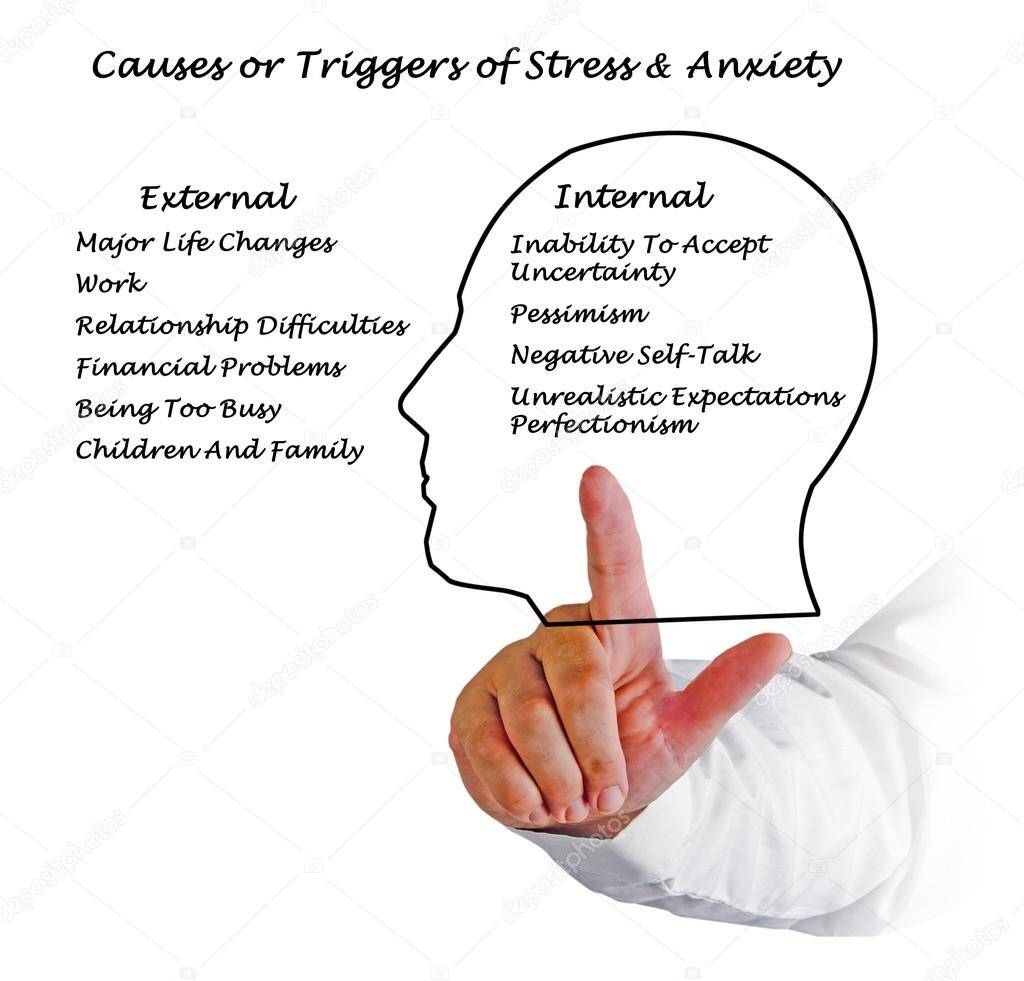
Your oyster craving could be tied to deeper psychological factors. Do you yearn for oysters during boredom, restlessness, or anxiety? Oysters might symbolize whimsy, spontaneity, or adventure—a break from the mundane.
Examine whether your oyster craving aligns with moments of emotional highs or lows. Practice mindfulness by pausing before indulging and exploring what feelings might be fueling your craving.
Journaling Prompt: What emotional patterns come up when I crave oysters? Am I seeking escape, indulgence, or comfort?
#9. Habitual Eating Patterns
Sometimes, cravings are simply habits disguised as needs. If oysters are part of a routine (say, a weekly seafood night), your body and mind may condition themselves to expect them, much like clockwork. Does your craving arise more from a conditioned response than a true yearning?
Journaling Prompt: Have oysters become part of a regular cycle in my eating habits? Could my craving be habit-driven rather than reflecting a genuine need?
Eating Enlightenment’s 3-Step Process to Understand Cravings
Cravings aren’t just random—they’re clues. Whether oysters or chocolate, these urges can reveal important insights about your body, emotions, and mindset. The Eating Enlightenment’s 3-Step Process helps you unpack these cravings with curiosity and self-compassion. Understanding this deeper connection allows you to break away from reactive habits and move toward balance and clarity. Here’s how:
Step 1: Nutritional Journaling
Start by examining the nutritional basis of your cravings. Note what you eat, when, and how it makes you feel. Often, cravings stem from nutrient deficiencies. For instance, oysters are rich in zinc and iron, so a craving may mean your diet is low in these or similar nutrients. Simple journaling helps identify gaps that your body may be signaling for.
Journaling Prompts:
- “What nutrients have I been missing?”
- “How do oysters or other cravings fit into my overall diet?”
For example, if your oyster cravings consistently appear after low-protein meals, your body could call for a nutrient-dense boost. Tracking these trends builds awareness and guides smarter choices.
Step 2: Mindfulness of Triggers

Beyond nutrition, cravings often have emotional or situational triggers. They can emerge during stress, boredom, or even celebration. By pausing before indulging, you can bring mindfulness to these impulses and reflect on the emotions underneath.
Think about when you last craved oysters. Were you seeking adventure, comfort, or maybe relief after a tough day? Journaling before eating shifts the experience from automatic to intentional, turning the moment into a learning opportunity.
Journaling Prompts:
- “What am I feeling before and after I crave oysters?”
- “What in my day might have triggered this?”
For example, recognizing that your craving is tied to nostalgia, such as fond memories of family dinners, might help you find healthier ways to process those feelings.
Step 3: Healing Inner Parts

Cravings often link to unmet emotional needs or “inner voices.” They might reflect a desire for comfort, indulgence, or reassurance. The goal here is to connect with these aspects of yourself while journaling and explore what they mean.
Journaling Prompt:
- “What does this craving represent? What comfort am I seeking?”
For instance, after a tough week, an oyster craving might symbolize the need to pause and indulge guilt-free. Understanding this allows you to honor the craving and care for yourself meaningfully.
Tips for Satisfying Cravings Healthily
Once you’ve explored your cravings, you can satisfy them mindfully, balancing your needs with your goals:
- Moderation: Enjoy oysters in sensible portions (6-8) as part of a balanced diet. While nourishing, their cholesterol calls for moderation.
- Sustainable Choices: opt for oysters from eco-friendly suppliers, aligning indulgence with responsible practices.
- Healthy Options: For added balance, try grilled oysters or oyster stew, or pair them with fiber-packed sides like salads.
- When to Seek Guidance: Persistent, intense cravings might signal deeper issues. Consult a dietitian or provider to address underlying concerns like deficiencies or emotional stress.
Mindful exploration transforms cravings into tools for self-discovery and growth. By using the Eating Enlightenment method of journaling and reflection, cravings become opportunities to understand yourself better—strengthening your relationship with food and your well-being, one thoughtful entry at a time.
Conclusion

Cravings, like your unexpected longing for oysters, are far from random—they’re messengers loaded with meaning. Whether driven by a need for essential nutrients such as zinc and iron, emotional connections to treasured moments, or lifestyle influences, these cravings hold valuable clues about your body and mind. By paying closer attention, you can uncover their deeper story and take steps towards a more balanced and mindful approach to food.
Exploring your cravings can be both enlightening and empowering. A journaling practice is a simple yet powerful way to begin. Reflect on what triggers your cravings and how they relate to your emotional and dietary needs. Through mindful journaling, you’ll notice patterns and make choices that align with your body’s needs.
To simplify this process, we invite you to download the free Eating Enlightenment Journal App. This tool is designed to help you track your food cravings, decode their signals, and gain clarity on your nutritional and emotional needs. With regular practice, it becomes more than just tracking—it’s a pathway to better understanding yourself, fostering peace with food, and creating a sustainable, balanced diet.