


Have you ever found yourself inexplicably craving shellfish—dreaming of juicy shrimp, buttery crab, or briny oysters?
Food cravings are fascinating, and shellfish cravings, in particular, can spark curiosity. What’s your body trying to tell you? Could these urges stem from nutritional needs, emotions, or even memories?
Cravings are full of insights, and when we pause to reflect, they can lead to self-discovery. We can unpack the deeper drivers behind these feelings using holistic tools like mindful eating, emotional awareness, and journaling.
Together, let’s explore six reasons you might be craving shellfish—and how to listen to and support your body through these cravings.

#1: Nutritional Deficiencies
Sometimes, the body knows exactly what it needs—even before you do. Shellfish like shrimp, crab, and clams contain essential nutrients like iodine, zinc, selenium, and omega-3 fatty acids.
These nutrients play vital roles in supporting your thyroid, brain, and immune system. But if your diet has been lacking in these areas, cravings for shellfish might surface as your body’s signal for replenishment.
Think about it—have you been skipping nutrient-dense meals or relying on convenience foods? You may have developed a deficiency, and your body is trying to get your attention. A food journal is a powerful tool here.
Write down what you’ve been eating over the past week. Does your plate feel balanced and varied? Consulting a dietitian or doctor could be a valuable next step if you notice gaps or uncertainty. Remember, a craving isn’t just about food—it’s about what your body might need to thrive.
#2: Lifestyle Factors

Could stress or busyness be driving your shellfish cravings? If your schedule has been hectic, you might turn to food for relief.
Shellfish may even represent a hearty, satisfying option that feels like a small luxury amidst the chaos. Conversely, irregular meals or overly restrictive eating can also contribute to cravings as your body searches for balance.
Take a moment to reflect on your daily routine. Are your meals rushed? Do you skip breakfast or eat lunch at odd hours? Start to notice any patterns, perhaps through journaling.
Write about how stress impacts your eating habits—do cravings peak on particularly overwhelming days? By prioritizing regular, balanced meals, you may reduce those shellfish cravings while giving your body the nourishment it craves.
#3: Psychological Influences
Food is rarely just about sustenance—sometimes, it’s about emotion. Shellfish might remind you of joyful moments, like family dinners or vacations by the ocean.
These cravings could be tied to a longing for comfort, nostalgia, or even the escape those memories represent. It’s worth asking yourself if this craving is less physical and more emotional.
Try this journaling prompt: What comes to mind when eating shellfish? Is there a particular memory or feeling tied to it? Craving a specific food can sometimes be a way of seeking connection or soothing yourself during challenging moments.
Think about other ways to nurture those emotional needs—calling someone you love, getting outside in nature, or treating yourself to a non-food-related comfort. With mindfulness, you can honor your emotions and your body’s needs.
#4: Cultural and Social Influences
For many, shellfish has a rich cultural or social meaning. It may have been a staple in family celebrations or a frequent dish at holidays or special events. If shellfish has artistic or communal significance for you, your craving might reflect a longing for connection, tradition, or even the joyous rituals of gathering.
Does my craving for shellfish connect to a specific person, place, or time? How does shellfish fit into my cultural or social experiences? Journaling about your food memories can help me clarify these questions.
Honoring these connections enables one to understand that food serves more than just a physical role—it beautifully ties us to our identity and community.
#5: Seasonal and Environmental Factors
Does the smell of salty ocean air make your mouth water for scallops? Or maybe summer barbecues trigger memories of shrimp on the grill.
Shellfish cravings often align with seasonal or environmental cues. Your body might associate certain foods with specific times of the year or weather conditions, which can trigger those cravings out of habit or nostalgia.
When do you usually crave shellfish? Is it tied to sunny, beachy weather or cozy evenings? Write about these patterns in your journal.
Understanding this dynamic can help you differentiate between physical cravings and those brought on by your environment.
If it’s more about the season than hunger, try savoring the season’s experience—perhaps with a walk on the beach or a seafood-inspired meal that focuses on balance.
#6: Habitual Eating Patterns
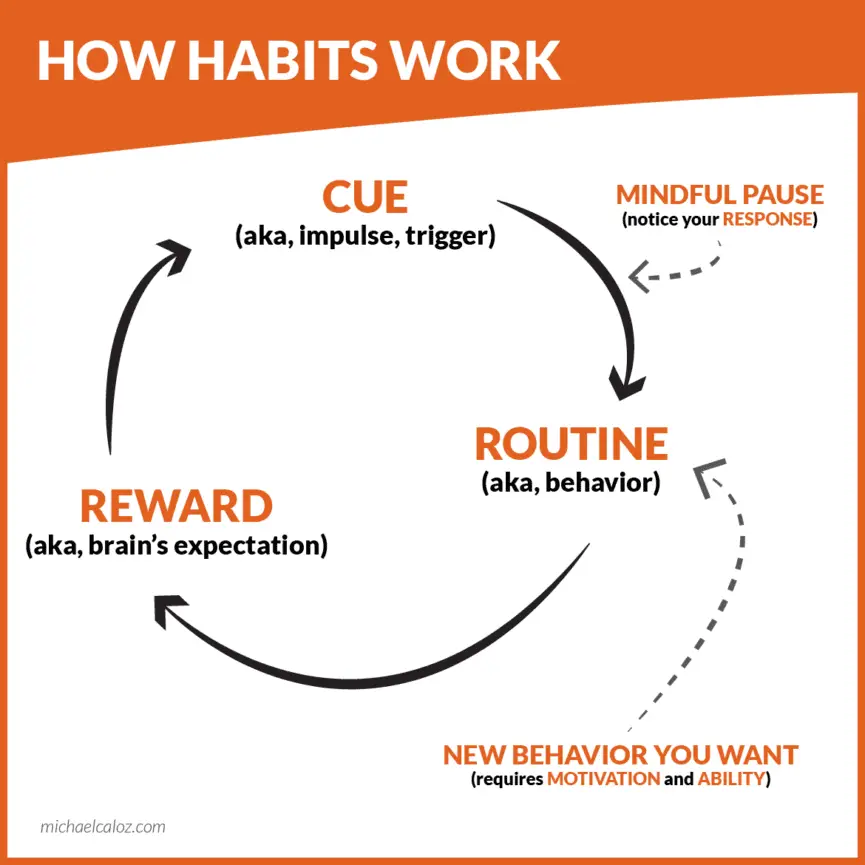
Finally, shellfish cravings might come from habit. Perhaps it’s a go-to order when you eat out or a familiar food you enjoy preparing at home.
Sometimes, our bodies crave what’s most familiar, and cravings are just an extension of our routines. But is a habit masking a more profound need?
Reflect on your eating patterns. How often do you eat shellfish? Is it a conscious choice or something you routinely do? Journaling can help determine whether these habits align with your body’s requirements.
From here, you can decide if the craving deserves attention or if you might explore other nourishing options.
9 Fun Facts About Shellfish Cravings
- Nutrient Radar: Your body might crave shellfish when it needs iodine or zinc, which are nutritional powerhouses for your thyroid and immune system.
- Mood Booster: Shellfish has omega-3s, which can naturally lift your spirits and aid brain health.
- Stress Snack: High stress can cause your taste buds to crave comforting, mineral-rich foods like shrimp or oysters.
- Vacation Vibes: Cravings for shellfish often stem from nostalgic memories of beach trips and seaside feasts.
- Seasonal Appetite: Your body might crave shellfish more in warmer months when seafood feels like the perfect seasonal treat.
- Texture Fixation: The unique tenderness of lobsters and scallops can keep you returning for more.
- Cultural Links: For some, shellfish cravings are tied to family traditions, celebrations, or cultural dishes.
- Salt Cravings: The salty flavor of clams or mussels can be irresistible if your body is looking to balance electrolytes.
- Habitual Treat: If you often indulge in shellfish at special dinners, your brain may see it as the ultimate reward food!
The Benefits and Risks of Shellfish

Shellfish packs a nutrition punch, delivering lean protein alongside key nutrients like iodine, zinc, and selenium.
These help bolster your immunity, support thyroid function, and increase energy. Imagine enjoying fresh oysters or shrimp, nourishing your body with every bite. However, mindful consumption is essential.
Allergies can pose serious risks, and some shellfish may contain higher mercury levels, so moderation is advised. Choosing sustainably sourced options is a great way to maximize health benefits while reducing environmental impact.
Cravings and Binge Eating Disorder
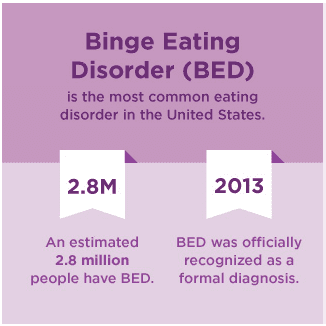
At times, intense cravings might point toward underlying issues, such as binge eating disorder (BED). BED operates in a cycle where restricting food leads to intense cravings, triggering overeating and guilt.
This disconnects you from your body’s hunger and fullness signals, creating a loop that feels hard to escape.
The Eating Enlightenment Approach to Cravings
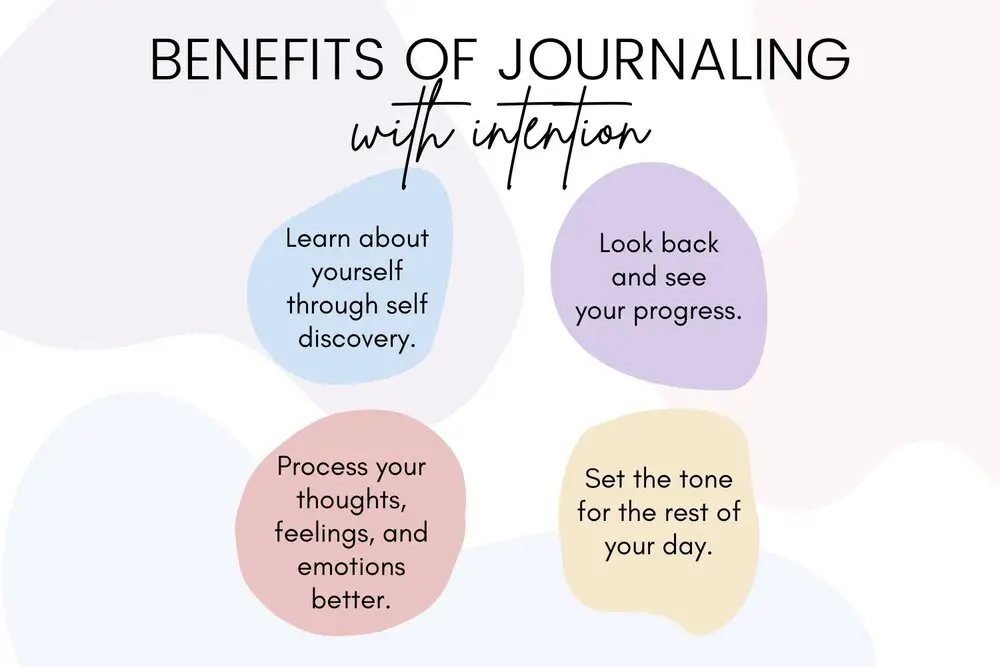
The Eating Enlightenment method can help you achieve balance if cravings feel overpowering. Begin by nourishing your body with consistent, balanced meals. Use a food journal to identify any deficiencies.
Next, explore emotional triggers like stress or loneliness that may amplify your cravings. Lastly, through inner parts work, consider what deeper needs your cravings may represent and find non-food ways to meet them.
Tips for Moving Forward
- Pause and reflect: Ask yourself whether your craving is physical hunger or emotional.
- Hydrate first: Thirst is often mistaken for hunger. Start with a glass of water.
- Practice mindfulness: Savor small portions slowly, allowing yourself to relish each bite.
- Consult a professional: If cravings feel unmanageable, seek guidance from a dietitian or therapist to explore deeper patterns.
Final Thoughts

Understanding your shellfish cravings can reveal valuable insights into your nutritional needs. Shellfish is packed with iodine, zinc, lean protein, and omega-3s, which support brain function, thyroid health, and immunity.
Cravings may arise from dietary deficiencies, stress, or even emotional cues. They offer a chance to reflect on one’s overall health and lifestyle.
Start by reviewing your diet. Are you missing key nutrients like iodine or zinc? Add shellfish—steamed shrimp, grilled scallops, or mussels—into your favorite dish. Choosing sustainably sourced shellfish maximizes the benefits while caring for the environment.
If cravings persist, consider deeper causes like stress or dietary gaps. Consult a healthcare professional to assess your needs and craft a tailored plan. For personal insight, download the free Eating Enlightenment Journal App.
Track your meals, emotions, and cravings to uncover patterns and take balanced nutritional steps. Start journaling today—your path to a healthier food relationship begins here!