

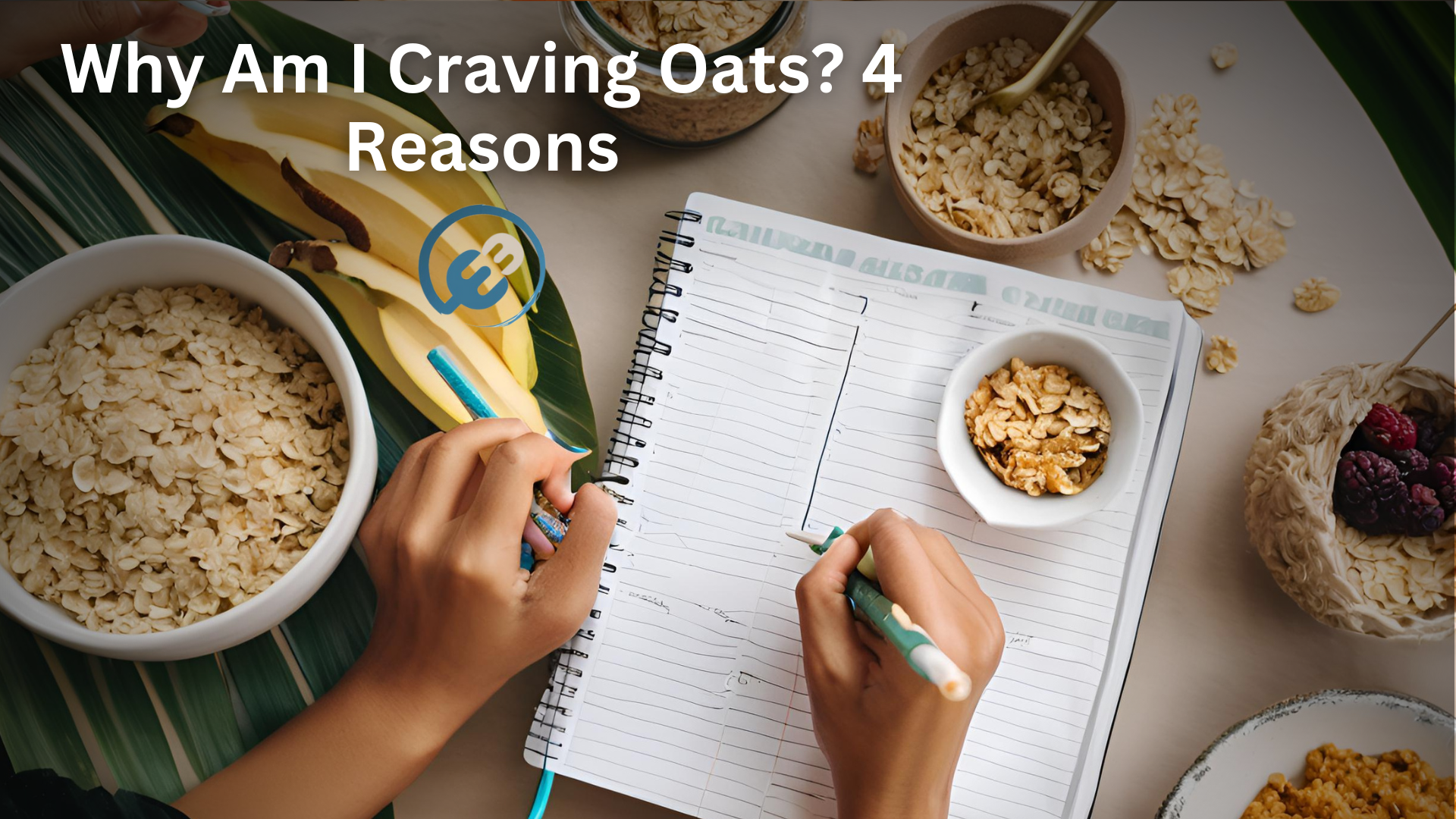
Imagine this—it’s mid-morning, or maybe late at night, and you reach for a warm, hearty bowl of oats. The craving feels specific, almost insistent. Why oats, though? Why not a handful of crackers or that leftover pasta?
Maybe it’s the cozy satisfaction they bring or the nourishing familiarity they offer. If this sounds like you, know you’re not alone. Food cravings, especially ones as wholesome as oats, can feel like whispers from our bodies, hinting at something deeper we might need to explore.
Oats aren’t just food—they’ve earned their spot as a kitchen staple and a celebrated superfood. Packed with nutrients, fiber, and energy-sustaining properties, they often feel like the “perfect answer” to hunger. But if you’re drawn to them more often, there could be more to the story.
In this post, we’re peeling back the layers of your oat cravings. Could they be your body’s way of flagging a nutritional deficiency? Maybe they’re tied to your lifestyle habits, comfort associations, or emotional state.
We’ll investigate the possible reasons behind these cravings, examining science-based facts and the fascinating mind-body connection. As always, we’ll share helpful tools—like journaling—to help you tap into your own experiences and uncover what your cravings might be trying to tell you.
Plus, if your cravings feel overwhelming, we’ll touch on what this might mean for your overall relationship with food. Sometimes, cravings are more than just hunger—they can be part of a larger pattern worth understanding.
By introducing strategies aligned with the Eating Enlightenment philosophy, you’ll leave with actionable steps to find relief and explore a healthier connection with food and yourself.
Stay with me as we uncover the hidden reasons behind your cravings, and learn how a simple pen and paper (or maybe your favorite journal app!) can help you turn those urges into opportunities for growth. By the end, you might unlock newfound clarity—not just about why oats keep showing up in your day but about how to meet your body’s needs with confidence and care.
#1. Your Body is Calling for Specific Nutrients

Oats are nutrient powerhouses. Packed with magnesium, iron, B vitamins, and loads of fiber, they provide your body with lasting energy and support digestion, brain health, and stress regulation. A craving for oats might be your body subtly signaling that it’s searching for key nutrients to meet its needs.
For example, if you’ve been feeling incredibly fatigued, low-energy, or struggling with digestion issues, this could be one explanation. Your body might even crave the soluble fiber in oats, which promotes gut health by feeding beneficial bacteria and helps keep you satisfied longer.
To start digging into this, try journaling about your oat cravings. Reflect on what you’ve been eating earlier in the day or week. Did your meals feel balanced and filling? Notice how a craving might line up with a stressful day or a poor night’s sleep, which can deplete magnesium and B vitamins. Questions like “Am I getting enough fiber or protein in my meals?” or “Do I feel depleted or run down?” can help you uncover patterns and identify whether your body is nutrient-seeking.
Practical Tip: Pair your oats with other nutrient-dense ingredients to make them a supercharged meal. Add a handful of nuts for healthy fats, some fresh fruit for a vitamin boost, or even a swirl of nut butter. Feeling adventurous? Explore magnesium-rich foods like bananas or dark chocolate as side snacks to support your body’s needs.
#2. You’re Seeking Comfort and Stability
There’s something undeniably comforting about oats. Whether it’s the warmth of the bowl on a cold morning or the nostalgia of a childhood breakfast, oats offer emotional solace. This craving could stem more from your emotions than your need for nutrients. If your days have been stressful or feeling overwhelmed or ungrounded, oats might become your go-to comfort food. Eating warm and familiar can feel like a stabilizing anchor in the chaos.
Reflect on the emotional side of this in your journal. Ask yourself, “What am I feeling right now—stressed, nostalgic, or maybe just needing a moment of calm?” “Do oats remind me of a specific memory or provide a sense of safety?” These questions can help you observe how food connects to emotions and identify alternative ways to foster daily stability.
Practical Tip: Beyond oats, find rituals that build comfort into your routine. A calming cup of tea, a warm blanket, or even a few deep breaths can offer the same grounding effect. But if you do reach for oats, enjoy them fully. Add warm spices like cinnamon for extra coziness, or prepare baked oatmeal on Sundays for a leisurely, comforting breakfast all week.
#3. Your Blood Sugar Levels May Be Out of Balance
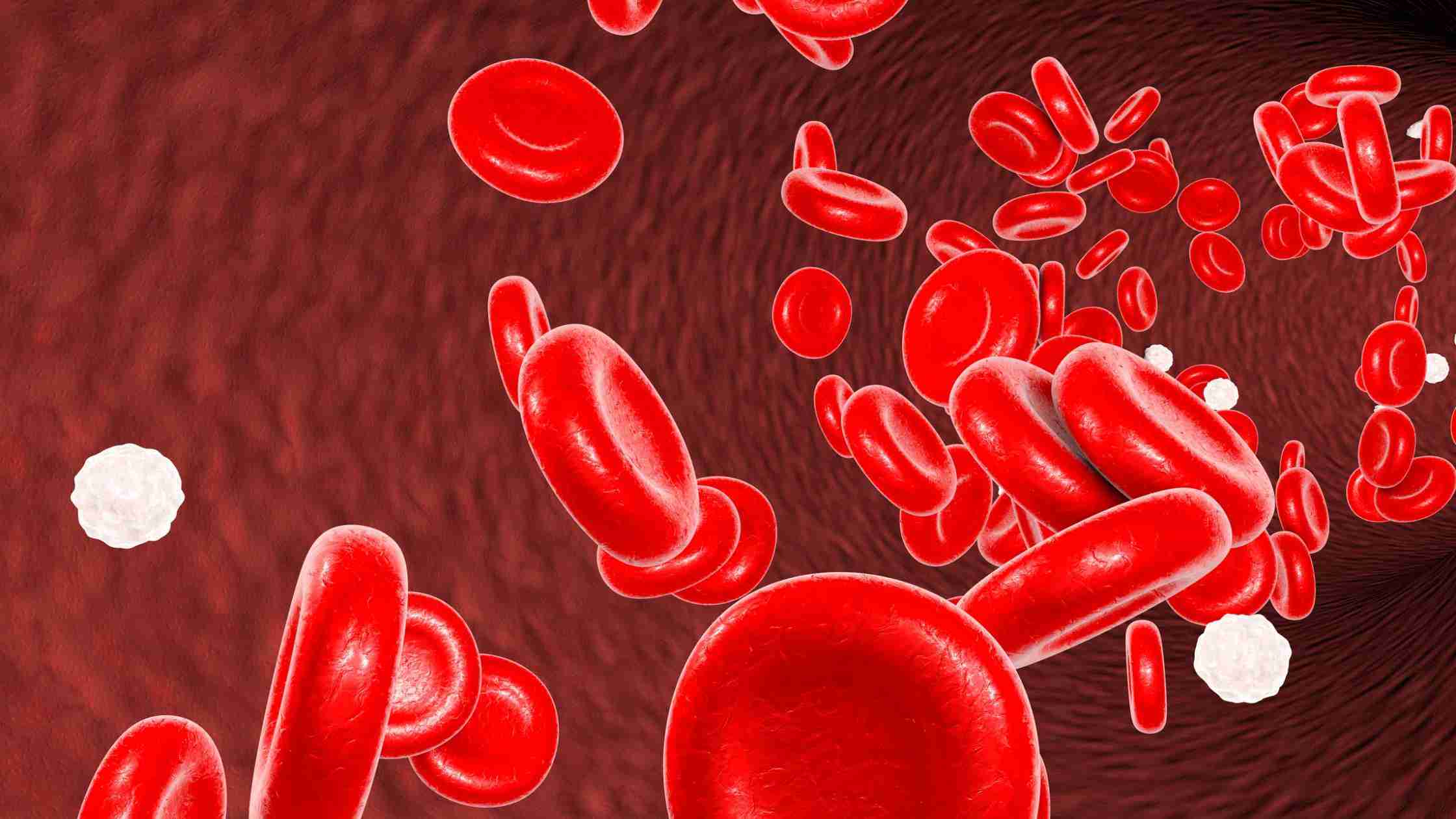
If you experience energy crashes or mood swings throughout the day, this could explain why you’re craving oats. Oats have a low glycemic index, meaning they provide a slow, steady release of energy without wild blood sugar spikes. Your body might seek this stability if your meals are irregular or heavy in refined carbs, leaving you feeling jittery or drained. A craving for oats may be its way of saying, “I need something steady to keep me going.”
Journaling is a great way to identify blood sugar patterns. Write down what you ate leading up to your oat craving. Was it sugary, processed, or maybe you skipped a meal altogether? Reflect on your feelings—are you drowsy, lightheaded, or irritable? These clues can reveal how to balance your meals better and prevent those energy dips that make oats appealing.
Practical Tip: Incorporate oats into a balanced breakfast or afternoon snack to prevent blood sugar crashes. Combine oats with protein and healthy fat for extra power—think Greek yogurt, chia seeds, or almond butter. Need variety? Create savory oatmeal bowls with sautéed veggies and a soft-boiled egg for a unique twist on this slow-burning grain.
#4. Oats Are “Safe” During Dieting Mindsets

For many of us, oats symbolize a “safe” food. If you’ve spent years navigating restrictive diets, you may have labeled certain foods as “good” or “bad.” Oats—a versatile, whole-grain option—often land in the “good” category. This mindset can drive cravings, especially when other foods are off-limits. Over time, a reliance on safe foods like oats can become more about control than nourishment, reflecting deeper emotional triggers tied to restriction.
Take a moment to explore your relationship with food by journaling. Ask questions like, “Do I view certain foods as good or bad?” or “Am I allowing myself to enjoy a variety of flavors fully, or am I clinging to oats because they feel safe?” Honesty is key here—observing your patterns without judgment opens the door to healthier habits.
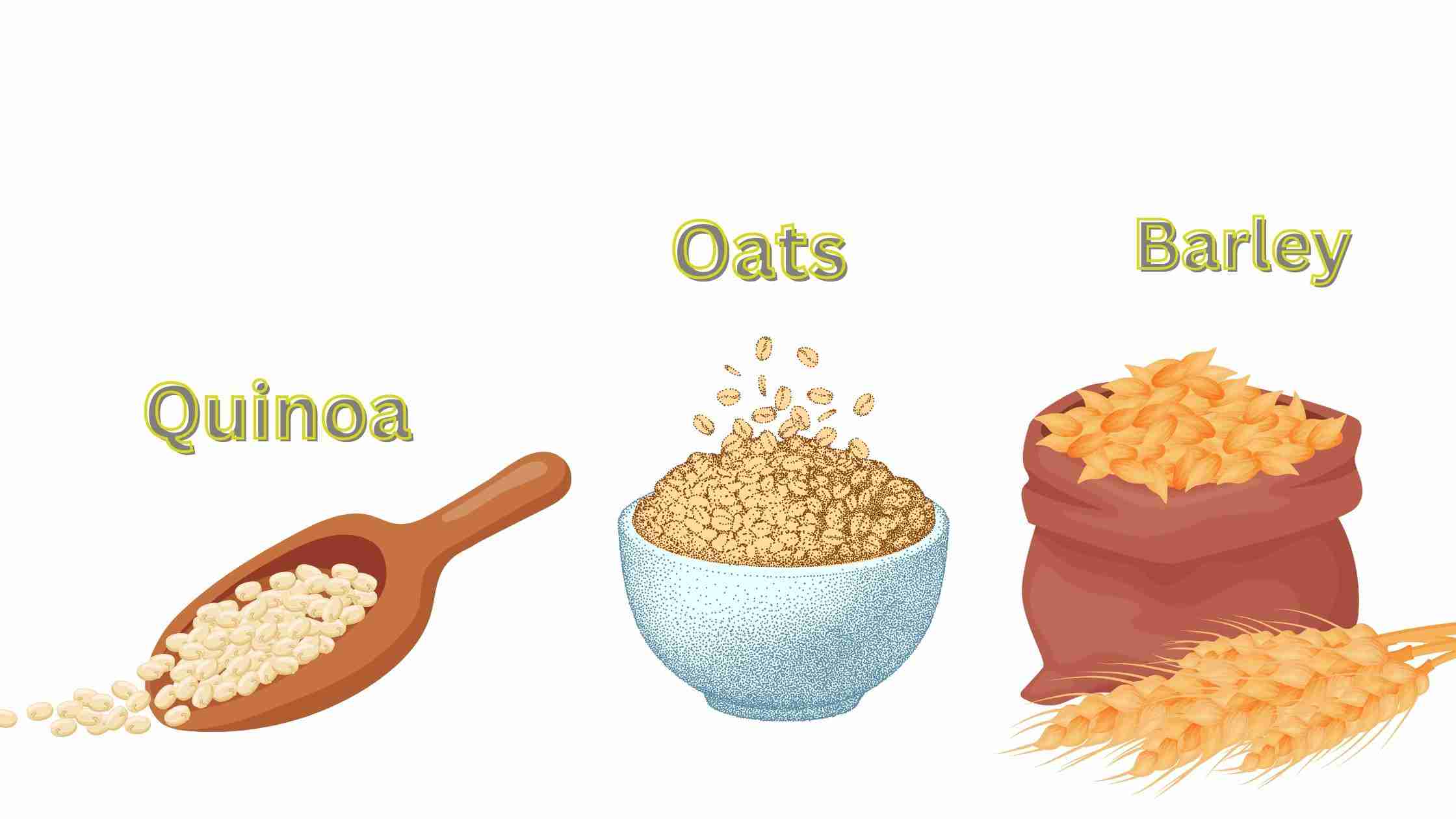
Practical Tip: Start giving your body full permission to enjoy a variety of foods, not just oats. Experiment with new grains like quinoa or farro, or branch out into more indulgent breakfasts like avocado toast or pancakes—no guilt required. By breaking free from rigid food rules, you can make oats one beloved option among many rather than the only one.
7 Myths About Cravings for Oats
- Cravings for oats mean you’re just hungry.
Not all oat cravings are about hunger; they can hint at emotional or nutritional needs. - It’s only about nutritional deficiency.
While missing nutrients may play a role, cravings can also stem from habits or emotions. - Craving oats means you have strong willpower.
Labeling oats as “safe” in restrictive diets might reflect deeper issues, not discipline. - Oats are your body’s perfect food.
Though healthy, being overly fixated on oats can be a symptom of limited food variety. - Oats are only a comfort food for bad days.
Cravings might reflect blood sugar imbalances, not just a need for emotional support. - Craving oats suggests a lack of protein.
Oats are often craved for warmth, texture, or routine—not necessarily protein fulfillment. - Ignoring oat cravings will make them go away.
Suppressing cravings can backfire, leading to more substantial, obsessive food urges later.
Could Cravings Be a Sign of a Binge Eating Disorder?

Cravings can feel like sudden whispers from your body, demanding specific foods. But when these cravings become overwhelming or obsessive, they might signal something more profound, like binge eating disorder (BED). BED isn’t occasional overindulgence; it involves loss of control and emotional distress, often linked to restrictive eating patterns.
This ties into the binge diet cycle, a pattern of restriction, craving, and guilt. Restricting calories or labeling foods “bad” may initially feel empowering, but deprivation often triggers intense cravings and overeating as a rebalance.
This can lead to guilt and shame, fueling a return to restrictive patterns. Over time, these cycles can deepen unhealthy behaviors, leaving you trapped. Craving oats could stem from their reputation as a “safe” or “acceptable” food in a restrictive mindset, camouflaging more profound struggles with food and emotions.
Breaking the Cycle with Eating Enlightenment
Rather than resisting cravings—a strategy that amplifies them—Eating Enlightenment views cravings as essential signals of unmet needs. Addressing these needs with curiosity and self-compassion can free you from the binge-diet cycle. Here’s how the three-step process works:
1. Journaling for Nutritional Awareness
Start journaling to ensure you meet your body’s energy and nutrient needs. Imbalanced eating—like skipping meals or avoiding satisfying foods—intensifies cravings. Ask questions like, Am I eating regularly? Are my meals balanced with protein, fiber, and healthy fats? This builds trust with your body and prevents cravings driven by deprivation.
2. Mindfulness Through Food Journaling
When cravings surface, pause and reflect on what you’re experiencing. Am I physically hungry, stressed, or bored? For example, craving oatmeal after a stressful meeting might signal a need for comfort or warmth. Journaling helps you connect these dots, revealing alternative ways to meet emotional needs, such as a soothing activity or connecting with someone you trust.
3. Exploring Inner Voices & Emotional Healing
Dive deeper into the emotional roots of disordered eating. Journaling can help uncover inner voices—like a perfectionist pushing for control or a rebel resisting limits. Prompts like, What are my earliest food memories? Which part of me feels drawn to oats—nurturing or afraid? Encourage healing and self-compassion.
Responding with Love and Curiosity
Cravings aren’t enemies—they’re opportunities to understand your body and emotions. The Eating Enlightenment approach transforms cravings into tools for self-discovery.
Start today by journaling about your most recent craving. Whether it stems from hunger or emotion, use it as a stepping stone toward mindful, compassionate eating—and a more unrestricted relationship with food.
Key Takeaways
Understanding your oat cravings begins with recognizing them as an invitation, not an obstacle. Cravings are your body’s way of signaling its physical and emotional needs, and oats, with their rich nutrients like fiber and magnesium, are an excellent way to answer those calls.
Whether you’re seeking comfort, balancing blood sugar, or addressing a nutritional gap, they fulfill more than just hunger. Using nutritional, emotional, and mindful journaling opens a more profound pathway to listening to your body and aligning with its unique needs. The Eating Enlightenment philosophy shows us how cravings can be transformed into meaningful opportunities for growth, health, and healing.
Invitation to Act
Don’t just stop here—take the next step to transform your relationship with food! Start by reflecting on your next oat craving. Why not enjoy a comforting bowl of oats and spend a moment journaling your thoughts? Curious about where this habit could lead?
Download the free Eating Enlightenment Journal App today. It’s a safe and supportive tool for tracking your eating, uncovering patterns, and nurturing a healthier relationship with food.
Cravings aren’t the problem; they’re the guide. Each whisper from your body is asking to be heard. Start listening, one bite—and one journal entry—at a time!