

Have you noticed how cauliflower seems to be everywhere these days? From pizza crusts to creamy soups and even blended into smoothies, this humble vegetable has transformed into a superstar in the world of healthy eating.
But what if you’re not just eating it because it’s trendy—what if you crave it? Strange as it might seem to be obsessed with a cruciferous veggie, those cravings could carry essential clues about your body and mind.
This article dives into the fascinating reasons you might be reaching for cauliflower more often lately.
Whether it’s a nudge from your body about a nutrient deficiency, a response to your emotional state, or even the result of lifestyle habits, these cravings hold more meaning than meets the eye.
Understanding them doesn’t just satisfy your curiosity—it might also help you uncover deeper needs related to your diet or well-being.
Stick around as we explore 11 reasons for these cravings while shedding light on how cauliflower’s powerhouse blend of fiber, vitamins, and antioxidants might be your body’s way of steering you toward better health. You’ll be surprised by what these signals reveal about you!

11 Reasons You Might Be Craving Cauliflower
Reason #1. Nutritional Deficiency
Your body might crave cauliflower because you’re running low on essential nutrients like fiber or vitamin C.
One cup of cauliflower packs more than half of your daily vitamin C needs and a solid dose of fiber to keep digestion smooth.
Cravings for veggies like cauliflower are often your body’s way of nudging you toward foods that replenish these shortages.
Reason #2. Low-Calorie Diet
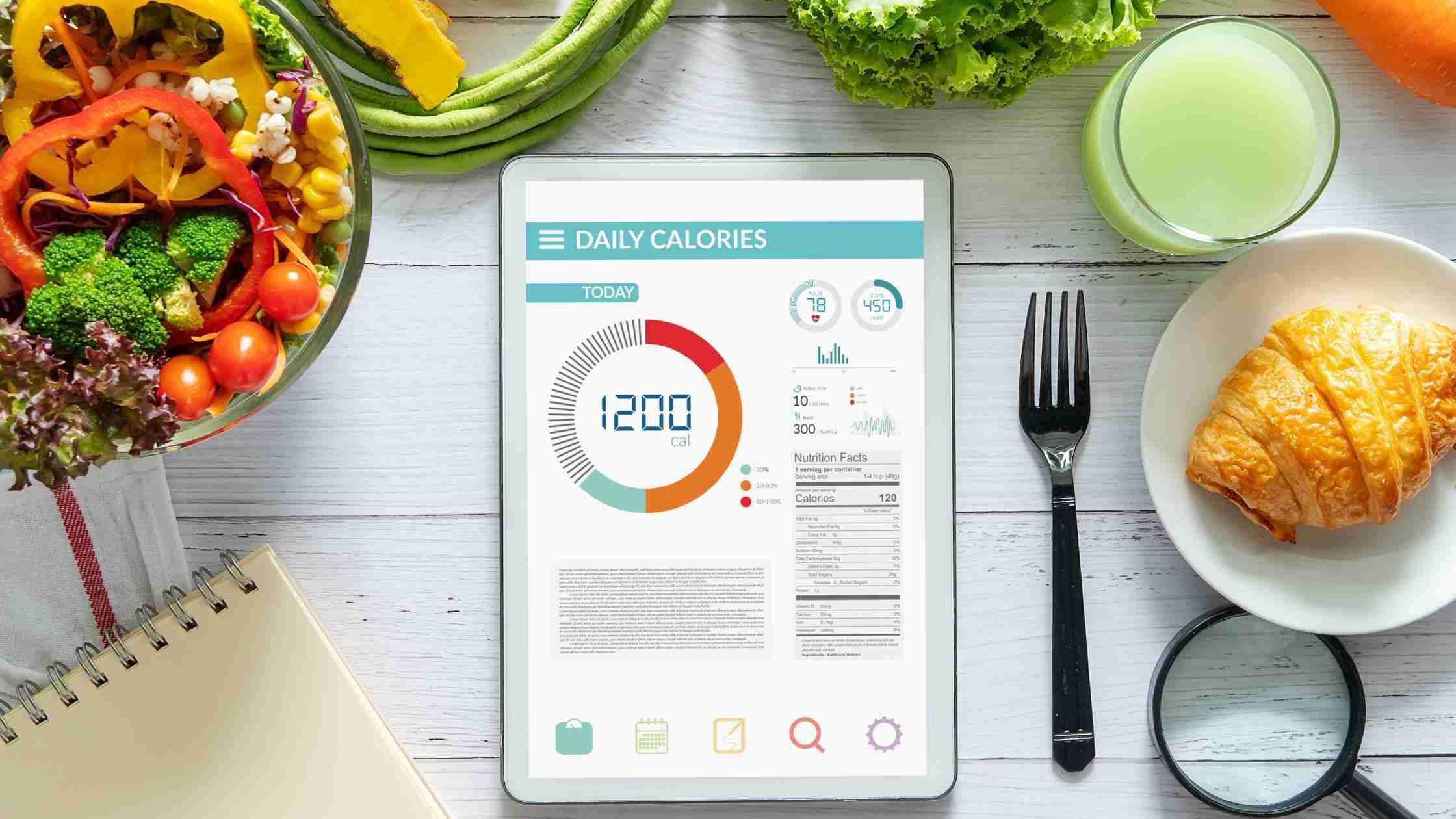
If you’re cutting calories, cauliflower might call out to you as the perfect low-calorie, high-volume food.
It’s filling and satisfying and an excellent substitute for carb-heavy options like rice or potatoes without increasing your daily intake.
Reason #3. High Fiber Needs
Are you struggling with digestion or feeling less than regular? Your fiber intake might be lacking; cauliflower is an excellent way to resolve that.
Rich in insoluble fiber, it helps keep things moving in the gut while leaving you feeling fuller for longer.
Reason #4. Antioxidant Boost
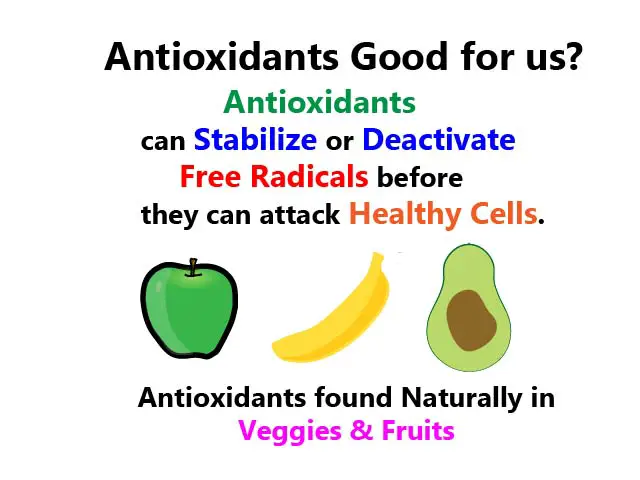
Have you been stressed or feeling run-down lately? Your body might be craving the antioxidants in cauliflower, which help combat oxidative stress and inflammation.
Cauliflower is packed with sulforaphane and glucosinolates that support your cells and keep inflammation in check.
Reason #5. Choline Requirement
If cauliflower has been on your mind, it could be tied to choline—a vital nutrient for brain health and nervous system function—found naturally in this veggie.
A choline deficiency can leave you with brain fog or reduced mental clarity, and choosing foods like cauliflower could help restore balance.
Reason #6. Psychological Triggers
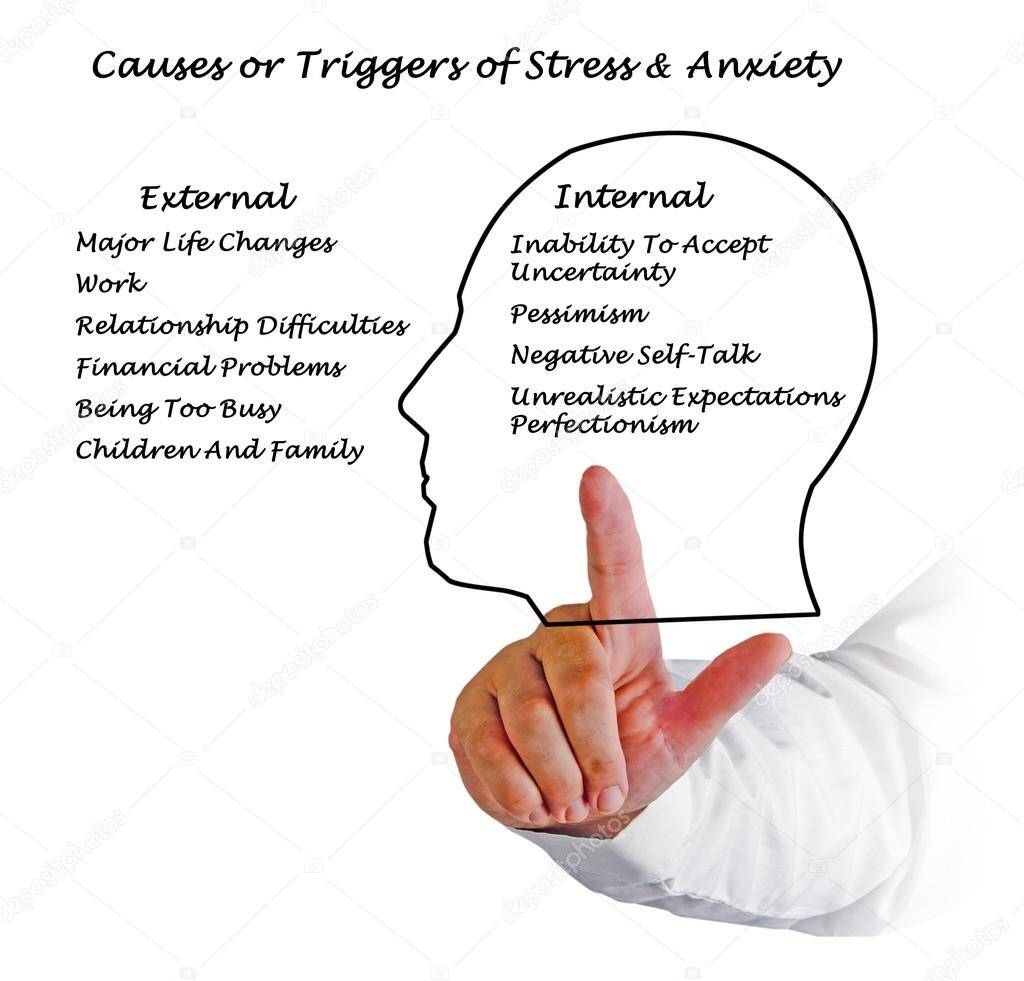
Cravings don’t always start with your stomach; sometimes, they involve emotions. If you’re stressed, frustrated, or need comfort, you might reach for a familiar, versatile food like cauliflower.
Its ability to mimic indulgent dishes (like buffalo wings or creamy mash) can make it a comforting option.
Reason #7. Dietary Trends
From keto to paleo to low-carb lifestyles, cauliflower has cemented its spot as a diet hero.
If you’re exploring one of these eating patterns, cauliflower is likely a staple in your meals, making it incredibly easy to crave what you’ve started associating with your health goals.
Reason #8. Versatility in Cooking

Cravings for cauliflower might also stem from its ability to transform into many dishes.
From popcorn and fried rice to pizza crusts and creamy soups, its adaptability could make you want more—and more!
Reason #9. Gut Health
Your gut knows what it needs to thrive, and cauliflower supports that process by encouraging healthy bacteria growth with fiber and prebiotics.
A craving for cauliflower might be driven by your body’s internal signals to maintain a healthy gut microbiome.
Reason #10. Seasonal Availability

When cauliflower is in season, it’s fresh, abundant, and more flavorful, which might increase its appearance in your cravings.
Eating seasonally often amplifies the appeal of vegetables, and cauliflower is no exception.
Reason #11. Cultural or Personal Preferences
If cauliflower is used in dishes you grew up loving or meals with special meaning, it could stir up cravings tied to those memories.
Food is often deeply tied to culture and personal taste, so your taste buds or nostalgia might be driving your cauliflower fix.
These reasons show just how fascinating food cravings can be. Whether rooted in nutrition, emotions, or trends, your desire for cauliflower might be your body’s (or your mind’s) clever way of guiding you toward balance and nourishment.
Use this as an opportunity to tune in, explore these moments deeper, and even get creative with satisfying your cravings!
Understanding and Managing Cravings Through Journaling
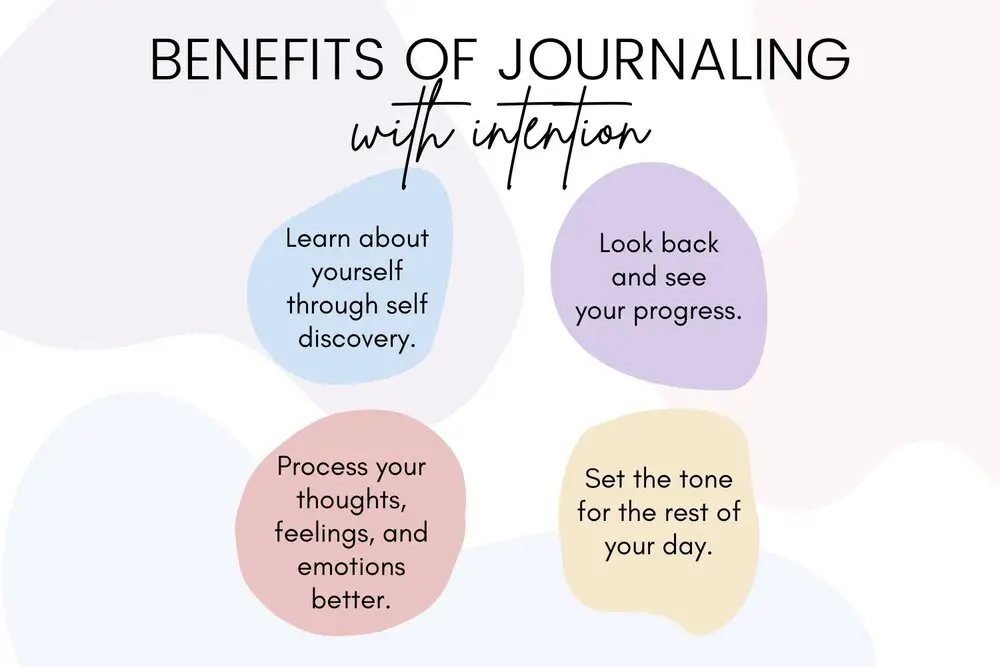
Cravings can feel like an unstoppable force—one moment, you’re working on your day’s tasks, and the next, you’re consumed by an unshakable desire for something as specific as cauliflower. Your cravings might tell you more than you think.
By examining them closer, not with judgment but with curiosity, you can uncover valuable insights about your body, mind, and emotions. Journaling is one of the most potent tools for untangling the mystery of food cravings. Here’s how you can use it to gain clarity and balance.
The Link Between Cravings and Nutritional Needs
Sometimes, your cravings are rooted in a physiological need—like when you’re running low on essential nutrients.
For example, journaling about your recent meals can help uncover patterns if you’re suddenly craving cauliflower. Have you been eating enough fiber lately to support digestion? Or could your body be asking for a boost of vitamin C, something cauliflower is rich in?
Start Here: Nutritional Journaling
Grab your notebook and keep track of what you eat throughout the day. Focus on:
- The types of food you’re consuming.
- The nutrients you may be consistently missing.
- The times when you feel most drawn to cauliflower or other specific foods.
For instance, you might notice how your cauliflower cravings often show up after days when your meals lack vegetables—your body’s gentle nudge to restore balance. Reviewing your journal can help you create a meal plan that closes any nutritional gaps in your diet.
Emotional Insight Through Journaling
Food isn’t just a fuel source; it’s also an emotional one. Have you noticed how stress or boredom tends to amplify cravings? We often see hunger as an emotional response to something else happening in our lives. Journaling can help uncover these patterns.
Reflecting on Your Emotional Landscape

Start noting your emotional state whenever a craving hits. Were you feeling frustrated, anxious, or even bored? For example, a craving for a comforting dish like cauliflower mac and cheese might signal a need for emotional warmth or familiarity.
Journaling in this way helps you recognize emotional eating patterns and shifts what might feel like impulsive actions into moments of mindfulness.
Prompt Examples to Explore Emotional Triggers:
- What emotion am I feeling right now?
- Am I tired, stressed, or seeking comfort?
- If I weren’t craving food, what would I want instead—connection, rest, or relief from stress?
Creating Mindfulness Practices Around Cravings
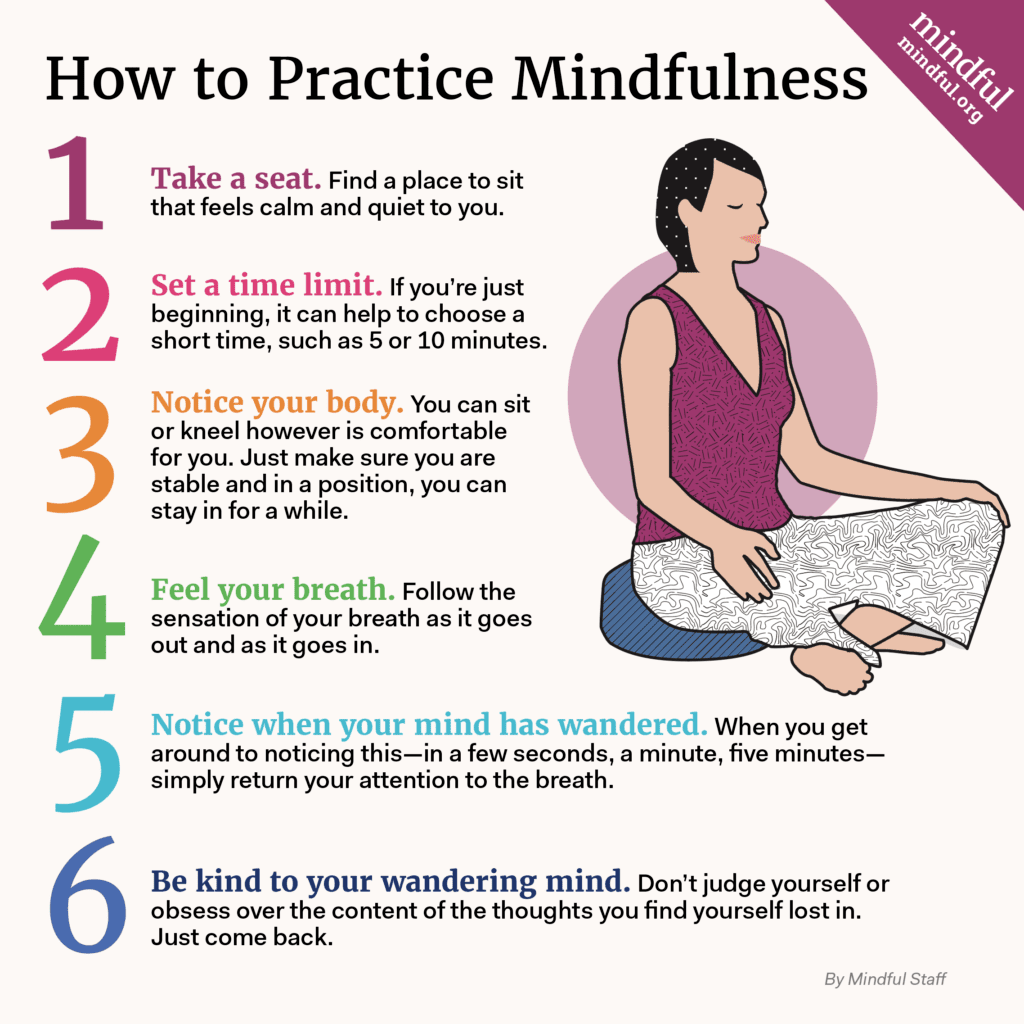
Mindful practices turn journaling into more than reflection—they make it a tool for transformation. Think of journaling not as homework but as a way to slow down your thought process and engage with yourself. By approaching your cravings from a place of curiosity, you create space for clarity.
Using Prompts to Explore Cravings Mindfully
Expand your journaling practice with prompts specific to food cravings:
- What does this particular craving remind me of (a memory, a smell, or a time in my life)?
- Would I still crave this food if I was thoroughly nourished and calm?
- How does my relationship with this food feel today? Is it joyful, neutral, or filled with tension?
These questions can help you go beyond the craving’s surface level to uncover its root, whether tied to a nutrient deficiency, an emotional wound, or past habits.
Cravings and the Binge Diet Cycle

Cravings can sometimes be a signal of more profound struggles, like restrictive dieting or binge eating disorder.
If you’ve found yourself locked in the pattern of limiting your food intake only to binge when stress or hunger takes over, you’re not alone. This all-too-common cycle can perpetuate both physical and emotional discomfort.
Breaking Free with the Eating Enlightenment Approach

The Eating Enlightenment method provides a compassionate and practical way to disrupt this cycle. Here’s a breakdown of its three stages:
- Nutritional Journaling
Stabilizing your body’s nutritional needs is vital. Start by establishing a strong foundation of regular, balanced meals. Use your journal to record when, what, and how you eat to meet your physical needs and reduce extreme hunger. - Mindfulness of Triggers
Once you feel physically balanced, journaling becomes a tool for emotional awareness. Document cravings as they arise and reflect on the emotions associated with them. Journaling helps you build embodied awareness, where you can feel and name emotions instead of defaulting to food for relief. - Healing Emotional Triggers
At this stage, journaling becomes a window into healing. You can identify emotional wounds or patterns passed down from learned behaviors by exploring the stories and inner voices tied to your cravings. This phase takes time, but it’s where fundamental transformation begins.
Practical Tips for Managing Cravings

Cravings don’t need to be avoided—they can show you how to achieve more profound well-being. Here are practical strategies to manage them with care:
- Maintain a Balanced Diet
Aiming for consistent meals with plenty of variety can curb cravings driven by deficiencies. Build plates filled with whole foods packed with nutrients, like vibrant vegetables and satisfying proteins. - Practice Mindful Eating
Turn meals into moments of mindfulness. Slow down, chew carefully, and savor the experience, allowing your brain to register fullness and satisfaction. - Get Creative in the Kitchen
Experimenting with new recipes can help you satisfy your cravings healthfully. If you’ve been thinking about cauliflower, try roasting it with spices, blending it into a creamy soup, or making cauliflower rice bowls.
Closing the Craving Loop

Every craving is an opportunity to listen to and learn from your body. Journaling offers a way to look beyond the surface and uncover what your body, mind, and emotions genuinely need.
Cravings can guide personal growth, whether they signal the need to nourish deficiencies, soothe emotions, or examine deeper patterns.
Start a journal today to explore your cravings. Grab a notebook or use the Eating Enlightenment app to simplify this process.
Each note you jot down is a step closer to understanding your body’s unique rhythms and needs. Begin now, and turn every craving into a catalyst for wellness.