

Have you ever found yourself daydreaming about a warm, steamy bowl of oatmeal—full of creamy sweetness or topped with juicy berries—only to wonder why that specific craving hit you out of nowhere? It’s almost as if your body knows something that you don’t. Spoiler alert: it probably does.
Cravings can feel mysterious, but they often carry important clues about what your body and mind need. And oatmeal? It’s not just a basic breakfast staple. Whether it’s calling to you for its comforting warmth, energy-boosting nutrients, or its connection to moments of cozy nostalgia, an oatmeal craving can mean a lot more than meets the eye.
If this craving has been on your mind recently, you’re in the right place. We’re about to dig into five fascinating reasons why you might be yearning for that soothing bowl of oats. From your body’s nutritional signals to hidden emotional triggers, we’ll uncover how factors like habits, emotions, and even self-care routines play into these cravings. Plus, I’ll share simple tips to help you better understand them—so grab a spoon and get ready to explore!
#1. Oatmeal’s Nourishing Nutritional Benefits

Oatmeal is a nutritional powerhouse, and your body may be craving it for the essential nutrients it provides. Rich in complex carbohydrates, oatmeal offers steady, long-lasting energy without causing sugar spikes. If sluggishness or dwindling energy has been your norm, it could be your body’s way of asking for more slow-burning fuels like oats.
Even more, oatmeal is packed with beta-glucan, a special type of fiber that supports digestion and stabilizes blood sugar levels. This makes it ideal for avoiding the energy crashes often associated with refined carbs.
Actionable Tip
Try keeping a food and mood journal for a few days. Note when your energy dips or when cravings strike—are they happening after long gaps between meals or particularly hectic days? By observing patterns, you can learn when your body might need fiber-rich energy boosters like oatmeal.
Journaling Prompt
“What was my energy like today? Was oatmeal my body’s way of asking for a steady, balanced boost?”
#2. The Comfort and Emotional Connection

Oatmeal isn’t just nourishing for the body—it’s a balm for the soul. Its creamy texture and warmth often evoke memories of home, cozy mornings, or moments of ease. Emotional ties to food are incredibly common, and an oatmeal craving might point to a deeper need for comfort, security, or connection.
On days when life feels particularly stressful or overwhelming, you may find that turning to oatmeal is a way to ground yourself emotionally.
Actionable Tip
The next time an oatmeal craving hits, pause for a moment. What’s your emotional state like? Journaling about your feelings might uncover whether this craving is tied to seeking comfort or responding to stress. Once you identify this, you can better address what you’re truly needing—perhaps a calming cup of tea or a heartfelt conversation with a friend.
Journaling Prompt
“What emotions have been on my mind lately? Could my oatmeal craving symbolize my need for warmth, connection, or familiarity?”
#3. A Signal for Micronutrients

Did you know oatmeal contains important minerals like magnesium, zinc, and iron? These nutrients are essential for overall wellness, supporting everything from relaxation and restful sleep to immune strength and energy production. If your body is low on magnesium, for example, it might draw you toward magnesium-rich foods like oatmeal to compensate.
Low iron levels, which can cause fatigue, may also play a role if you find yourself drawn to this comforting dish.
Actionable Tip
Keep a nutrient-focused food journal for a few days. Are there gaps in your diet when it comes to magnesium or iron? Add other nutrient-dense foods such as leafy greens, seeds, or fortified cereals to complement your oatmeal habit.
Journaling Prompt
“Am I eating enough sources of magnesium or iron? Could my oatmeal craving be my body’s way of asking for these?”
#4. Seeking Sustained Fullness
Oatmeal is well-known for keeping you full, thanks to its high soluble fiber content. It digests slowly, meaning it can stave off hunger pangs for hours. If your meals throughout the day aren’t satisfying or balanced enough, your body might crave oatmeal’s sustaining power.
For example, if you’ve been skipping breakfast or filling up on meals that lack a good balance of carbs, protein, and fat, it’s no wonder your body is urging you toward something as grounding as oatmeal.
Actionable Tip
Reflect on your daily meals. Are they providing the fullness and satiety you need? Oatmeal can be a fantastic base for satisfying these needs—try topping it with nuts, seeds, or Greek yogurt for extra protein and fat to complement its fiber-rich carbs.
Journaling Prompt
“Did my meals today leave me feeling fully nourished, or did they leave me hungry? How might oatmeal fit into a balanced eating pattern?”
#5. Habit and Routine
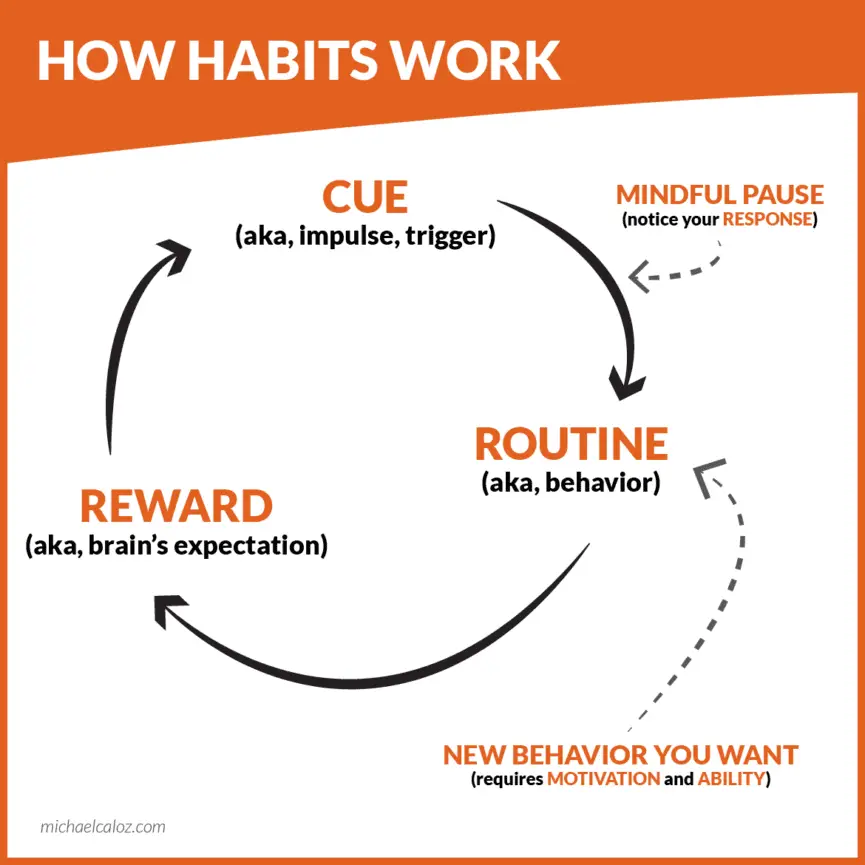
Sometimes, a craving is simply the result of habit. Oatmeal is an incredibly versatile food—it’s quick, easy to make, and endlessly customizable, making it a popular staple for many. Over time, habits like having oatmeal every morning can create strong associations, and even mental cravings, that pull you toward it.
Does your craving for oatmeal come from true hunger, or is it tied to the comfort of routine? Either way, there’s no wrong answer, but recognizing the connection might help you expand your options and explore other nutrient-rich choices.
Actionable Tip
Reflect on when and how oatmeal became a staple in your life. Try switching it up with similarly wholesome breakfasts—chia pudding, smoothie bowls, or avocado toast—to gently add variety to your routine while still keeping it healthy.
Journaling Prompt
“When did oatmeal become my go-to? What might it feel like to introduce some variety into this routine?”
Are Cravings a Sign of Something Deeper?
Craving oatmeal because it’s warm and satisfying is one thing, but recurring cravings might point to patterns of emotional eating or even a cycle of binge eating disorder. While oatmeal often feels like a “safe” choice, its role could reflect emotional deprivation or restrictive habits. Understanding your cravings can help untangle the connections between your emotions, behaviors, and relationship with food.
The Binge-Diet Cycle
Intense dieting often creates cravings for foods labeled as comforting or “off-limits,” triggering a cycle known as the binge-diet cycle. Restricting food intake—whether by skipping meals or severely limiting calories—leads to heightened cravings for balanced, nourishing options like oatmeal. Giving in to these cravings might escalate to bingeing, especially in moments of stress or unmet emotional needs, followed by guilt and renewed restriction, repeating the cycle.
- Restricting: Prolonged dieting deprives the body and mind, leading to intense food cravings for comfort.
- Bingeing: Emotional overwhelm results in loss of control and turning to food as a coping mechanism.
- Guilt/Shame: Feelings of guilt after bingeing lead back to restricting, perpetuating the cycle.
Breaking the Cycle with Eating Enlightenment
Recognizing this cycle is the first step toward breaking free. The Eating Enlightenment approach provides a compassionate framework to address cravings and build a healthier relationship with food:
- Nutritional Journaling
Track meals and hunger cues to ensure your body is regularly nourished. Regular, balanced meals help reduce the physical deprivation that fuels cravings. Pro Tip: Create a satisfying start to your day by pairing oatmeal with healthy fats and protein. - Mindfulness with Triggers
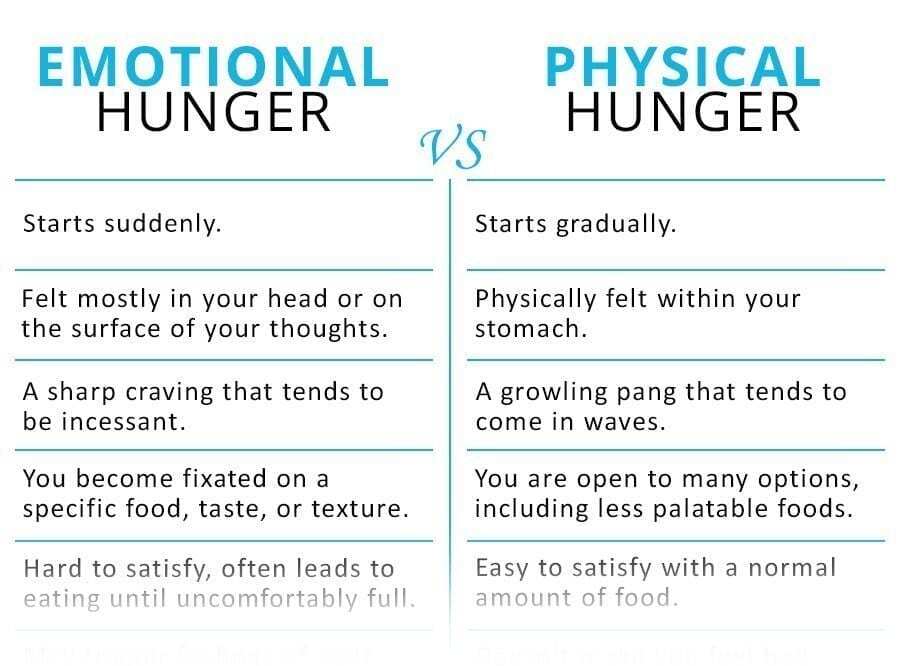
Explore your cravings. Are they driven by genuine hunger or emotional stress? Pause and reflect before acting, using journaling to create self-awareness. Example: “What am I seeking—comfort or nourishment?” - Inner Work
Bring compassion to the emotional patterns influencing your eating habits. Journaling can help uncover inner voices, like a perfectionist driving restriction or a part of you seeking comfort. This process of self-discovery fosters healing and balance.
Unpacking Oatmeal Cravings: The Emotional and Psychological Link to Binge Eating
Cravings for oatmeal might mean more than you think, especially if they’re linked to binge eating disorder (BED). While oatmeal is often seen as a wholesome choice, these cravings can reveal emotional and psychological patterns tied to BED.
Emotional Eating and Comfort Foods
Warm and soothing, oatmeal serves as a comfort food for many. Those with BED may use it to cope with stress, anxiety, or sadness—not out of hunger but as emotional regulation. Its comforting associations, like childhood breakfasts or peaceful mornings, make it an easy choice during distress, offering a sense of stability.
The Binge-Diet Cycle
Cravings for oatmeal can also stem from restrictive dieting phases seen in BED. People often associate oatmeal with being “healthy,” making it a go-to after attempts to compensate for past overeating. This relationship between restriction and comfort foods can intensify cravings, rooted in the body and mind’s need for balance.
Stress and Emotional Needs

Oatmeal cravings can signal stress responses, magnifying food desires due to cortisol release. Beyond physical hunger, they may reflect deeper needs for comfort, safety, or nurturing—a way of handling unmet emotional demands or past traumas.
Mindful Ways to Approach Cravings
- Pause and Reflect: Before acting, consider whether hunger, stress, or emotions are driving your craving.
- Journal Mindfully: Explore what you need—emotional comfort or physical nourishment.
- Eat Intentionally: If you choose oatmeal, eat slowly and savor it to connect with your body’s cues.
Oatmeal cravings may be your body alerting you to emotional needs. Exploring these connections through mindfulness and journaling can help break unhealthy cycles and foster a healthier relationship with food.
Closing Thoughts
Oatmeal cravings tell us a lot about our bodies and emotions. Whether it’s a need for energy or a craving for comfort, these signals can guide you to nurture your well-being. Look at your cravings with curiosity, not judgment, and create meals that satisfy both body and soul—like a savory bowl with avocado or a sweet mix of nut butter and fruit.
Call-to-Action
Start understanding your oatmeal cravings with the Eating Enlightenment Journal App. Track cravings, uncover patterns, and align your eating habits with your wellness goals. Download it for free today and take the first step toward a healthier and more mindful relationship with food.