

Quitting nicotine is a monumental achievement, one that often takes significant effort, determination, and self-compassion.
But what happens when, years after lighting your last cigarette or stashing away that previous pack, an unexpected craving hits you? It can be puzzling and frustrating to find yourself longing for nicotine again, especially after all this time.
Rest assured, these lingering cravings are more common than you might think. They don’t signal failure or mean that you’re doomed to relapse. Instead, they’re a reminder that recovery is a lifelong process involving both the body and mind.
This post aims to show why such cravings can reappear years after quitting and, more importantly, how to address them effectively. Cravings are often rooted in physiological, psychological, and environmental factors.
Identifying these underlying causes can help you take proactive steps to address them. Self-awareness is key; keeping a journal to track when and why these cravings surface can provide powerful insights.
Writing down your thoughts and triggers helps uncover patterns, giving you the tools to make informed, compassionate choices.
Let’s explore the reasons behind these cravings and ways you can manage them to maintain your nicotine-free life.
Why Am I Still Craving? 11 Possible Reasons

Reason #1. Stress as a Trigger
Stress can quickly bring back the desire for nicotine, as your brain may associate smoking with relaxation. You might remember those years when lighting up provided a temporary escape from life’s pressures. But this craving stems from habit, not necessity.
To manage cravings linked to stress, try mindfulness techniques such as deep breathing or yoga—both of which support your emotional well-being. Journaling can also be immensely helpful. Jot down what stressful situations triggered your craving. Ask yourself, “What would help me feel relieved right now?”
Reason #2. Habits Tied to Nicotine
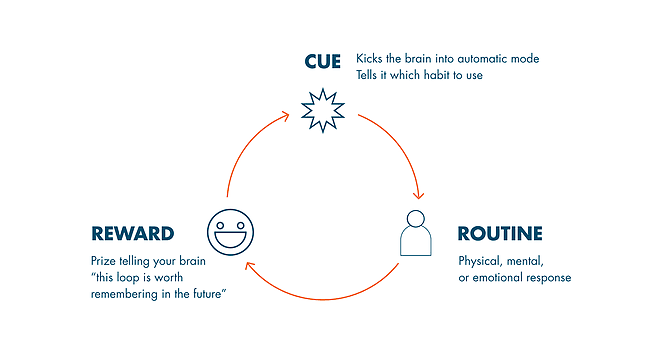
Specific actions or routines might still carry the imprint of nicotine use. Maybe you paired your morning coffee with a cigarette or took a smoking break to punctuate your workday. These “muscle memory” habits can resurface long after you’ve stopped smoking.
Try replacing old smoking rituals with healthier activities. For example, enjoy a cup of tea or go for a walk. Use journaling to track when these triggers occur, writing prompts like, “What specific moments make me miss that old routine?” This awareness can guide you toward breaking free of lingering habits.
Reason #3. Nutritional Deficiencies
After years of nicotine use, your body might lack certain nutrients, such as B vitamins or magnesium, which can leave you feeling edgy or depleted. Sometimes, this physical discomfort is misread by your brain as a nicotine craving.
Combat this by keeping a food and mood journal. Write down what you’ve eaten daily and note how you feel about craving moments. Over time, you might uncover connections between meals lacking key nutrients and stronger cravings. For steady energy, focus on balanced meals with lean proteins, vegetables, and whole grains.
Reason #4. Dopamine and Reward Pathways

Nicotine stimulates dopamine—the brain’s “feel-good” chemical—and quitting disrupts this reward system. While your brain adjusts to restore natural dopamine levels, specific triggers might recreate the longing for that familiar surge.
Redirect this desire by finding alternative dopamine sources. Journaling can help here, too. Explore what activities make you feel truly fulfilled and ask, “What healthy hobbies or experiences excite me and support my brain’s happiness naturally?”
Reason #5. Emotional Nostalgia
Nicotine often becomes associated with past emotions, commemorating victories, or helping you through challenging moments. Even years later, the brain might latch onto these memories, bringing back a craving tied more to a feeling than the chemical itself.
Write about these moments in your journal, asking, “What emotion am I craving? How can I recreate that experience without nicotine?” Spend time recreating positive memories by calling friends, celebrating small wins, or doing something that connects you to joy.
Reason #6. Social Triggers

Social situations can also reignite nicotine cravings, mainly if you’re surrounded by smokers or reminded of past gatherings where cigarettes played a central role. These triggers can be as subtle as the smell of smoke.
Reflecting in advance can help you prepare for social triggers. Write, “What strategies or reminders will help me hold strong in spaces where smoking is common?” Psychologically rehearsing these scenarios and practicing mindful affirmations can bolster your confidence in maintaining your progress.
Reason #7. Unresolved Anxiety
Sometimes, nicotine cravings mask more profound struggles, such as lingering anxiety or emotional distress. These moments can feel confusing—like longing for a comfort you hoped to leave behind.
Explore these emotions through journaling, asking, “What fear or worry might be behind this craving? How can I address that directly?” Pair your reflections with tools like therapy or mindfulness practices to uncover and heal the root cause of stress.
Reason #8. Sleep Deprivation
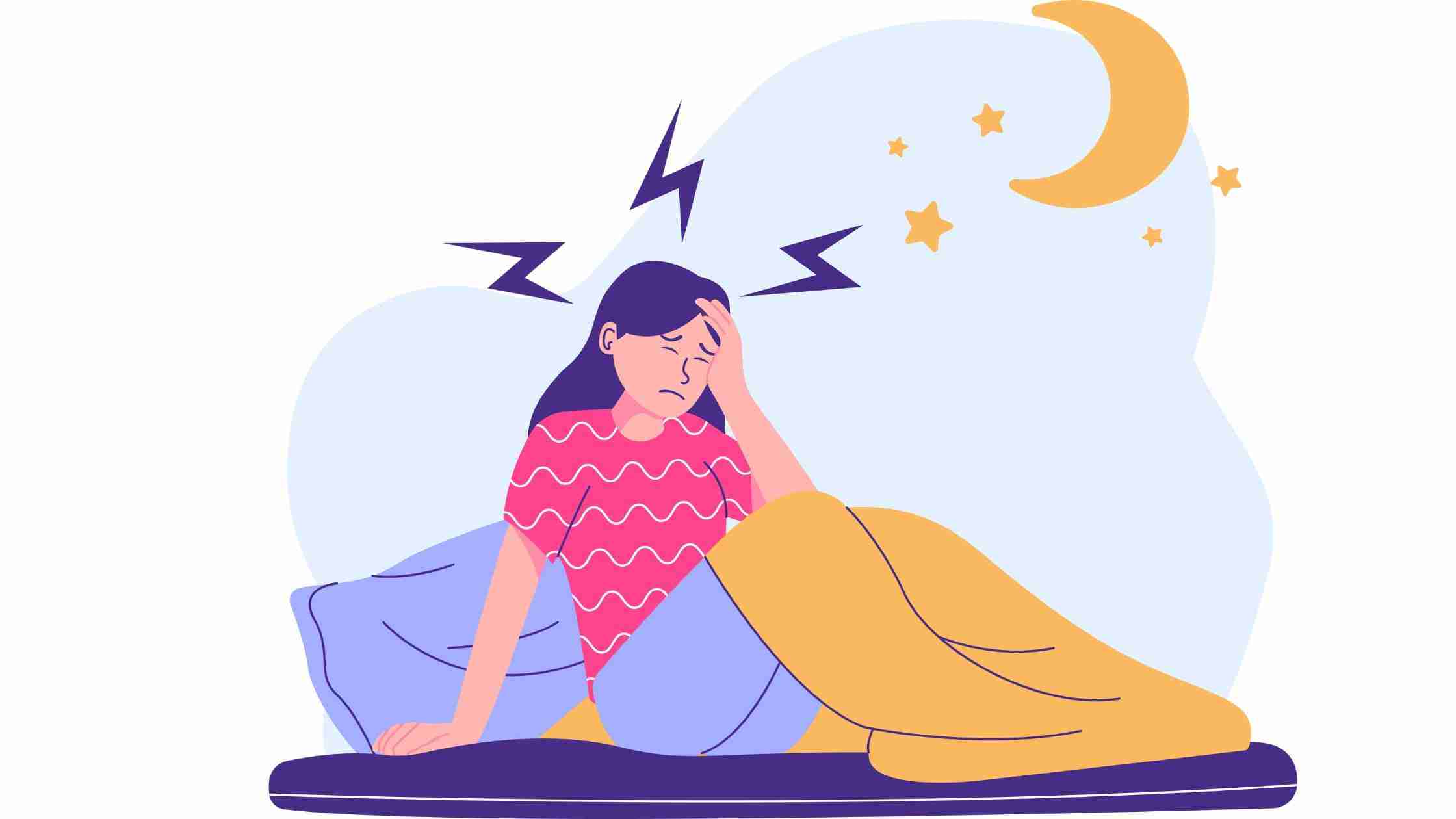
Lack of sleep can leave you feeling worn out and unsteady, which may exacerbate cravings. Your tired brain may reach for the quick remedy nicotine once seemed to provide.
To address this, prioritize sleep hygiene. Reflect in a journal about your nightly habits, pinpointing what might disrupt your rest. Before you sleep, write down your worries or to-dos for the next day, giving your mind space to relax.
Reason #9. Hormonal Fluctuations
Hormonal shifts, whether due to monthly cycles, menopause, or other factors, can influence both mood and dopamine production. This can surprise you with a sudden, out-of-nowhere craving.
Keep track of your cravings and hormonal patterns in a journal. Look for recurring overlaps and focus on self-compassion, knowing these fluctuations are temporary. Balanced nutrition and soothing practices like yoga can help regulate your hormones and reduce cravings.
Reason #10. Sensory Memories

Sometimes, a craving hits from something as simple as smelling smoke or seeing someone light up. These sensory experiences can trigger deeply embedded associations with nicotine.
When this happens, pause and ground yourself. Take a few deep breaths or engage in a different sensory activity, like holding a comforting object. Later, reflect in your journal and ask, “What sensory trigger brought back this craving, and how can I respond differently next time?”
Reason #11. Life Transitions
Major changes in your life—whether joyful or challenging—might bring back cravings as your brain recalls nicotine being a source of comfort during past upheavals.
Journaling can help you acknowledge your emotions during times of transition. Ask, “What do I need to feel grounded right now?” Replace nicotine’s role in these moments with routines that foster stability, like daily walks, meditation, or connecting with loved ones.
Cravings, Binge Eating, and the Cycle of Reward
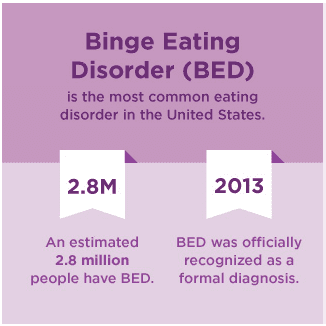
Nicotine cravings and binge eating disorders share a striking similarity—both revolve around a cycle of compulsion, fleeting reward, and lingering guilt.
Like the binge diet cycle, this pattern creates a loop in which the brain seeks quick fixes for underlying needs, only to feel more dissatisfied afterward. Recognizing this connection can help you better understand and interrupt these cravings.
The Eating Enlightenment methodology offers a way to break this cycle and reclaim control. Start with Nutritional Journaling to identify if physical hunger or deficiencies fuel cravings. Progress to Building Awareness of Triggers, noting the emotional and environmental factors behind each craving.
Finally, IFS-inspired journaling can explore inner voices tied to unresolved emotions, asking, “What is this craving protecting or providing for me?” This compassionate approach fosters awareness and healing, empowering you to disrupt the craving-reward loop.
Final Thoughts:

Craving nicotine years after quitting can feel confusing and discouraging, but it’s also a powerful reminder of the complexity of addiction.
Throughout this article, we explored 11 reasons these cravings resurface—from stress triggers to emotional nostalgia—revealing how deeply nicotine ties to both habits and emotions. Yet, by understanding these patterns, you’ve already taken the vital first step toward breaking free from their hold.
Remember, these cravings aren’t setbacks but opportunities to tune into what your body and mind are trying to tell you. Journaling, mindful eating practices, and self-reflection are invaluable tools for decoding these urges, helping you address the surface symptoms and the more profound needs.
The path to being fully nicotine-free is one of resilience and self-discovery, revealing layers of strength and empowerment within yourself.
With Eating Enlightenment’s free Journal App, you can access a thoughtfully designed tool to guide your journey.
Its features—including nutritional journaling, emotional trigger awareness, and deeper self-exploration through Internal Family Systems-inspired prompts—offer the clarity, mindfulness, and healing you need to overcome cravings.
Whether you write down what you ate or understand the emotions behind a sudden craving, the app provides a gentle yet powerful way to stay connected to your progress.
This is your action step toward a more empowered life. Start today by downloading the Eating Enlightenment Journal App—it’s free and ready to support you. Or, if you’re seeking additional guidance, schedule a supportive consultation to explore your unique challenges and tools for success.
Every craving is a chance to grow closer to your healthier, nicotine-free self. Take it one step at a time, knowing that this process is as much about progress as it is about understanding yourself more deeply. You’ve made it this far—keep going. You’ve got this!