

Have you ever found yourself staring at a gallon of milk, wondering why it feels like the ultimate comfort during your period? You’re not alone. Periods come with a whirlwind of emotional and physical changes, and food cravings—like the sudden urge for a cold glass of milk—can feel confusing and unavoidable. Cravings may send you searching for answers, and that’s exactly what we’re here to explore together.
Milk cravings during menstruation are more than just a quirky habit; they’re tied to a fascinating mix of biological, emotional, and nutritional factors. Your body might be trying to get your attention through hormonal shifts, calcium needs, or even a longing for comfort. Whatever the reason, know this—your cravings are not unusual and reveal powerful clues about your well-being.
This post explores six key reasons you might crave milk during your period, providing insights into everything from hormones to emotional connections. Along the way, you’ll discover how journaling can act as your guide, helping you understand these cravings more deeply. By writing down your experiences, you can begin to see patterns, connect with emotional triggers, and develop tools to manage these sensations in a way that nurtures you physically and emotionally.
Are you ready to understand why and how your cravings connect to your body’s needs? Keep reading—there’s so much to uncover about your period cravings and your unique path to self-care.
The 6 Reasons Behind Milk Cravings During Your Period
Reason 1: Hormonal Changes
Your monthly cycle brings hormonal fluctuation, especially in estrogen and progesterone. These hormones don’t simply affect your mood—they’re deeply tied to your hunger signals and the nutrients your body craves. Research shows that higher progesterone levels during the latter part of your cycle can intensify cravings for calcium-rich and fatty foods, which help stabilize both energy and mood. With its natural balance of fat, protein, and essential nutrients, milk becomes an appealing option to meet these hormonal needs.
What could this mean for you? If you notice a recurring habit of reaching for milk or dairy products before or during your period, try pausing for reflection. Are you satisfying a more profound biochemical need or leaning into a comforting ritual? Keep a journal handy and jot down:
- “What changes do I notice in my cravings or energy levels at different points in my cycle?”
- “How does my mood shift when I crave specific foods?”
Reason 2: Nutrient Deficiency
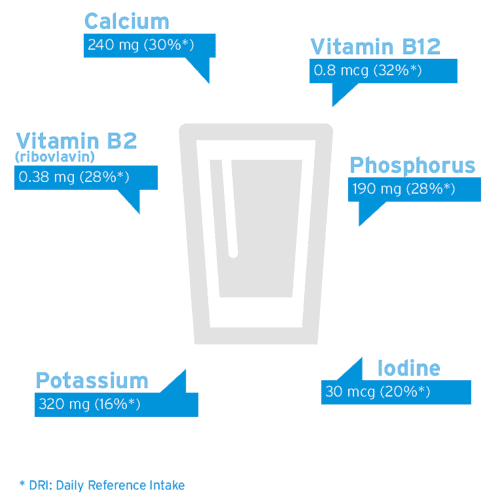
Your body might also be nudging you toward milk because it’s an excellent source of calcium and vitamin D—two nutrients your body works extra hard to maintain during menstruation. Calcium doesn’t just help with bone health; it also reduces cramping and stabilizes mood swings caused by hormonal shifts. Vitamin D, a frequent deficiency for many people, reduces inflammation and supports emotional well-being.
If these nutrients sound like something you may be missing, consider the daily foods on your plate. Do calcium-packed options like leafy greens, fortified plant-based milk, or yogurt feature regularly? If you’re lactose intolerant, non-dairy options like almond, soy, or oat milk are great alternatives enriched with calcium and vitamin D. Use journaling as a guide to track your diet and assess your nutrient gaps with prompts like:
- “Am I getting enough calcium-rich foods in my meals?”
- “How do I feel after I satisfy a craving for milk or try a substitute?”
Reason 3: Emotional Comfort

For many, milk holds an emotional connection. Maybe it reminds you of childhood—a warm glass given by a caregiver to soothe an ache or calm your nerves. Periods often bring heightened emotions, making these subconscious associations even more potent. That creamy sip of milk can evoke calm and care, acting as a self-soothing antidote to menstruation’s emotional ups and downs.
But what if the craving is more emotional than physical? Understanding this can help you identify other ways to meet those needs. Consider soft and nurturing self-care practices like stretching, drinking a cozy herbal tea, or journaling your feelings when emotions call loudly. Here’s how you might reflect in your journal:
- “Does this craving remind me of a memory or specific feeling?”
- “How else can I nurture myself emotionally right now?”
Reason 4: Hydration Needs

Sometimes, cravings mask more basic needs, like thirst. Milk’s hydrating nature, proteins, and healthy fats can make it especially appealing when slightly dehydrated. This is even more likely on bloated days where water retention leaves you feeling “off.” Your body might be seeking the satisfying after-effect of milk to feel balanced again.
The next time the craving strikes, try reaching for water first and observe the effects. Add a splash of lemon or a few cucumber slices to make hydration enjoyable. If milk still calls to you afterward, consider savoring it mindfully. Reflect in your journal:
- “Am I truly hungry for milk, or could I be thirsty?”
- “How does my body feel after drinking water versus milk?”
Reason 5: Blood Sugar Regulation
Periods can cause blood sugar levels to fluctuate, mainly if your meals or snacks don’t provide the right balance of macros. This might leave you craving milk’s natural sugars and creamy fats as a quick source of stable energy. Milk is particularly appealing because it offers carbohydrates and protein—two essentials for stabilizing blood sugar.
Instead of relying solely on milk, pairing it with a handful of nuts or fresh fruit can enhance the nutritional benefits. If you’re looking for other ways to stabilize your energy throughout the day, focus on fiber-rich snacks or small meals that incorporate complex carbs, healthy fats, and protein. Explore this in your journal:
- “What other balanced options can help stabilize my energy?”
- “How often do I notice sugar-related cravings during my cycle?”
Reason 6: Serotonin Boost
Lastly, milk contains tryptophan, an amino acid that promotes serotonin production—the hormone tied to happiness and emotional balance. During PMS, serotonin levels can dip, leading to feelings of fatigue or sadness. You may naturally boost serotonin and feel lighter emotionally by consuming milk (or even its non-dairy substitutes).
Of course, milk isn’t your only option for lifting your mood. Foods like bananas, dark chocolate, nuts, or even a brisk walk in the fresh air can offer similar benefits. Think of this as an opportunity to experiment with what brings you the most comfort. Reflect in your journal about these choices:
- “How does my mood shift before and after consuming milk?”
- “What other activities boost my happiness during this time?”
7 Intriguing Facts About Why Milk Cravings Spike During Menstrual Periods

1. Your Hormones Love Calcium-Friendly Foods
Hormonal fluctuations during your cycle, particularly shifts in estrogen and progesterone, may make your body crave calcium-rich options like milk. These hormones are vital in regulating mood and energy, and calcium helps soothe associated symptoms like irritability or fatigue.
2. It’s Your Body Whispering for Nutritional Balance
Milk is packed with calcium and vitamin D—two nutrients that are crucial for bone health and inflammation reduction. During menstruation, your body naturally depletes these nutrients faster, and your craving for milk might be your body’s way of restocking its supply.
3. Comfort Food Isn’t Just a Phrase
For many, milk carries a subconscious connection to comfort and care, often rooted in childhood memories. Hot milk before bed or in a favorite recipe might have provided emotional security, which the body seeks during the heightened sensitivity of your period.
4. Milk Has a Cultural Connection to Strength
Across various cultures, milk has historically been associated with vitality and health. From Ayurvedic traditions using warm milk with spices to Greek myths highlighting milk as a symbol of nourishment, there’s a deep-seated belief in its renewing powers.
5. Craving Fat and Sugar? Milk Delivers Both Perfectly
Menstrual cycles can alter blood sugar levels, leaving you yearning for quick energy. With its natural sugars and healthy fats blend, milk provides a satisfying combination for the brain and body during these moments.
6. Hydration in Disguise?
Though we often overlook it, milk is incredibly hydrating. Its high water content and electrolytes can help combat bloating and mild dehydration, two standard period-related issues.
7. Hormones in Dairy? A Possible Extra Boost
Milk contains trace amounts of naturally occurring hormones (like estrogen) from cows, which may have a small but noticeable impact during your cycle. This could subtly align with your body’s hormonal rhythms, making milk more desirable.
Understanding these facts makes it clear that cravings are about more than just indulgence. Whether you opt for dairy or plant-based options, listening to your body’s needs can promote balance and comfort. Who knew your favorite latte or milkshake was doing so much?
Are Your Cravings Telling You Something Deeper?
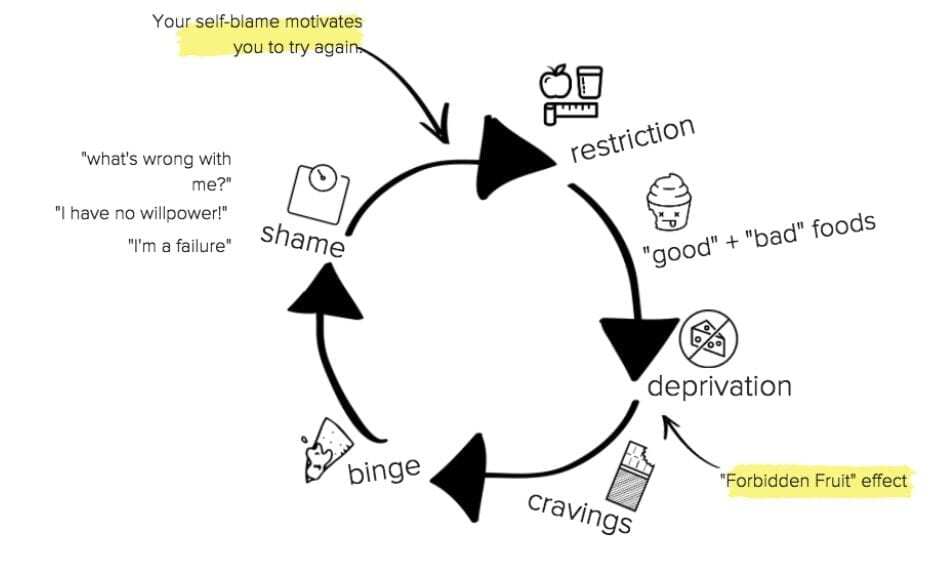
Cravings can feel overwhelming, especially around periods, but what if they’re more than just fleeting urges? Intense, uncontrollable cravings might hint at deeper concerns, like binge eating disorder (BED). BED isn’t just about eating—it’s tied to emotional and psychological challenges that create patterns of distress.
One standard cycle people with BED experience is the “Binge-Diet Cycle,” where periods of restrictive eating trigger cravings, leading to binge episodes and feelings of guilt or shame. Understanding this cycle is key to breaking free from it and reconnecting with your body in a balanced, nurturing way.
Applying the Eating Enlightenment Approach
The Eating Enlightenment philosophy introduces a compassionate, three-step process to address cravings in a mindful and healing way.
Step 1—Nutritional Journaling
Often, cravings arise from unmet nutritional needs. Journaling offers a structured way to assess your meals, track essential nutrients like calcium, and stabilize blood sugar through small, consistent steps. For example, if you crave milk, your journal might reveal a lack of calcium-rich foods like leafy greens or fortified options. Writing down meal timings and ingredients can create a nutritional foundation that naturally reduces cravings. Ask yourself:
- “Am I honoring my body’s need for complete and nourishing meals?”
Step 2—Mindfulness of Triggers
Cravings can be emotional as well as physical. Developing embodied awareness through journaling helps uncover the stress, fatigue, or emotions that might spark sudden milk cravings. Before acting on a craving, consider pausing for a moment—what are you truly feeling? Sometimes, this pause reveals an emotional need rather than physical hunger. Reflect on this with prompts like:
- “What do I feel emotionally and physically before giving in to the craving?”
- “What happens if I pause or reflect first?”
Step 3—Exploring Your Inner Voice
Deeper cravings often stem from past experiences or unmet needs. Journaling about comfort foods like milk may uncover childhood connections or feelings of safety. By recognizing these patterns, you can start healing and respond with self-compassion. A prompt like “What does my inner self seek through cravings like this?” can help reveal these truths, allowing you to nurture yourself beyond food.
Managing Cravings with Compassion

Cravings aren’t something to fight; they’re how your body and mind communicate. Satisfying them in moderation can bring joy, mainly when milk provides nutrients like calcium and vitamin D. Instead of guilt, focus on baby steps toward understanding what you need emotionally and physically. Journaling sheds light on these moments, transforming cravings from overwhelming into opportunities for growth and balance.
Your cravings are meaningful. Listen to them carefully, and you’ll uncover a path toward nourishment, understanding, and self-love. Take one small step at a time—even tiny actions create lasting change.
Closing Thoughts
Understanding why milk cravings arise during your menstrual cycle opens the door to greater self-awareness and self-care. Whether from hormonal changes, nutritional needs, or emotional comfort, these cravings are your body’s way of communicating its needs. With its calcium, vitamin D, and soothing qualities, milk can be a powerful ally in supporting your physical and emotional well-being during this time.
Reflecting on your cravings with mindfulness and curiosity can help you move beyond guilt or confusion and develop a deeper understanding of what your body truly needs. Integrating respectful nutrition with a compassionate mindset creates a space where cravings become an opportunity for nourishment and growth, not judgment.
Consider downloading the Eating Enlightenment Journal App to further support you. This free, intuitive tool can help you track your dietary habits, uncover patterns in your cravings, and make informed, balanced choices during your cycle. It’s a simple yet effective way to bring mindfulness and structure to your health routine.
Remember, your food story is unique and deserves your kind attention. Cravings, like any part of your health journey, are valid and worth exploring with care. Be patient with yourself, celebrate the small steps, and lean into this discovery process with self-compassion. Your body constantly communicates, and you have all the tools to listen and respond with love.