

Have you found yourself standing before your fridge, craving that creamy, tangy jar of mayonnaise and thinking, “Why do I want this so badly?” You’re not alone; it’s not as odd as it might seem. Food cravings are a mysterious yet universal experience, often carrying messages from our bodies or emotions. These cravings aren’t random; they’re your body’s way of communicating that something might need your attention—whether it’s a physical need, an emotional cue, or a mental habit.
Mayonnaise comforts our senses with its smooth, rich texture and savory flavor. But why this particular craving? What lies beneath that urge to slather it on your sandwich or mix it into your meals? Understanding food cravings can feel like decoding a puzzle. Sometimes, it’s your body prompting you to address a nutritional gap. Other times, cravings react to stress, fatigue, or nostalgia rooted in past experiences.
What makes these cravings even more fascinating is how nuanced they are—intertwining biological needs, emotions, and even daily habits. This is where journaling’s power as a personal detective tool comes in. By jotting down patterns—your meals, energy levels, moods, and thoughts—you can start unraveling what’s driving these cravings. Equipped with mindfulness and self-awareness, you can approach them not with guilt but curiosity and a sense of care.
Join me as we uncover ten reasons for your sudden love of mayonnaise. Together, we’ll explore how understanding these cravings might lead you to deeper insights about your health, emotions, and what your body needs to feel truly nourished.
10 Reasons You Might Be Craving Mayonnaise
#1. Nutritional Deficiency in Fats
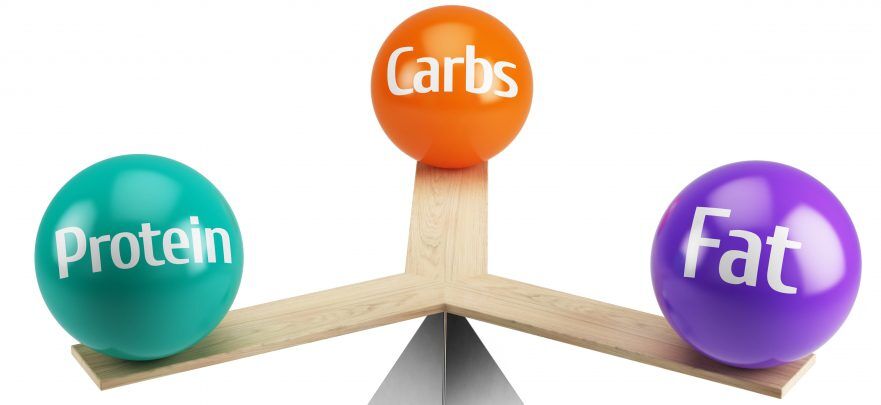
Fats are essential to your body. They fuel your brain, maintain cellular health, and provide sustained energy. If you’ve been following a low-fat diet or avoiding dietary fats entirely, your body might send out an SOS for some rich, comforting fat—like that found in mayonnaise.
Mayonnaise is packed with fats, which makes it an obvious choice for your body to crave when it’s starved of this crucial nutrient. However, it’s worth asking whether your body would benefit just as much—if not more—from healthier fat sources like avocados, nuts, or fatty fish. When you give your body the nourishment it craves, you might find that the need for mayo naturally decreases.
Journaling Prompt: “When was the last time I had a balanced meal with healthy fats? Could my body be asking for energy through fat sources?”
#2. Low Micronutrients (Especially Choline)
Mayonnaise contains eggs—a rich source of choline, a vital nutrient for brain health, muscle control, and liver function. If you find yourself craving mayo, it might be because your body is low on choline, thus seeking it from foods like eggs or mayo.
Instead of overloading on mayonnaise, add whole eggs, broccoli, or soybeans to your diet. These foods can provide the choline your body needs while offering additional nutrients that support overall well-being.
Journaling Prompt: “What type of foods have I been eating? Could I be missing key nutrients like choline?”
#3. High-Stress Levels and Emotional Eating

Stress can wreck your cravings. When you’re under pressure, your body often seeks out fatty, comforting foods to calm your nervous system. Mayonnaise’s creamy texture and rich fat content make it a prime candidate for soothing frazzled emotions.
Try pausing to reflect the next time you notice a mayo craving during a stressful moment. Are you eating to cope with your feelings? If so, what else might comfort you? Journaling can help you practice mindfulness and recognize these patterns, allowing you to choose a more nourishing response to stress, such as deep breathing or a quick stretch.
Journaling Prompt: “What emotions do I feel when I crave mayonnaise? Am I turning to food for comfort or distraction?”
#4. Association with Childhood or Nostalgia
Food has an incredible way of taking us back in time. If mayonnaise played a significant role in your favorite childhood meals—whether slathered on sandwiches or mixed into potato salad—you might crave it to reconnect with those comforting memories.
This craving isn’t just about food; it’s about emotion and memory. It’s okay to indulge sometimes, but exploring the more profound emotional need behind that craving can lead to a more lasting sense of fulfillment. What other activities or connections might bring you the same feelings of warmth and comfort?
Journaling Prompt: “Does this craving remind me of a specific time, place, or memory?”
#5. Intermittent Fasting or Skipping Meals
Skipping meals might make you feel virtuous in the moment, but it often backfires by triggering intense cravings for calorie-dense foods. Your body tries compensating for the energy gap by pushing you toward rich, fatty foods like mayonnaise.
The solution? Regular, balanced meals that prevent your energy levels from plummeting throughout the day. Planning can help reduce those ravenous moments, steering you toward more mindful choices.
Journaling Prompt: “When was the last time I ate? Am I nourishing myself adequately throughout the day?”
#6. Hormonal Imbalances
If your mayo cravings consistently pop up at certain times of the month or in response to hormonal shifts, you might be dealing with hormone-driven food cravings. Hormonal fluctuations, like those during PMS or menopause, are known to trigger heightened cravings for fatty or savory foods.
Pay attention to patterns in your cravings and consider adding foods rich in magnesium, calcium, or B vitamins, which can stabilize hormonal shifts. Noticing these trends in a journal can help you find solutions tailored to your body’s unique rhythm.
Journaling Prompt: “Are there patterns to my cravings, such as during certain times of the month or after hormonal changes?”
#7. Flavor and Mouthfeel Preferences
Is it the smooth texture or the savory tang of mayonnaise that keeps calling your name? Sometimes, cravings are simply about sensory satisfaction. Creamy foods provide a deeply satisfying feeling of indulgence and richness.
If mayonnaise is your go-to creamy craving, try experimenting with healthier alternatives like Greek yogurt-based dressings or hummus. This way, you can indulge your love of creamy textures while building a more nutrient-rich plate.
Journaling Prompt: “Do I often gravitate toward creamy foods? Could I find healthier alternatives that satisfy this texture?”
#8. Lack of Variety in Diet
Are your meals feeling a little uninspired lately? A monotonous diet can leave you craving intense or familiar flavors, like the umami punch of mayonnaise. Adding more diversity to your plate can spark your interest in food again and reduce the appeal of repetitive cravings.
Spice up your meals by adding fresh herbs, spices, or a squeeze of citrus. Consider jotting down easy changes in your daily meals to reignite your excitement for food without overdoing the mayo.
Journaling Prompt: “Have I been eating the same things recently? Could I spice up my meals with more variety?”
#9. Underlying Psychological Needs (Such as Control or Reward)
Sometimes, cravings come from deeper psychological origins. Mayonnaise might represent comfort, control, or even a reward after a stressful or tiring day. While this isn’t inherently bad, relying on food for emotional needs can create habits that steer you away from proper emotional nourishment.
Pausing to journal about what’s driving your cravings can help you identify healthier ways to meet these needs. Is there a small self-care ritual, like a warm bath or a walk in nature, that you can turn to instead?
Journaling Prompt: “What was happening right before I wanted mayonnaise? Am I rewarding myself or trying to regain control?”
#10. Dehydration or Electrolyte Imbalance

Surprisingly, dehydration or a lack of electrolytes can sometimes masquerade as a mayo craving. Your body might perceive the saltiness and fat content of mayonnaise as a quick fix for what it really needs—water or essential minerals.
Stay on top of your hydration and ensure your diet includes potassium, sodium, and magnesium-rich foods, like bananas or leafy greens. This can prevent your body from sending mixed signals.
Journaling Prompt: “Have I had enough water today? Could my mayo craving be thirst in disguise?”
Cravings and Binge Eating Disorder

Ever wonder if cravings hint at something more profound? A recurring desire for foods like mayonnaise might go beyond taste and texture, possibly indicating Binge-Eating Disorder (BED). Intense cravings can sometimes signal an underlying struggle with food.
The Binge-Diet Cycle
BED often involves the binge-diet cycle, beginning with food restriction—cutting calories or avoiding “bad” foods. While this might work short-term, deprivation triggers loss of control, leading to bingeing on calorie-dense foods. This is often followed by guilt and self-criticism, perpetuating the harmful cycle. Recognizing this pattern is a crucial first step toward breaking free.
Journaling Prompt: “Have I noticed patterns of restricting food, followed by intense cravings or guilt? How could I approach food more compassionately?”
The Eating Enlightenment Approach to Cravings
The Eating Enlightenment method views cravings as signals to be explored with curiosity and care. Its 3-step approach addresses physical, emotional, and psychological needs:
Step 1: Nutritional Journaling
Stabilize your body with consistent, satisfying meals. Journaling what and when you eat reveals patterns or gaps, like missing healthy fats, which might explain cravings for calorie-dense foods like mayonnaise.
Practical Tip: “Write down meals for three days and notice if your body feels more balanced.”
Step 2: Mindfulness of Triggers
Identify triggers—stress, boredom, or sadness—that spark cravings. When they arise, pause and reflect on your emotions or thoughts instead of reacting impulsively.
Journaling Prompt: “When I crave mayonnaise, what thoughts or feelings come up? Am I stressed, angry, or sad?”
Step 3: Healing Inner Parts
Cravings can connect to unmet needs or emotional wounds. For instance, mayonnaise’s creamy richness might remind you of childhood comfort. Journaling helps explore these associations, offering self-compassion and understanding.
Journaling Prompt: “What is this craving telling me about my unmet needs? What part of me feels active, and what does it need?”
Practical Tips for Managing Mayonnaise Cravings
Empower yourself with practical strategies to manage rather than suppress cravings:
- Choose Healthier Alternatives: Try mashed avocado, Greek yogurt, or hummus for a creamy, nutrient-dense substitute.
- “Crowd Out” Cravings: Add nutrient-rich foods—like greens or lean protein—to naturally reduce craving intensity.
- Hydrate and Rest: Stay hydrated and prioritize sleep; cravings often stem from dehydration or fatigue.
- Relieve Stress Without Food: A brisk walk, journaling, or a deep-breathing session can comfort you without relying on food.
Wrapping Up

Cravings are more than just fleeting desires for a specific food—they’re invitations to tune into what your body and mind might be trying to tell you. From nutritional gaps to emotional triggers, understanding your cravings takes time, curiosity, and compassion. By exploring the many layers behind a craving for mayonnaise, you might uncover valuable insights into your health, habits, and emotions.
Awareness is key. Reflecting on your eating patterns, emotional states, and physical needs can help you recognize triggers and respond in ways that nourish you. Nutritional and emotional journaling can be powerful tools for building a healthier relationship with food. They allow you to observe, learn from, and eventually transform your cravings into opportunities for growth and self-discovery.
If you’re ready to start, we encourage you to try the free Eating Enlightenment Journal App. This tool is designed to help you track cravings, identify patterns, and make long-lasting changes that support your health and wellness.