

Picture this—you’re browsing the grocery store, and suddenly, your eyes lock onto a flashy row of fizzy kombucha bottles.
Something about their bright labels and promises of wellness tugs at you: Kombucha has rapidly become the darling of the health world, loved for its tangy flavor, gut-boosting probiotics, and soda-like bubbles without the guilt.
But what if your craving for it isn’t just about taste? Could it be your body trying to communicate something deeper? Cravings aren’t random—they’re clues to our nutritional needs, emotions, or habits.
You can start decoding your kombucha cravings using simple journaling techniques and uncover what your body wants.

Reason #1. Gut Health and Probiotics
One of kombucha’s biggest draws is its probiotics—those tiny, helpful bacteria that support a healthy gut. If you’re craving kombucha, it could be a sign that your digestive system is asking for extra support. Maybe you’ve been dealing with bloating, irregular digestion, or even the aftermath of antibiotics, which can disrupt your gut’s bacterial balance. Kombucha’s natural probiotics can help replenish your gut microbiome, aid digestion, and even boost overall immunity.
Many notice that probiotic-rich foods like kombucha leave their stomachs feeling calmer, lighter, or more balanced. This craving may also reflect your body’s natural inclination to seek what it needs to balance itself. Probiotics have even been linked to improved mental health through the gut-brain connection, showing how closely tied your digestion is to overall wellness.
Journaling Prompt: “What have I eaten lately that might upset my digestion? How does my stomach feel throughout the day? After drinking kombucha, do I feel more balanced?”
Tip: If kombucha seems to help your digestion, consider incorporating other probiotic-rich foods like yogurt, kimchi, or sauerkraut into your diet too.
Reason #2. Nutritional Deficiencies (Specifically B Vitamins)
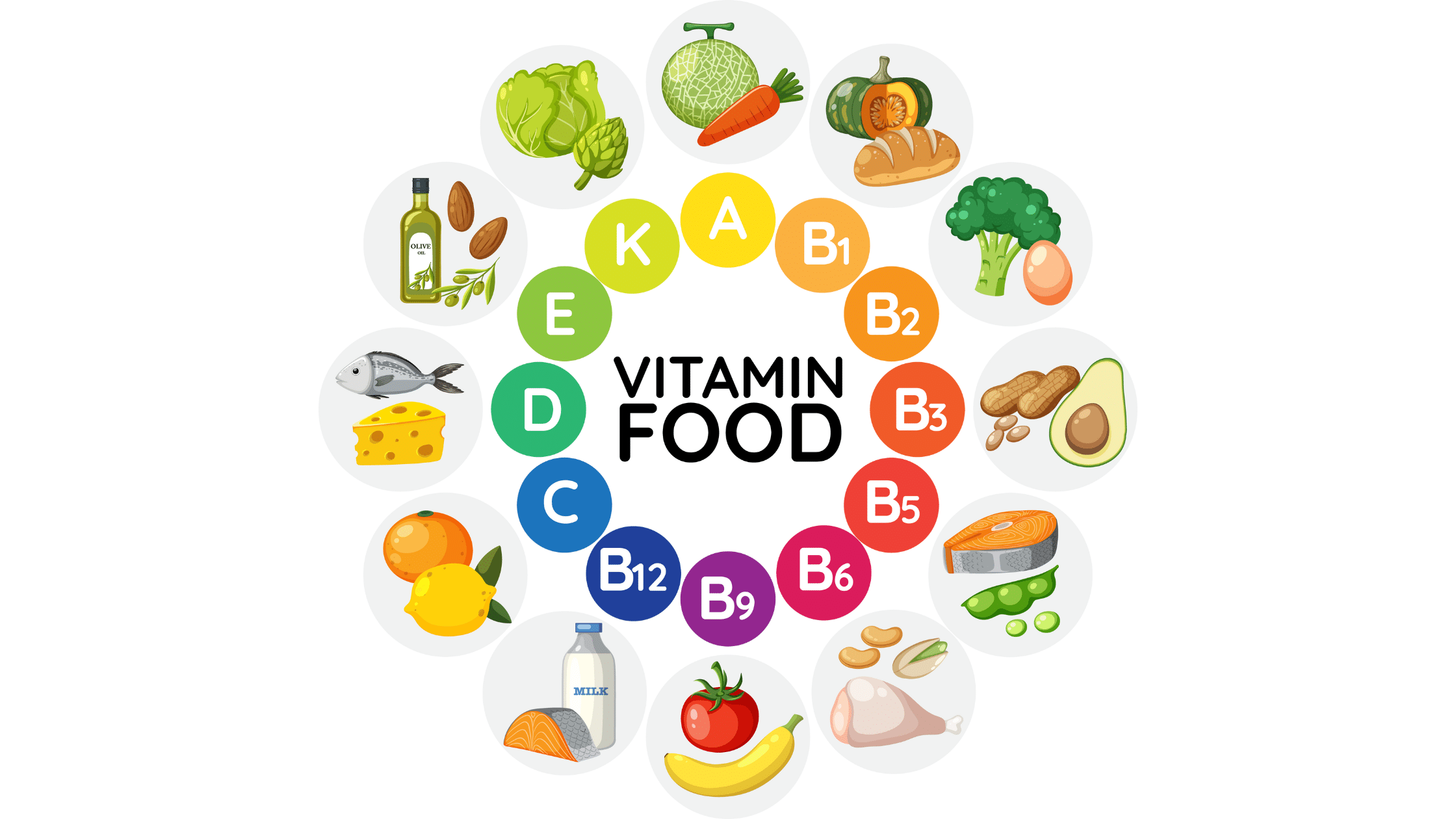
Kombucha is also known for its nutrient content, particularly B vitamins. These vitamins are crucial for energy production, supporting metabolism, and even aiding your body through stress. If you’ve been feeling fatigued, irritable, or run-down, the kombucha craving could reflect a more profound need for nutrients like B vitamins. Your body might naturally steer you toward something that feels revitalizing and satisfying.
Signs of a vitamin B deficiency can include low energy levels, trouble concentrating, or heightened stress responses. Kombucha’s natural fermentation process promotes the development of these vitamins, offering a gentle boost. Evaluating your diet is worthwhile if you’re instinctively longing for kombucha’s energizing effects. Are you eating nutrient-dense whole foods, or could your nutrition use some support?
Journaling Prompt: “Am I feeling unusually tired or stressed? What does my diet look like—am I eating enough nutrient-dense, whole foods?”
Tip: Keep a food journal to track your intake of energy-boosting nutrients and experiment with incorporating other B-vitamin-rich options like leafy greens, eggs, or whole grains.
Reason #3. Lifestyle and Stress Relief

Kombucha often becomes a go-to comfort drink for those seeking a healthier alternative to sodas, caffeinated beverages, or wine. Its fizzy, crisp taste can feel indulgent without guilt, making it an ideal choice during stressful moments. If you’re reaching for kombucha after a hectic day or as a midday treat, this craving could be tied to your need for self-care and stress relief.
For many, kombucha becomes part of a calming ritual. Think of it as a healthier “reward” for overcoming challenging moments—it satisfies cravings without sending you into a sugar spiral. These patterns can also highlight how emotional eating habits extend beyond food to drinks that comfort us. Why not lean into this as a wellness tool? If kombucha helps you feel grounded, enjoy the ritual while exploring other stress-management practices.
Journaling Prompt: “What emotions trigger my cravings for kombucha? Does it feel like a reward or a calming ritual at the end of a long day?”
Tip: Reflect on your stress patterns and create a list of alternative soothing activities, like deep breathing, walking, or yoga, that can also serve as moments of self-care.
Reason #4. Taste Preferences & Habit
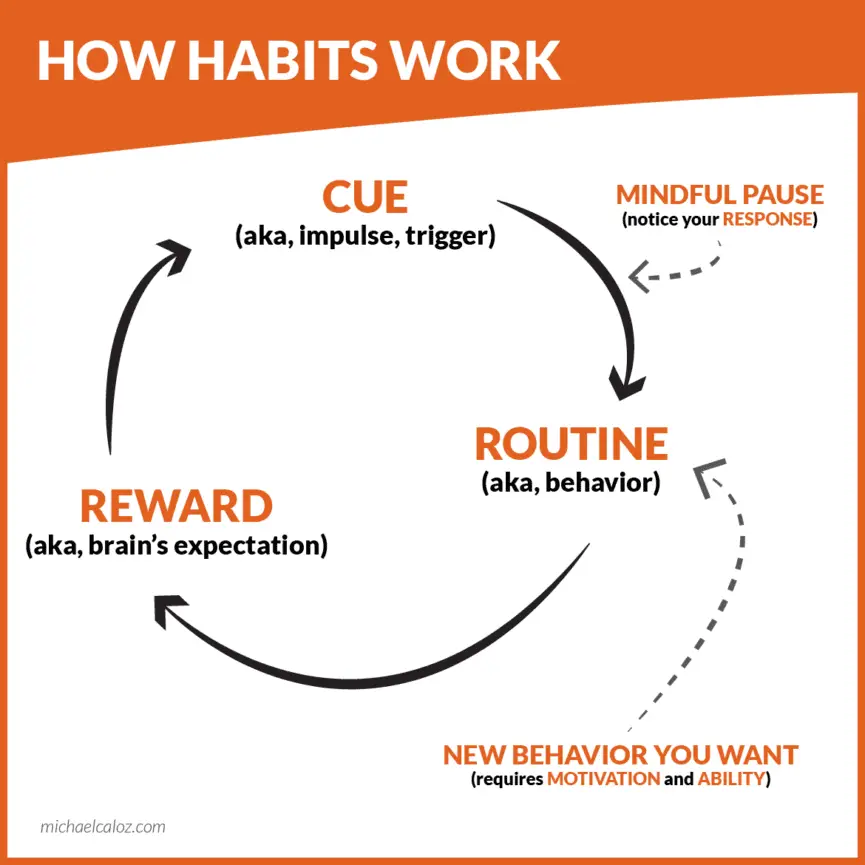
Finally, kombucha’s distinctive flavor could be what your taste buds love. Its tangy, slightly sweet, and fizzy profile is unlike anything else—and our taste preferences often shape our cravings. It may not solely be about probiotics or nutrients but instead about how kombucha has earned a place in your daily routine.
If you’ve developed a habit of enjoying kombucha as a pick-me-up during work breaks or with meals, it’s no surprise your brain begins to associate those situations with its unique taste. This craving might symbolize comfort or familiarity, as your body has come to expect that bubbly goodness regularly.
Journaling Prompt: “Am I craving kombucha for its taste, or is it tied to a specific habit or situation, like pairing it with lunch or as an energy boost during my work break?”
Tip: Use a journal to track when and where cravings happen. This can help you differentiate between taste-driven routines and cravings tied to emotional or physical cues.
When Cravings Signal More
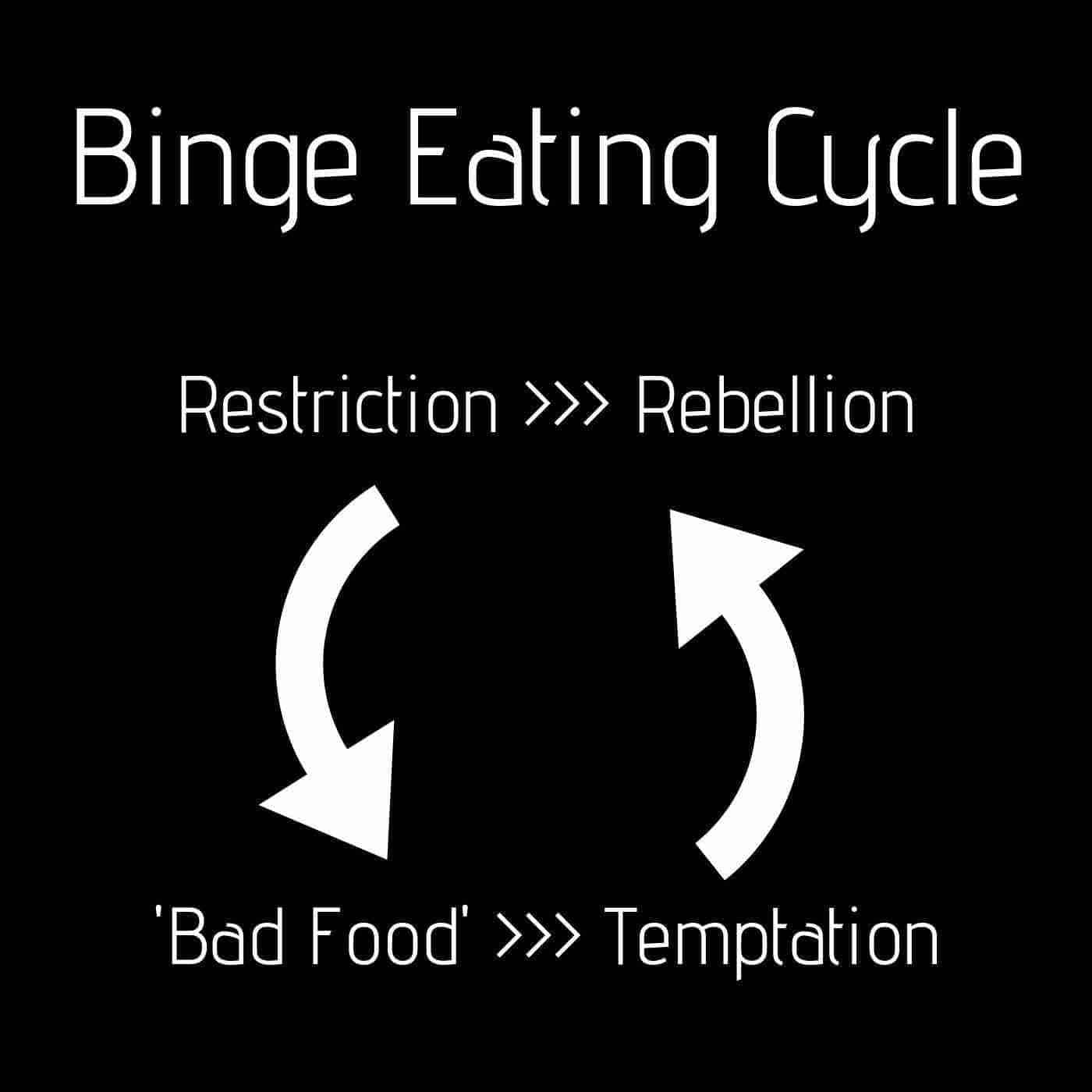
Cravings, like your pull toward kombucha, can reveal more than just a preference—they may point to patterns like stress-driven eating or the binge diet cycle. This cycle often begins with a restrictive phase, where limiting foods triggers intense cravings. Eventually, this leads to the binge phase, where overindulgence feeds guilt and renews the cycle.
Addressing cravings with compassion is key, and the Eating Enlightenment philosophy offers a supportive, structured approach to help you break free.
- Nutritional Journaling helps you uncover gaps in your diet and irregular eating patterns. Prompt: “Am I eating balanced meals to meet my body’s needs?”
- Mindfulness of Triggers encourages tracking mood and events tied to cravings and building awareness of stress or emotional patterns. Prompt: “What emotions or situations arise when I crave kombucha?”
- Inner Work and Healing Trauma explore deeper connections to cravings, revealing emotional or subconscious influences. Prompt: “What does kombucha represent for me emotionally—comfort, rebellion, or joy?”
Conclusion:

By reflecting on your cravings, you transform them into tools for self-growth, nurturing a deeper understanding of your habits and inner world.
Cravings are often more than meets the eye—they can serve as a gentle nudge from your body, signaling deeper needs.
Whether for kombucha’s gut-healthy probiotics, energizing B vitamins, refreshing contribution to stress relief, or simply its distinctive tang that captures your taste buds, these cravings hold valuable insights.
By understanding the “why” behind your kombucha cravings, you unlock a greater awareness of your body’s needs and can better support a balanced, healthier lifestyle.
Now, have you paused to reflect on your cravings? What might they be trying to tell you about your diet, emotions, or routines? You can take these reflections further with the free Eating Enlightenment Journal App.
Discover patterns, track cravings, and decode your body’s signals—all in a nonjudgmental space that supports your personal wellness goals.
Download the Eating Enlightenment Journal App today and begin your self-discovery. Whether aiming for better gut health, more mindful eating habits, or a deeper connection with your body, this simple tool can guide you every step.
After all, every craving is a chance to learn—and every sip of kombucha might be a step toward understanding yourself better. Are you ready to take that step?