


Have you ever been stopped by an overwhelming desire for a kiwi’s tangy, juicy sweetness? It might surprise you that this small, furry fruit—once nicknamed the “Chinese gooseberry”—packs a punch of flavor and nutrition strong enough to earn it a special spot in your cravings. But what if this isn’t just a random yearning?
Cravings, especially for distinct and nutrient-rich foods like kiwi, often carry hidden messages from your body and mind. They might hint at nutritional gaps, emotional responses, or habits your body has latched onto. The more we understand these cravings, the better we can care for ourselves—physically and emotionally.
Are you ready to decode the allure of kiwis? Together, we’ll uncover five fascinating reasons you can’t get them off your mind.
From what your body might be telling you about its health needs to the emotional tug that certain foods have on us, this deep dive into kiwi cravings promises insights that could transform how you think about your diet and health.
Reason#1. Nutritional Deficiencies: Your Body’s SOS
Kiwis are power-packed with essential nutrients that your body relies on daily. They’re an excellent source of vitamin C, which supports your immune system, promotes glowing skin, and aids in tissue repair. Add potassium, which regulates blood pressure, and dietary fiber, which supports gut health, and you’ve got a near-perfect snack. If you’re craving kiwi, your body might nudge you to fill a gap in these vital areas. For instance, a sudden desire for kiwi could mean your immune system needs a boost, or your digestion could need a little support.
The Eating Enlightenment approach encourages you to journal your food choices to discover patterns in your nutrition. Reflect on your most recent meals and ask yourself, “Am I getting enough fruits and vegetables?” Tracking your intake can help identify if your cravings correlate with a lack of certain nutrients. Next time, honor your body’s call by incorporating kiwi into your snack routine—a sliced kiwi with Greek yogurt or blended into a smoothie can beautifully balance your plate.
Reason#2. Health Benefits of Kiwi: A Natural Superfood

Beyond its rich nutrition, kiwi is a true superfruit in terms of health benefits. Its fiber content and unique enzyme, actinidin, work together to improve digestion and support your gut health. If you’ve eaten a heavy protein-rich meal, kiwis can help your body break it down more efficiently. Also, Kiwis have a low glycemic index, meaning they help maintain stable blood sugar levels, which is perfect for mid-afternoon snacking.
Consider practicing mindfulness with your next Kiwi craving. Taste each bite, paying attention to the textures and how your body responds. Afterward, write a journal entry. Did that kiwi improve your energy levels or help digestion? Use your reflections to understand better how food supports physical health. Eating Enlightenment emphasizes turning even a simple moment like eating kiwi into an opportunity for a mindful connection with your body.
Reason#3. Psychological Factors: The Comfort of Sweet and Tangy
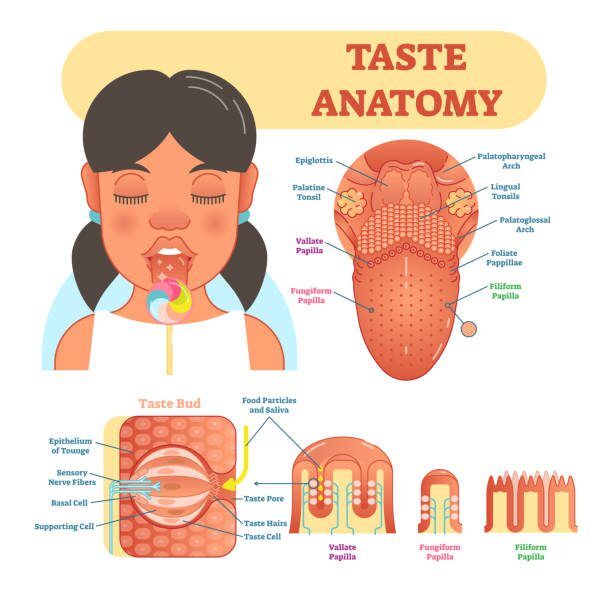
Cravings are often emotionally driven, especially for something as sweet and tangy as kiwi. The refreshing flavor may bring back warm childhood memories, like a summer picnic, or provide comfort during a stressful day. Studies indicate that stress or boredom can trigger cravings for specific foods, as the mind seeks out tastes that soothe.
Journaling can uncover the emotional roots of your cravings. When the urge to eat kiwi arises, pause and ask yourself, “What am I feeling right now?” Are you stressed, looking for comfort, or just needing something uplifting? Sometimes, choosing an action that better meets your needs takes a moment of recognition. Whether savoring your kiwi or finding a different activity that brings joy, this process can be essential in aligning with your emotions rather than reacting to them.
Reason#4. Seasonal Availability: Freshness Matters

Kiwis are typically at their peak freshness during certain seasons, and fresh produce often inspires cravings. Your body might instinctively know when an abundance of ripe kiwi is available, which drives you to enjoy it while it’s naturally at its best. Environmental factors can also influence seasonal cravings—on a cold, gray day, the sunny vibrance of a fresh kiwi can instantly brighten the mood.
Take this opportunity to pay attention to the rhythms of the seasons and your environment. Do your kiwi cravings increase as the fruit becomes more available? Start a journal entry noting the time of year and how accessible or appealing fresh produce feels to you. And remember, seasonal eating is an incredibly mindful way to connect with the earth and its cycles while packing freshness and nutrients into your meals.
Reason#5. Unique Personal Associations

Sometimes, a craving is much more personal. Maybe Kiwi reminds you of a tropical vacation or the fun indulgence of making fruit salads as a kid. Positive associations can create lasting emotional links to food and prompt your body to seek them out when you crave that feeling again.
Think about the last time you enjoyed a kiwi. Were you with friends, at a party, or celebrating something? Use your journal to write about your earliest memories of eating kiwi and how it makes you feel. This can help you understand and honor the emotional roots of your craving. Not only does journaling deepen your self-awareness, but it also allows you to reconnect with pleasant experiences through food.
5 Myths About Kiwi Cravings — Debunked

- Myth: Craving kiwi means you’re deficient in vitamin C.
Fact: While kiwis are rich in vitamin C, other factors like their unique flavor or hydration content could also trigger cravings. Your body may enjoy the refreshing combination of [vitamin C] and fiber-packed goodness rather than signaling a nutritional gap. - Myth: Cravings for kiwi occur only because it’s a low-calorie fruit.
Fact: Though kiwis are low in calories, they also provide significant [health benefits], like aiding digestion with the actinidin enzyme. Cravings might reflect your body’s need for digestive support rather than calorie concerns. - Myth: Kiwi cravings result from sugar addiction.
Kiwis contain natural sugars but have a low glycemic index, meaning they cause minimal blood sugar spikes. People’s cravings for kiwis may stem from their balance of sweetness and nutrients. They offer a healthier alternative to processed sugary options. - Myth: Only people sensitive to sweets crave kiwis.
Fact: Kiwi cravings can be about more than taste. Packed with [nutrients] like potassium and antioxidants, these cravings could hint at your body’s need for recovery support post-workout or after stressful days. - Myth: Craving kiwi is always linked to physical hunger.
Fact: Psychological cues or emotional states can play a huge role. The vibrant color and tangy-sweet flavor of kiwi may evoke positive memories or provide comfort during stressful times, making cravings more emotional than physical.
Cravings and the Binge-Diet Cycle
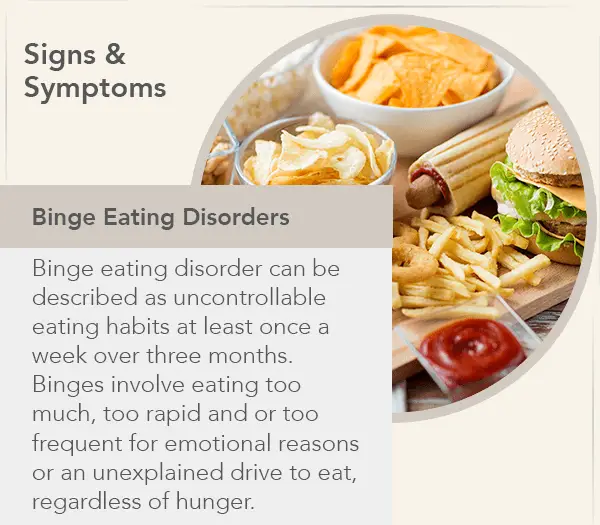
Cravings can be more than just a fleeting desire for food—they may point to deeper issues like binge eating disorders. Often part of the binge-diet cycle, cravings begin with restriction. Overly rigid dieting deprives your body, eventually triggering intense cravings that lead to overeating. This is followed by guilt and a renewed attempt to restrict, making the cycle difficult to break.
The Eating Enlightenment Approach offers a clear way forward:
- Nutritional Journaling: Track your meals to ensure balance and avoid deprivation.
- Mindfulness of Triggers: Use journaling to identify emotional or situational triggers for cravings.
- Inner Healing: Reflect on past traumas and patterns to break free from the cycle.
You can create a healthier relationship with food and yourself by addressing physical and emotional needs.
Conclusion: Listen to Your Cravings

Craving kiwi isn’t just about the fruit—it’s a window into your body’s needs and emotions. By journaling and practicing mindfulness, you can turn these cravings into opportunities for growth and self-care. Ready to dive deeper? Start your journey with the Eating Enlightenment Journal App and transform your relationship with food today.