

Olive oil is often called liquid gold for good reason. This versatile oil is a staple in Mediterranean diets and a powerhouse of health benefits.
It’s packed with heart-healthy monounsaturated fats and antioxidants, making it a go-to choice for those seeking a healthier lifestyle.
But what if the golden elixir is causing you stomach pain? While olive oil is celebrated for its health perks, some people experience digestive discomfort after consuming it.
This blog aims to unravel the mystery behind olive oil and stomach pain. We’ll explore its benefits, common perceptions, scientific studies, expert insights, and practical tips for using olive oil without the pain.
A Staple in Balanced Diets
Incorporating olive oil into your diet offers numerous benefits. It’s rich in vitamins E and K and contains powerful antioxidants like oleocanthal.
These components help fight inflammation, reduce the risk of chronic diseases, and support heart health.
However, every individual is unique. While olive oil can be a boon for many, it may cause digestive issues for some. The key is understanding how to reap its benefits without the unwanted side effects.
Perceptions of Olive Oil and Stomach Pain
A Common Misconception
Many people believe that olive oil is universally gentle on the stomach. This perception stems from its wide use in healthy diets and anti-inflammatory properties. However, this is only sometimes the case.
The Reality of Digestive Discomfort
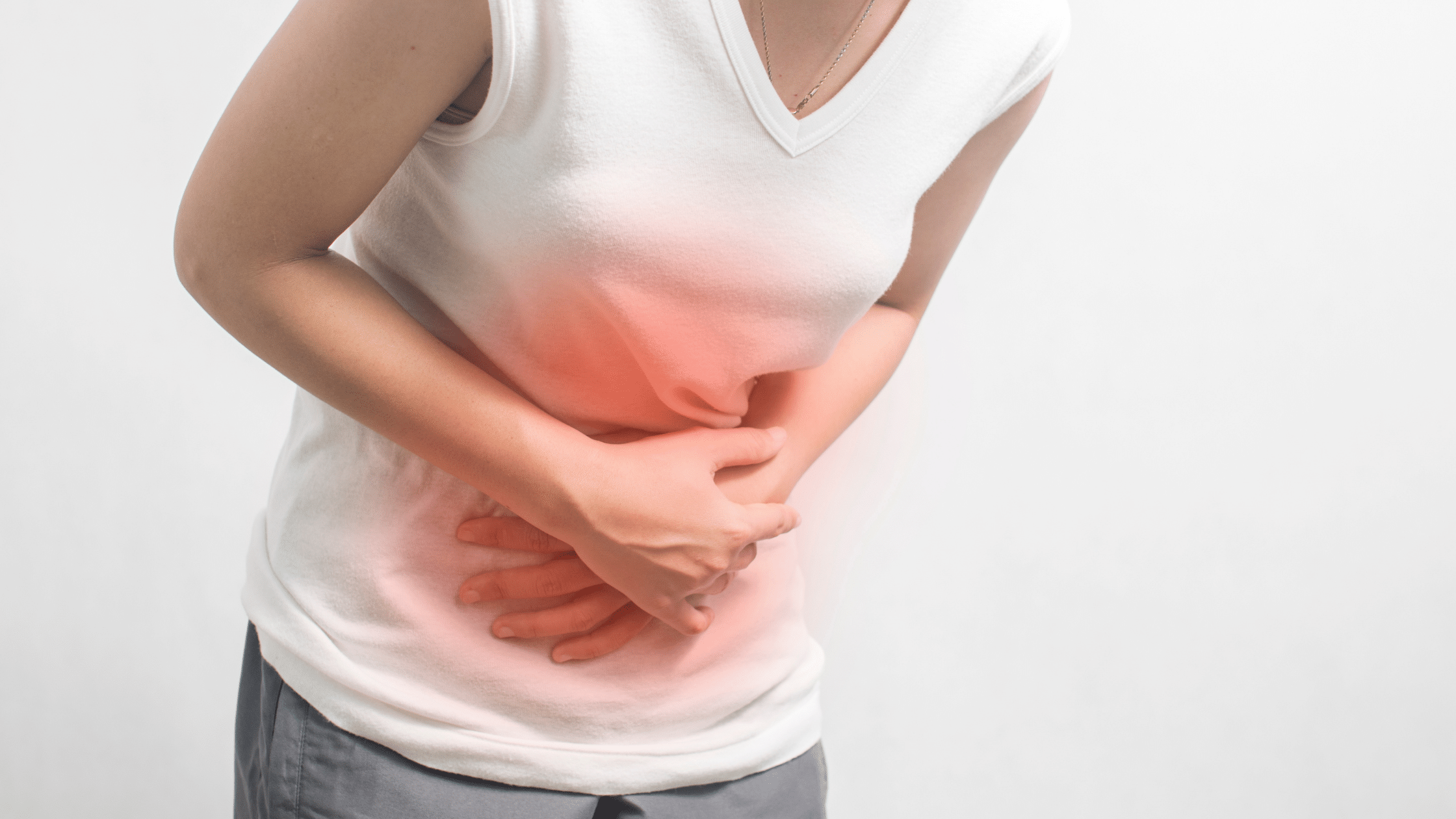
For some, olive oil can cause stomach pain, bloating, or diarrhea.
This can be confusing and frustrating for those who want to enjoy its benefits. Understanding why this happens is the first step towards finding a solution.
Individual Sensitivities
Everyone reacts differently to various foods, including olive oil. While some may experience no issues, others might find that even a small amount triggers discomfort. This doesn’t mean you must give up olive oil entirely; it just means you must approach it mindfully.
Scientific Studies on Olive Oil and Digestion
The Digestive Process
Knowing how olive oil affects digestion is essential to understanding why it might cause stomach pain.
Olive oil stimulates bile production, which is necessary for fat digestion. However, this increased bile production can lead to digestive discomfort in some individuals.
Research Findings
Several studies have investigated the impact of olive oil on the digestive system. Some research suggests that while olive oil is generally beneficial, its high-fat content can be a trigger for those with sensitive stomachs or certain gastrointestinal conditions.
The Role of Quality
One crucial factor that often comes into play is the quality of the olive oil. Low-quality, adulterated olive oils can contain impurities that may irritate the stomach. Therefore, opting for high-quality, extra virgin olive oil is essential for minimizing potential issues.
Expert Insights for Safe Consumption

Listen to Your Body
Nutrition experts agree that the best way to incorporate olive oil into your diet is by listening to your body.
After consuming it, please pay attention to how you feel and adjust your intake accordingly. If you experience discomfort, try reducing the amount or switching to a different brand.
Start Small
If you’re new to olive oil or have experienced issues in the past, start with small quantities. Gradually increase your intake as your body adjusts. This can help minimize the risk of digestive discomfort.
Pair with Other Foods
Olive oil is best consumed with other foods. Drizzle it over salads, mix it into dips, or use it as a finishing touch on cooked dishes. Combining olive oil with different ingredients can help your stomach process it more efficiently and reduce the likelihood of pain.
Practical Tips for Choosing High-Quality Olive Oil
Look for Extra Virgin
Always choose extra virgin olive oil. This type is the least processed and retains the most nutrients and antioxidants. It’s also less likely to contain impurities that could cause stomach irritation.
Check the Label
Read labels carefully. Look for quality indicators like certifications, harvest dates, and the country of origin. Avoid olive oils that list vegetable oils or other additives as ingredients.
Store Properly
Proper storage is crucial for maintaining the quality of olive oil. Please keep it in a cool, dark place, away from heat and light. This helps preserve its beneficial properties and prevents it from going rancid, which can cause digestive issues.
Know Your Source
Whenever possible, buy olive oil from reputable sources. Look for brands that provide transparency about their production processes. Local farmers’ markets or specialized food stores often carry high-quality options.
Can olive oil cause stomach problems?
Olive oil is generally gentle on the stomach and can even support digestive health.
However, some people might experience mild discomfort or diarrhea if consumed in large amounts. It’s always best to introduce it gradually and observe how your body responds.
Does olive oil improve or worsen gastritis?
Olive oil’s anti-inflammatory properties can soothe gastritis and help reduce irritation in the stomach lining. However, individual reactions vary, so it’s wise to start with small amounts and see how your body responds.
What adverse effects might olive oil consumption cause?
- Digestive Discomfort: Some individuals may experience mild stomach upset or diarrhea when consuming large amounts of olive oil.
- Allergic Reactions: Although rare, some people might be allergic to olive oil, leading to skin rashes or respiratory issues.
- Weight Gain: Olive oil is calorie-dense, so excessive use can contribute to weight gain if not balanced within a diet.
- Blood Sugar Levels: While generally safe, high doses might affect blood sugar regulation in people with diabetes.
Is olive oil beneficial for bloating?
Yes, olive oil can benefit from bloating due to its gentle effect on digestion. It helps promote smoother digestion and reduce inflammation. Including a small amount in your diet may support a more comfortable digestive experience.
Conclusion
Olive oil is valuable to a balanced diet, offering numerous health benefits. However, it’s essential to be mindful of how it affects your digestive system.
By understanding the potential causes of stomach pain, listening to your body, and choosing high-quality olive oil, you can enjoy its perks without the discomfort.
Remember, everyone’s digestive system is unique. What works for one person may only work for one person. The key is to approach your health holistically, considering all aspects of your well-being.