


When did you last feel sniffly, achy, and out of sorts, only to find yourself craving something indulgent? Maybe it was a warm, greasy slice of pizza or an extra-large scoop of ice cream. It’s almost as if the moment you feel sick, your body whispers—no, shouts—for junk food. Sound familiar?
You’re not alone. Craving comfort food when under the weather is incredibly common, but what’s behind it? Is it your taste buds looking for joy in a bowl of mac and cheese, or is something deeper going on inside your body? Surprisingly, science and psychology both have much to say about this phenomenon.
This post will explain why these cravings appear when you’re sick. From the intricate demands of your immune system to the reassuring pull of emotional comfort, you may find connections to how your mind and body work together (or against you). Along the way, I’ll offer some simple but powerful journaling prompts inspired by the Eating Enlightenment philosophy to help you unravel the “why” behind your cravings.

Here’s the thing—understanding these cravings is not about fighting them but learning from them. It’s about deciding when to lean into that salty chip for comfort and when to see your craving as a helpful signal from your body or emotions. By the end of this article, you’ll have a clearer picture of what your cravings are trying to tell you and practical ways to find balance and care for yourself in a way that truly nourishes you.
Grab your journal and get cozy. Let’s explore why you crave junk food when you are sick.
#1 Comfort Food and Emotional Reassurance
When you’re sick, it’s natural to feel vulnerable. The sniffles, aches, or general “blah” feeling can leave you craving a sense of emotional security. For many, comfort foods like chicken noodle soup, mac, cheese, or chocolate ice cream stir warm memories of home, care, or childhood—times when everything felt safe and cozy.
This connection between food and comfort is rooted in our brain’s emotional wiring. Craving comfort foods isn’t always about hunger but more about seeking emotional reassurance. By journaling on these cravings, you can draw a more explicit link between your emotions and food choices.
Journaling Prompt: What comfort foods do you crave when you’re not feeling well? Why do you think these foods feel emotionally soothing to you?
Insight: Seeing these patterns can help you decide when it’s worth indulging in soothing your spirit and when there are other, healthier ways to find that comfort—like wrapping yourself in a warm blanket or calling a loved one.
#2 Loss of Appetite for Complex Flavors
Have you noticed that when you’re sick, the thought of eating a balanced meal feels exhausting? Complex flavors and textures can lose appeal, leaving simple, bold flavors—like salty fries or ice-cold sodas—as your go-to choices. Junk food is easy to eat, and its intense flavors awaken dulled taste buds when nothing else excites them.
But don’t worry; you’re not stuck with processed snacks forever. Simple, wholesome options like mashed potatoes, bananas, or toast with honey can provide similar palatability while nourishing your body.
Journaling Prompt: How does your appetite change when you’re sick? Do you enjoy junk food during this time, or does eating simply feel easy?
Practical Tip: Try meal-prepping mild but nutrient-rich comfort foods like oatmeal or yogurt bowls so you’re ready when the junk food craving strikes.
#3 The Role of Sugar in Temporary Energy Boosts
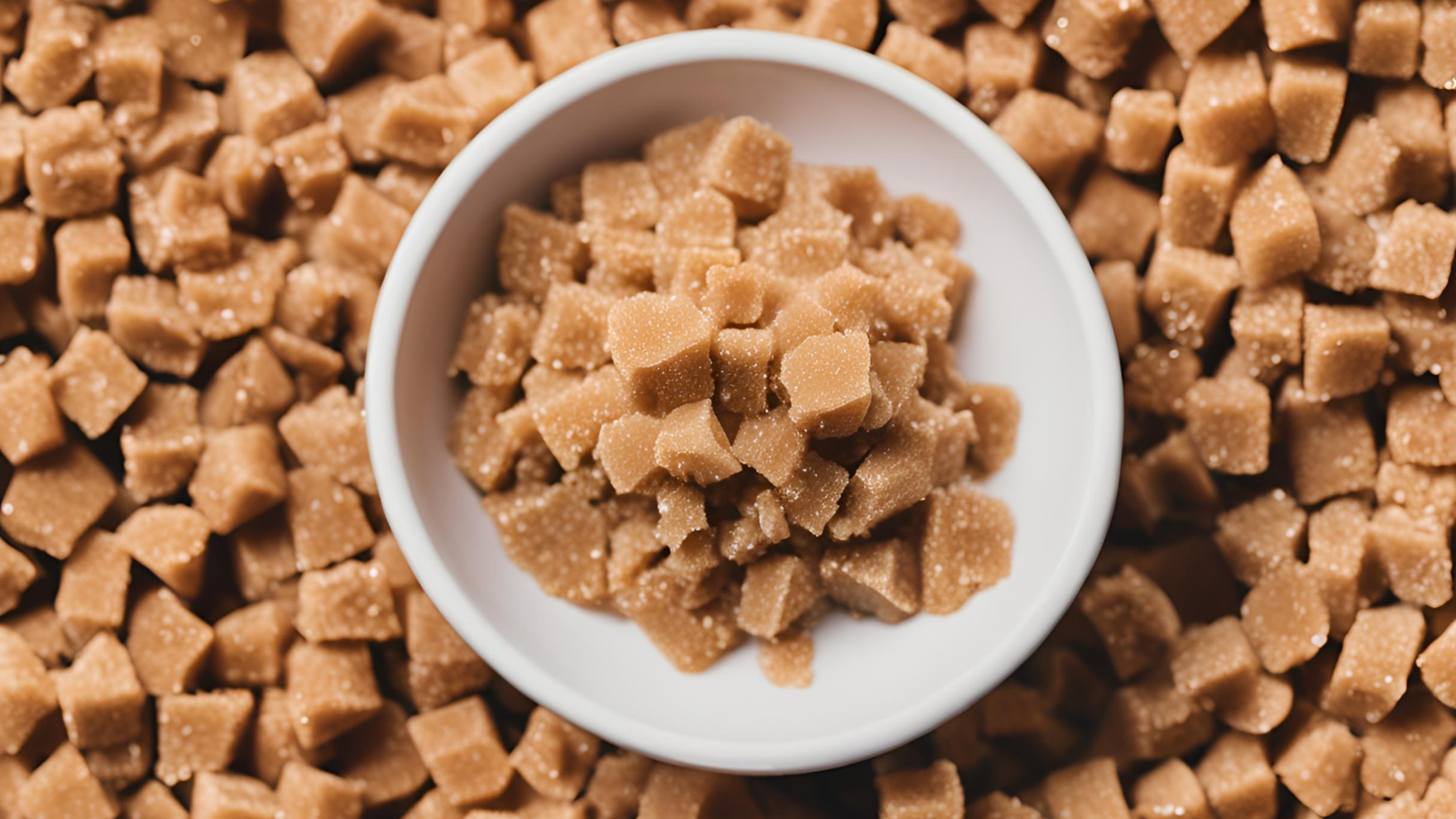
When you’re sick, energy levels tend to plummet. Feeling mentally foggy or physically drained can lead you to crave quick sugars—like doughnuts or cookies—to perk up. This is because your body associates sugar with fast, effortless energy, even if the benefits are short-lived.
However, most sugary snacks spike your blood sugar, only to drop it shortly after, leaving you feeling more tired than before. While sick, journaling your responses to sugary foods can help you identify if this pattern rings true.
Journaling Prompt: How often do you crave quick sugars when feeling sick or low-energy? After eating, do you feel better, worse, or the same?
Scientific Context: Incorporate complex carbohydrates or natural sweeteners, like fruit, to maintain steady energy. A slice of whole-grain toast with peanut butter and a drizzle of honey can hit that sweet craving without the crash.
#4 Emotional Coping Mechanism for Illness Frustration
Being sick can be more than a physical struggle—it’s also emotionally draining. Frustration over being stuck in bed, missing work, or canceling plans can easily lead to emotional eating. Food, exceedingly indulgent treats, can temporarily soothe these feelings by creating a small pocket of joy.
While allowing yourself some comfort is okay, you might also explore other emotional coping tools. A hot bath, a favorite movie, or mindfulness exercises can help you feel comforted without turning solely to food.
Journaling Prompt: How does being sick impact your mood or emotions? Do you use food to self-soothe? Is it effective?
Mindfulness Exercise: Write about non-food ways to comfort yourself and experiment with one or two alternatives the next time cravings hit during illness.
#5 Salt for Dehydration or Loss of Electrolytes

Have you ever had a fever or excessive sweating that left you craving salty snacks? This is your body’s way of screaming for electrolyte balance. Chips, pretzels, or instant noodles may feel tempting, but they’re not the only option to replenish salt and hydration.
Homemade soups, broths, or electrolyte-enhanced drinks can give you the necessary salt and minerals while adding fluid to hydrate your body. Simple choices like these can make a big difference in promoting recovery.
Journaling Prompt: What salty foods are you craving? Could this be connected to how much water or fluids you’ve had today?
Tip: Keep a thermos of chicken broth or vegetable soup nearby to satisfy those cravings in a nourishing way.
#6 Gut Microbiome Disruption
When illness or antibiotics disrupt your gut’s bacteria, you might find yourself craving heavily processed carbs and sugars. This happens because an imbalance in the gut can amplify your body’s call for quick-energy foods, which tend to be limited in nutrients.
Nurturing your gut during illness can shift these cravings over time. Consuming probiotics through yogurt, kefir, or fermented veggies like kimchi can help restore balance and reduce inflammation.
Journaling Prompt: Have you noticed more junk food cravings when on medication or after digestive issues? What foods soothe your gut versus trigger discomfort?
Scientific Note: Pair mindful snacking with gut-healing staples like plain yogurt drizzled with maple syrup to satisfy sweet cravings while supporting your health.
#7 Dopamine from High-Palatable Foods
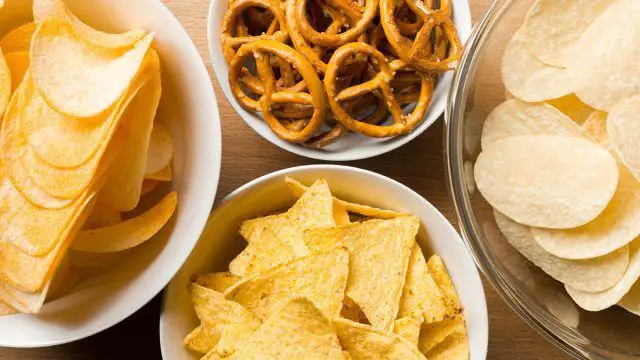
Junk food is designed to be addictive. Its combination of salt, sugar, and fat triggers dopamine in the brain, giving you a rush of satisfaction and enjoyment. When you’re unwell and emotionally drained, this can feel incredibly irresistible.
Balancing indulgence with intention can help you enjoy these moments while keeping your health in mind. A small piece of dark chocolate or fruit paired with nut butter can create that same dopamine hit more healthily.
Journaling Prompt: How do you feel emotionally after eating junk food? Does it meet your expectations or leave you wanting more?
Practical Suggestion: Treat yourself occasionally, but explore healthy picks you enjoy too, like chilled watermelon or baked sweet potato fries.
#8 Habitual Patterns During Illness
Finally, think back to your childhood. Did your parents or caregivers bring you special treats when you were sick? For many, being ill meant extra affection and indulgence, which can create an ingrained association between sickness and foods like popsicles or fast food.
Breaking this habit doesn’t mean depriving yourself. It means shifting that association to equally nurturing options, like making a smoothie or enjoying herbal tea for comfort.
Journaling Prompt: Reflect on your past experiences. What role has food played when you were sick in the past? Are your cravings linked to habits you’ve formed?
Self-Reflection: Try creating new traditions for illness days, like lighting a candle, curling up with a warm blanket, and sipping something restorative.
Debunking 7 Common Myths About Cravings for Junk Food

Myth 1: Cravings Only Happen When You’re Hungry
Truth: Cravings often stem from emotions, habits, or hormonal shifts, not just hunger. You may crave chips when stressed or chocolate when sad, even if you’re not physically hungry.
Tip: Pause and reflect—are you tired, bored, or stressed? Journaling can help uncover patterns.
Myth 2: Cravings Mean You Have No Willpower
Truth: Cravings are biological, not a sign of weakness. High-calorie foods appeal during stress or fatigue because your brain links them to quick energy—a survival response.
Tip: Reframe cravings as natural signals. Swap pizza or donuts with filling, balanced alternatives like sweet potatoes or trail mix.
Myth 3: Specific Cravings Mean Your Body Needs That Food
Truth: Craving ice cream doesn’t equal needing it—your body often asks for energy or comfort. Salty cravings may hint at dehydration, not sodium.
Tip: Hydrate first or snack on balanced options like Greek yogurt with fruit before indulging.
Myth 4: Giving Into Cravings Is Always Bad
Truth: Mindful indulgence helps prevent over-restriction and binging later. Enjoying a small amount of chocolate avoids prolonged obsession and guilt.
Tip: Savor indulgent foods mindfully and stop when satisfied.
Myth 5: All Cravings Are Psychological
Truth: Cravings can be physiological, triggered by hormones or lack of sleep. For example, serotonin dips during menstruation often spark chocolate cravings.
Tip: Balance your nutrition, prioritize sleep, and lower stress to reduce these cravings.
Myth 6: Junk Food Is More Addictive Than Healthy Food
Truth: It’s the mix of sugar, fat, and salt that makes hyper-palatable foods like chips irresistible, not the “junk” label itself.
Tip: Combine healthy foods with enjoyable flavors. Try apple slices with almond butter to mimic the reward factor.
Myth 7: Avoiding Junk Food Stops Cravings Entirely
Truth: Total restriction increases desire. Labeling foods as “bad” makes them more tempting and harder to resist.
Tip: Allow moderation. Pair a small treat, like cookies, with a nutritious meal to maintain balance.
Cravings and the Binge-Diet Cycle

Have you found yourself endlessly repeating the dieting pattern and then overturning it with indulgence, vowing to “do better” but slipping back again? This is called the binge-diet cycle, and it’s a loop many struggle with when cravings interfere with their relationship to food. Rather than being about willpower, it’s often a response to restriction and emotional triggers needing attention.
The Nature of the Binge-Diet Cycle
It often starts with restrictive diets—cutting calories too low or imposing rules around “bad” foods. This deprivation creates a build-up of hunger and emotional tension. Eventually, the need for fuel, comfort, or relief breaks through, leading to a binge, where significant quantities of food are gobbled and with a sense of lost control.
The aftermath? Guilt and shame, followed by a determination to “fix” things through more restriction. This sets the cycle in motion again, gradually eroding well-being and self-trust. On top of this, the brain’s reward system reinforces cravings, with high-sugar or fat foods offering fleeting emotional relief.
Understanding and Breaking the Cycle
The first step is to recognize that cravings are not a personal failure but signals. They may reflect unmet physical or emotional needs, promoting nourishment, self-care, or reducing stress.
The Eating Enlightenment Approach to Managing Cravings
The Eating Enlightenment philosophy offers a three-step approach to move beyond this cycle toward a healthier relationship with food:
Step 1: Build a Nutritional Foundation
Focus on eating balanced meals regularly to meet your energy needs. Food journaling can help identify patterns and ensure hunger doesn’t drive bingeing.
Journaling Prompt: When and what did I last eat? Am I nourishing my hunger needs?
Step 2: Practice Mindfulness of Triggers
When cravings arise, pause and reflect. Are you stressed, bored, or physically uncomfortable? Instead of judging yourself, explore these reactions thoughtfully.
Journaling Prompt: How do I feel emotionally and physically? Is my craving tied to discomfort in my body or emotions?
Step 3: Heal Deeper Wounds
Unresolved emotional pain often underpins these behaviors. Journaling can be a safe way to explore inner narratives, like perfectionism or rebellion, driving cravings.
Journaling Prompt: What is this craving telling me? What emotions or stories emerge when I reflect deeper?
Moving Toward Peace with Food
Breaking this cycle requires self-compassion and small, consistent steps. You can shift toward balance and trust with food by caring for your body, pausing to understand your triggers, and reflecting on deeper wounds.
Practical Tips for Managing Cravings
When illness strikes, our bodies and minds often seek comfort and quick relief, which can lead to cravings for junk food. From the emotional pull of nostalgic comfort foods to the physiological need for quick energy, understanding the reasons behind these cravings can empower you to make choices that nourish you. While indulging occasionally can provide comfort, reflecting on your eating patterns and exploring healthier alternatives could make all the difference in how quickly you recover and how strong you feel along the way.
Your cravings hold valuable insights—they’re not just about food but about what your body and mind might ask for in times of stress. This is where the Eating Enlightenment Journal App becomes an invaluable tool. With its user-friendly features, the app helps you track cravings, uncover their emotions or triggers, and guide you towards thoughtful food choices, even when you’re not feeling your best. Imagine connecting the dots, reflecting, and creating a healthier relationship with your cravings.
Don’t wait for another sick day to take action. Download the Eating Enlightenment Journal App today and start transforming how you respond to your body’s signals. Empower yourself to make informed, compassionate decisions and take one step closer to better health and well-being—even under the weather!