


Have you ever found yourself suddenly craving Gatorade and pausing to wonder, Why this? Why now? What’s going on in your body that makes Gatorade, of all things, seem like the answer? These cravings can feel specific and almost urgent, leaving us curious about what’s happening inside us.
Cravings are like little messages from your body, mind, or emotions—signals that something might be out of balance. Maybe you recently had a challenging workout, or perhaps it’s been a hot day, and your body is screaming for hydration. These signals often point to needs, whether they’re physical (like thirst or nutrient shortages), emotional (like stress or comfort), or even habitual (like memories tied to certain drinks).
Understanding what’s behind your cravings can help you connect more deeply with your body and maintain a greater sense of balance in your health. When you listen to these signals without judgment, they hold key insights into your body’s needs.
Journaling is a great way to tap into this understanding. By writing down what you’re eating, how you’re feeling, and what’s happening around your cravings, you can build a clearer picture of what’s going on. Journaling helps uncover the patterns and triggers behind those moments when Gatorade or any other food or drink calls your name.
That’s where the Eating Enlightenment approach comes in. It blends nutritional wisdom, mindfulness, and emotional awareness to help you get to the root of your cravings.
Through mindful journaling and self-discovery, you can develop a relationship with your body that feels more intuitive and nourishing—and find healthier ways to meet its needs.
Are you curious about what your Gatorade cravings might reveal? We’ll explore nine possible reasons and offer practical advice to help you decode these messages and better care for your amazing body.
Why Am I Craving Gatorade? 9 Possible Reasons
1. Dehydration

One of the most apparent reasons for craving Gatorade is dehydration. When you’re low on fluids, your body signals for something hydrating—and Gatorade feels like a quick fix with its electrolyte-rich formula. Dehydration can sneak up on you after spending time in the heat, exercising, or simply not drinking enough water throughout the day.
Instead of relying solely on Gatorade, consider starting with good old water. If plain water doesn’t cut it, you can add slices of cucumber or lemon for flavor. Keep track of how much water you’re drinking using a journal.
Journaling prompt: “When I’m craving Gatorade, how much water have I had today? Did I spend time in the sun or sweat excessively?”
2. Electrolyte Imbalance
Electrolytes like sodium, potassium, and magnesium are vital for muscle and nerve function. Sweaty workouts or illness can cause an imbalance, leaving you feeling depleted. Gatorade’s reputation as an electrolyte drink can make it an appealing option, but regular meals with balanced nutrition often replenish these minerals just as effectively.
Foods like bananas for potassium, spinach for magnesium, and a pinch of salt in your water can help restore balance naturally. Stay attuned to your body’s signals—fatigue, muscle cramps, and lightheadedness might be signs you need electrolytes.
Journaling prompt: “What am I feeling in my body when this craving arises? Fatigue? Muscle cramps? Is there something else I need besides Gatorade?”
3. Recent Physical Activity
Did your craving for Gatorade hit after a workout? Intense exercise depletes fluids and electrolytes and burns through glycogen, your body’s primary energy source. Gatorade can seem like an ideal solution with its mix of sugar and hydration.
However, unless you’ve just completed a long or vigorous workout, water paired with a piece of fruit or a handful of nuts can do the trick without loading you with unnecessary sugar.
Journaling prompt: “What activity did I do? How was I fueling my body before and after exercise?”
4. Low Blood Sugar
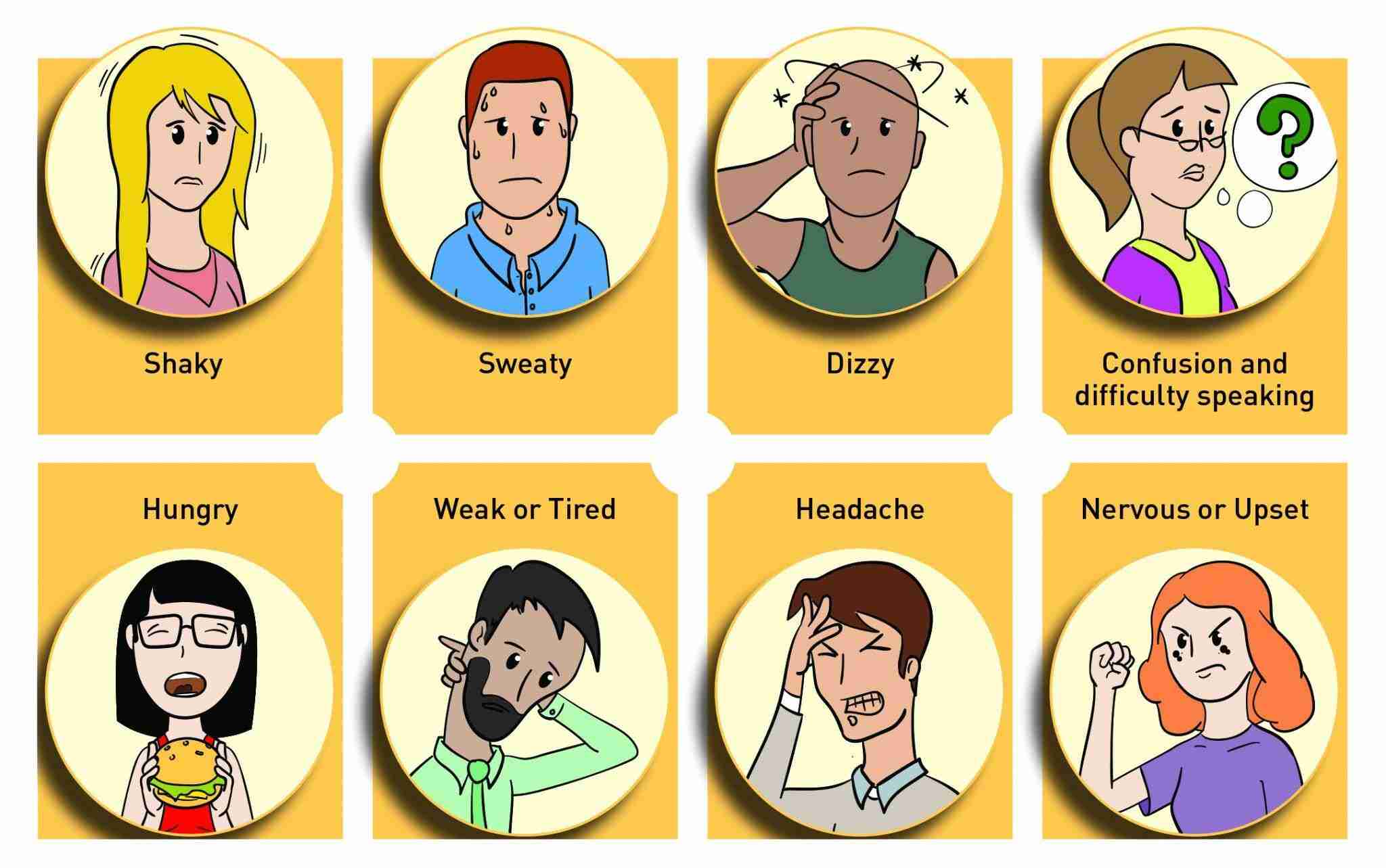
Your body loves quick energy, and a craving for Gatorade’s sugary content might be your body’s way of shouting out for help if your blood sugar is low. Skipping meals or eating erratically can lead to these dips, making sugary drinks incredibly tempting.
Take stock of your eating patterns. Are you consistently fueling throughout the day? Aim to include protein, fiber, and healthy fats in your meals to stabilize blood sugar levels. Journaling can help you track this over time.
Journaling prompt: “Was I skipping meals or snacks today? Could I plan my eating schedule better for the next few days?”
5. Stress Reactions

Have you noticed your cravings for Gatorade spike on particularly stressful days? When stressed, your cortisol levels rise, triggering cravings for sugar or salt as a quick route to comfort and energy.
Instead of reaching for Gatorade every time, pause and reflect. What’s truly driving this craving? Mindful journaling can help you identify stressors and turn toward stress-relief practices like breathing exercises or a mindful walk.
Journaling prompt: “What’s happening in my life right now? Am I experiencing stress or emotional triggers tied to this craving?”
6. Habit or Advertising Influence
Gatorade’s branding is powerful. Maybe it evokes memories of team sports, intense workouts, or the belief that it’s the ultimate recovery drink. Over time, habits and environment can shape automatic cravings that aren’t tied to one’s body’s needs.
Reflect on your eating and drinking patterns. Is reaching for Gatorade a ritual or habit rather than a necessity? Question your relationship with these choices to build self-awareness.
Journaling prompt: “When did I start grabbing for Gatorade? Is this a habit tied to a specific activity or emotion?”
7. Salt Deficiency or Craving

Sodium plays a critical role in hydration and fluid balance, and if you’re low in sodium, your body might push you toward salty drinks like Gatorade. This is common if you’ve overrestricted salt, followed specific diet trends, or sweated heavily.
Instead of relying on processed drinks, incorporate natural salty foods like olives or a small pinch of sea salt in your water. Your body needs salt—but in natural, moderate amounts.
Journaling prompt: “Am I cutting back on salt too much? Are other salty foods appealing to me right now?”
8. Dietary Deficiencies
Cravings are often our body’s attempt to fill nutritional gaps. Deficiencies in potassium, magnesium, or other minerals can mimic a craving for fortified drinks like Gatorade. While the drink can temporarily soothe these needs, it is not sustainable.
Consider adding whole, nutrient-dense foods to your meals. Bananas, nuts, seeds, and leafy greens can replenish these minerals over time. Writing down what you eat can help you spot patterns or gaps.
Journaling prompt: “Am I eating diverse fruits, vegetables, and proteins? What might my body be lacking today?”
9. Comfort and Emotional Association
Ever felt like grabbing Gatorade was about more than hydration? Maybe it relates to a comfort memory—like being handed a bottle after a game—or a familiar ritual. Emotional cravings can feel just as accurate as physical ones.
To better understand these moments, use journaling to explore the deeper feelings behind your cravings. Sometimes, accessing emotional nourishment—a call to a friend, a cozy walk outdoors—can be far more satisfying.
Journaling prompt: “What emotions or memories come up when I think about drinking Gatorade? What do I need in this moment?”
Debunking Myths About Cravings for Gatorade
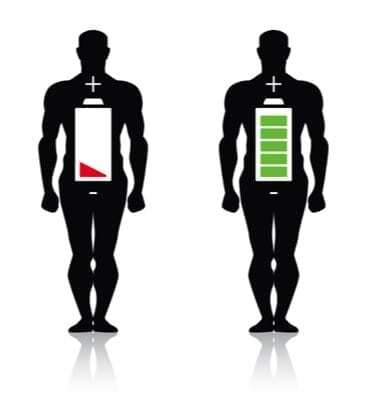
1. Myth: Craving Gatorade Means You’re Dehydrated
Reality: While dehydration can cause thirst, Gatorade isn’t always the solution. Most people can rehydrate effectively with water unless they’ve been sweating heavily during intense exercise. For mild dehydration, water is sufficient and free of unnecessary sugars and additives.
2. Myth: Gatorade Is the Best Source of Electrolytes
Reality: Although Gatorade contains electrolytes like sodium and potassium, these are often paired with high sugar content. Natural sources like bananas, spinach, and coconut water are healthier alternatives that provide electrolytes without the added sugars or artificial ingredients.
3. Myth: It’s a Healthy Choice for Everyday Hydration
Reality: Gatorade is designed for athletes engaging in vigorous exercise, not for casual hydration. Consuming it regularly without corresponding activity can contribute to excess calorie intake and sugar consumption, potentially leading to weight gain and other health issues.
4. Myth: Your Body Craves Gatorade Because It Needs Nutrients
Reality: A craving for Gatorade might signal a need for hydration or electrolytes, but it’s just as often tied to habits or emotional triggers. The brightly colored bottles and sweet taste create a psychological association with refreshments rather than fulfilling a physical demand.
5. Myth: Gatorade Gives You Energy
Reality: The quick energy provided by Gatorade’s sugars is short-lived and can lead to blood sugar spikes and crashes. Complex carbs, protein, and healthy fats from whole foods are far more effective for sustained energy.
6. Myth: Gatorade Is Essential for Recovery After Any Exercise
Reality: Unless your workout involves prolonged, high-intensity activity, water and a post-workout snack with natural electrolytes (like a piece of fruit) are more than adequate for recovery. Gatorade is often unnecessary for moderate activity.
7. Myth: It’s a Superior Hydration Option Compared to Water
Reality: For most people, water remains the gold standard for hydration. The additional electrolytes in Gatorade are only necessary in specific situations, like extended sports or illness involving dehydration.
By distinguishing fact from fiction, you can make informed choices about your cravings for Gatorade and learn to address your body’s needs in balanced, healthy ways.
How the Eating Enlightenment Approach Handles Cravings

Cravings can sometimes feel overwhelming, pulling you toward certain foods or drinks without reason. Yet, these cravings often hold important clues about your body’s needs, emotions, or habits. The Eating Enlightenment approach is a compassionate guide to help you decode these signals—like the pull toward Gatorade—by fostering understanding without judgment or restriction.
At the heart of this approach is journaling, a tool for connecting with your body and mind. With three steps—nutritional journaling, mindfulness of triggers, and internal healing—you can uncover what’s behind your cravings, whether it’s a sign of dehydration, a response to stress, or a memory tied to a soothing drink.
Step 1: Nutritional Journaling
Many cravings stem from unmet physical needs, like hunger or nutrient deficiencies. For example, skipping meals or relying on low-energy snacks may leave your body craving quick fixes like sugary drinks. By journaling when and what you eat, you can identify patterns. You might realize a craving for Gatorade arises mid-afternoon because you skipped your morning snack. These insights empower you to preempt cravings with balanced foods like fruits or nuts.
Sample entry: “I noticed I craved Gatorade after lunch. Reflecting, I only had coffee for breakfast. Tomorrow, I’ll try adding a nourishing snack mid-morning.”
Step 2: Mindfulness of Emotional and Physical Triggers

Once physical needs are met, cravings often highlight emotional states or situational cues. Stressful meetings, boredom, or sunny afternoons might spark a craving. Mindful journaling helps you trace these triggers. For instance, you might realize your desire for Gatorade emerges after scrolling past an ad or during moments of tension. Pausing to breathe or sip water before reacting can break the cycle.
Sample prompt: “What situation or feeling preceded my craving? Was I stressed, bored, or influenced by something around me?”
Step 3: Internal Healing through Journaling
Some cravings go beyond hunger or stress, connecting to deeper emotions or memories. Perhaps Gatorade reminds you of a comforting childhood moment. Journaling about these associations can bring clarity. Ask questions like, “What does this craving mean? What feelings or memories are tied to it?” Exploring such layers promotes healing and invites connection to your inner self.
Practical Ways to Address Gatorade Cravings
To address cravings practically without relying on sugary drinks, try the following solutions:
- Homemade Electrolyte Drinks: For a refreshing alternative, combine water, lemon, honey, and a pinch of salt.
- Stay Hydrated: Infuse water with fruits or herbs to make it more appealing.
- Balance Meals: Eat a mix of protein, healthy fats, and complex carbs to avoid energy dips.
- Pause and Reflect: When cravings strike, take a moment to journal or listen to your body’s signals.
Closing Thoughts
Understanding why you’re craving Gatorade—and what your body might need—can be a decisive step toward more profound self-awareness. Whether dehydration, an electrolyte imbalance, or even an emotional connection tied to comfort, our cravings often act as messengers, signaling unmet needs. By listening to these signals, we can start creating a healthier, more intentional relationship with our bodies, one choice at a time.
Take a moment to reflect on your cravings. Are they habit-based? A sign of thirst? Or perhaps a cue to explore something deeper? Consider healthier alternatives like natural electrolyte drinks, nutrient-rich meals, or mindful hydration routines when appropriate. Every minor adjustment brings you closer to balanced, nourishing habits.
We encourage you to try the free Eating Enlightenment Journal App to help you control your cravings and genuinely understand their patterns. This tool isn’t just about tracking what you eat; it’s designed to guide you through thoughtful reflection. By identifying patterns, uncovering triggers, and aligning your choices with your body’s needs, the app empowers you to cultivate greater health awareness and personal growth. It’s a practical way to turn every craving into a moment of clarity and self-discovery.
Most importantly, remember that cravings are not a reason for guilt but an opportunity to learn about yourself. Growth takes time, and developing this understanding is an ongoing process of immense value for your overall health and happiness. You’re opening the door to a new nourishment understanding with patience and self-compassion.
As you continue this journey, gentle tools like journaling can guide you toward peace, balance, and a confident connection with your body’s needs. You’re capable of remarkable growth—and every step forward is a testament to your resilience and care.