


Have you ever found yourself unable to resist the urge for a glass of ice-cold water? Maybe it’s late at night, or perhaps the craving strikes in the middle of a perfectly air-conditioned afternoon. You don’t just want water—you need it to be cold. Sound familiar? That pull toward something so specific can sometimes feel mysterious, even puzzling.
Here’s the truth—your cravings aren’t random. Whether it’s a desire for cold water or something else, these urges are your body’s way of sending you messages. Cravings often reflect your physical needs, emotional state, or habits you’ve developed over time. Understanding them can unlock more profound insights into your relationship with your body and overall well-being.
This blog will take you through four fascinating reasons you might crave cold water. Along the way, we’ll introduce how journaling—a key tool in the Eating Enlightenment approach—can help you connect the dots between your cravings and their deeper meaning.
All you need is a little curiosity and maybe a notebook or app to uncover what your body is trying to tell you. Let’s explore this craving together and see where it leads.
#1 Physiological Reasons
Your body might send a clear, physical signal when you reach for cold water. This craving is often tied to basic needs like hydration and temperature regulation.
When dehydrated, your body sends signals to prompt you to drink fluids. Cold water, in particular, can feel more satisfying—it refreshes you more effectively and often feels like it quenches your thirst faster. This is especially true if you’ve been sweating, exercising, or spending time in the heat. When your body overheats, cold water helps to regulate your core temperature and brings immediate relief.
Think about recent activities that might have contributed to dehydration or overheating. Did you forget to drink enough during a busy day? Or maybe you just finished a challenging workout? Journaling can help connect these dots.
Journaling Prompt:
“When did I last hydrate? How much water have I consumed today? Can I connect the timing of my craving with any physical activity or feelings of heat?”
By tracking your hydration and noting how you feel before and after a drink of cold water, you can better meet your body’s basic needs and avoid dehydration in the future.
#2 Environmental Factors
Sometimes, the need for cold water is less about your body’s internal needs and more about your surroundings. Environmental conditions, like heat or humid weather, naturally increase our desire for something cold and refreshing.
If you’re living somewhere with high temperatures or enduring a scorching summer, it’s normal to crave cold water. Even indoor environments, like air-conditioned offices or gyms, can make you gravitate toward icy drinks. Social factors may also play a role—imagine attending a gathering where chilled water is the default option, subtly conditioning you to prefer it.
Consider how your environment impacts your cravings. Are you more drawn to ice water in certain places or seasons? Does constant exposure to heat amplify this desire? Writing down these insights can help you uncover patterns and take charge of your choices.
Journaling Prompt:
“What were my surroundings like when I felt this craving? Was the environment warm? Was I influenced by what others around me were drinking?”
By being aware of how your environment shapes your preferences, you can respond more mindfully to your body’s needs.
#3 Possible Health Conditions

Craving cold water might also indicate more extensive, hidden health issues. For some people, it’s not just a preference but a symptom of underlying conditions.
Individuals with anemia, for example, sometimes crave cold or even ice water. This association may stem from how sensory cues are processed when iron levels are low. Similarly, if you’re experiencing oral discomfort or gum inflammation, cold water might soothe the area, giving temporary relief.
Take note of other symptoms you might be experiencing along with your craving. Are you often tired or lethargic? Is oral sensitivity making it difficult to chew or drink beyond cold water? Journaling can help you capture and explore these patterns to decide when to consult a healthcare provider.
Journaling Prompt:
“Have I noticed changes in my energy levels, oral health, or overall well-being that could explain this craving? Could I reach out to a healthcare provider to explore this further?”
If your craving persists or has lingering symptoms like fatigue, journaling these details and sharing them with a doctor could help you better understand your health.
#4 Lifestyle Habits
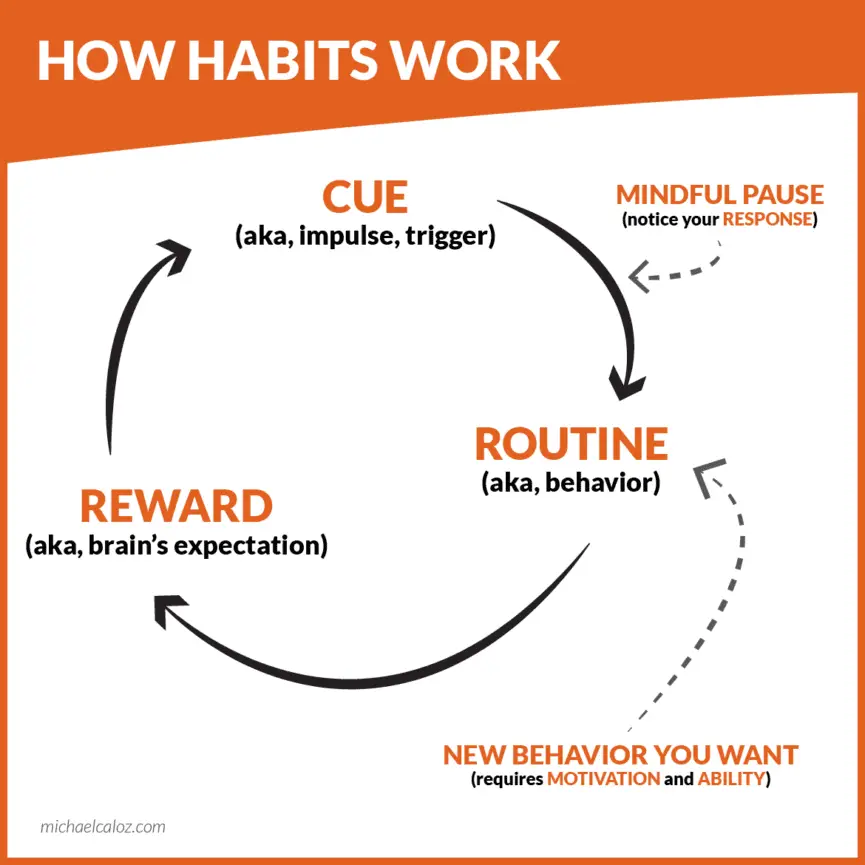
Your day-to-day choices and habits strongly influence cravings, too. For instance, cold water might serve as a quick “reset” during moments of stress. It provides a sharp, sensory contrast that can briefly interrupt racing thoughts or emotional waves.
Sometimes, it’s just routine—if you often grab ice water without thinking, it might simply be a habit you’ve wired into your day. Left unexplored, you might not even realize whether this habit is serving you well or becoming a default response to specific emotions.
Reflect on the emotional pull that may accompany your cold-water cravings. Are you stressed, seeking comfort, or seeking focus during a chaotic day? Journaling allows you to pause, explore these feelings, and connect with what’s underneath.
Journaling Prompt:
“How do I usually feel emotionally when I crave cold water? Am I stressed, bored, or simply following a routine?”
Building this mindful awareness can empower you to decide whether to stick with the habit or shift toward healthier coping strategies.
Myths About Cravings for Cold Water
- Cold Water Cravings Signal Only Hydration Needs
Myth: Craving cold water always means you’re dehydrated. - Cold Water is Always Healthier
Myth: Drinking cold water is universally better than room-temperature water. - Only Hot Weather Causes Cold Water Cravings
Myth: You only crave cold water when it’s hot outside or overheated. - Cold Water Cravings Are Random
Myth: Cravings for icy water have no deeper cause or meaning. - Cold Water Cravings Can’t Point to Health Issues
Myth: They never indicate underlying conditions like anemia or oral sensitivities. - Cold Water Cravings Reflect Simple Preferences
Myth: Craving cold water is purely about personal taste and nothing else. - Cold Water is Better for Digestion
Myth: Cold water aids digestion more effectively than warmer temperatures. - Cold Water Solely Refreshes the Body
Myth: Its role is purely physical—it doesn’t address emotional or stress-related needs. - Drinking Cold Water Always Boosts Energy
Myth: Icy water gives everyone an instant energy boost. - Craving Cold Water is a Sign of Good Health
Myth: It always indicates that your body is functioning well.
Are These Cravings a Sign of Something More?
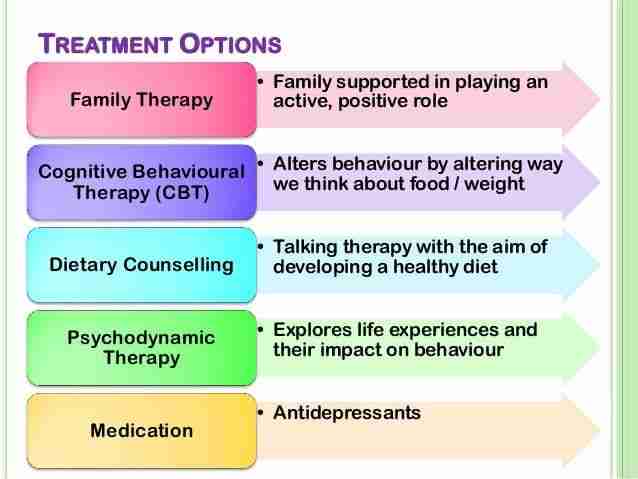
At first glance, craving cold water might seem minor. But sometimes, these cravings could signal something more profound about your relationship with your body. Persistent cravings—especially if tied to struggles like emotional eating or feeling disconnected—are worth exploring.
Cold water cravings can be linked to the binge-diet cycle, a pattern in which deprivation leads to intense desires for comfort, when the body lacks proper nourishment, hydration, or care, cravings for refreshing, “forbidden” things surface. These cravings often bring feelings of guilt, creating a cycle that fosters disconnection and further cravings.
How Eating Enlightenment Can Help
At Eating Enlightenment, cravings are seen as opportunities to listen to your body. Our three-step process helps you compassionately uncover deeper needs.
- Nutritional Journaling
Ensure the basics—balanced meals and hydration. Cravings might reflect dehydration or deficiencies like low iron. Journaling helps identify what your body may need.
Prompt: “Am I eating regular meals and staying hydrated? What does my intake look like over the past few days?” - Mindfulness of Triggers
Explore situations or emotions surrounding your craving. Are you stressed, bored, or seeking comfort? Mindful awareness transforms cravings into insights about your coping mechanisms.
Prompt: “What emotions do I feel when I crave cold water? Do these cravings occur during specific situations?” - Healing Inner Parts or Voices
Cravings can connect to emotional needs or memories. For example, cold water might remind you of calming childhood rituals. Journaling uncovers these links for healing.
Prompt: “Does this craving connect to a calming habit or emotional need I might not be acknowledging?”
Practical Tips for Managing Cold Water Cravings
- Stay Hydrated: Drink water consistently throughout the day to prevent dehydration.
- Experiment with Temperatures: Try room-temperature water occasionally; note how it feels compared to cold.
- Practice Stress Relief: Use mindfulness or deep breathing to address emotional triggers.
- Check Health Concerns: Consult a healthcare provider if cravings persist with symptoms like fatigue or discomfort.
By listening to cravings rather than resisting them, you can uncover valuable insights about your needs and foster a healthier connection with your body. Cravings are your body’s communication—why not explore what it says?
Conclusion

By unpacking the reasons behind your cravings for cold water—whether it’s hydration needs, temperature regulation, or even hidden nutritional deficiencies—you open the door to understanding your body’s unique language. These cravings aren’t random; they’re meaningful signals inviting you to listen, reflect, and care for yourself in more profound ways.
Learning to tune into these signals is essential to better health, but you don’t need to do it alone. The free Eating Enlightenment Journal App allows you to explore your habits, track your cravings, and uncover patterns quickly. This tool empowers you to connect the dots between your body’s needs and how you can best meet them.
Why resist your body’s wisdom when you can use it to build a healthier, more balanced life? Download the app today and turn those cravings into powerful insights that lead to lasting well-being. Your body’s been trying to have a conversation—are you ready to listen?