


If you’re curled up under a blanket, sniffling, and suddenly longing for a warm bowl of chicken soup, you’re not alone. This timeless remedy seems to call to us in our most vulnerable moments. Chicken soup has long been considered a universal symbol of comfort and healing; a dish lovingly passed through generations and across cultures. From Grandma’s soothing recipe to traditional broths in kitchens worldwide, it’s the go-to meal for those needing care.
But have you ever paused to wonder why this craving strikes so powerfully when you’re under the weather? Is it the warmth, the nostalgia, or perhaps something more profound happening in your body? These cravings aren’t just random thoughts; they’re signals worth exploring, hints from your body and mind about what you truly need.

Understanding these cravings can open the door to insights about how your body seeks physical and emotional nourishment. And here’s the beautiful part: journaling can help. By taking a moment to reflect, you can uncover the more profound messages behind your cravings, whether tied to nutritional needs, emotional comfort, or mindful care. Together, we’ll explore six fascinating reasons behind this common craving and how you can better tune into what your body and heart are asking for. Stay cozy and keep reading—we will uncover more than just soup.
#1 Hydration and Electrolytes

When you’re feeling under the weather, staying hydrated is one of the most important things you can do. Illness often brings dehydration from fevers, congestion, or simply forgetting to drink enough fluids. With its warm and savory broth, chicken soup is a delicious way to hydrate and replenish electrolytes. The sodium in the broth helps your body retain water and balance its systems, while the warmth soothes throat irritation and helps clear nasal passages. Even the simple act of sipping soup can feel grounding when your body needs gentle care.
Try pausing momentarily with this thought: “When was the last time I had a drink of water? Am I feeling thirsty or energetic? How does hydration affect my overall mood during illness?” This journaling prompt can help you notice how staying hydrated changes your energy and comfort levels.
#2 Easy-to-Digest Comfort

When you’re sick, you last want a heavy, complicated meal. Chicken soup stands out because it’s easy on your stomach while providing the energy needed to recover. The protein from the chicken and carbohydrates from the noodles or vegetables is simple for your body to digest, ensuring you get nutrition without taxing your system. Soft, warm, and uncomplicated meals feel so soothing when ill.
Think about the foods you gravitate toward when you’re unwell. Maybe a hot bowl of soup has always been your go-to, or perhaps the idea of gentle, simple meals stems from a childhood memory. Reflect on this question in your journal: “What flavors or textures do I crave when I don’t feel well? How does my body react when I eat these foods?”
#3 Immune-Boosting Nutrients

Chicken soup isn’t just emotionally comforting; it’s also packed with nutrients that support your immune system. Chicken contains carnosine, a compound studied for its potential immune-boosting and anti-inflammatory properties. Add nutrient-rich vegetables like carrots and celery, and give your body vitamins like A and C, both essential for strengthening your defenses. There’s even some evidence that chicken soup could help reduce inflammation in the respiratory system, making it easier to breathe.
Through journaling, ask yourself, “Which foods feel nourishing to me, and why? What vitamins or nutrients might my body ask for during this time?” This question can help you connect with what your body needs to thrive, even beyond bouts of illness.
#4 Triggered by Emotional Associations
There’s something about chicken soup that feels like a cozy hug for your heart. For many of us, it evokes memories of being cared for—whether brought to us by a parent or made with love by a friend. Culturally, chicken soup carries a long history as a “healing” food, from Jewish penicillin to Asian bone broths. These emotional and cultural layers make it more than just a meal; it’s a gesture of love and nurturing care.
Take a moment with this journaling prompt and explore how chicken soup fits into your story of comfort food: “What memories come up when I think of eating chicken soup? How do these memories influence what I crave for comfort today?”
#5 Temperature and Body Regulation
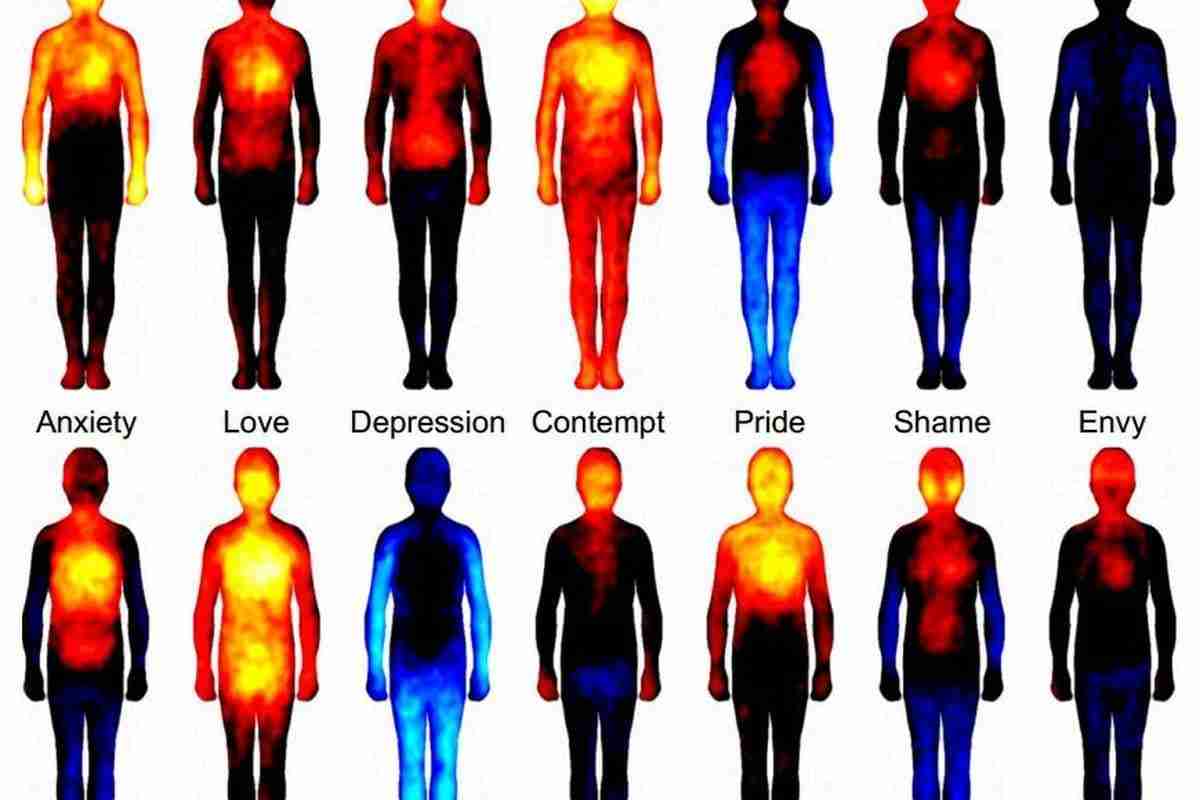
It’s no secret that warm foods provide relief when you’re dealing with fevers or chills. Chicken soup’s soothing warmth works on multiple levels. Physically, it increases blood flow and helps loosen congestion, while the gentle heat can make you feel safe and calm mentally. It’s almost like the warmth of soup wraps around you, helping balance your body and mind.
Think about the impact of warmth in all its forms. You might find reflections like this helpful as you journal: “How does my body feel before and after eating something warm when I’m sick?”
#6 Signaling Underlying Needs
Craving chicken soup might be your body’s way of sending a more profound message. Its protein helps repair physical processes, warmth, and hydration soothe discomfort, and its comforting nature feeds emotional peace. This craving is a signal, not just of physical hunger, but of a need for care and support. Maybe it’s asking you to pause, rest, and nourish yourself in the simplest ways.
Take time to listen to yourself with this journaling prompt: “What might my body, mind, or heart be asking for through this craving? Energy, comfort, peace?” Noticing these nuances can guide you into greater alignment with your needs.
You may see chicken soup as more than food by understanding these six reasons. It’s a symbol of self-care at its best—a blend of physical healing and emotional comfort. The next time you reach for a bowl, take a moment to savor not just its flavors but also the deeper care it represents
When Cravings Shift into Patterns of Binge Eating
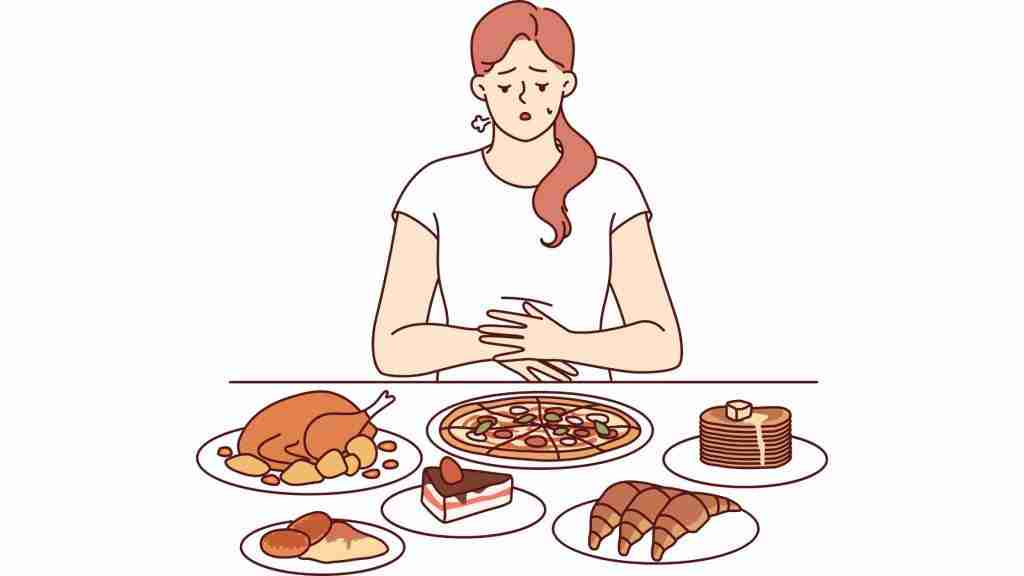
Cravings often signal a need, but it’s worth reflecting on when they become overwhelming and uncontrollable. If a craving for chicken soup feels compulsive or tied to a broader pattern of overindulgence, it might point to a more profound struggle. Cravings aren’t inherently harmful, but they can become part of a binge diet cycle, where restrictive eating fuels intense cravings, leading to overindulgence, guilt, and renewed restriction. Breaking this cycle starts with understanding its roots.
The Eating Enlightenment approach reframes cravings as signals, not failures. They explain your body’s physical, emotional, and mental needs. Journaling can help you explore and unpack these signals. After a craving or overeating episode, you might reflect, “How did I feel emotionally and physically afterward? Do I notice patterns leading to these moments?” Building awareness around cravings is a powerful step toward transforming your relationship with food.
How the Eating Enlightenment 3-Step Process Can Help
1. Build a Nutritional Foundation through Journaling
Journaling isn’t about controlling meals but about noticing patterns and addressing gaps. For example, skipping meals or restricting food may intensify cravings for comfort. A craving for chicken soup could signal your body’s need for protein or hydration. Reflect with prompts like, “Am I eating enough protein, carbs, and vegetables? Which meals leave me feeling drained or sustained?” Tracking meals helps rebuild trust in your body.
2. Cultivate Mindfulness and Emotional Awareness
Cravings often carry emotional messages. Journaling before reacting can help you uncover underlying triggers, such as stress or boredom. Asking, “What emotions are showing up? Where do I feel this in my body?” can create space to respond thoughtfully instead of automatically.
3. Explore Your Inner Parts and Voices
Deep cravings may reflect an inner part of you seeking attention or comfort. For example, desiring chicken soup may echo an inner child needing care or safety. Journaling allows you to explore this compassionately. Try asking, “What does my craving for chicken soup truly need?” This self-inquiry can transform how you meet emotional needs beyond food.
Practical Advice for Choosing or Making Healthy Chicken Soup
Chicken soup can heal and nourish, but not all versions offer the same benefits. Opt for simple, wholesome ingredients. For store-bought choices, avoid high-sodium options. Add nutrient-rich ingredients like garlic, spinach, or whole grains like barley when cooking at home. These enhance flavor and support recovery.
Cooking can also become a mindful ritual. Take your time chopping vegetables, savor the soup’s aroma, and notice its textures. This act of presence nurtures both body and mind.
Preparing ahead is another thoughtful step. Freeze individual portions of homemade soup for easy access when you’re unwell. Pause to reflect while you enjoy your meal with this prompt: “What small steps can I take to prepare and enjoy foods that nurture me, even when I’m unwell?”
Chicken soup can become more than a quick remedy. It reflects how you care for yourself, addressing physical and emotional needs with mindfulness and compassion. These small acts of care and journaling and awareness create a holistic path to well-being.
Final Thoughts
Chicken soup isn’t just a warm meal; it’s a blend of science, tradition, and comfort that speaks directly to your body and mind when you’re under the weather. From its hydrating properties and immune-boosting nutrients to its emotional and cultural significance, this humble dish offers much more than meets the eye. Understanding the reasons behind cravings for chicken soup can turn them into valuable moments of self-care, allowing you to nourish your physical and emotional needs.
Rather than judging your cravings, consider them tools for self-discovery. They provide a window into what your body and mind might be asking for, whether the hydration and electrolytes from warm broth or the psychological comfort of food tied to happy memories. Whether it’s chicken soup or another comfort food, take each craving as an opportunity to pause, reflect, and reconnect with yourself.
If you’re curious about further exploring your cravings and eating habits, the Eating Enlightenment Journal App can help you uncover meaningful insights into your dietary patterns. By tracking your meals and reflecting on the emotions tied to them, you’ll take a step closer to understanding your personal health needs and nurturing your well-being. It’s not about judgment or restriction but about learning, growing, and caring for yourself more deeply.
Remember, healing happens one step at a time. Even small acts, like savoring a warm bowl of soup, can transform into mindful moments of nourishment and care. Please take this as a gentle invitation to rediscover the power of listening to your body and showing it the kindness it deserves. After all, wellness is built on these comforting, thoughtful moments.