


Have you found yourself inexplicably drawn to brown sugar lately? Maybe the rich, caramel-like sweetness feels like a warm hug, or perhaps it’s simply the go-to option for a sweet fix when a craving hits.
Whatever the reason, a craving for brown sugar often reveals clues about what your body or mind needs.
By exploring 11 possible reasons behind this craving, you might uncover the “why” and practical ways to respond with care and understanding.
Cravings aren’t something to feel ashamed or guilty about—they’re messengers from your body and mind. They might point to nutritional gaps, emotional discomfort, or even certain habits you’ve picked up.
With curiosity and self-compassion, you can use these insights to nourish yourself more holistically. I encourage incorporating journaling into your routine to help uncover what your cravings might mean. Each section below includes a journaling prompt to guide your exploration.
Let’s dig into the possible reasons behind a craving for brown sugar—and what you can do about them.
The 11 Reasons for Brown Sugar Cravings
Reason #1. You May Have a Nutrient Deficiency
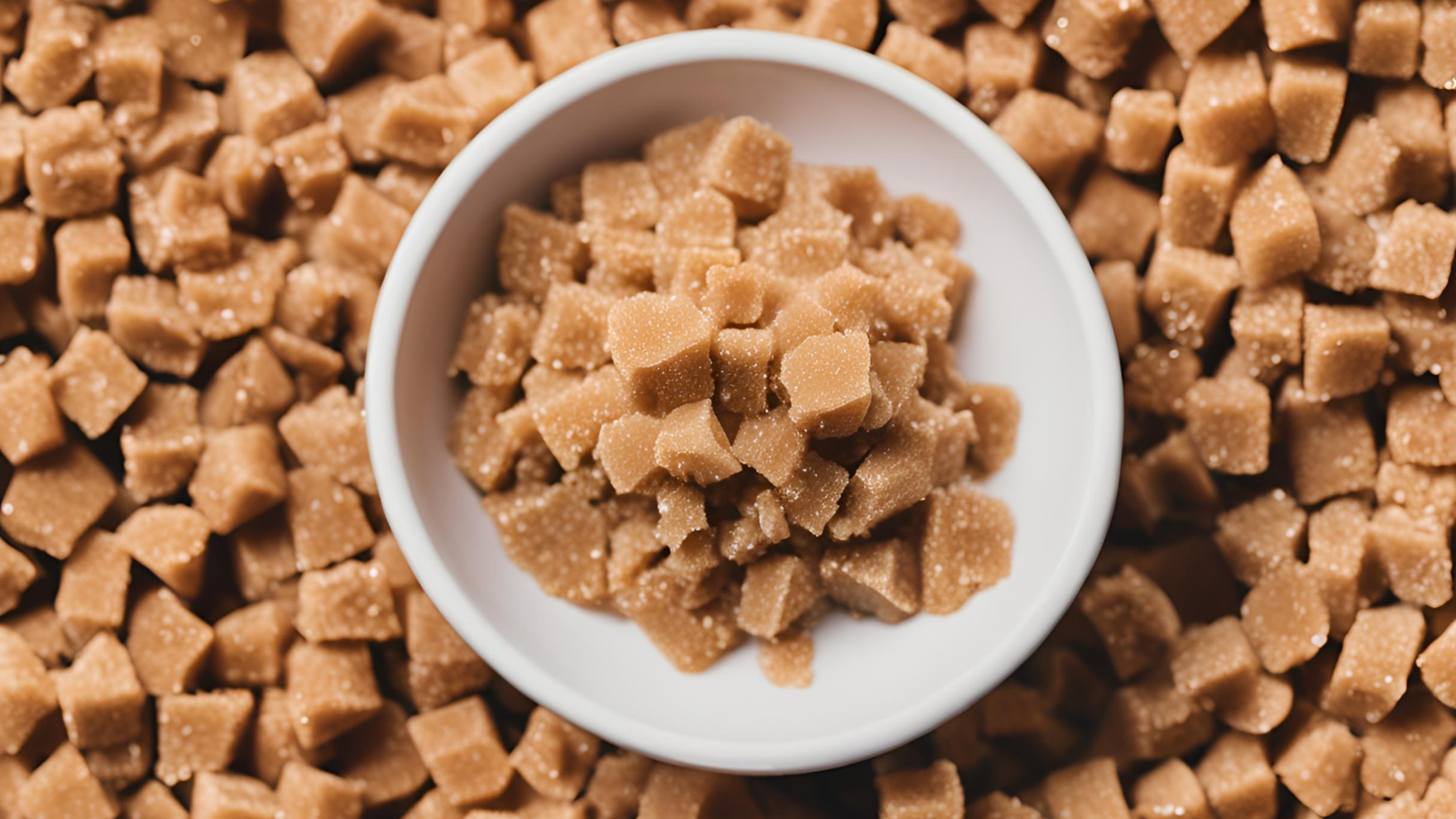
Cravings for sugary foods like brown sugar can sometimes signal a deficiency in nutrients such as magnesium, chromium, or zinc. These nutrients play a role in regulating blood sugar levels, energy production, and overall metabolic balance. When the body lacks these essential nutrients, it may nudge you toward quick energy sources like sugar.
Brown sugar satisfies that immediate need for energy by delivering a fast burst of glucose. While this might feel like a temporary fix, it’s worth reflecting on whether your meals and snacks are missing nutrient-dense foods like leafy greens, nuts, or whole grains. Journaling Prompt: “What have I eaten today? Might I be missing key nutrients that leave my body asking for quick energy?”
Reason #2. Low Blood Sugar Levels
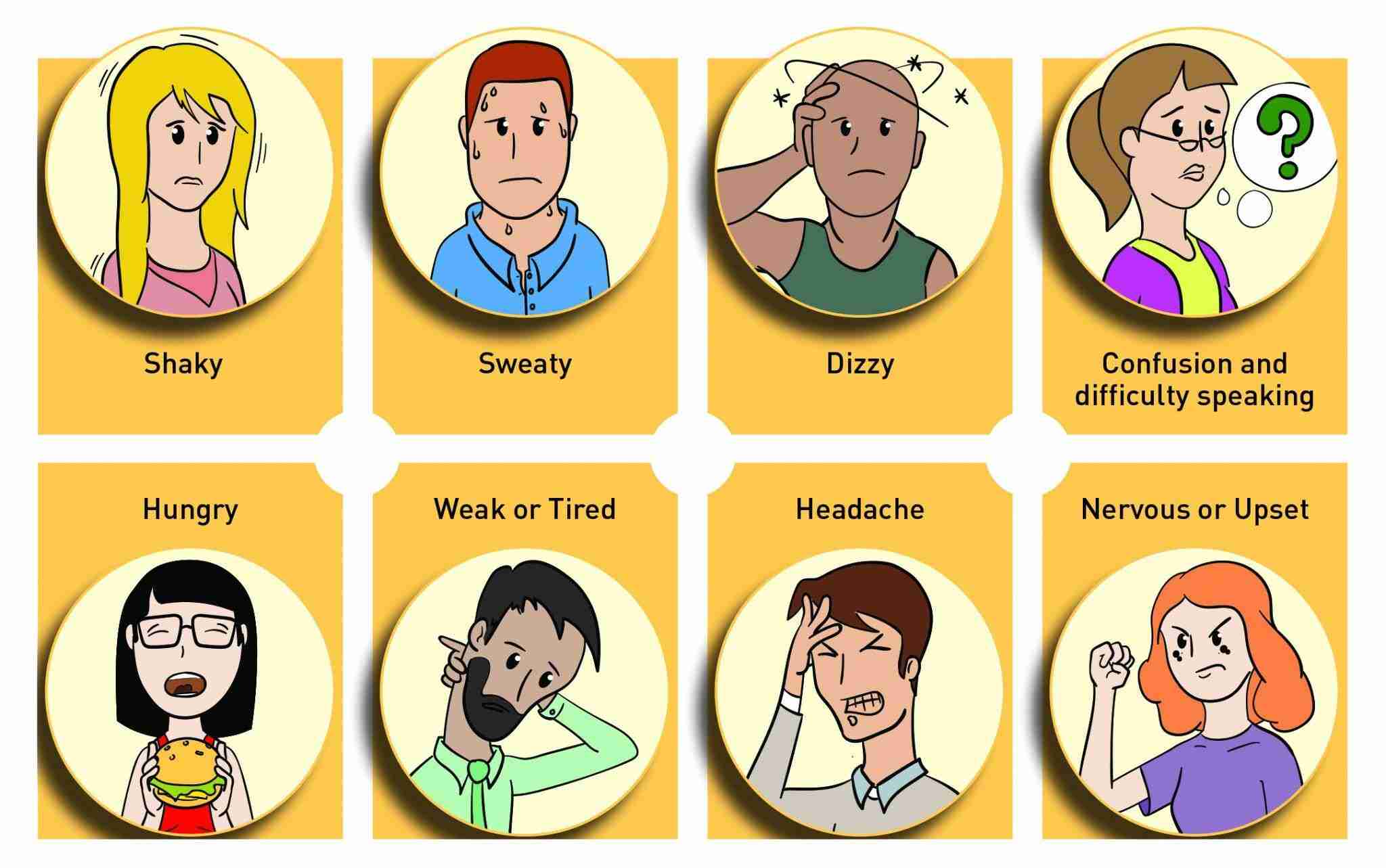
Have you ever skipped a meal or gone too long without eating? Dips in blood sugar are a common culprit behind sugar cravings. Your body relies on steady blood sugar levels to fuel its functions, and brown sugar offers a quick remedy when those levels plummet. That’s why a few missed meals or unbalanced snack choices can leave you craving sugar.
To avoid this, focus on eating nourishing foods at regular intervals. A journal can help you track how your energy fluctuates throughout the day. Journaling Prompt: “When was the last time I ate something substantial? How does my body feel now—tired, shaky, or otherwise off-balance?”
Reason #3. Seeking Emotional Comfort
Brown sugar cravings might also be a response to emotional discomfort. Sweet foods can act as an emotional balm when you’re feeling stressed, bored, lonely, or even nostalgic. The sweetness of brown sugar can evoke feelings of comfort or even fleeting happiness.
Rather than judging yourself for emotional eating, approach this craving with kindness. Ask yourself what emotions you might be soothing with sugar. Recognizing the underlying trigger can help you address your emotional needs more healthily. Journaling Prompt: “What emotions am I feeling right now that might fuel this craving?”
Reason #4. Built-Up Habits or Routines
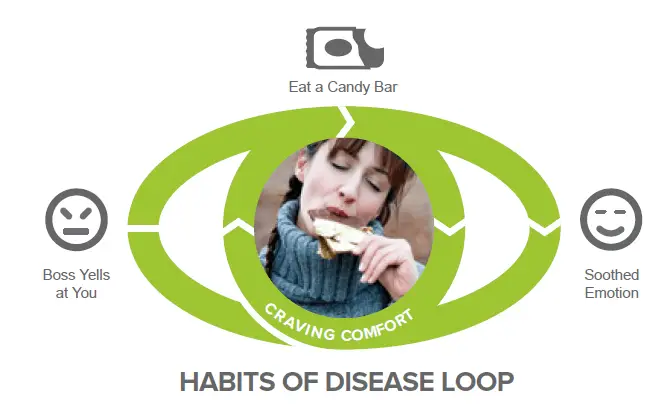
Sometimes, cravings are less about what your body or emotions need and more about patterns you’ve created over time. For instance, if you regularly add brown sugar to your oatmeal or coffee, your body might start associating that routine with a feeling of comfort. Over time, the craving can feel automatic.
Breaking habitual cravings starts with awareness. Journaling Prompt: “When do I typically crave sugar? Is it connected to a specific activity or time of day?”
Reason #5. Lack of Sleep is Draining You
When you’re sleep-deprived, your body produces more ghrelin, the hormone that makes you feel hungry, and less leptin, which tells you you’re full. Additionally, tiredness can leave your body craving quick energy sources like sugar to compensate.
Take a moment to reflect on how well you’ve been sleeping and consider adjusting your sleep habits as an act of self-care. Journaling Prompt: “How well did I sleep last night? Could tiredness be driving this craving?”
Reason #6. Elevated Stress Hormones

Stress increases cortisol levels, and one typical response to this hormone surge is cravings for comfort foods, often sugary ones. Brown sugar might be your brain’s way of asking for a temporary mood boost during stressful moments.
Instead of turning to sugar, consider how else you might ease the stress in your life. Mindful breathing exercises or a short walk might offer an alternative coping mechanism. Journaling Prompt: “What’s been stressing me out today? Am I turning to sugar to relieve some of that stress?”
Reason #7. Nostalgia or Childhood Memories
Brown sugar uniquely evokes warm, nostalgic feelings, perhaps reminding you of freshly baked cookies or cozy family breakfasts. Cravings can sometimes be linked to these emotional memories rather than physical needs.
When this craving strikes, reflect on the memories that come to mind. Journaling Prompt: “Does craving brown sugar bring up any memories or feelings of warmth and comfort?”
Reason #8. Meals May Lack Protein or Fiber
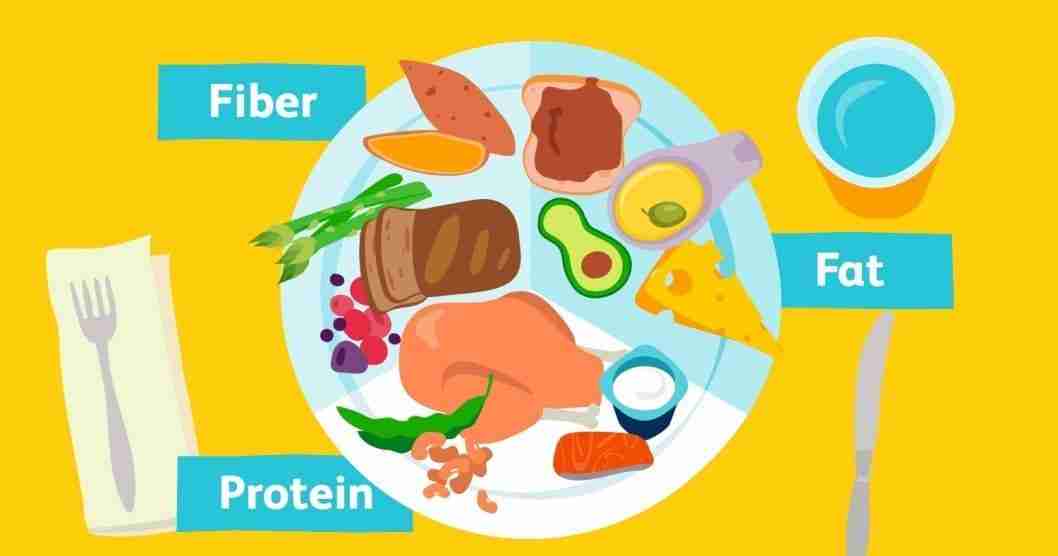
A low-protein or fiber meal can leave your body hunting for quick energy to fill the gap. Protein and fiber help with satiety, balance blood sugar and sustain energy.
If you often reach for sugar after meals, you might want to evaluate the balance of your plate. Journaling Prompt: “What did I eat in my last meal? Was it balanced with enough protein or fiber?”
Reason #9. Dehydration Could Be Confusing Your Cravings
Dehydration and hunger can sometimes feel indistinguishable to your body, which might explain a sugar craving when you need water.
Before heading for the pantry, drink a glass of water and see if the craving subsides. Journaling Prompt: “How much water have I had today? Could I be thirsty instead of hungry?”
Reason #10. Hormonal Shifts

Hormonal changes, such as those during the menstrual cycle, can amplify sweet cravings. These fluctuations may increase your body’s demand for quick calories or trigger shifts in mood that make sugary foods appealing.
Acknowledging these patterns can help you plan and stock up on nourishing alternatives during high-craving phases. Journaling Prompt: “Are there any hormonal patterns or cycles in my life that align with this craving?”
Reason #11. Restrictive Dieting May Be Setting Off Cravings
If you’ve recently been restricting certain foods or following a diet, cravings for sugary treats like brown sugar can be your body’s reaction to feeling deprived. This isn’t a failure on your part—it’s your body trying to restore balance.
Instead of labeling foods as “off-limits,” try to adopt a more inclusive approach to eating. Journaling Prompt: “Have I restricted certain foods recently that I now obsess over?”
Are Persistent Cravings a Sign of Binge Eating Disorder?

Recurring sugar cravings might be a normal part of life—or they could point to something more profound, like Binge Eating Disorder (BED). When cravings are tied to emotional discomfort or cycles of restriction, they often signal an imbalance.
The binge-diet cycle explains this pattern: restrictive dieting leads to deprivation, deprivation triggers intense cravings, and those cravings may result in binge episodes, often followed by guilt and renewed restrictions.
To explore your relationship with cravings, try this journaling prompt: “Do I notice patterns of restriction, guilt, or secrecy around my eating habits?”
How Eating Enlightenment Addresses Cravings
Step 1: Nutritional Journaling
Start with a strong foundation of balanced eating to eliminate physical triggers of cravings. Journaling meals helps you ensure you’re eating every 3-4 hours with a focus on protein, fiber, and healthy fats. Action tip: Record what and when you eat to identify gaps and make adjustments.
Step 2: Mindful Emotional Awareness
Cravings often tie to emotional patterns. Journaling before eating helps you reflect on what’s driving the urge. Action tip: Use prompts like, “What emotion might I be trying to soothe right now?” to build emotional awareness.
Step 3: Healing Deeper Patterns
Uncovering the emotional roots behind cravings helps address them long-term. Journaling can reveal inner needs or unresolved feelings. Action tip: Engage compassionately with emotions, viewing them as parts of yourself seeking care.
By adopting these methods, you can improve your relationship with food, break free from unhealthy cycles, and find more outstanding balance.
Conclusion:

Craving brown sugar isn’t a sign that you’ve failed—far from it. It’s a natural response from your body, pointing to areas in your physical or emotional self that might need extra attention.
By seeing these cravings as opportunities for self-discovery rather than obstacles, you can uncover patterns, habits, or needs that may have been overlooked.
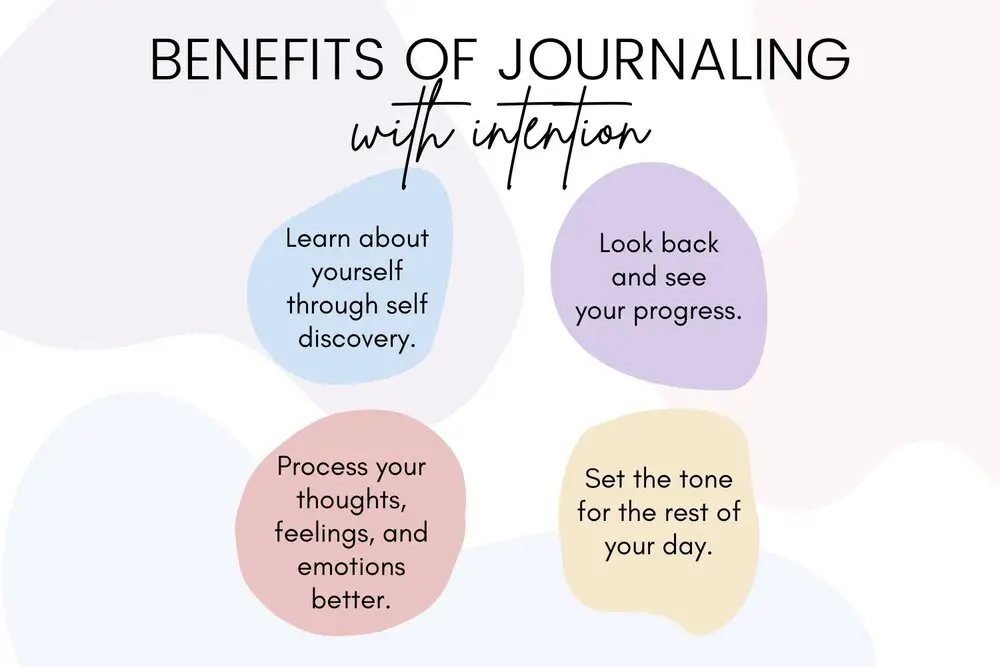
Journaling is a powerful way to start. It helps you tap into the emotions and behaviors behind your cravings, fostering a deeper understanding of what your body truly needs.
With insight and practice, you can make supportive changes that promote balance and well-being. Remember, every craving is a chance to learn and care for yourself in profound, meaningful ways. You’ve got this, one mindful step at a time.
Take the first step today with the free Eating Enlightenment Journal App—designed to help you track your eating patterns, explore your emotions, and create actionable change. Or, schedule a complimentary session to receive personalized guidance on your unique food story.
Start exploring the deeper meaning behind your cravings today. Click here to download the app, and check out our related articles for even more support on your mindful eating journey!