


Have you found yourself daydreaming about brie cheese’s rich, creamy flavor? Its soft, buttery texture and gentle tang from its delicate rind make it taste like a little masterpiece.
Maybe it was the centerpiece at a recent gathering, paired perfectly with crisp apples and a drizzle of honey, or perhaps you spotted that iconic golden wedge in the grocery aisle and couldn’t stop thinking about it.
Whatever the trigger, one thing’s for sure—brie cheese has a way of captivating our senses like no other.
But why do you keep craving it? These cravings might seem random, but they’re often your body’s signals—subtle clues revealing more about your nutrition, emotions, and habits.
Whether your body is reaching for the nourishment it lacks or your mind is longing for comfort, understanding these cravings is fascinating and empowering.
Brie cheese, with its unique blend of indulgence and sophistication, holds a special place in the world of cheese lovers.
It graces everything from gourmet platters to simple late-night snacks, winning hearts with its melt-in-your-mouth texture and unmistakable flavor. Its popularity is no surprise, but why does it have such an irresistible appeal?
We’re about to explore this together. From uncovering nutritional deficits to emotional connections, we’ll examine the 14 most common reasons you might be longing for this creamy delight and offer deeper insights into what your cravings might be trying to say.
Stay with me—you’ll discover that your love for brie might mean more than you think!
#1. Your Body Needs Calcium or Vitamin D
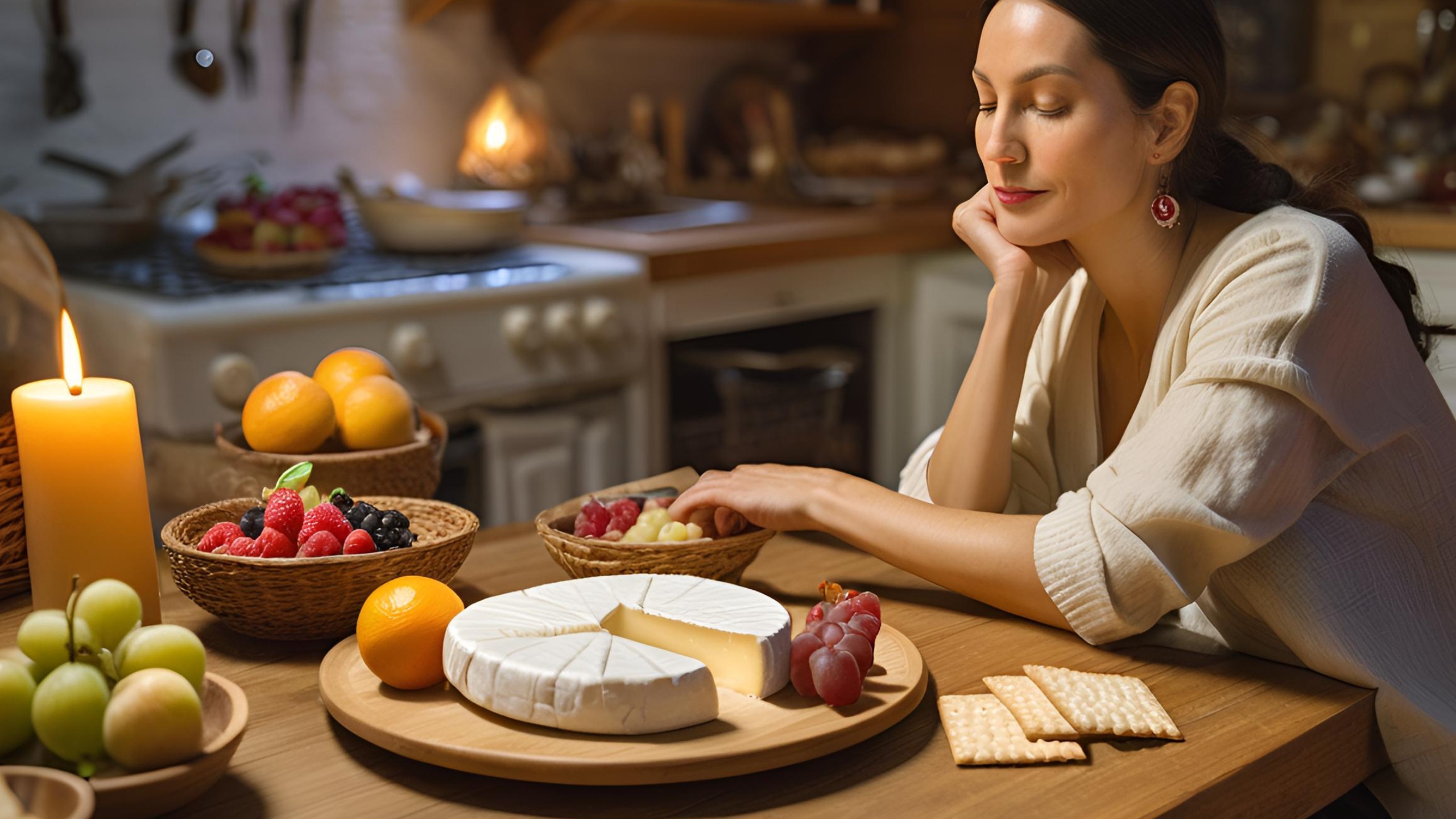
- Brie is rich in calcium and Vitamin D, critical for strong bones and muscles.
- Scientific Insight: Highlight studies showing how calcium deficiencies can lead to cravings for dairy.
Journaling Prompt:
“Are you getting enough calcium-rich foods, or have your bones felt achy lately? Write down your observations.”
#2. Low Levels of Fats in Your Diet
- Brie’s high-fat content might appeal to your body when it craves healthy fats for energy or brain function.
- Nutrition Explanation: Fats help regulate hormones, leading to these “signals” from your body.
Journaling Prompt:
“Jot down the types of fats you’ve been eating this week. Are there any trends or patterns?”
#3. You’re Hungry
- Sometimes, a yearning for brie might reflect general hunger, as creamy, fatty foods provide quick satiety.
Journaling Prompt:
“Reflect on your hunger cues when your cravings for brie appear. Were you truly hungry, or was something else going on?”
#4. Stress or Emotional Eating
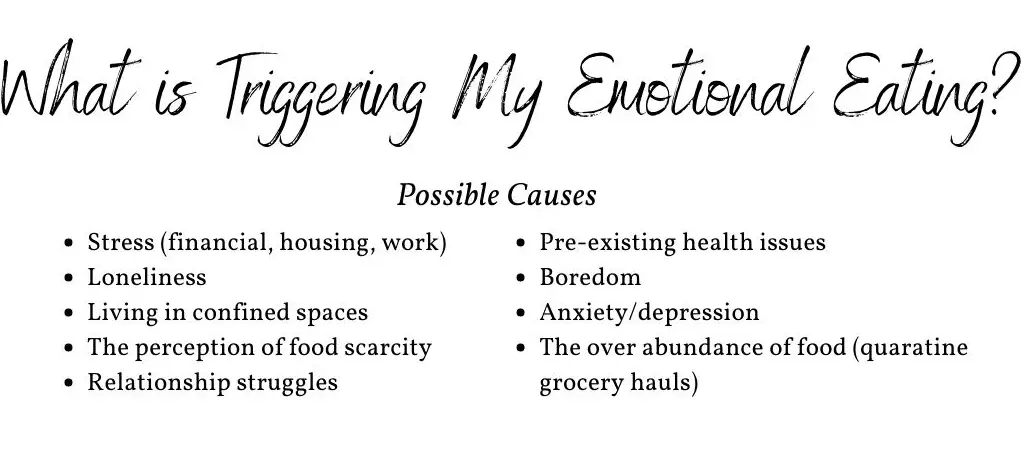
- Brie can be a comfort food, especially during stress or low mood.
- Psych Insight: Emotional stress often leads us to foods high in fat and texture.
Journaling Prompt:
“Explore how you felt emotionally before your craving—stressed, tired, or uneasy? Write it out.”
#5. Craving Familiarity and Nostalgia
- Foods like brie may evoke joyful memories of gatherings or special occasions.
- Discuss how emotional connections to food play a role in cravings.
Journaling Prompt:
“What memories does brie cheese bring to mind? How do you feel when you think about it?”
#6. You’re Experiencing Salt Deficiency
- The salty notes of brie could indicate a craving for sodium.
- Knowing how sodium impacts water retention and muscle function may underline this craving.
Journaling Prompt:
“Take note of how salty your diet has been recently. Does your body seem to be asking for balance?”
#7. You’re Following Restrictive Dieting
- Long-term restriction or dieting often leads to cravings for “off-limits” foods like cheese.
Journaling Prompt:
“Have you been avoiding certain foods? How does that make you feel about your cravings?”
#8. Serotonin Boost During PMS
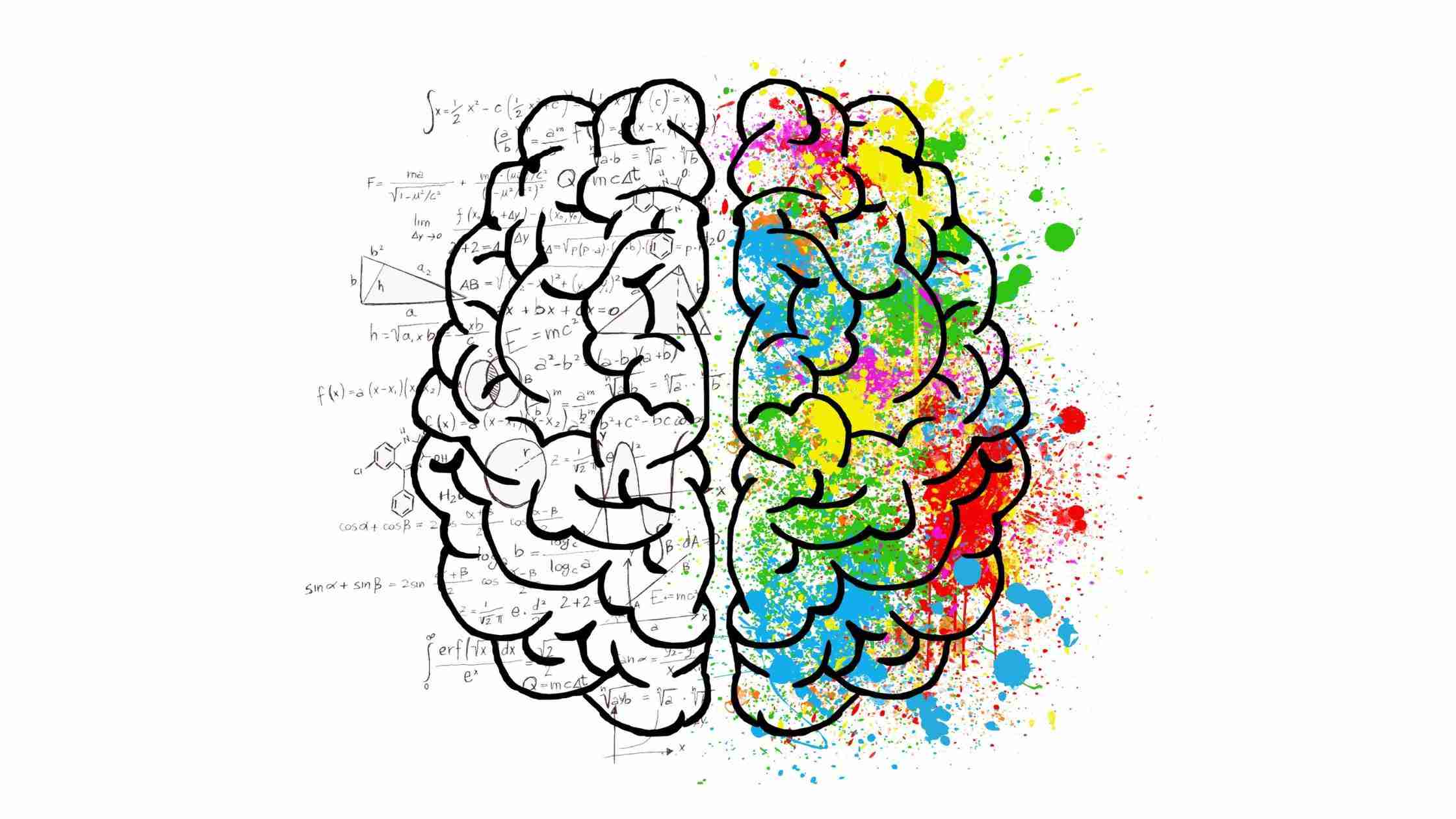
- Brie cheese contains tryptophan, which boosts serotonin levels, making it especially appealing during PMS or low mood.
Journaling Prompt:
“Have your cravings been tied to your menstrual cycle or changes in your mood? Make a note of the patterns.”
#9. Your Gut Bacteria is Asking for Fermented Foods
- The rind and fermentation process of brie might indicate that your gut biome craves probiotics.
Journaling Prompt:
“Reflect on how often you eat fermented foods like yogurt, kombucha, or cheese. What do you notice when you consume them?”
#10. You’re Seeking Fat-Soluble Vitamins
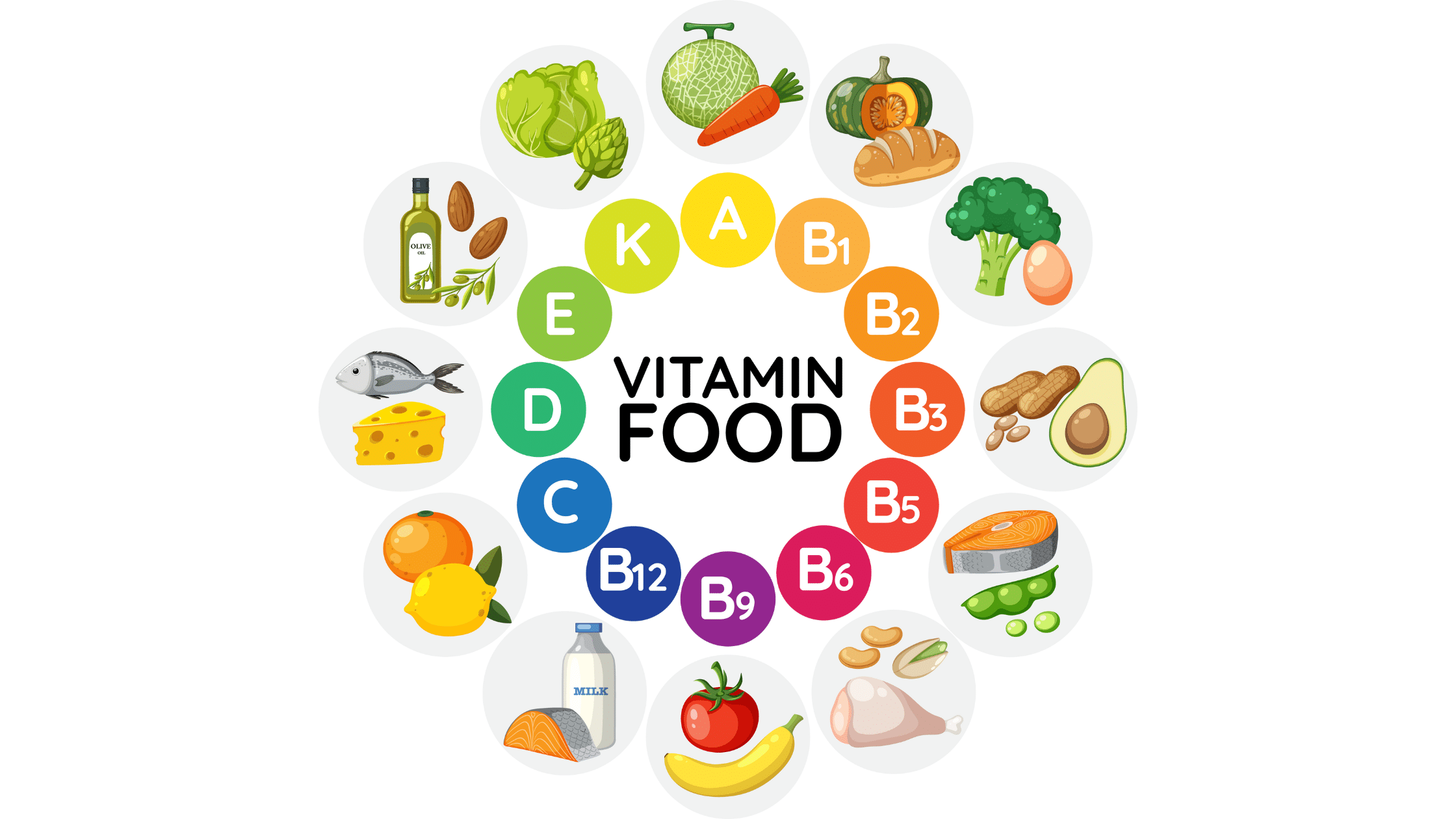
- Brie is a source of vitamins like A and K2, easily absorbed thanks to its fat content.
- Nutritional Fun Fact: These vitamins support your immune system and bone health.
Journaling Prompt:
“Think about nutrient-dense meals you’ve eaten recently. Have they covered Vitamin A or Vitamin K?”
#11. Texture Cravings for Creaminess
- Smooth and creamy textures can subconsciously represent comfort and indulgence.
- Discuss the sensory aspect of brie that might be fulfilling emotional needs.
Journaling Prompt:
“What textures do you find yourself drawn to lately, and why might that be?”
#12. Low Zinc or Protein Levels
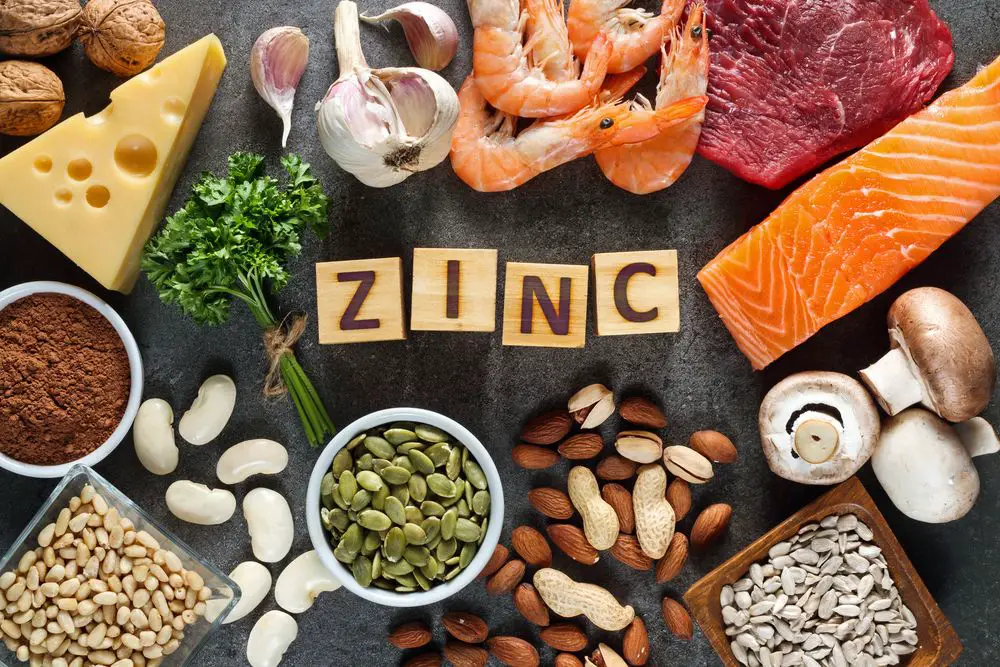
- Brie contains zinc, critical for immunity and wound healing, and protein for muscle repair.
Journaling Prompt:
“Consider your protein intake this week. Are there gaps in providing your body what it needs?”
#13. The Appeal of Seasonal Availability
- Seasonal, fresh brie can trigger cravings simply by being at the peak of its flavor.
Journaling Prompt:
“Do you crave brie more during certain times of the year or social events? Write about the common threads.”
#14. You Love Brie Cheese!

- Sometimes, cravings are about pure desire rather than a physiological or emotional need.
Journaling Prompt:
“Write about what makes brie cheese satisfying or exciting for you.”
5 Fun Facts About Why We Crave Brie Cheese
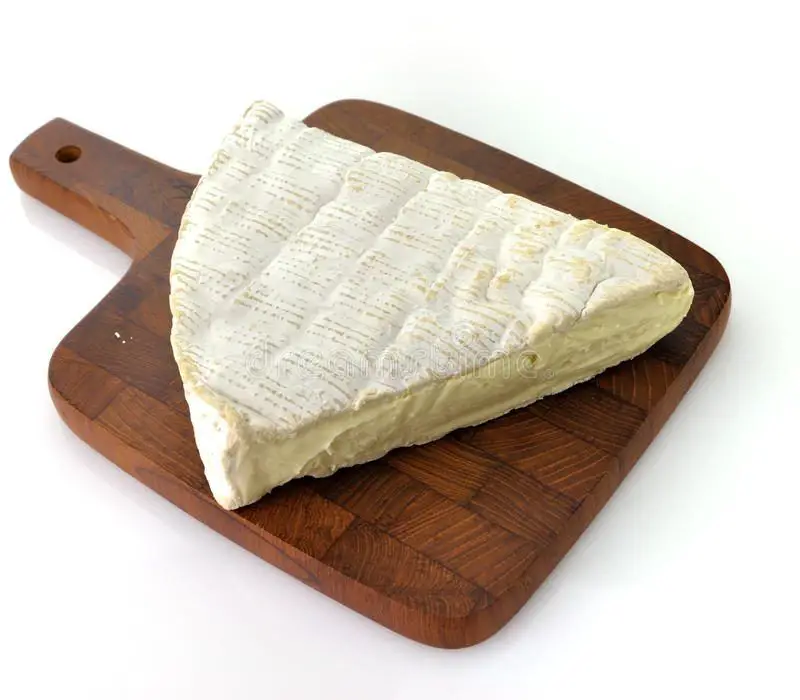
1. A Cheese Fit for Royalty
Brie has been adored since the Middle Ages, even earning the title “Queen of Cheeses” at royal feasts. Its luxurious roots might explain its enduring allure.
2. Texture That Comforts the Soul
Brie’s creamy texture activates the brain’s pleasure centers, indulging and soothing every bite.
3. Cultural Symbol of Sophistication
Craving Brie often ties to its role in fancy gatherings or cozy moments—it’s more than a cheese; it’s an experience.
4. Nutrients Calling Your Name
Low on calcium? Brie’s nutrient-dense makeup may be your body asking for a natural boost.
5. Flavor Chemistry at Its Best
Brie’s buttery, umami-filled profile, and tangy rind create a balanced flavor that’s impossible to resist.
Beyond the Reasons — Managing Brie Cravings Healthily

- Could Your Brie Cravings Signal Something Deeper?
Cravings can be expected, but when they become intense or recurring, they might point to deeper patterns like Binge Eating Disorder (BED). This pattern often ties into the binge-diet cycle, which works like this:
- Restrict – Strict dieting or avoiding indulgences like brie creates deprivation.
- Crave – Deprivation triggers intense cravings.
- Overeat – Cravings lead to overeating, often uncontrollably.
- Guilt – Post-binge shame creates a cycle of blaming yourself.
- Repeat – Attempts to fix it through more restrictions renew the cycle.
Breaking free starts with understanding these patterns and addressing the emotional and physical needs behind them. The Eating Enlightenment 3-Step Process offers a compassionate way forward.
Step 1: Foundation Through Nutritional Journaling
Start tracking meals and cravings. Are you regularly skipping meals or missing key nutrients, like calcium or healthy fats, that brie provides? Balanced meals prevent hunger, which can set off intense cravings.
Step 2: Mindfulness of Triggers via Reflection
Pause and reflect when a craving hits. Are you stressed, tired, or seeking comfort? Journaling lets you identify patterns. Maybe brie at the end of a long day feels like a reward or a way to relax.
Step 3: Exploring Inner Parts and Voices
Cravings often stem from unmet emotional needs. Use journaling to explore feelings like loneliness or the need for acceptance.
For example, a craving might represent an inner rebel opposing your dieting rules or a lonely inner voice seeking comfort. By listening to these parts of yourself, you can heal emotional wounds and reduce the reliance on food for comfort.
By following this process, cravings can become opportunities for self-awareness rather than moments of guilt. Your craving for brie isn’t just about cheese—it’s your body and mind asking for attention.
Practical Tips to Manage Cravings:

- Satisfy Moderately: Enjoy a small portion of brie mindfully, pairing it with whole-grain crackers or fruits.
- Diversify Nutrient Sources: Opt for other calcium or healthy fat-rich foods to meet your body’s needs without over-reliance on cheese.
- Explore with Journaling: Commit daily to tracking your cravings and behaviors to understand your patterns better.
Conclusion:

Craving brie cheese can reveal surprising insights, from potential nutrient needs to emotional connections and sensory preferences.
It’s more than a cheesy indulgence—your body and mind communicating with you. Reflect on your eating patterns and consider what your cravings might be saying.
To deepen your understanding, download the free Eating Enlightenment Journal App. It’s a simple tool for tracking cravings, uncovering patterns, and making mindful food choices.
Your brie cravings hold a story—are you ready to discover it? Download the app today and take a step toward mindful eating and food freedom!