


Have you ever been caught off guard by a sudden craving for beets? Maybe you were walking through the produce aisle, and their deep, earthy hues seemed to call out to you, sparking an undeniable urge to include them in your next meal.
You might have thought, “Why am I craving beets?” Well, you’re not alone in this curious experience. Cravings can often seem random, but they’re rarely without reason—your body could be trying to tell you something important.
When it comes to food cravings, understanding the “why” matters. These cravings can serve as powerful clues about your body’s nutritional needs, emotional state, or even the demands of your day-to-day habits. Beets, in particular, are not just another vegetable—they’re brimming with surprising benefits.
From their nutrient-packed profile to their role in supporting energy and overall health, there’s more to this root vegetable than meets the eye.
Curious? Great! Together, we’ll dig into five compelling reasons your body might be nudging you toward beets. By the end, you might discover more about not just the humble beet but also how to tune into the language of your body and give it what it needs. Sound good? Let’s get started!

Reason #1: Nutritional Deficiency
- Scientific Explanation: Beets are rich in essential nutrients like iron, folate, and vitamin C. A craving might indicate a deficiency in these nutrients, particularly iron, which is crucial for energy and overall health.
- Nutritional Insight: Beets are also high in nitrates, which can improve blood flow and lower blood pressure.
- Journaling Prompt: Reflect on your recent meals. Are you getting enough iron-rich foods? Use a food journal to track your nutrient intake and identify any gaps.
Reason #2: Boosting Endurance and Energy
- Scientific Explanation: Beets contain nitrates that enhance athletic performance by improving oxygen use and stamina.
- Anecdotal Evidence: Many athletes incorporate beet juice into their diet for a natural energy boost.
- Journaling Prompt: Note your energy levels throughout the day. Do you notice a dip in energy that coincides with your beet cravings?
Reason #3: Psychological and Emotional Factors

- Psychological Insight: Cravings can sometimes be linked to emotional needs or stress. Beets’ vibrant color and earthy taste might provide comfort or nostalgia.
- Mindfulness Approach: Use journaling to explore any emotional triggers associated with your cravings. Are there specific situations or feelings that lead you to crave beets?
Reason #4: Health Benefits and Disease Prevention
- Scientific Explanation: Beets have been linked to reduced risk of heart disease and cancer due to their antioxidant properties.
- Health Benefits: Regular consumption of beets can support heart health and protect against oxidative stress.
- Journaling Prompt: Consider your health goals. How do beets fit into your overall wellness plan?
Reason #5: Iron Deficiency and Anemia
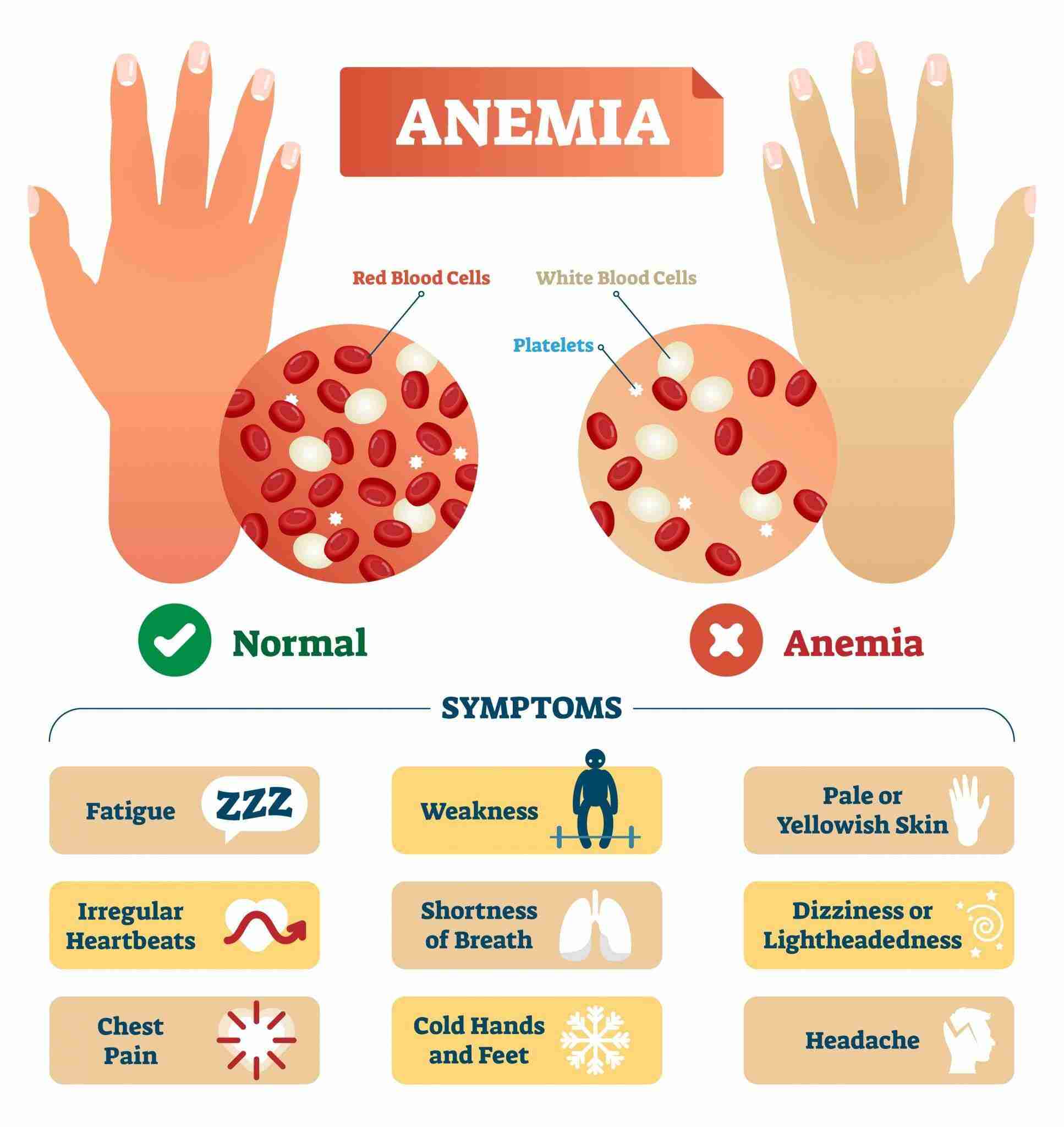
- Scientific Explanation: Craving beets might be a sign of iron deficiency or anemia, as beets are a good source of iron.
- Nutritional Insight: Iron is vital for producing hemoglobin, which carries oxygen in the blood.
- Journaling Prompt: Track your symptoms and dietary intake. If you suspect anemia, consult a healthcare professional for a blood test.
Understanding Cravings and Binge Eating Disorder
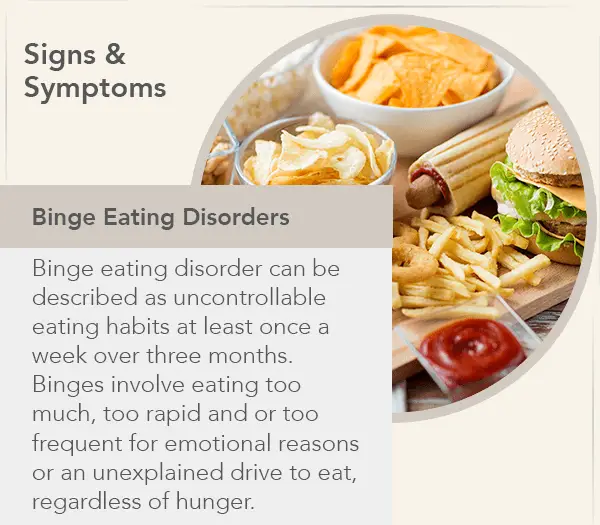
Cravings are often dismissed as trivial, but persistent cravings can hint at more profound issues, like binge eating disorder (BED). BED isn’t just about willpower—it’s rooted in emotional, psychological, and even biological factors. Recognizing cravings as signals rather than simple urges is the first step in understanding their origin.
BED often follows a binge-diet cycle. Restrictive dieting—skipping meals or cutting out “forbidden” foods—creates a state of deprivation, much like tightening a coiled spring. Eventually, the pressure becomes too great, and a triggering event can lead to a binge—an episode of consuming large amounts of food accompanied by a sense of losing control.
What follows is shame, guilt, and the resolve to diet again, thus perpetuating the harmful cycle. This pattern can damage self-esteem and make freedom from it seem unattainable.
Debunking Common Myths About Cravings for Beets

Beet cravings can raise curiosity, but misconceptions abound. Here are the truths behind the most common myths.
1. Myth: Craving Beets Means You’re Iron Deficient
Truth: Beets contain iron but are not the best source. Craving them is likely linked to their nitrates, which boost energy and blood flow. Focus on iron-rich foods like spinach or consult a doctor for iron deficiency.
2. Myth: Beets Are a Pregnancy Craving Staple
Truth: There’s no evidence tying beet cravings to pregnancy. Their natural sugars and nitrates may attract anyone needing an energy boost, not just expectant mothers.
3. Myth: Beet Cravings Are Detox-Driven
Truth: Beets support liver health due to antioxidants, but cravings likely stem from their hydration-friendly potassium and folate, not mythical detox powers.
4. Myth: Cravings Are Random
Truth: Cravings often meet needs—beets are great for quick energy and recovery after workouts. If you’ve been active, this could explain the pull.
5. Myth: Cravings Indicate Health Issues
Truth: Craving beets doesn’t mean you’re sick. Their benefits, like improved blood flow, may appeal naturally. Persistent or unusual cravings? Consult your doctor.
Eating Enlightenment Approach
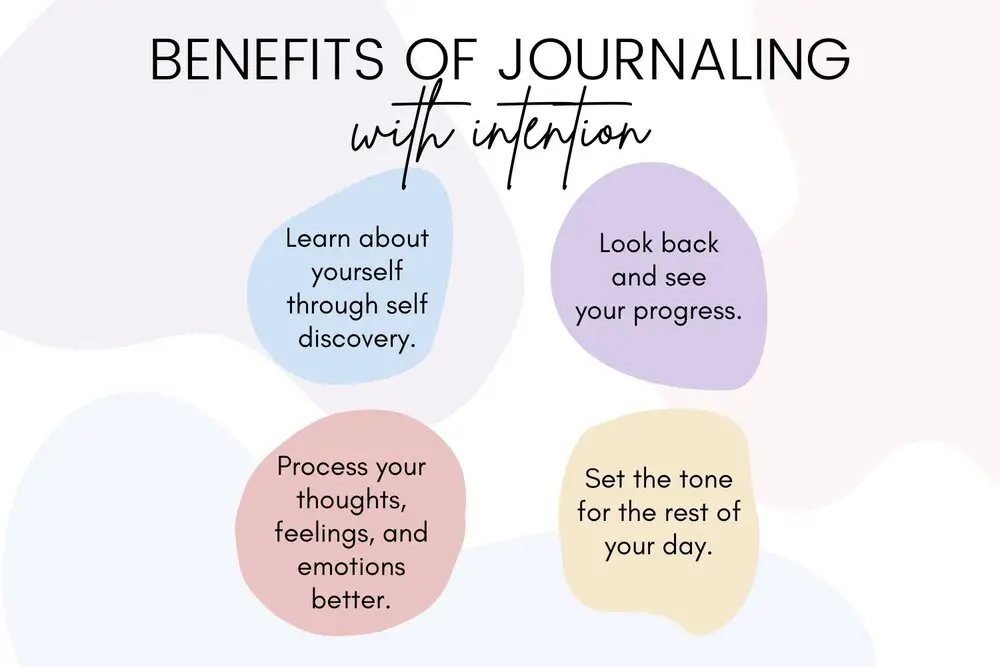
Breaking the binge-diet cycle begins with understanding the roots of your cravings and eating patterns. The Eating Enlightenment approach offers a compassionate path to healing, starting with nutritional journaling.
By tracking your meals, you’ll identify patterns such as undereating earlier in the day that lead to nighttime binges. This step ensures your body gets nourishment, reducing physical cravings.
Next comes mindfulness of triggers. Cravings often mask emotions like stress or sadness. Journaling your feelings and food intake can help uncover the emotional drivers behind cravings.
For instance, you might find that certain comfort foods appear after tough conversations or stressful days. This awareness helps break the emotional eating cycle by distinguishing hunger from emotional needs.
Finally, journaling can help you address deeper wounds. Cravings may stem from past traumas or unresolved emotions. Journaling can help you connect with your “inner voices,” such as an inner critic or a part seeking comfort in food.
Tools like Internal Family Systems therapy can guide this process, allowing you to heal and reclaim a balanced relationship with food.
The Eating Enlightenment approach moves beyond diets to create lasting transformation by addressing surface-level patterns and deeper emotional drivers. It empowers you to break free from the cycle with compassion and self-understanding.
Conclusion

Beets are a nutritional powerhouse, offering vitamins, minerals, and nitrates that boost energy and support heart health. Their versatility makes them easy to add to your meals—try them in salads, smoothies, or roasted dishes for a simple way to enhance your well-being.
Cravings often reveal what your body needs, so take a moment to reflect on your dietary habits. Listening to these signals can guide you toward balance and nourishment. Beets are a great example of how nutritious foods can bring variety and vitality to your plate.
Download the free Eating Enlightenment Journal App for extra support. Use it to track cravings and develop mindful eating habits that align with your goals. Understanding your cravings is a meaningful step toward a healthier relationship with food.
Remember to trust your body and make choices that prioritize your well-being. Small changes, like adding beets, can lead to significant transformations. Your wellness journey starts with mindful decisions—one bite at a time!