


Have you longed for the salty, smoky indulgence of bacon lately? You’re not alone. Cravings—especially when they appear suddenly and intensely—can feel puzzling.
You might wonder, “What is my body trying to tell me?” The truth is, cravings are often clues, little signals from your physical and emotional self. When we take the time to explore them, we can uncover deeper needs.
Together, let’s unpack five possible reasons why you’re craving bacon. This isn’t about judgment or restriction—it’s about understanding and reconnecting with yourself.

1.Your Body Might Need More Protein
Have you considered that your craving could come from your body’s need for nourishment? Bacon is rich in protein, a vital building block for your muscles, tissues, and energy levels. If your diet has been low in protein, this craving might be your body’s gentle nudge to replenish what’s missing.
Pause momentarily and ask yourself, “Have I been fueling my body with enough protein lately?” If the answer is no, consider adding other protein-rich foods to your meals—like eggs, beans, tofu, chicken, or nuts. Your body has a way of asking for what it needs, and with attention, you can meet those needs lovingly.
2. You May Be Low on Sodium
Bacon’s signature salty flavor can also indicate a sodium deficiency. Sodium helps balance the body’s fluids and plays a key role in muscle and nerve function.
If you’ve been sweating a lot from exercise or your diet has been deficient in salt, your body might seek out salty foods like bacon to correct the imbalance.
Take a moment to reflect, “Have I been staying hydrated? Have I been eating enough?” If sodium is the reason behind your craving, other ways exist to satisfy your body without overindulging.
Add a pinch of sea salt to a meal or enjoy naturally salty foods like olives, pickles, or lightly salted popcorn.
3. You’re Seeking Comfort or Nostalgia

For many, bacon carries emotional weight. It may remind you of big family breakfasts or lazy Sunday mornings.
Food often connects us to our memories, and craving bacon might be your heart’s way of reaching for comfort, familiarity, or a sense of home.
Ask yourself, “What does bacon represent to me emotionally? Am I longing for comfort right now?” If your craving feels more emotional than physical, honor those feelings. Wrap yourself in a cozy blanket, call a loved one, or recreate a comforting moment. It’s okay to need a little extra care.
4. Your Body Craves Fat for Energy
Bacon is also high in fat, which is okay despite what we’re often taught. Fat is a concentrated energy source; your body needs healthy fats to function correctly.
If you’ve been cutting back on fats or feeling particularly tired, this desire for bacon could be your body’s way of asking for an energy boost.
Take a moment to ask yourself, “Am I getting enough healthy fats in my diet?” Foods like avocados, nuts, seeds, and fatty fish like salmon can provide your body with healthy fats without the potential downsides of overindulging in processed options.
5. It Might Be a Simple Want—and That’s Okay
Sometimes, a craving isn’t about nutritional gaps or unspoken emotions but about enjoyment. Bacon tastes good. It’s satisfying and indulgent and adds an undeniable flavor to many dishes.
It’s okay to crave things simply because they make you happy. Cravings don’t always need to be solved or resisted. They can be honored, savored mindfully, and enjoyed without guilt. Ask yourself, “Am I listening to my body with curiosity rather than judgment?” Remember, one meal will help your overall health.
How to Stop Bacon Cravings with Journaling and Mindfulness

To stop bacon cravings, start by nourishing your brain with balanced meals rich in proteins, healthy fats, and carbs. This helps reduce cravings by stabilizing your mood and energy levels.
Next, practice mindful journaling before eating. Write about your hunger, emotions, and whether your body needs bacon. This self-reflection helps you become aware of emotional triggers and make conscious choices.
Mindful journaling is a vital part of cognitive-behavioral therapy (CBT) for food cravings, as it helps reframe unhealthy thought patterns. For support, try the Eating Enlightenment App to guide your
How to Stop Bacon Cravings: Best Tips
- Eat Balanced Meals: Ensure your meals include proteins, healthy fats, and complex carbohydrates. Proper nutrition stabilizes blood sugar and reduces cravings, making you less likely to reach for bacon.
- Hydrate Well: Sometimes, cravings are a sign of dehydration. Drink plenty of water throughout the day to stay hydrated and curb unnecessary cravings.
- Practice Mindful Eating: Before you eat, pause and check in with yourself. Are you starving or just craving bacon out of habit or emotion? Mindful eating helps you make conscious food choices.
- Find Healthier Alternatives: If bacon is a comfort food, try healthier alternatives like turkey bacon or plant-based options to satisfy the craving without compromising your health goals.
- Distract Yourself: Cravings often arise when you’re bored or stressed. To distract yourself from food, engage in activities like walking, reading, or journaling.
- Incorporate CBT Journaling: Use Cognitive Behavioral Therapy (CBT) journaling to explore your cravings. Write down when you crave bacon and how you feel in those moments. This helps identify patterns and emotional triggers, empowering you to manage cravings more effectively.
- Heal Emotional Eating: Cravings may be tied to emotional needs or past trauma. Focus on healing these underlying issues through journaling, therapy, or practices like Internal Family Systems (IFS) to address the root causes of your cravings.
Combining these tips can reduce bacon cravings and develop a more balanced, mindful relationship with food.
Benefits of Eating Bacon
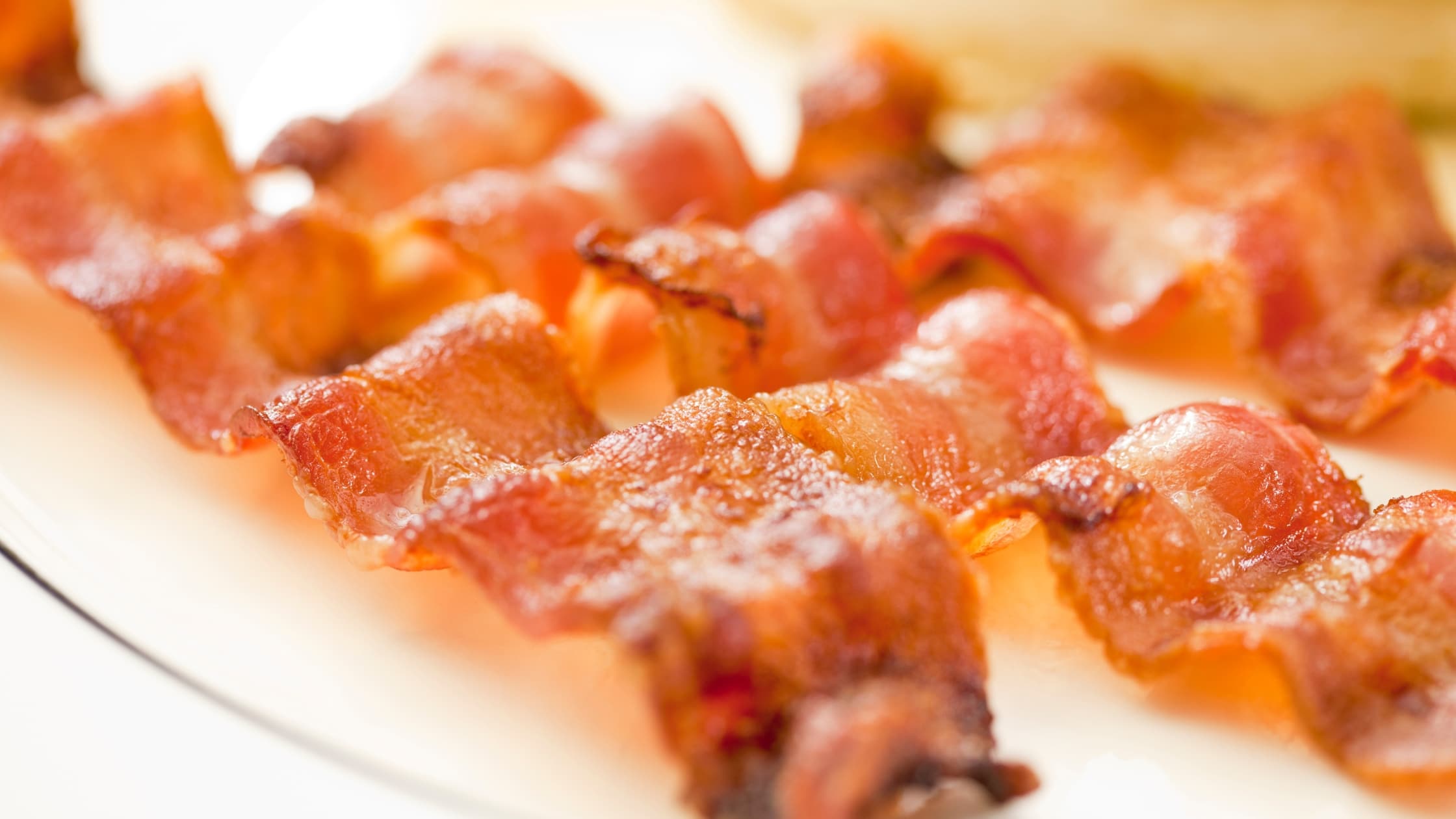
- Good Source of Protein: Bacon provides high protein essential for muscle building, tissue repair, and overall bodily functions.
- Rich in Healthy Fats: Bacon contains monounsaturated and saturated fats, which can support heart health when eaten in moderation.
- Vitamins and Minerals: Bacon is a good source of essential nutrients such as vitamin B12, zinc, and selenium, which support immune function and energy production.
- Satisfying and Delicious: Bacon is often seen as a comfort food, offering rich, savory flavors that can help satisfy hunger and cravings.
Disadvantages of Eating Bacon
- High in Sodium: Bacon is often high in salt, which can contribute to high blood pressure and increase the risk of heart disease if consumed in excess.
- High in Saturated Fat: While bacon contains some healthy fats, it also has a significant amount of saturated fat, which can raise cholesterol levels and negatively affect cardiovascular health.
- Processed Meat: Bacon is a processed meat, which has been linked to an increased risk of certain health conditions, including cancer, especially colorectal cancer, according to studies by organizations like the World Health Organization (WHO).
- May Contribute to Weight Gain: Bacon is calorie-dense, and frequent consumption without mindful portion control may contribute to weight gain and obesity.
- May Impact Digestion: Due to its high fat and sodium content, bacon can sometimes lead to digestive issues like bloating or discomfort, especially for sensitive digestive systems.
How to Stop Bacon Cravings by Healing Trauma and Inner Parts

Bacon cravings may be linked to unresolved trauma or emotional pain. Often, comfort foods like bacon are used to self-soothe during stress.
Start by focusing on nutrition with balanced meals that stabilize your mood. Then, practice mindful CBT journaling before eating, reflecting on your cravings, emotions, and hunger levels. This helps develop awareness and healthier habits.
As you progress, incorporate Internal Family Systems (IFS) journaling to identify the “parts” of yourself driving the craving, such as an inner child seeking comfort. Healing these parts with compassion can break the cycle.
To further support this process, try the Eating Enlightenment Course for tools to heal emotional eating and trauma-related cravings. This holistic approach helps you overcome cravings and build a healthier relationship with food.
Listening to Your Cravings
Cravings are not the villains they’re often made out to be. Instead, think of them as messengers. Whether your body is speaking or your heart is calling out, cravings offer a chance to pause, reflect, and take care of yourself thoughtfully.
Take your time with this. Be patient. If you’re reaching for that slice of bacon, allow yourself to savor it. If you’re exploring other ways to meet your needs, lean into those too. There’s no perfect path—only one that feels right for you.
And remember, you’re not alone in this discovery. Cravings are part of being human, and each one is an opportunity to understand better the incredible, complex person you are.