

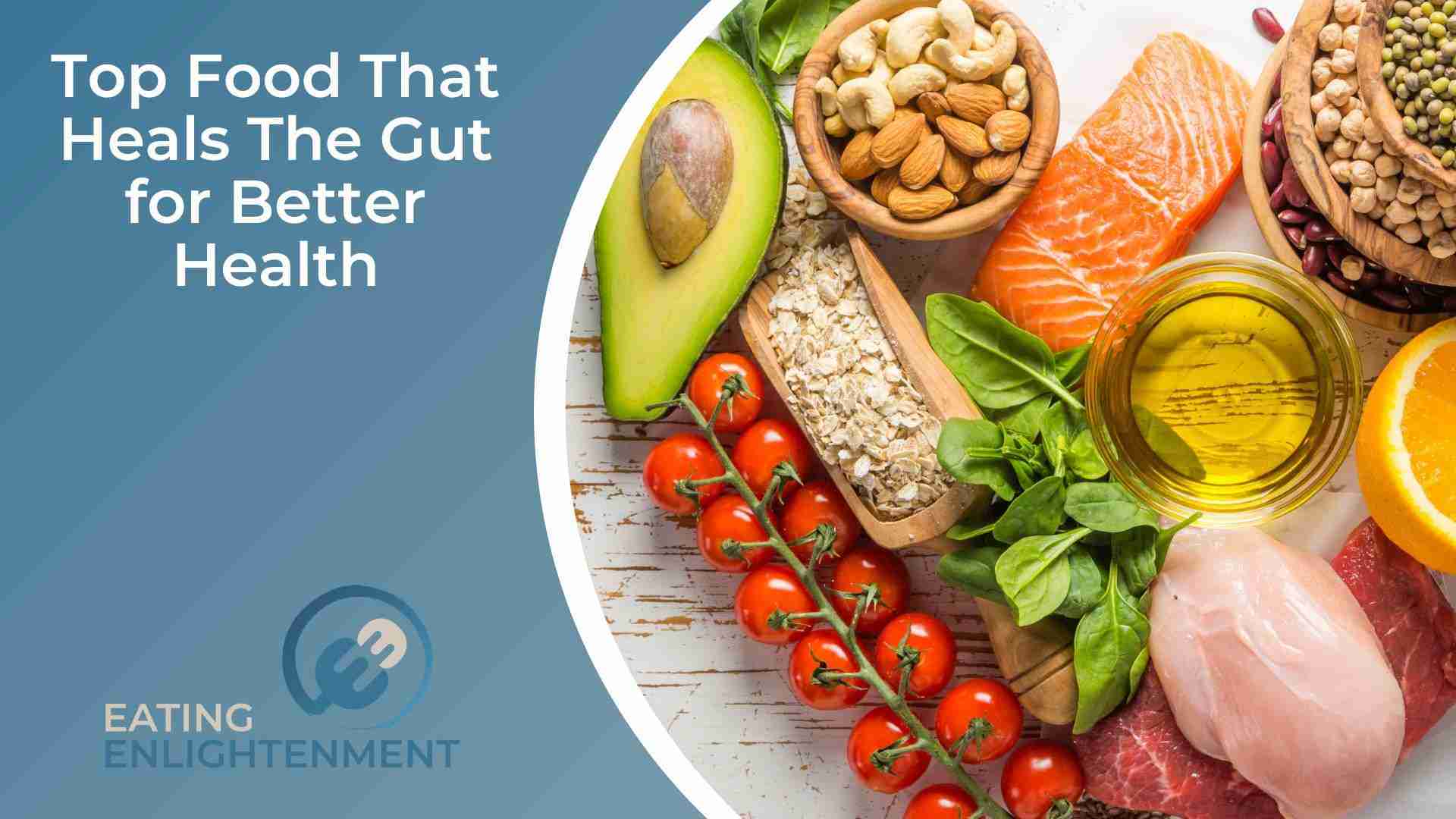
Are you looking for food that heals the gut? A healthy gut is essential for digestion, immune function, and overall well-being due to the presence of healthy bacteria. Eating foods that nourish beneficial gut bacteria, such as fruits, vegetables, and whole grains, while avoiding those that may irritate the digestive system, is crucial for promoting gut health. In this article, we’ll explore the top foods that can help restore and maintain gut health.
Key Takeaways About Food That Heals The Gut
- A healthy gut is crucial for overall well-being, influencing digestion, nutrient absorption, immune function, and mental health. Imbalances in the gut microbiome can lead to chronic inflammation, digestive issues, and mental health disorders.
- Incorporating foods such as fermented foods, high-fiber foods, fruit and vegetables, and healthy fats into your diet can promote a balanced gut microbiome, support healthy gut bacteria, reduce inflammation, and support overall digestive health.
- Limiting ultra-processed foods, high sugary foods, and individual dietary intolerances is crucial for maintaining gut health, as these can disrupt gut bacteria balance and cause inflammation.
Understanding Gut Health and Microbiome
Gut health is more than just a trendy topic; it’s a vital aspect of our overall health and well-being. The health of our gut, which is often referred to as the “second brain”, has shown to impact our health in several ways including improved heart health, reduced risk of colon cancer, and better sleep patterns and mood. A healthy gut hinges on understanding the gut microbiome and identifying symptoms of maldigestion. The digestive tract is home to trillions of microorganisms, including bacteria, viruses, and fungi, that play crucial roles in:
- Digestion
- Nutrient absorption
- Immune function
- Host protection
- Produce neurotransmitters
- Mental health
Certain foods, particularly fermented items and those high in fiber, can significantly support gut health by enhancing digestion and protecting against gastrointestinal disorders.
Maintaining a healthy gut involves a delicate balance of good and bad bacteria. This is done by promoting good bacteria to avoid an imbalance of bad bacteria also known as dysbiosis.
An unhealthy gut can manifest in various ways, including:
- Chronic inflammation
- Digestive discomfort
- Irritable bowel syndrome (IBS)
- Leaky gut syndrome
What is Gut Health?
Gut health refers to the balance of the gut microbiome, which is the community of microorganisms that live in the digestive system. A healthy gut microbiome is essential for overall health and well-being, as it plays a crucial role in digestion, immune function, and the production of certain vitamins. The gut microbiome is composed of trillions of microorganisms, including bacteria, viruses, and fungi, which work together to maintain a delicate balance. When the balance of the gut microbiome is disrupted, it can lead to digestive symptoms, inflammation, and other health problems.
The Gut-Brain connection
The gut microbiome is a diverse community of trillions of microorganisms, residing in our digestive tract. These gut microbes are not just passive inhabitants; they are actively contributing to our health, in particular our brain health. The gut and brain have a two-way communication system, they talk to each other! The gut-brain connection links your central nervous system with your enteric nervous system, by a complex network of nerve cells and neurotransmitters.
This establishes a profound gut-brain connection and has shown to have a direct effect on each other. Have you ever wondered why you feel “butterflies” when you are feeling nervous, or feel irritable or fatigued when you experience digestive issues?
Gut microbiome has shown to influence this bi-directional communication. There is increasing research that improved gut microbiome could help reduce symptoms of mental health conditions such as anxiety and depression.
Signs of an Unhealthy Gut
An unhealthy gut can present itself through a range of symptoms, often affecting more than just the digestive system. Common signs include digestive discomfort such as bloating, gas, constipation and diarrhea. Chronic inflammation in the gut can also manifest as skin problems, fatigue, and even mood disturbances, highlighting the gut’s extensive impact on overall health.
Recognizing these symptoms early and taking steps to improve gut health can help prevent more severe health issues. Dietary changes, along with lifestyle modifications, can significantly enhance gut function and promote a healthier, more balanced microbiome.
In the upcoming section, we will explore the top foods that aid gut healing and their impact on transforming digestive health.
Which foods are best to improve gut health?
The journey to heal the gut takes time and begins with choosing the appropriate foods for you. Incorporating gut-healthy foods into your diet can promote a balanced microbiome, reduce inflammation, and enhance overall digestive health. Including certain foods, particularly fermented items and those high in fiber, can significantly support gut health by enhancing the balance of the gut microbiome. It is important to note that everyone has a unique gut and therefore a unique gut diet. Even identical twins have shown to tolerate foods differently!
There are several types of foods known for their gut-healing properties, including:
- Fermented foods
- High-fiber foods
- Fruit and Vegetables
- Nuts and seeds
- Healthy fats
Fermented Foods
Fermented foods serve as a potent resource for gut health. They are created through the process of fermentation, where natural bacteria feed on the sugar and starch in the food, creating lactic acid. This process not only preserves the food but also creates beneficial enzymes, vitamins, and probiotics. Probiotics are live good bacteria and are contained in foods like yogurt and kefir, kimchi and sauerkraut. They are excellent sources of probiotics that support a healthy gut microbiome.
Regularly consuming fermented foods can significantly improve gut health by introducing active probiotic cultures that enhance the diversity and balance of gut bacteria. Kombucha, a fermented tea drink, and fermented vegetables like pickles and tempeh, are also excellent additions to a gut-healthy diet. Integrating these foods into your daily meals can contribute to maintaining and enhancing gut health.
Tip: Add kefir/yogurt to smoothies or on top of fruit, add kimchi into scrambled eggs/rice
Prebiotic-Rich Foods
Prebiotic-rich foods are essential for maintaining a healthy gut microbiome and supporting digestive health. These foods contain non-digestible fibers that feed the good bacteria in the gut, helping them thrive. Examples of prebiotic-rich foods include:
- Onions: A versatile ingredient that can be added to a variety of dishes.
- Garlic: Known for its flavor and health benefits, garlic is a prebiotic powerhouse.
- Asparagus: A delicious vegetable that can be grilled, steamed, or added to salads.
- Bananas: A convenient snack that also supports gut health.
- Oats: A breakfast staple that can be enjoyed in many forms, from oatmeal to smoothies.
- Barley: A nutritious grain that can be used in soups, stews, and salads.
- Rye: Often found in bread, rye is another excellent source of prebiotics.
- Apples: A fruit rich in fiber and prebiotics, perfect for snacking or adding to recipes.
- Berries: Packed with antioxidants and prebiotics, berries are a great addition to any diet.
These foods are rich in inulin, a type of fiber that is not digestible by the body but is fermented by the good bacteria in the gut, producing short-chain fatty acids that provide energy to the cells lining the colon. Incorporating these prebiotic-rich foods into your diet can help maintain a healthy gut microbiome and support overall digestive health.
High-Fiber Foods
High-fiber foods act as prebiotics, nourishing the beneficial bacteria in the gut, thereby playing a vital role in gut health. This helps promote a healthy digestive tract by enhancing the amount of good bacteria. Some examples of high-fiber foods include:
- Wholegrains such as brown rice, wholegrain pasta and breads
- Fruit and Vegetables such as cauliflower, mushrooms and bananas
- Lentils, beans and pulses
Incorporating a variety of high-fiber foods into your diet can prevent constipation and promote regular bowel habits. Gradually increasing your fiber intake to about 25-38 grams per day(women/men respectively), through foods like whole grains and legumes, can help you promote optimal gut health. Bear in mind, building up gradually, keeping hydrated, maintaining consistency and variety is paramount, so strive to incorporate different fiber-rich foods into each meal.
Here are a few examples of the amount of fiber that are naturally high in fiber;
- 1 pear with skin (6g)
- 1 cup raspberries (8g)
- ½ cup black beans (7.5g)
- ½ cup lentils (6.6g)
- 1 cup kale (7g)
Tip: Start adding 1-2tbsp beans/pulse to your meals, add an extra vegetable to your meals, change from white wholegrains to brown
Fruit and Vegetables
Fruit and vegetables are not only high in fiber and vitamins, but they also contain antioxidants such as polyphenols that have shown to have gut protective properties as they can protect cells from damage and shown to promote the growth of good gut bacteria.
Tip: They are contained in colorful fruit and vegetables so eat the rainbow!
Nuts and Seeds
Nuts and seeds are excellent sources of fiber, polyphenols and omega-3 fatty acids. Some good nuts and seeds to start incorporating into your diet include; walnuts, pine nuts, almonds, chia seeds, flaxseeds, cashews and sunflower seeds. They are often forgotten about but yet are very easy way to add to your diet. Because of their size they are also very easily incorporated too quickly which can sometimes cause the opposite effect, especially if your current diet is low in fiber.
Tip: Start with 1-2 tsp in overnight oats or over a salad
Healthy Fats
Healthy fats, also known as unsaturated fats, derived from sources such as extra-virgin olive oil, avocados, and nuts such as walnuts, oily fish such as salmon and mackerel, are vital in mitigating inflammation and bolstering gut health. These fats provide essential fatty acids, such as omega-3, that help maintain the integrity of the gut lining and promote diverse microbiome.
Tip: Create your own olive oil based salad dressing
Gut-Healing Foods
Gut-healing foods are rich in nutrients and compounds that help to heal and repair the gut lining. These foods are essential for maintaining a healthy gut microbiome and supporting digestive health. Examples of gut-healing foods include:
- Fermented Foods: Foods like kimchi, sauerkraut, kefir, and yogurt contain live cultures of beneficial bacteria that help populate the gut with healthy bacteria.
- Omega-3 Rich Foods: Fatty fish, flaxseeds, and chia seeds are excellent sources of omega-3 fatty acids, which help reduce inflammation and promote healing in the gut.
- Bone Broth: Rich in collagen, bone broth helps heal and repair the gut lining.
- Anti-Inflammatory Foods: Turmeric, ginger, and cinnamon are known for their anti-inflammatory properties and can help reduce inflammation and promote healing in the gut.
Incorporating these gut-healing foods into your diet can significantly improve your digestive health and support a balanced gut microbiome.
Anti-Inflammatory Foods
Anti-inflammatory foods contain compounds that help reduce inflammation in the body, which is crucial for maintaining a healthy gut microbiome and supporting digestive health. Examples of anti-inflammatory foods include:
- Turmeric: Contains curcumin, a compound with potent anti-inflammatory properties. Add turmeric to soups, stews, or smoothies for a health boost.
- Ginger: Known for its digestive benefits, ginger contains gingerol, which has anti-inflammatory properties. Use fresh ginger in teas, stir-fries, or baked goods.
- Cinnamon: Contains cinnamaldehyde, which has anti-inflammatory properties. Sprinkle cinnamon on oatmeal, yogurt, or in your coffee.
- Fatty Fish: Salmon and sardines are rich in omega-3 fatty acids, which help reduce inflammation. Include fatty fish in your diet at least twice a week.
Incorporating these anti-inflammatory foods into your diet can help reduce inflammation, support a healthy gut, and improve overall digestive health.
Bone Broth
Bone broth is a nutrient-rich food made by simmering animal bones in water. It is rich in collagen, which helps heal and repair the gut lining. Bone broth is also packed with minerals such as calcium, magnesium, and phosphorus, which are essential for maintaining a healthy gut microbiome. Drinking bone broth regularly can help to:
- Heal and repair the gut lining
- Reduce inflammation
- Improve digestive health
- Support the growth of beneficial bacteria in the gut
Incorporating bone broth into your diet is simple. You can sip it as a warm beverage, use it as a base for soups and stews, or add it to recipes for an extra nutrient boost. Regular consumption of bone broth can significantly enhance your gut health and overall well-being.
More on Probiotic and Prebiotic Foods
Probiotic and prebiotic foods act differently and therefore work together to maintain a healthy gut microbiome. Probiotics introduce beneficial bacteria to the gut, while prebiotics nourish these bacteria, creating a balanced and thriving gut environment.
Incorporating a range of probiotic and prebiotic foods in your diet is crucial for supporting healthy gut bacteria. They don’t have to be consumed together however here are some good mixing ideas;
- Homemade banana bread with almond flour and kefir
- Overnight oats with tsp chia seeds, raspberries, and probiotic yogurt
- Tempeh stir fry with onion, garlic, green beans, kale and brown rice
Foods thats can negatively impact Gut Health
To maintain a balanced microbiome and prevent digestive issues, it’s important to minimize foods that have a negative impact on gut health. Some foods include:
- Ultra-processed foods
- High sugary foods
- Dietary intolerances and allergies
These foods can disrupt the gut bacteria balance and lead to inflammation.
Knowing which foods to steer clear of and the reasons behind it can assist in making healthier dietary choices that bolster gut health. In the following subsections, we will explore these harmful foods in more detail and provide tips on how to eliminate them from your diet.
Ultra-Processed Foods
Ultra-processed foods are mostly packed substances extracted from foods including artificial substances like additives to enhance color or flavor, preservatives, stabilizers and emulsifiers that can harm gut health and reduce the nutritional density of foods. These components can disturb the gut microbiome, reduce bacterial diversity, and trigger inflammation leading to poor gut health and increase the risk of chronic diseases.
Examples of ultra-processed foods include; processed meats such as hot dogs, fast food, packaged cookies and cakes, candy, certain energy bars, and instant noodles.
For a healthy gut, it’s important to:
- Reduce the consumption of ultra-processed foods – can you make it at home yourself?
- Concentrate on whole, natural foods
- Read labels – how many ingredients are listed? Can you buy these ingredients from the grocery store?
- If possible opt for some organic produce
Sugars and Artificial Sweeteners
High sugary foods and drinks can disrupt the balance of gut bacteria, leading to inflammation and digestive issues. High sugar intake feeds harmful gut bacteria, promoting an unhealthy gut environment. Artificial sweeteners like saccharin and sucralose have been shown to alter the gut microbiota and blood sugar responses in some studies however more reliable research is required in this area.
Limiting the intake of “added sugars” products is a good modification for maintaining a healthy gut. Opting for natural sweeteners and whole foods can help preserve the balance of good bacteria in your gut and prevent digestive discomfort. Some natural sweeteners to consider include:
- Honey
- Maple syrup
- Stevia
- Coconut sugar
- Dates
By choosing these alternatives, you can satisfy your sweet tooth while still taking care of your gut health.
Food intolerances and dietary allergies
For individuals with sensitivities or intolerances, when consumed these foods it can increase the inflammation in your digestive tract. Dietary intolerances are very individualized. Some examples of common food intolerances include; Gluten, a protein found in wheat, barley, and rye, can cause gut inflammation in people with celiac disease (auto-immune condition) or those with gluten sensitivity. Similarly, dairy products can lead to bloating, gas, and diarrhea, in those with lactose intolerance. Those with IBS may have identified high FODMAP foods such as onions and garlic that cause them to have digestive distress.
If you experience digestive discomfort after consuming certain foods it may be beneficial to complete a food and symptom diary to identify a pattern, speak to a dietitian, and/or speak to your health practitioner to seek further testing. If you are avoiding certain food groups it is essential that they are replaced with an alternative food source to ensure your diet stays balanced and varied to prevent you from excluding certain vitamins, minerals and fiber. These substitutions can help maintain gut health without triggering adverse reactions.
Lifestyle Tips for a Healthy Gut
Maintaining a healthy gut involves more than just a balanced diet; it requires a comprehensive lifestyle approach. Key factors include stress management, regular exercise, stop smoking, and adequate sleep. Going back to the gut-brain connection, each of these elements plays a significant role in maintaining a balanced gut microbiome and overall digestive health.
Stress Management
Stress is a major factor that can negatively impact gut health. Chronic stress can alter gut permeability, leading to “leaky gut” syndrome, where toxins and bacteria enter the bloodstream, causing inflammation and affecting brain function. This bidirectional relationship means that mental health and gut health are closely linked.
To manage stress, consider practices such as mindfulness, meditation, and yoga. These techniques can help reduce stress levels, improve gut function, and support a healthy gut microbiome. Be mindful when you are feeling stressed of how it impacts what you are eating, as sometimes it can lead to poorer dietary choices.
Regular Exercise
Regular exercise is beneficial for maintaining a balanced gut microbiome and overall gut function. Physical activity stimulates the muscles of the gut, helping move digestive contents through the body and alleviating constipation. Activities like walking, cycling, and swimming are excellent for promoting gut health and improving digestive motility.
Incorporating regular exercise into your routine can support a healthy gut and contribute to overall well-being. Aim for at least 30 minutes of moderate physical activity most days of the week to reap the full health benefits.
Adequate Sleep
Sufficient sleep is crucial for regulating bowel movements and ensuring digestive comfort. Insufficient or poor-quality sleep can disrupt the gut microbiome, leading to digestive discomfort and other health issues. Maintaining a consistent sleep schedule and ensuring good sleep hygiene can significantly impact gut health and overall well-being.
Prioritize getting 7-9 hours of quality sleep each night to support a healthy digestive system. Establishing a calming bedtime routine and minimizing screen time 1 hour before sleep can enhance sleep quality, thereby fostering a healthy gut.
Cooking Tips for Gut Health
- Opt for seasonal vegetables and fruits to ensure nutrient-dense meals that support a healthy gut.
- To limit using processed foods can you make any of your staples from scratch and store- such as salad dressings
- Pack your cupboard with cans of beans, lentils and pulses- they are so versatile and can be addition to most meals
- Keep nuts and seeds in sight – these are often an afterthought to include in a meal
- Meal prepping is a practical approach that ensures gut-healthy foods are always included and reduces the need for fast/convenient foods
- Fermentation at home – Using a starter culture can help speed up the fermentation process for homemade yogurt
Summary
In summary, maintaining a healthy gut is individualized but essential for overall well-being. Incorporating a variety of gut-healing foods like fermented foods, high-fiber options, fruit and vegetables and healthy fats can significantly improve your digestive health. Additionally, making lifestyle changes such as managing stress, exercising regularly, stopping smoking, and getting adequate sleep can support a balanced gut microbiome. By following these tips you can embark on a journey towards better gut health and overall wellness. If you are requiring further dietary advice that is specific to you, you can book an appointment with our licensed dietitian.
Frequently Asked Questions
What are the best foods for my gut health?
Your gut, your diet! Eating foods that promote gut health is essential for maintaining a healthy gut microbiome and digestive system. There are a number of foods shown to support this, but it is important to be mindful of how it feels to you. To improve your gut health, include fermented foods, high-fiber foods, fruit and vegetables, nuts and seeds, and healthy fats in your diet. These foods can contribute to a healthier gut and overall well-being.
How do probiotics and prebiotics work together?
Probiotics introduce beneficial bacteria to the gut, while prebiotics nourish these bacteria, creating a balanced and thriving gut environment. This symbiotic relationship helps support overall gut health and function.
What foods should I limit for gut health?
To maintain good gut health, it’s best to limit ultra-processed, high sugar foods, as well as any particular food intolerances/sensitivities that you have. These can disrupt the balance of your gut flora and increase inflammation.
How can stress management improve gut health?
By managing stress through relaxation techniques and proper nutrition, you can reduce gut permeability and inflammation, thus improving gut health.
Why is sleep important for gut health?
Getting enough sleep is crucial for maintaining a healthy gut, as it helps regulate bowel movements and supports a balanced gut microbiome. Lack of sleep can disrupt these functions, leading to digestive discomfort.
SEO Title Tag: Top Foods That Heal the Gut for Better Health | Gut Healing Tips