


There’s a moment — quiet, but unmistakable — when you realize exercise isn’t about joy anymore.
Maybe it used to be. Perhaps it started as stress relief or a way to feel strong. But somewhere along the way, it became a scorecard. A punishment. A ritual you couldn’t skip without guilt gnawing at your insides.
If you’re here, reading this, you might know that feeling all too well.
This article is for those navigating the fragile, complex relationship between anorexia and exercise. It’s not about vilifying movement or prescribing rules. It’s about understanding the patterns — internal and external — that made movement feel unsafe. And gently, step by step, learning how to come back home to your body.
Curious about your relationship with food and movement?
Our free quiz offers compassionate insight to help you make sense of your journey.
Why Exercise Can Become So Entangled with Anorexia

For many, anorexia and compulsive exercise form a tight, invisible web. What looks like “discipline” from the outside is often driven by:
- Shame and fear
- A desire for control when everything else feels uncertain
- Cultural messages that glorify thinness and equate worth with effort
- Nervous system dysregulation, where stillness feels unsafe
Exercise, then, becomes less about health — and more about proving something. Surviving something. Avoiding something.
A study in the Journal of Eating Disorders found that up to 80% of individuals with anorexia nervosa engage in compulsive exercise as a core part of the disorder (Meyer et al., 2022). This isn’t just about burning calories. It’s about soothing a deeper ache that most people can’t see.
The Subtle Signs of Compulsive Movement
Sometimes, the lines blur. You might wonder: Is this healthy, or is this disordered?
Here are some red flags to notice:
- Exercising even when injured, sick, or exhausted
- Feeling panicked or guilty if you miss a workout
- Planning your entire day around exercise
- Using movement to “earn” or “burn off” food
- Anxiety, irritability, or shame when rest is needed
These aren’t moral failings. They are signals — distress calls from a body trying to survive, and a heart trying to belong.
Reclaiming Movement: A Gentle, Step-by-Step Approach

Rebuilding a relationship with movement takes time. It often begins with permission — to rest, to pause, to feel.
Here’s what that process might look like:
1. Pause to Feel
Not every pause needs to be permanent. But choosing to not move, just for a day, can reveal a lot. What comes up? Fear? Guilt? Relief? These emotions carry wisdom.
2. Redefine Movement
Can stretching count? What about walking in the sun? Dancing in your kitchen? When the body is in recovery, gentler forms of movement often feel more nourishing than punishing routines.
3. Explore Somatic Safety
Sometimes, the body needs stillness before it can enjoy movement. If your nervous system is stuck in “go” mode, slow breathing, grounding, or guided rest can open the door to healing.
→ Want to gently reconnect with your body’s cues?
Try our Mindful Meal Journal App — a space to explore hunger, fullness, and emotional needs without shame.
Cultural Conditioning: Why Movement Feels Like Obligation
Let’s name it: our culture glorifies exhaustion.
From #NoDaysOff to “beach body” marketing, the messages are relentless:
- Thin = good
- Busy = worthy
- Rest = laziness
- Pain = progress
These aren’t just individual beliefs. They’re systemic patterns — reinforced by media, fitness industries, even healthcare systems that praise weight loss at all costs.
So if movement feels compulsive, it’s not just your fault. You’re swimming in an ocean that teaches you to ignore your body, then blames you for drowning.
You deserve better.
Movement in Recovery: What It Can Look Like

Movement during anorexia recovery isn’t about hitting goals. It’s about building trust — between you and your body.
Here’s what healthy movement might feel like:
- Energizing instead of depleting
- Flexible, with permission to skip or adjust
- Joyful, playful, or meaningful
- Driven by internal cues, not guilt or fear
Think: yoga on your period. A walk without tracking steps. Dancing with your niece. Lying in bed and noticing your breath.
That’s movement, too.
When to Press Pause: The Case for Stillness in Healing
Sometimes, the most radical recovery move is to stop moving — for a while.
Especially if:
- Your heart races at rest
- You haven’t had a consistent period
- You’re not medically stable
- You dread rest days or use exercise to suppress emotion
In these moments, stillness is not weakness. It’s wisdom.
💬 “I was terrified to stop running,” said one coaching client. “But when I did, I finally heard what my body had been trying to say for years.”
How Nervous System Healing Supports Movement Recovery
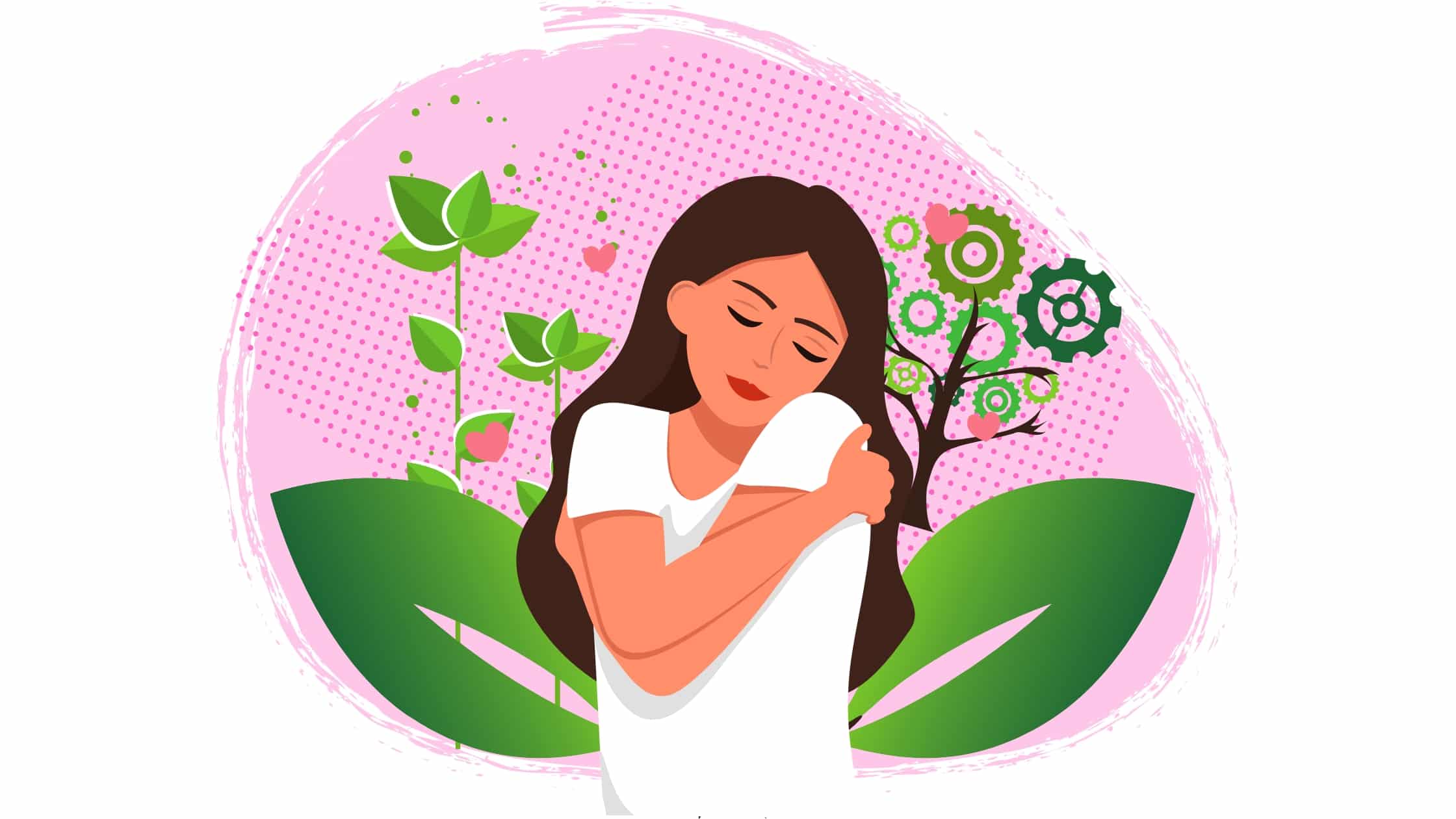
Sometimes, our compulsive drive to move isn’t just psychological. It’s physiological.
When the body is stuck in fight-or-flight, stillness can feel intolerable. That’s not you being dramatic. That’s your body saying: “I don’t feel safe here.”
Healing your relationship with exercise often involves helping your body feel safe in stillness, through:
- Co-regulation (safe relationships, therapy, touch)
- Grounding practices (breathwork, sensory awareness)
- Slow reintroduction of movement that supports presence, not performance
This is why recovery is not just about food or exercise. It’s about nervous system repair, and the reweaving of safety into your lived experience.
Next Steps: Resources to Support Your Healing
Wherever you are in your journey with anorexia and exercise, you don’t have to walk it alone. Here are some gentle supports:
- 🌱 Free Food Relationship Quiz to uncover patterns and clarify needs
- 📓 Mindful Meal Journal App to explore food and movement cues
- 🌀 Enlighten Eats Course for a full, compassionate journey through recovery
Conclusion: You Are More Than What You Do
If movement has become a prison, know this:
Your body is not the enemy.
Stillness is not failure.
And your worth has never, ever depended on how much you move.
You are not broken. You are healing.
And you are allowed to rest.
When you’re ready, our free quiz is here to help you understand your relationship with food and movement — no judgment, just insight.