

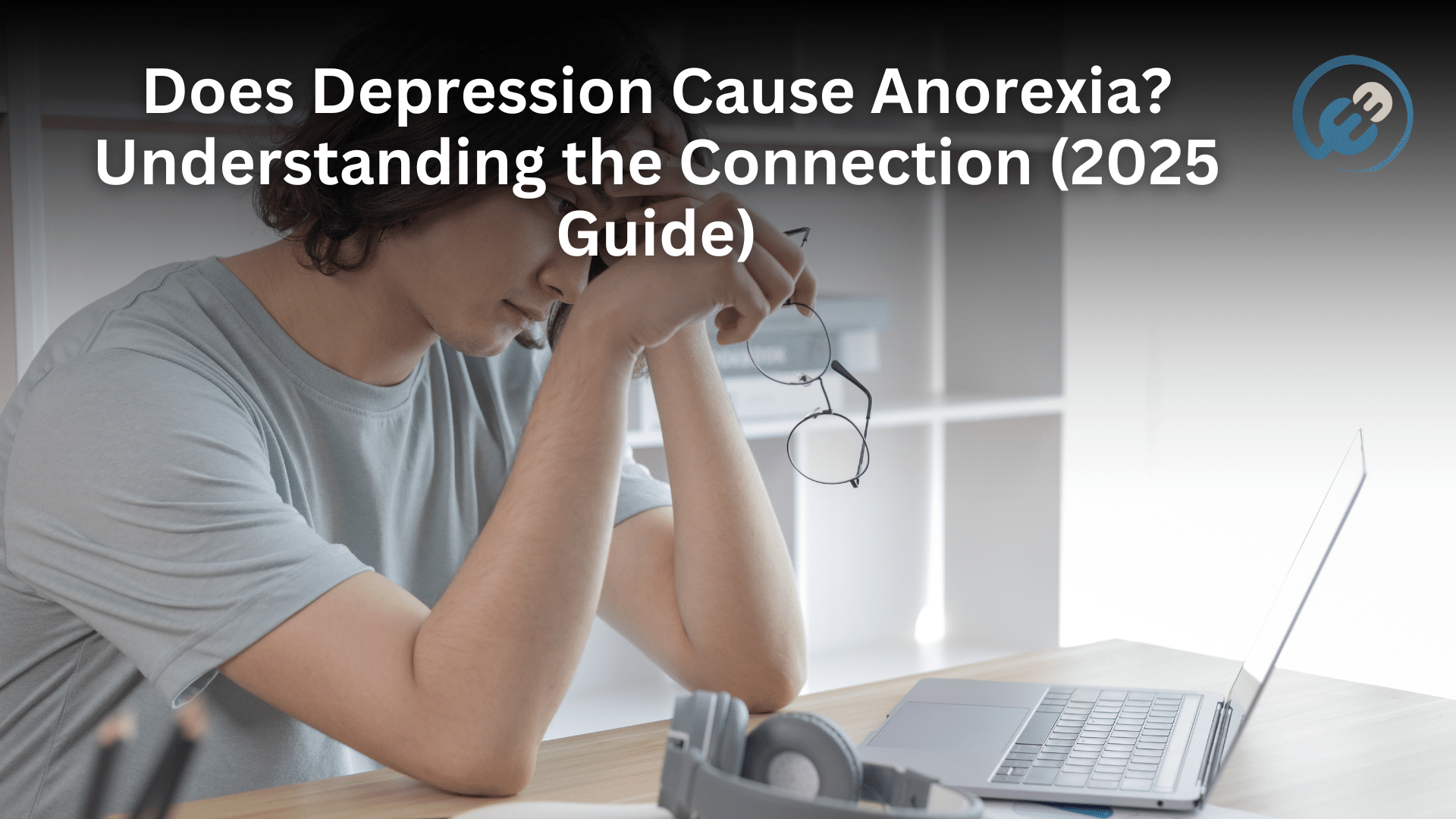
Sometimes depression feels like a heavy fog — a slow, aching withdrawal from life.
Sometimes, it feels like an emptiness so vast that food, pleasure, even hope itself, fades into the background.
If you’ve ever found yourself wondering why sadness made you lose your appetite… why emotional pain left you picking at meals you used to enjoy… or why your body started to feel like something you needed to control to survive — you’re not alone.
Many people struggling with anorexia first walk through the dark corridors of depression.
This article offers a compassionate, research-grounded guide to understanding how depression and anorexia are deeply, invisibly intertwined — and how healing is possible across many layers of experience.
Curious about your relationship with food and emotions?
Take our free Eating Enlightenment quiz here to receive gentle, personalized insights. 🌱
How Depression and Anorexia Are Emotionally Connected

Depression doesn’t just steal joy. It often numbs the body’s natural rhythms — including hunger.
When emotional pain feels too overwhelming to process, many people unconsciously turn inward. Food can begin to feel irrelevant, burdensome, or even unsafe. Restriction may emerge not from a conscious desire to lose weight, but from a quiet wish to disappear.
In depressive states, there’s often a longing for invisibility — a soft shrinking away from life. For some, weight loss feels like a tangible way to match their internal experience: unseen, small, unnoticed.
Other emotional patterns that bridge depression and anorexia include:
- Hopelessness: Feeling that nothing will ever change
- Self-punishment: Believing you “don’t deserve” nourishment
- Numbness: A fading connection to body signals like hunger, thirst, fatigue
In these invisible spaces, anorexia doesn’t appear as a “choice” — it surfaces as a coping mechanism when the world inside feels unbearable.
Can Depression Cause Anorexia? What the Research Says
Scientific studies increasingly support what many lived experiences reveal: depression is a major risk factor for developing anorexia.
One longitudinal study found that adolescents with depressive symptoms were twice as likely to develop restrictive eating behaviors compared to their non-depressed peers (Stice et al., 2004).
This suggests that emotional suffering often lays the groundwork for disordered eating — not because people are vain or obsessed with appearance, but because food becomes tangled with survival instincts.
Key research insights include:
- Anorexia often begins after prolonged emotional distress
- Depression can alter brain regions involved in appetite regulation and reward
- Self-critical perfectionism frequently mediates the link between depression and anorexia
Understanding these patterns can relieve the shame many people carry:
Your pain makes sense. Your patterns make sense. You are not broken.
Internal Patterns: How Shame, Hopelessness, and Control Intertwine
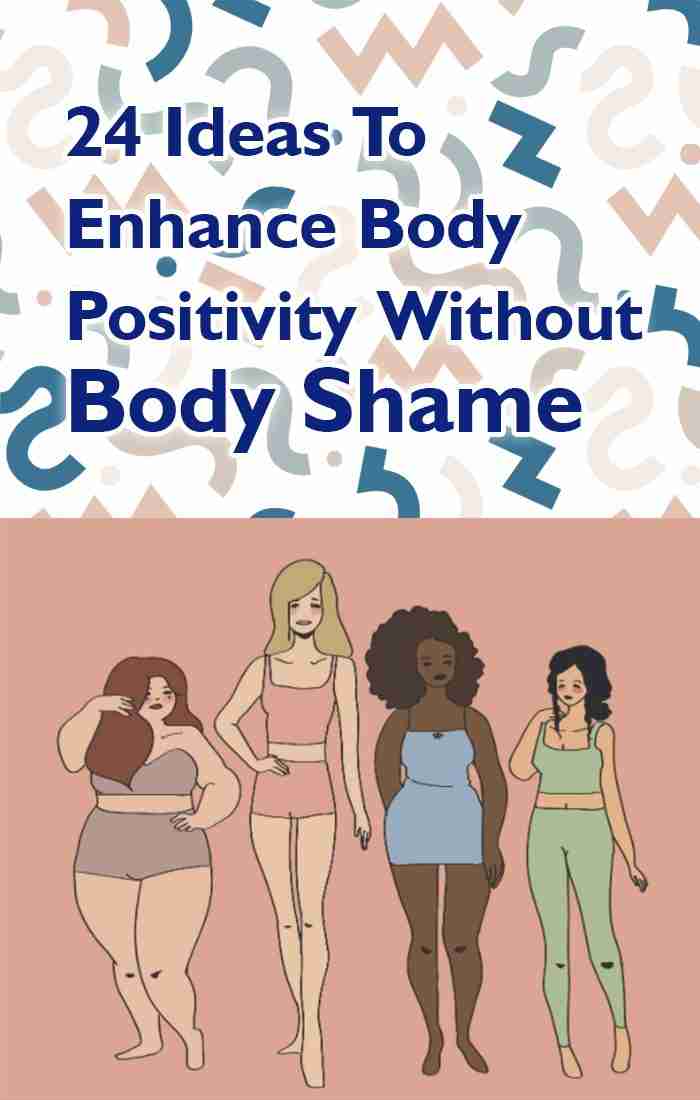
Inside depression and anorexia, shame often acts like a heavy undercurrent — pulling silently at the heart.
When life feels chaotic, controlling food intake can offer a tiny illusion of safety.
When self-worth feels eroded, shrinking the body can feel (briefly) like proof of control, achievement, or value.
Common internal experiences include:
- Harsh Inner Critic: “You’re a failure. Try harder. Eat less.”
- Control Fantasies: “If I can control my body, maybe I can control my pain.”
- Hopelessness Cycles: Restricting brings numbness → Numbness brings isolation → Isolation deepens hopelessness.
In the Eating Enlightenment worldview, we recognize that these patterns are not failures of willpower — they are adaptive survival responses to deep emotional overwhelm.
Healing isn’t about “fixing” these patterns. It’s about learning new ways to hold, soothe, and understand them.
Somatic Experience: Depression’s Impact on Appetite and Body Cues
In depression, the nervous system often enters a shutdown or freeze response — slowing digestion, dulling hunger signals, and numbing body awareness.
You might notice:
- Skipped meals without noticing hunger
- Difficulty tasting or enjoying food
- Digestive issues like bloating or constipation
This somatic numbness isn’t a personal flaw. It’s the body trying to protect itself by minimizing energy use during emotional distress.
When anorexia emerges from this landscape, it often begins quietly: a few missed meals here, a subtle avoidance there. Over time, this disconnection from bodily needs can deepen into rigid food rules and dangerous weight loss.
Gentle reconnection to the body — through compassionate curiosity, not force — is essential for healing.
Want a supportive way to start?
Explore our free Mindful Meal Journal app here to gently reconnect with your body’s wisdom.
Cultural Conditioning: Thinness, Perfectionism, and Emotional Invisibility
Depression and anorexia don’t occur in a vacuum.
They are shaped by a world that often praises self-denial, idolizes thinness, and misunderstands emotional pain.
From a young age, many of us receive subtle (and not-so-subtle) messages:
- Thin = Good.
- Emotions = Weakness.
- Productivity = Worth.
For someone already grappling with depression’s isolation, these cultural ideals can reinforce harmful patterns.
Restricting food may feel like a way to achieve external approval — to make suffering invisible by molding the body into an acceptable shape.
Understanding this broader context helps us move beyond self-blame.
The forces shaping disordered eating are both personal and systemic.
Early Life Experiences: Emotional Neglect, Safety, and Food
Many people who experience depression and anorexia share a history of emotional invisibility in childhood.
Perhaps caregivers were physically present but emotionally unavailable.
Perhaps expressing needs or emotions was met with silence, criticism, or neglect.
In these environments, children often learn:
- My feelings are too much.
- My needs are burdensome.
- Safety means silence.
Food — one of the earliest relational experiences — becomes entangled with these survival strategies. Restriction may echo old patterns of self-silencing, self-erasure, and striving for approval.
Healing often requires revisiting these tender roots — with compassion, not blame.
What Healing Looks Like: A Gentle, Layered Approach
Healing from depression-linked anorexia is not about “eating more” or “thinking positive.”
It’s about addressing the multiple layers of pain, disconnection, and unmet needs that gave rise to the behaviors.
True recovery often involves:
Internal Healing
- Practicing self-compassion and emotional literacy
- Building tolerance for feeling and expressing emotions
Somatic Healing
- Reconnecting to hunger and fullness cues
- Honoring the body’s signals without judgment
Relational Healing
- Finding safe, nourishing connections that allow for co-regulation
- Relearning that needs are not shameful — they are human
If you feel ready for more support on this journey,
Learn more about our private coaching here — designed to walk with you, not push you.
Gentle Resources for Your Healing Journey

At Eating Enlightenment, we believe that healing is a birthright — and that no one should have to walk this path alone.
Here are some free and low-cost resources created for you:
- Take our free Eating Enlightenment Quiz — discover where you are on your healing journey.
- Download the Mindful Meal Journal App — cultivate gentle body awareness at your own pace.
- Learn about our private coaching options — compassionate support tailored to your needs.
- Explore the Enlighten Eats Course — a comprehensive roadmap to understanding and healing disordered eating.
You are worthy of care. You are worthy of nourishment. You are worthy of peace. 🌿
Conclusion
Depression and anorexia are not isolated struggles.
They are deeply interwoven, shaped by internal pain, bodily disconnection, cultural forces, and relational wounds.
If you see yourself reflected in these patterns — know this:
You are not broken. Your suffering makes sense. And healing is possible.
Whenever you’re ready, a gentler, more connected relationship with food, body, and self awaits you.
Curious where you are on your healing journey?
Take our free quiz now and receive personalized insight — your next small, brave step toward peace.