

Vitamin K is an essential nutrient that is vital in maintaining overall health. However, many people may not know its importance or where to find it.
This blog post will explore the best foods rich in vitamin K and explain why this nutrient is crucial for your well-being.
What is Vitamin K
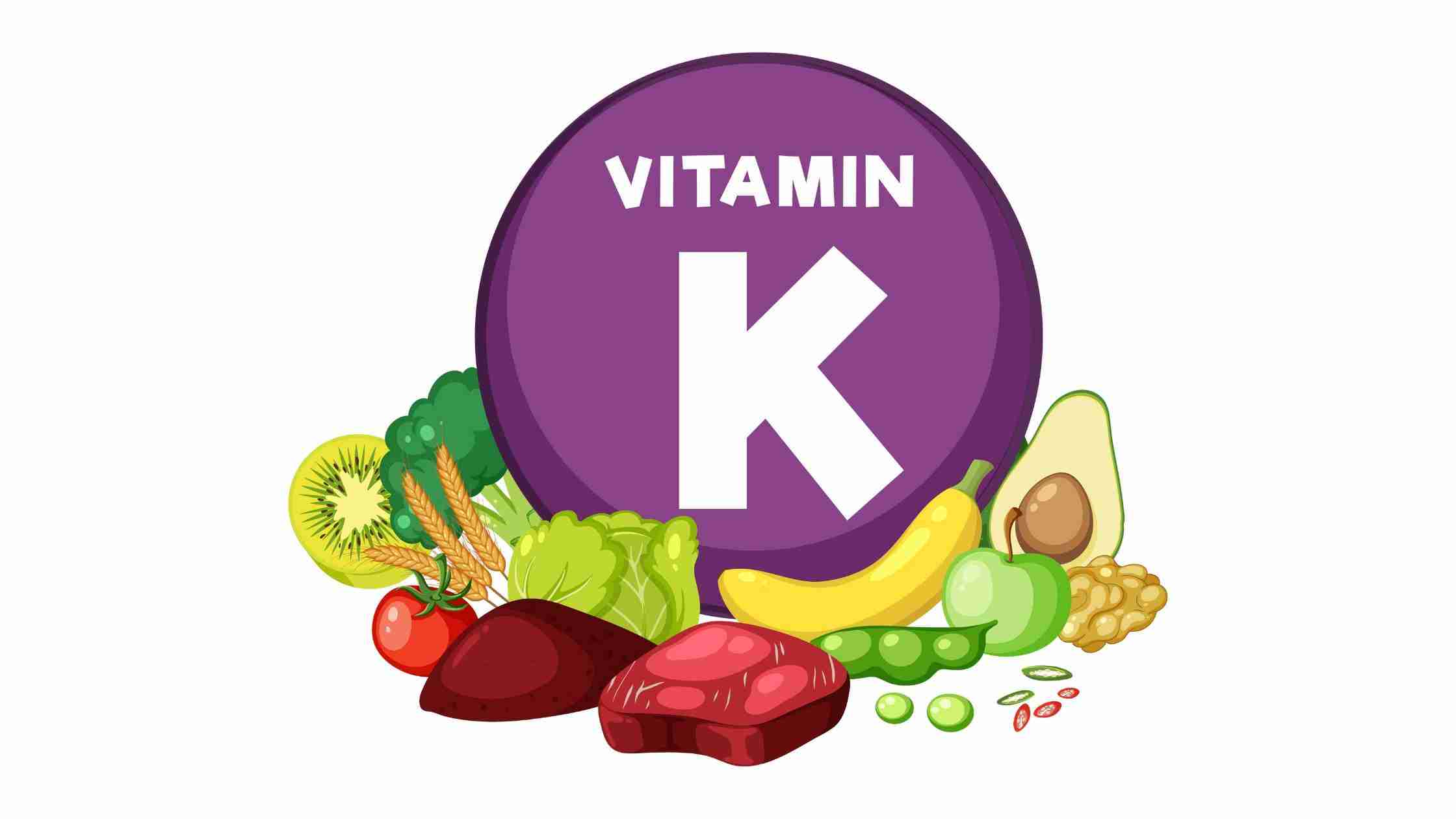
Vitamin K is a fat-soluble vitamin essential for blood clotting and bone health. Unlike other vitamins, it is not stored in large amounts, so regular intake is necessary.
The Role of Vitamin K in Your Body
Vitamin K helps in blood clotting, which prevents excessive bleeding. It also supports bone health by aiding in calcium binding. This dual role makes it an indispensable nutrient for maintaining circulatory and skeletal systems.
Types of Vitamin K
There are two main types of vitamin K—K1 (phylloquinone) and K2 (menaquinone). K1 is found in plant foods, while K2 is found in animal products and fermented foods. Both types are essential and contribute differently to our health.
Leafy Greens
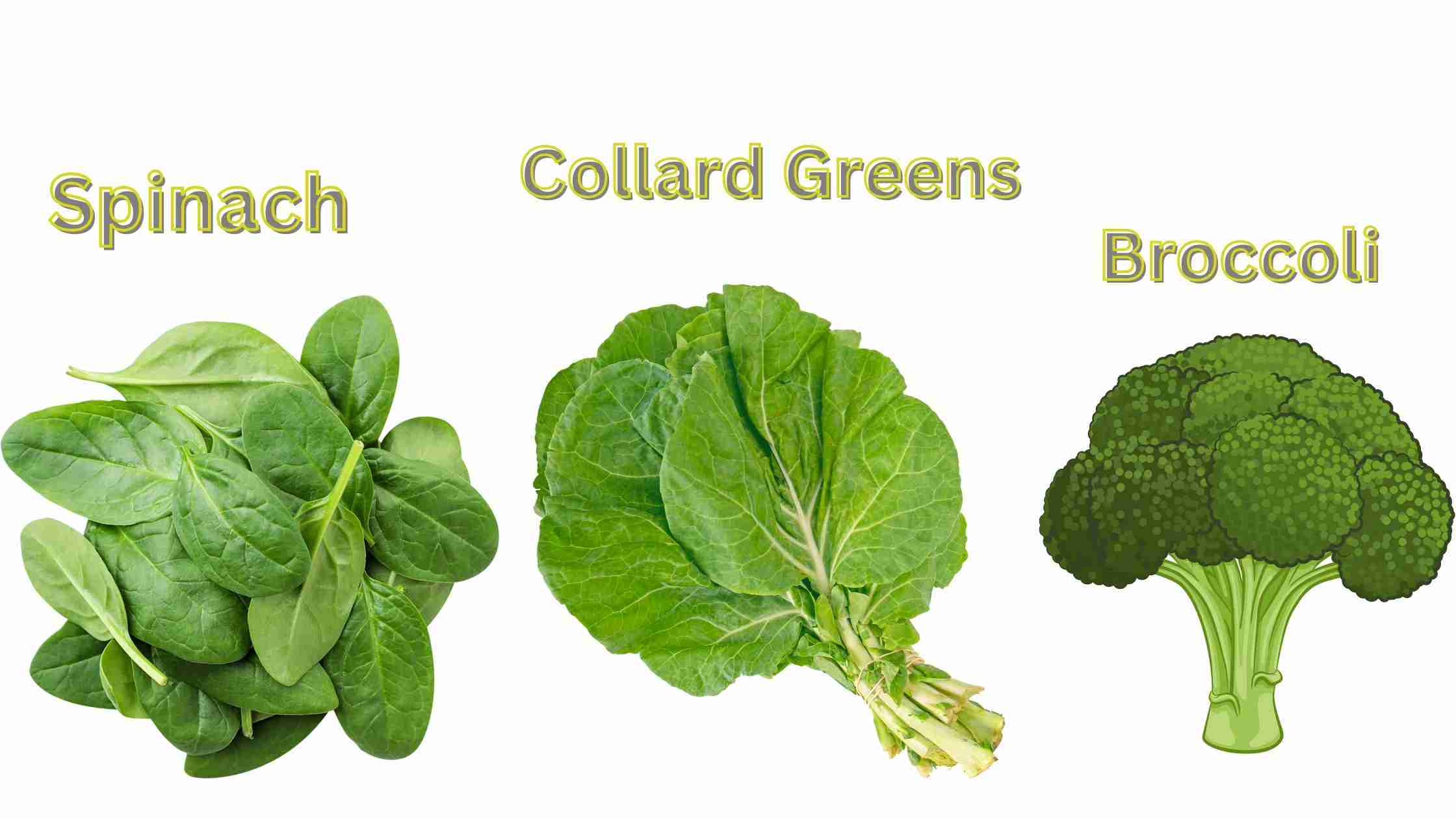
Leafy greens are some of the best sources of vitamin K. They are easy to find and incorporate into your diet.
Spinach and Kale
Spinach and kale are powerhouses for vitamin K. Just one cup of cooked spinach provides more than the daily recommended amount, and kale, known for its dense nutritional profile, is equally potent.
Swiss Chard and Collard Greens
Swiss chard and collard greens are also excellent sources of vitamin K. These versatile greens can be added to soups and stews or sautéed with garlic for a delicious side dish.
Broccoli and Brussels Sprouts
Broccoli and Brussels sprouts are rich in vitamin K and packed with fiber and antioxidants. They make a nutritious addition to any meal.
Fermented Foods
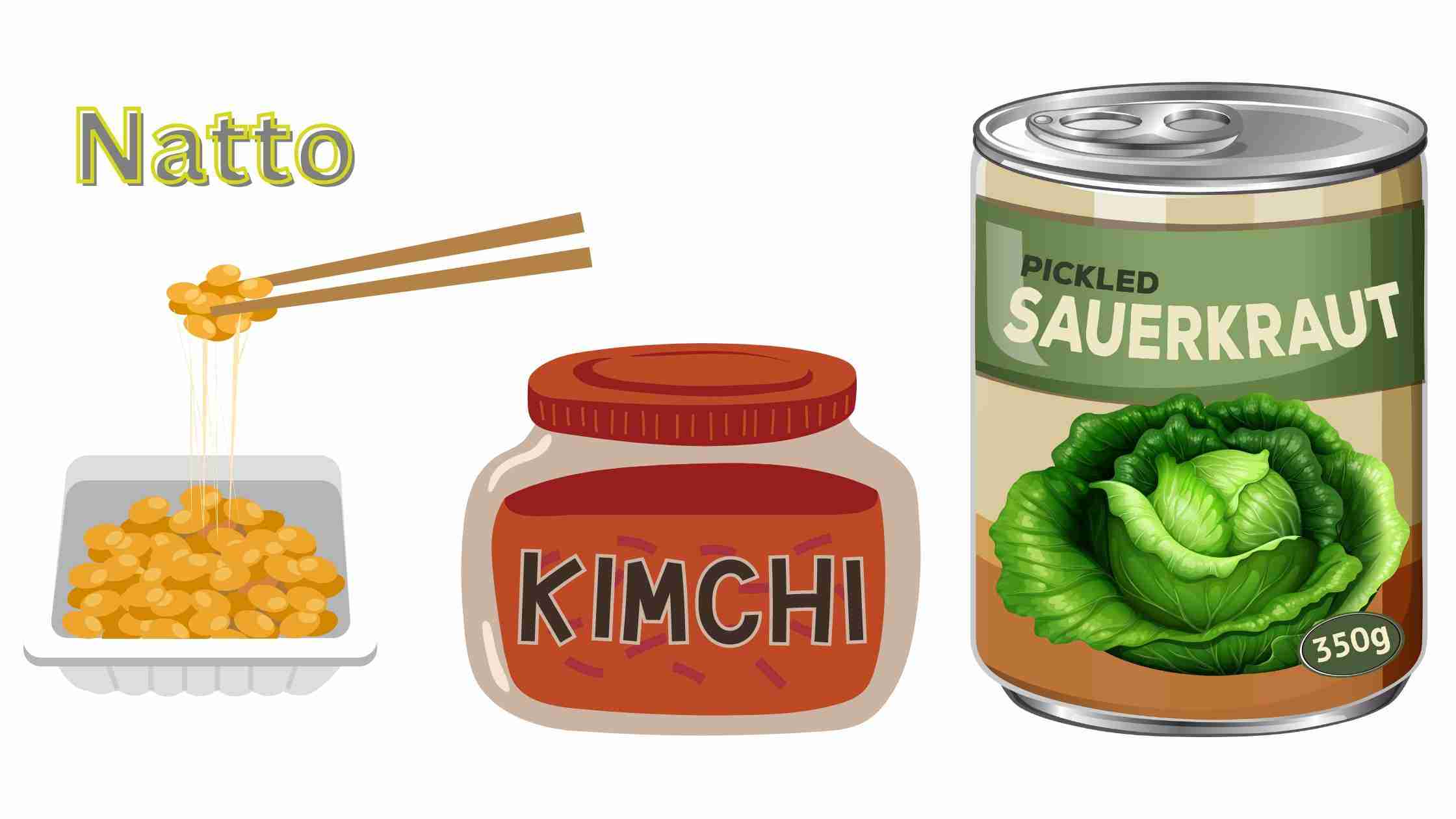
Fermented foods are another fantastic source of vitamin K, specifically K2.
Natto
Natto, a traditional Japanese food made from fermented soybeans, is one of the richest sources of vitamin K2. Its unique taste might require some getting used to, but its health benefits are undeniable.
Sauerkraut
Sauerkraut, made from fermented cabbage, is not only rich in vitamin K2 but also promotes gut health. It’s a great addition to salads and sandwiches.
Kimchi
Kimchi, a staple in Korean cuisine, is another fermented food high in vitamin K. It’s spicy, tangy, and loaded with probiotics, making it an excellent choice for a healthy diet.
Animal Products
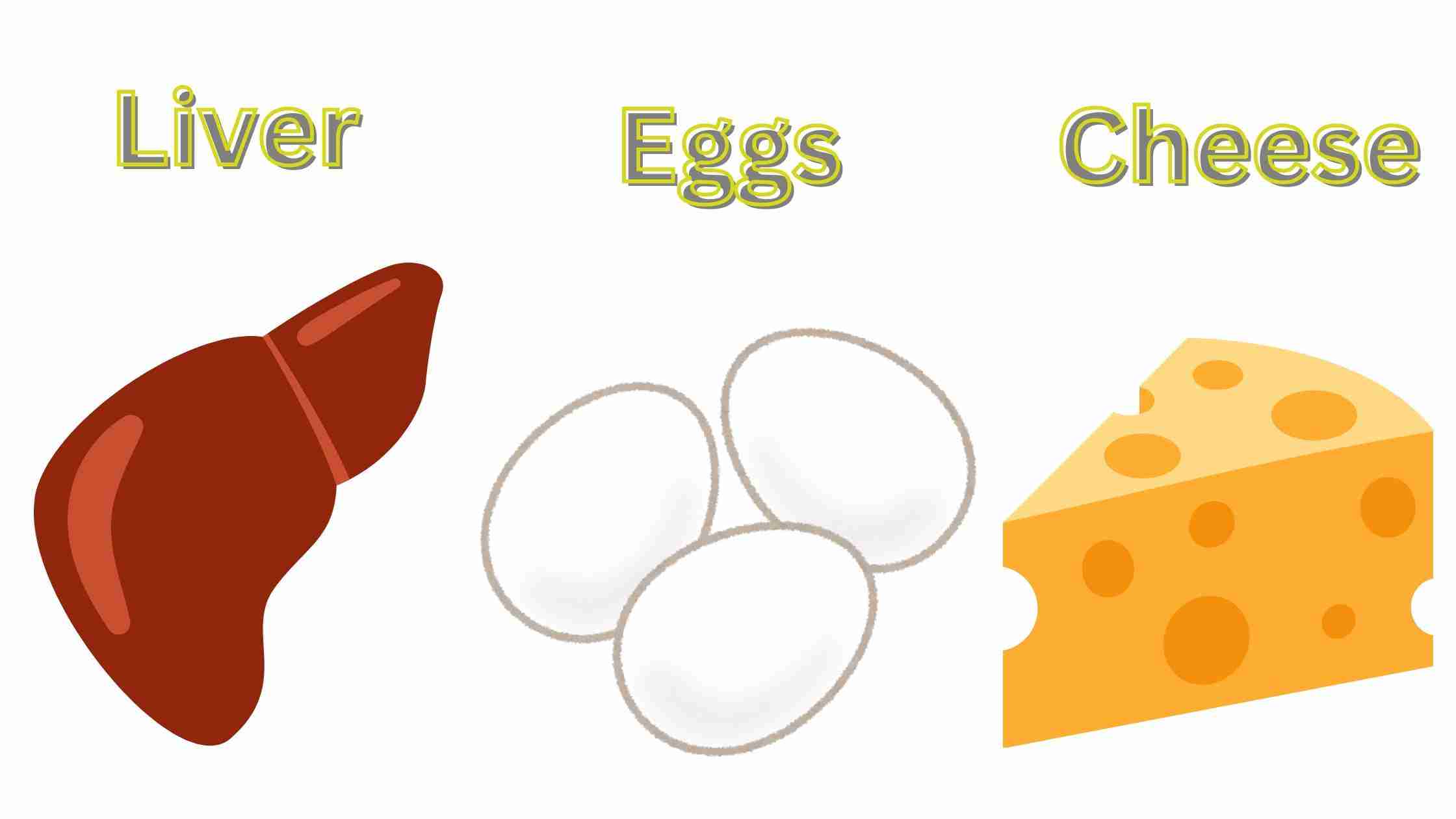
Animal products provide vitamin K2, vital for bone and heart health.
Liver
The liver is one of the best animal sources of vitamin K2. It can be incorporated into your diet through various recipes, such as pâté, liver, and onions.
Eggs
Eggs are a convenient and versatile source of vitamin K2. They can be boiled, scrambled, or added to salads, providing a quick and nutritious meal.
Cheese
Certain cheeses, especially hard and aged varieties, are rich in vitamin K2. Adding a slice of cheese to your sandwich or salad can boost your intake.
Oils and Fats
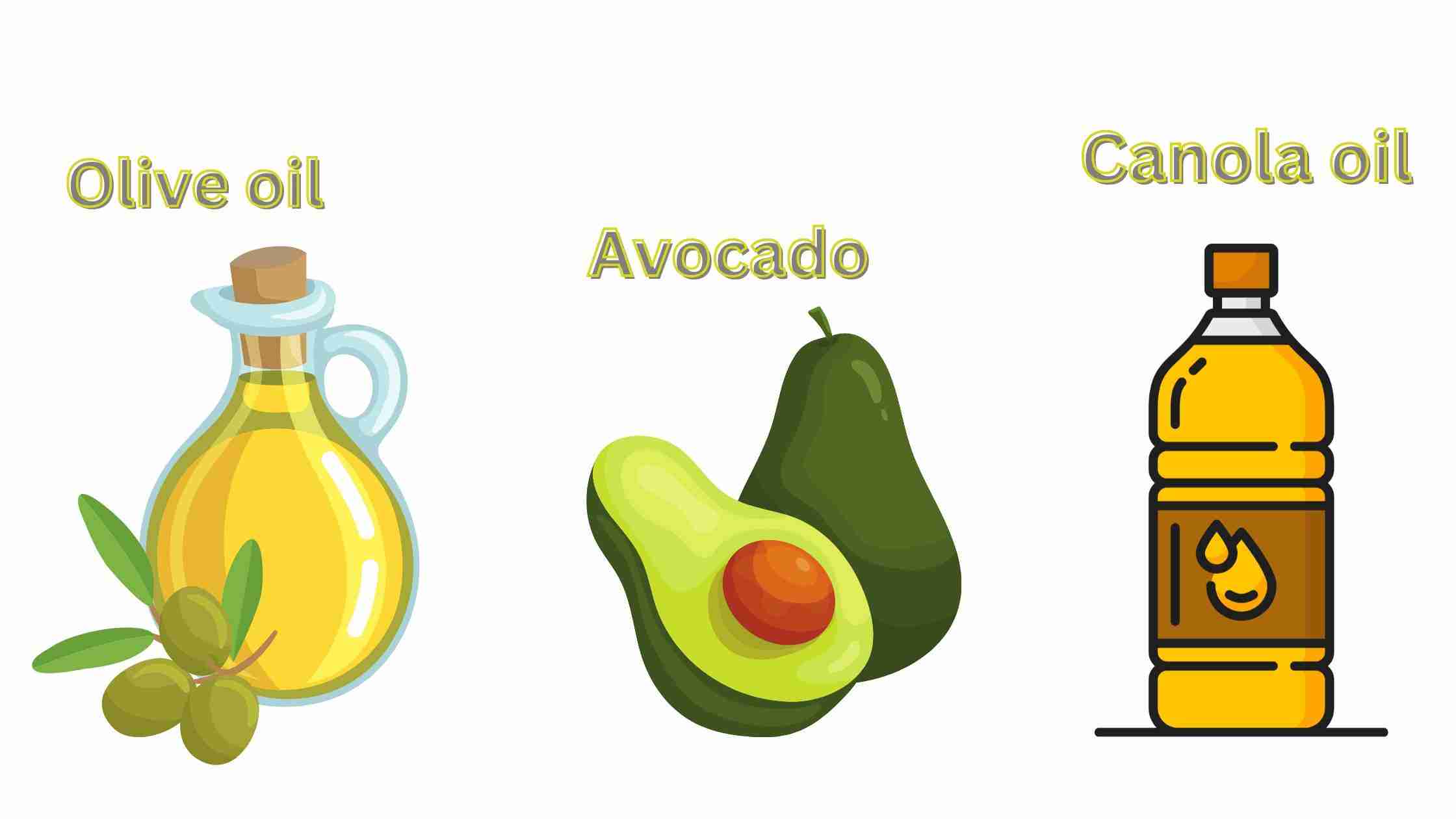
Certain oils and fats are also good sources of vitamin K.
Olive Oil
Olive oil is a healthy fat containing vitamin K. Drizzle it over salads or use it in cooking to enhance flavor and nutrition.
Canola Oil
Canola oil is another option that provides vitamin K. It’s versatile and can be used for frying, baking, or as a base for salad dressings.
Avocado
Avocados are rich in healthy fats and contain a good amount of vitamin K. They are perfect for adding creaminess to salads, sandwiches, and smoothies.
Fruits
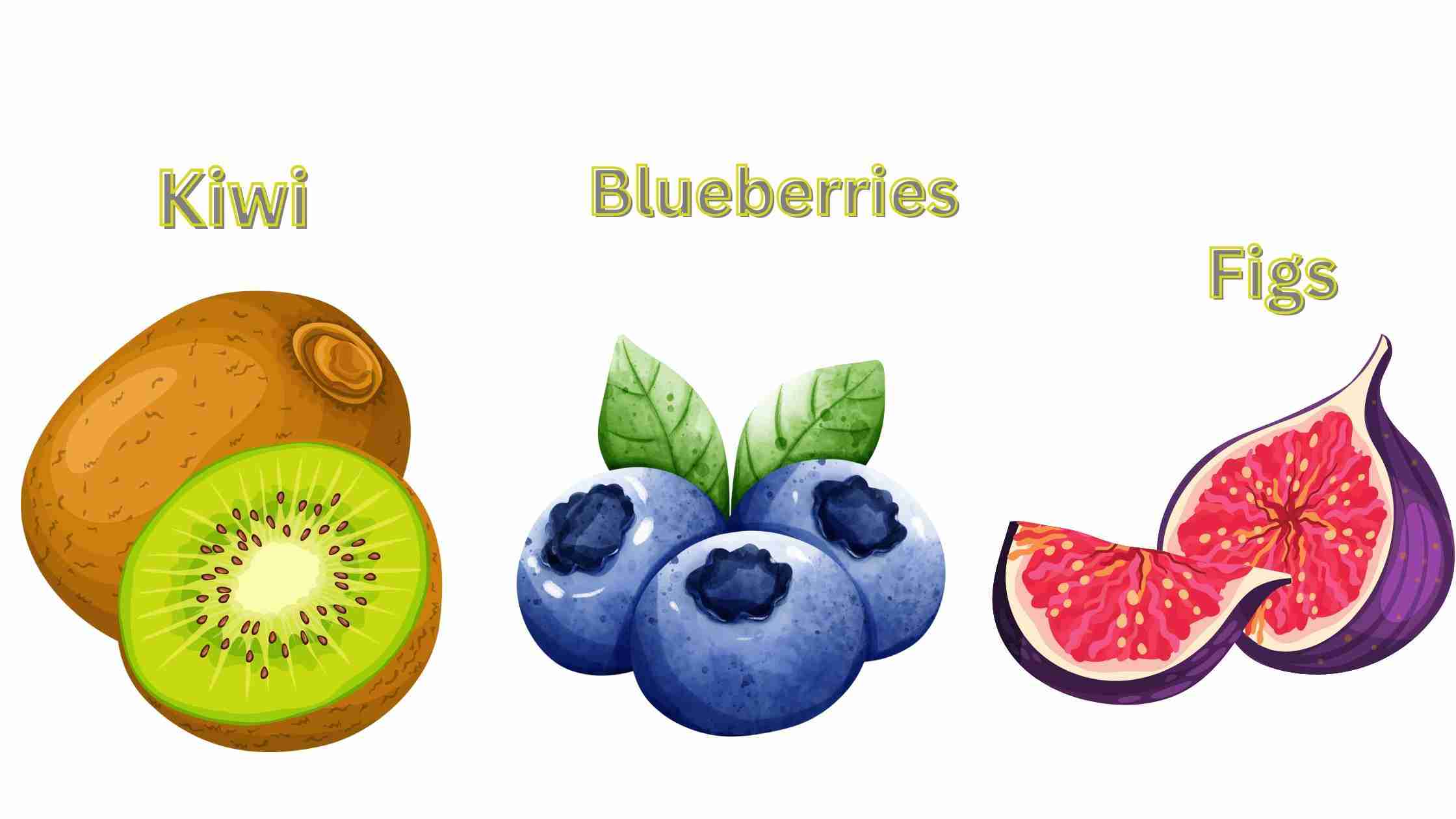
While fruits are not as rich in vitamin K as vegetables, some still provide a decent amount.
Kiwi
Kiwi is a delicious fruit with vitamins K, C, and fiber. It’s a refreshing addition to fruit salads or smoothies.
Blueberries
Blueberries are tiny yet mighty when it comes to nutritional value. They provide antioxidants, fiber, and a small amount of vitamin K.
Figs
Figs are a sweet treat that also offers vitamin K. They can be eaten fresh or dried and make a great addition to cereals and salads.
Legumes and Nuts

Legumes and nuts can also contribute to your vitamin K intake.
Soybeans
Soybeans and soybean products, such as tofu and tempeh, are good sources of vitamin K. They are also versatile and can be used in various dishes.
Cashews
Cashews provide a modest amount of vitamin K, healthy fats, and protein. They are great for snacking or adding to stir-fries and salads.
Pine Nuts
Pine nuts are another nut that offers vitamin K. They can be sprinkled over salads or pasta dishes for an extra nutritional boost.
Grains
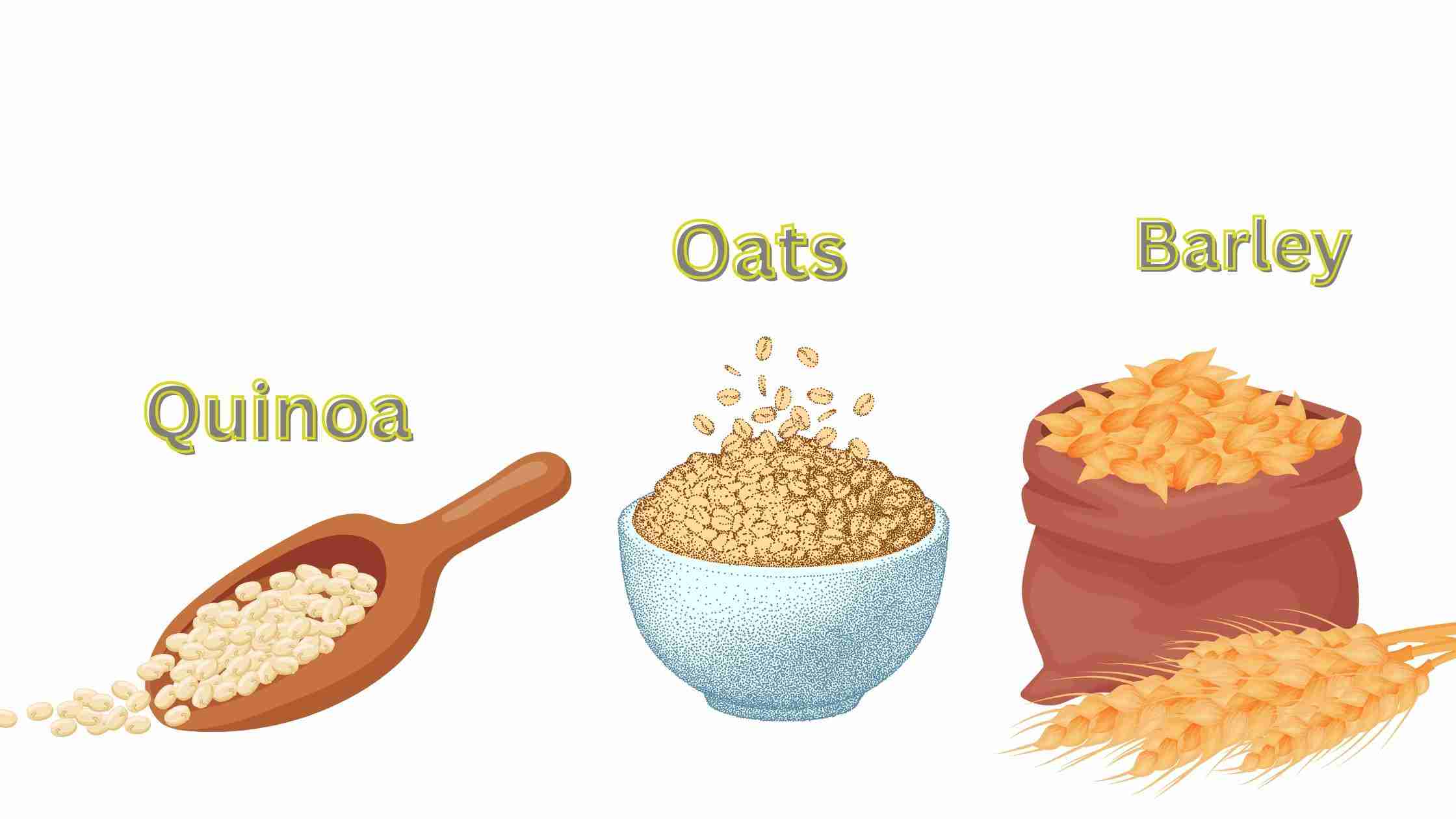
Some grains can help you meet your daily vitamin K needs.
Quinoa
Quinoa is a nutrient-dense grain that contains vitamin K. It’s an excellent base for salads or a side dish for main meals.
Oats
Oats provide a small amount of vitamin K, fiber, and other essential nutrients. When made into oatmeal, they make for a hearty breakfast option.
Barley
Barley is another grain that offers vitamin K. It can be used in soups, stews, or as a side dish to enrich your diet.
Conclusion
Including various foods ensures you get enough vitamin K for optimal health. This nutrient is crucial for blood clotting and bone health, making it essential for everyone.
By understanding the best sources of vitamin K and incorporating them into your meals, you can take significant steps toward improving your well-being.
Consider consulting a nutritionist for personalized advice on how to enhance your diet. They can provide tailored guidance based on your specific health needs.
Remember, a balanced diet is critical to maintaining health, and vitamin K plays a vital role in this balance. Start today by adding some of these vitamin K-rich foods to your shopping list and enjoy their benefits to your health and well-being.
FAQs:
What meal has the most vitamin K content?
Kale salad with avocado, roasted pine nuts, and a drizzle of olive oil offers a high vitamin K content. The combination is not just nutritious but also delicious, supporting overall well-being. Each ingredient promotes heart health and bone strength.
How can I naturally obtain vitamin K?
Incorporating leafy greens like spinach and kale into your diet is a beautiful way to naturally boost your vitamin K levels. Enjoying these in fresh salads or smoothies can enhance your journey towards better health.
Do bananas have a lot of vitamin K?
Bananas contain a modest amount of vitamin K but are also rich in potassium and fiber. Thus, they greatly add to a balanced diet and support overall wellness.
Do eggs have a lot of vitamin K?
Eggs contain a small amount of vitamin K, but they’re packed with high-quality protein and essential nutrients. Including them in your diet can support your overall health and vitality.
How much K do we need each day?
Adults typically need about 90-120 micrograms of vitamin K daily to support optimal health. This nutrient helps maintain strong bones and healthy blood clotting.